Whether a Backyard Bred British Shorthair Is Really One
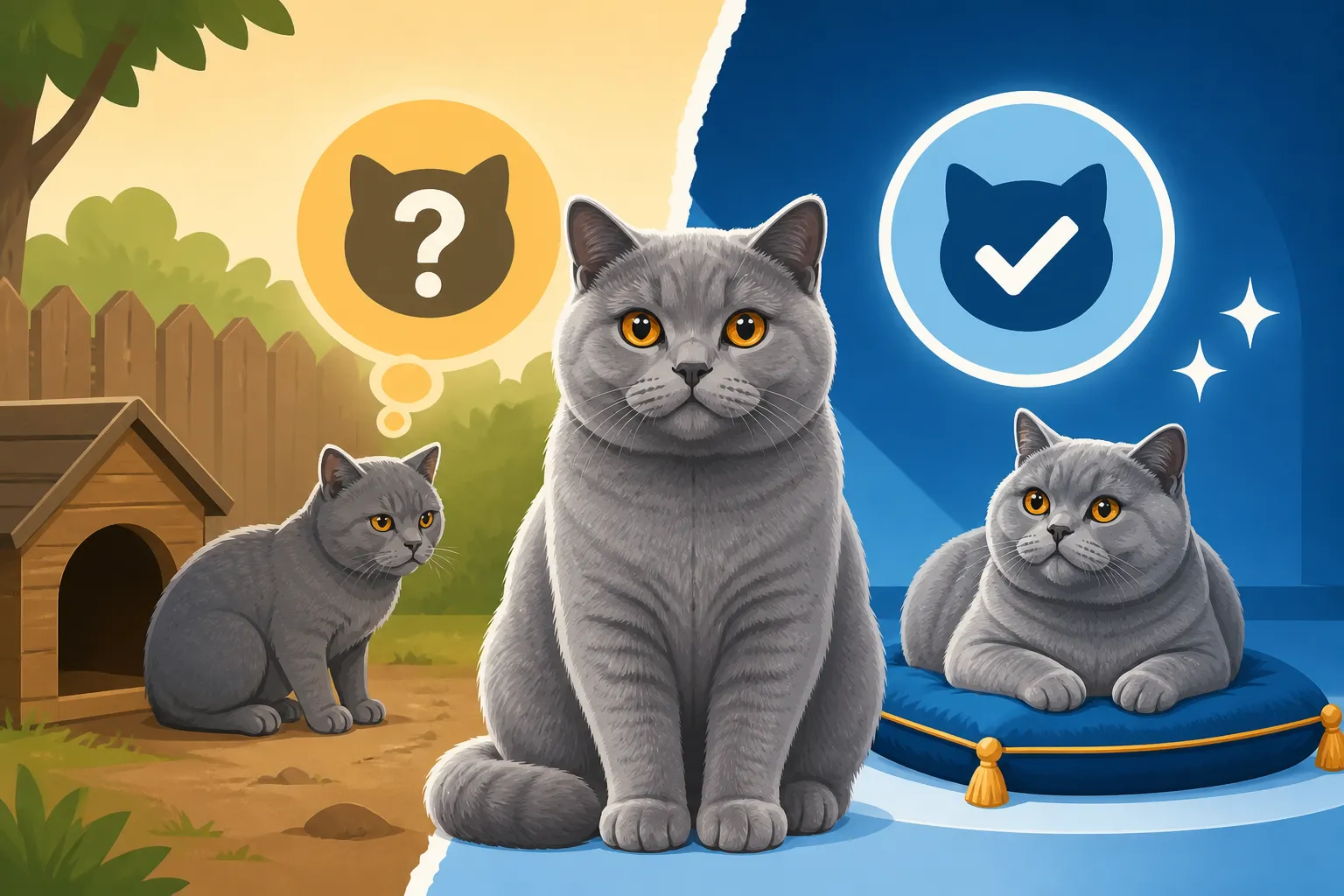
It's an unfortunate truth that when we fall in love with a specific cat breed, like our beloved British Shorthairs, the desire to bring one home can sometimes blind us to certain realities. Many aspiring owners, dazzled by those big, round eyes and plush coats, stumble upon what appears to be a bargain – a "British Shorthair" kitten advertised at a significantly lower price than reputable breeders. The question naturally arises: is this backyard-bred kitten truly a British Shorthair, or are you getting something entirely different? This guide will help you understand what defines a British Shorthair and why the source matters immensely.
What Does "Really One" Mean for a British Shorthair?
When we talk about a British Shorthair, we’re not just talking about a fluffy cat with a particular look. We're talking about a cat that adheres to specific breed standards, possesses predictable health profiles, and typically exhibits a well-known temperament. A "real" British Shorthair is one whose lineage is known, whose parents have been carefully selected, and whose upbringing fosters the traits we cherish. Without this foundation, you might end up with a cat that superficially resembles a British Shorthair but lacks the inherent qualities that make the breed so special.
Beyond the Fluffy Appearance: Breed Standards and Type
The British Shorthair breed isn't just a random collection of traits; it's a carefully cultivated type recognized by major cat registries worldwide, like The International Cat Association (TICA) and the Cat Fanciers' Association (CFA). These organizations maintain detailed written standards that describe the ideal British Shorthair, encompassing everything from head shape to tail length, coat texture, and eye color. These standards aren't just for show ring judges; they represent the collective effort of dedicated breeders to preserve the breed's distinctive qualities.
A reputable breeder strives to produce cats that meet these standards, ensuring consistency in appearance and conformation. This "type" is what gives the British Shorthair its characteristic teddy-bear look – the broad, round head, deep copper eyes (for most colors), small, widely set ears, and a dense, crisp, plush coat that stands away from the body. When a cat deviates significantly from these standards, especially if it's consistently seen across litters from a particular source, it suggests a lack of understanding or disregard for the breed's integrity. You might end up with a cat that's just a "fluffy domestic shorthair" with some British Shorthair features, rather than a genuine representative of the breed.
The Role of Pedigree and Registration
A "real" British Shorthair comes with a pedigree, which is essentially a family tree showing generations of registered British Shorthairs. This pedigree isn't just fancy paperwork; it’s a vital tool for breeders and owners alike. It allows a breeder to trace health history, identify potential genetic predispositions, and make informed decisions about breeding pairs. For an owner, it offers assurance that their kitten truly comes from British Shorthair lines, not a mix of unknown parentage.
Furthermore, a truly British Shorthair kitten will be eligible for registration with a reputable cat association. This means the breeder has followed the rules of that association, and the kitten's parents are registered purebreds. If a breeder tells you their kittens are "purebred but not registered" or offers them at a price that seems too good to be true because they "don't come with papers," it's a huge red flag. This often means the parents aren't actually registered, or worse, aren't purebred British Shorthairs at all. Without registration, there's no official record or verification of the cat's breed status, leaving you with little recourse if the cat doesn't mature into the British Shorthair you expected.
The Hidden Truth About Backyard Breeding
So, what exactly is a "backyard breeder"? It's generally someone who breeds cats without the knowledge, experience, or dedication to health, temperament, and breed standards that define a reputable breeder. They might have a couple of cats they think are cute and decide to breed them to "make a little money" or because they "want to experience kittens." The motivations can vary, but the results are often the same: compromised health, unpredictable temperaments, and cats that don't truly represent the British Shorthair breed.
The Genetic Lottery: Health Risks and Untested Parents
One of the most significant differences between a backyard-bred British Shorthair and one from a reputable cattery is the commitment to health testing. Responsible breeders meticulously screen their breeding cats for genetic health conditions common in the breed, such as hypertrophic cardiomyopathy (HCM) and polycystic kidney disease (PKD). HCM in a British Shorthair Has No DNA Test for example, means regular echocardiograms are crucial. Similarly, Polycystic Kidney Disease Came Into the British Shorthair With the Persians highlights a historical issue that careful breeding has largely managed to reduce through DNA testing.
Backyard breeders typically skip these crucial, and often costly, health screenings. They might not even know these issues exist, or they might simply choose to ignore them to save money. This means you're entering a genetic lottery. You might purchase a kitten that appears healthy initially but could develop severe, life-limiting, and expensive conditions later in life. Imagine the heartbreak and financial strain if your beloved British Shorthair develops a serious heart condition that requires ongoing medication and care, all because its parents weren't screened. Pet insurance providers like Healthy Paws can help mitigate these costs, but a pre-existing condition, often linked to poor breeding practices, might not be covered.
Compromised Temperament and Socialization
British Shorthairs are renowned for their calm, affectionate, and easygoing temperament. They are typically quiet, tolerant cats that adapt well to various household environments and are generally good with children and other pets. A British Shorthair Sits Near You, Not On You perfectly describes their affectionate but not overly demanding nature. This wonderful disposition isn't purely genetic; it's also heavily influenced by early socialization and environment.
Backyard breeders often keep their cats in less-than-ideal conditions, with limited human interaction, exposure to different sounds, or opportunities for appropriate play. Kittens raised in such environments may miss critical socialization windows, leading to shy, fearful, aggressive, or overly anxious adult cats. They might hide from guests, be difficult to handle, or develop behavioral problems like inappropriate urination or scratching. While some behavioral issues can be managed with patience and training, a foundation of poor socialization can be incredibly difficult to overcome, and it's certainly not the docile, confident British Shorthair experience most people envision. This is where investing in enriching toys from places like Chewy can help, but it's an uphill battle if the kitten's early life was neglected.
What You Think You're Getting Versus Reality
The visual appeal of a British Shorthair is undeniable, but a backyard-bred cat might only offer a superficial resemblance. The "cute" round face of a kitten might not develop into the full, magnificent jowls and broad head characteristic of an adult male British Shorthair. Their dense coat might be thin, or prone to matting, lacking the crisp texture and plushness that is a hallmark of the breed. You might not get the iconic copper eyes or the correct body structure. Why a British Shorthair Is Built to Look Heavy and The Round Head and Copper Eye a British Shorthair Is Judged On describe these features which take years of careful breeding to achieve and maintain.
Ultimately, you pay for what you get, or rather, what you don't get. While the initial price might seem attractive, the lack of genetic testing, proper socialization, and adherence to breed standards means you're taking a significant gamble. You're not just buying a cat; you're investing in a companion for potentially The Twelve to Seventeen Years a British Shorthair Gets. A backyard-bred cat, even if it has some British Shorthair characteristics, often misses the mark on the crucial aspects of health, longevity, and temperament that truly define the breed.
Navigating the British Shorthair Search Safely
So, how do you ensure you're getting a genuine British Shorthair and not a genetic gamble from a backyard breeder? It comes down to due diligence, asking tough questions, and being prepared to pay a fair price for a well-bred cat. Don't let emotion override your common sense during this important decision.
Essential Questions to Ask Any Breeder
When you're speaking with a potential breeder, be prepared with a list of questions. A reputable breeder will welcome your inquiries and be transparent and knowledgeable.
Here’s a table outlining key differences and questions:
| Feature/Practice | Reputable Breeder | Backyard Breeder (Red Flags) |
|---|---|---|
| Health Testing | Provides proof of recent HCM echoes (for British Shorthairs), PKD DNA test results, and general vet checks for breeding cats. | Claims parents are "healthy" without proof, or says testing is "too expensive." |
| Temperament | Discusses socialization efforts, how kittens are raised in a home environment, and introduces you to friendly, well-adjusted parents. | Kittens kept in cages, shy parents, or limited interaction opportunities. |
| Registration | Provides registration papers (or proof of eligibility) from a recognized registry (CFA, TICA, GCCF). | "Purebred but no papers," or unregistered parents/kittens. |
| Contract | Has a written contract outlining health guarantees, spay/neuter agreements, and return policies. | No contract, verbal agreements only. |
| Knowledge | Highly knowledgeable about the British Shorthair breed, its history, health issues, and standards. | Limited knowledge, focuses only on cuteness or price. |
| Environment | Clean, safe home environment where kittens are raised underfoot with family interaction. | Unclean premises, outdoor pens, or inability to visit where kittens are raised. |
| Support | Offers lifetime support and advice, wants updates on the kitten. | Disappears after sale, no interest in follow-up. |
| Visits | Welcomes visits to see the kittens with their mother (when appropriate age). | Refuses visits, insists on meeting in public places, or delivers kittens. |
It's also crucial to ask about their experience, how long they've been breeding, and if they are members of any breed clubs. Reputable breeders are often active in the British Shorthair community, attending shows and continually learning. Asking Which Questions to Ask a British Shorthair Breeder is paramount.
Recognising the Red Flags of a Questionable Source
Beyond the questions you ask, there are immediate red flags that should make you walk away. If a breeder pushes you for a quick sale, pressures you to pick up a kitten before it's at least 12-14 weeks old (this is vital for socialization and weaning), or doesn't seem to care who you are or what kind of home you can offer, that's a problem. They should be interviewing you as much as you're interviewing them!
Another significant red flag is any reluctance to let you see the queen (the mother cat) with her kittens in their home environment. If they offer to meet you in a parking lot, a neutral location, or try to deliver the kitten to you without you ever seeing where it was raised, this is a clear sign they have something to hide. It could be poor living conditions, or it could be that the "mother" isn't even their cat, or isn't a British Shorthair at all. Trust your gut; if something feels off, it probably is.
The True Cost of a "Bargain" British Shorthair
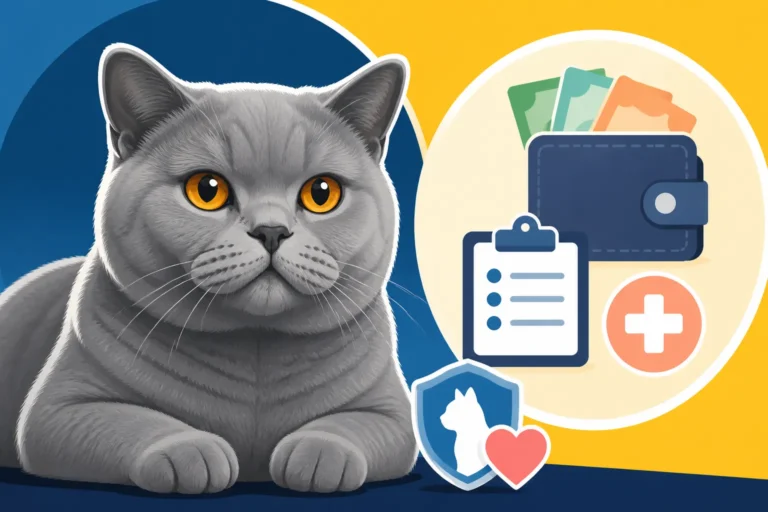
It’s tempting to choose a British Shorthair from a backyard breeder because the initial price seems so much lower. However, this "bargain" often comes with hidden and potentially devastating costs down the line. A British Shorthair from a reputable breeder might seem expensive upfront, but that price reflects years of genetic health testing, careful breeding to preserve health and temperament, high-quality food, proper veterinary care for the queen and kittens, and the extensive knowledge and time invested. What a British Shorthair Costs to Buy in 2026 will give you an idea of the investment.
On the other hand, a cheaper backyard-bred kitten could easily rack up thousands of dollars in veterinary bills if it inherits an undetected genetic condition or develops chronic health problems due to poor nutrition or early life stress. You might also face the costs of behavioral training or specialized care if the cat has socialization issues. The emotional cost, should your beloved pet suffer or pass away prematurely due to preventable health problems, is immeasurable. The initial savings quickly evaporate, often leaving you with heartache and a much heavier financial burden than if you had gone to a responsible breeder from the start.
The Enduring Impact: Why "Real" Matters
Ultimately, choosing a British Shorthair from a reputable, ethical breeder isn't just about getting a piece of paper or a specific look. It's about bringing a healthy, well-adjusted, and genetically sound companion into your home, one that will embody the best qualities of the breed for many years to come. It’s an investment in a happy and fulfilling relationship with your feline friend.
The Long-Term Health and Happiness Investment
A "real" British Shorthair, bred with care and integrity, is more likely to live a full, healthy life. You'll have the peace of mind knowing that its parents were screened for common genetic diseases, reducing the likelihood of unexpected health crises. This proactive approach to breeding is a critical part of Whether the British Shorthair Is a Healthy Breed overall. While no breeder can guarantee a cat will never get sick, responsible practices significantly stack the odds in your favor. This means fewer stressful vet visits, less financial strain from unexpected illnesses, and more joyful years with your furry family member.
Beyond physical health, the temperament that comes from good breeding and early socialization ensures a happy, confident cat that thrives in a home environment. You'll get the gentle, calm, and affectionate companion the British Shorthair is famous for, rather than a cat struggling with anxiety or aggression. This stability in temperament translates directly into the quality of life you and your cat will share, making every day a little brighter. Feeding high-quality food also contributes to a healthy foundation.
Supporting Ethical Breeding Practices
By choosing a reputable breeder, you're not just getting a great cat; you're also supporting ethical breeding practices. You're helping to ensure the continuation of healthy, well-typed British Shorthairs for future generations. These breeders invest heavily in their cats – in health testing, proper nutrition, clean environments, and ongoing education. They contribute to the breed's well-being and adhere to the standards that protect the British Shorthair.
Conversely, buying from a backyard breeder, even with the best intentions, inadvertently fuels a cycle of irresponsible breeding. It encourages individuals to continue breeding without regard for genetic health, temperament, or the overall welfare of the animals. This can perpetuate health problems within the breed, dilute desirable traits, and often leads to more cats ending up in rescues when their unexpected health or behavioral issues become too much for unprepared owners to handle. Making an informed choice is about doing what’s best for your future cat, and for the breed as a whole.
Disclaimer
This article is for general informational purposes only and does not constitute professional advice. Laws, prices and regulations vary by location and change over time. Consult a qualified professional for guidance on your specific situation.