Whether a Blue British Shorthair Is Actually Rarer
It’s a common belief, isn’t it, that the majestic blue British Shorthair is somehow a rare jewel among its kin, often leading to the assumption that they’re harder to find or cost a premium? Many potential owners fall in love with that iconic velvety blue coat and those captivating copper eyes, naturally concluding that such a distinctive look must come with a hefty price tag and a long waitlist due to its scarcity. But is this perception based on genuine rarity, or is there more to the story of the blue British Shorthair's popularity and pricing? This guide will dive deep into the genetics, history, and market dynamics to unravel whether the blue British Shorthair is truly rarer than its wonderfully diverse counterparts.
The Enduring Appeal of the Blue British Shorthair
There’s no denying the magnetic charm of a blue British Shorthair. Their dense, plush coat in shades ranging from light dove grey to a deep slate blue, paired with those famously round, expressive copper eyes, creates an image of dignified elegance that has captivated cat lovers for generations. It’s this very image that often fuels the belief in their rarity.
Why Blue is the Iconic British Shorthair Color
For many, the "British Shorthair" immediately conjures a mental picture of a solid blue cat. This isn't just a coincidence; it's a testament to how deeply ingrained this particular color is in the breed's identity. The blue coat, which is technically a dilute black, has a unique ability to highlight the breed's signature features: the round head, full cheeks, and sturdy, cobby body. The way the light catches the plush pile of the blue fur, often making it appear even softer and more luxurious, adds to its allure.
Think about it: from popular culture references to advertising campaigns, the blue British Shorthair has often been the poster child for the breed. This consistent visual representation has inadvertently created a strong association in the public's mind, making it the "default" or most recognizable color. When something is so universally recognized and admired, it’s easy to slip into the assumption that it must be exclusive or hard to come by. The reality is, its iconic status makes it highly desired, which isn't the same as rare. Many owners choose a British Shorthair specifically for this striking appearance, leading to a consistent demand for blue kittens. And for owners seeking specific care items, platforms like Chewy offer an extensive range of products tailored for these beloved felines.
The Historical Context of the Blue British Shorthair
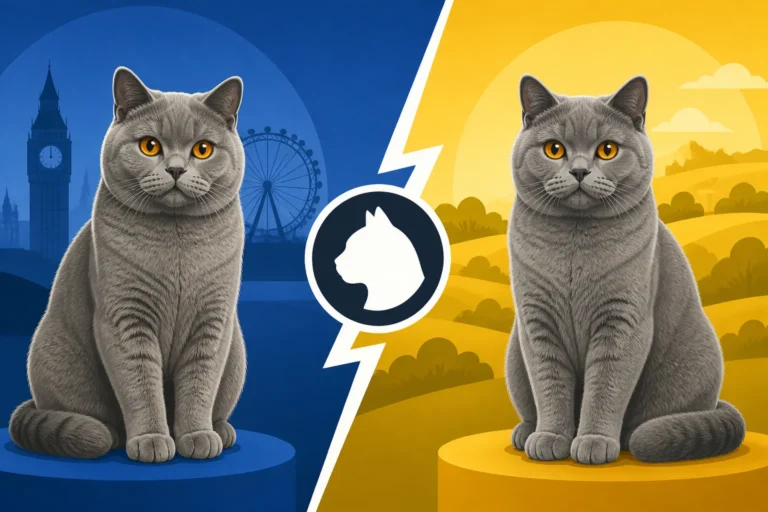
To truly understand why the blue British Shorthair holds such a prominent place, we need to take a quick trip back in time to the breed's origins. The British Shorthair breed as we know it today was largely established in the 19th century, with a pivotal figure being Harrison Weir, often regarded as the "Father of the Cat Fancy." When formal cat shows began, especially the famous one at London's Crystal Palace in 1871, blue British Shorthairs were among the most celebrated entries. Weir himself admired and championed the blue variety, and many of the early breeding efforts focused on perfecting this specific color.
This early emphasis meant that blue cats were some of the first to be consistently and carefully bred, establishing them as a foundational color within the emerging breed. Over decades, this focus cemented the blue as the quintessential British Shorthair. It wasn't that other colors didn't exist, but blue became the benchmark, the ideal that many early breeders strived for. This historical precedent played a huge role in Why the Blue Is the Best Known British Shorthair and why it continues to be so strongly associated with the breed's identity today.
Understanding "Rarity" in Cat Breeds
Before we can answer whether the blue British Shorthair is rare, it’s important to clarify what "rarity" truly means in the context of cat breeding. It’s not always about how few you see on Instagram, but often about the underlying genetics and the breed standards that guide breeders.
Genetic Factors and Coat Color Inheritance
Cat coat colors are a fascinating tapestry woven from genetic instructions, much like eye color in humans. Each cat inherits a set of genes from its parents that determines everything from its base color (like black or red) to patterns (like tabby or solid) and whether those colors are expressed in their full intensity or diluted.
The key players here are dominant and recessive genes. A dominant gene will express itself even if only one copy is present, while a recessive gene needs two copies (one from each parent) to be visible. The dilute gene, which is central to the blue British Shorthair, is a recessive gene. This means a cat must inherit two copies of the dilute gene (often represented as 'd/d') to express a diluted color. If a cat has even one dominant 'D' gene (D/d or D/D), its colors will be full intensity (e.g., black instead of blue, red instead of cream).
So, while blue cats are striking, their color is the result of a specific genetic combination that isn't inherently complex or improbable to achieve when the dilute gene is present in the parent lines. This is different from, say, complex polygenic traits that rely on many different genes interacting to produce a specific shade or pattern.
Breed Standards and Color Acceptance
Another aspect of "rarity" comes from breed standards set by feline registries like the Cat Fanciers' Association (CFA), The International Cat Association (TICA), and the Governing Council of the Cat Fancy (GCCF). These organizations define the physical characteristics, including accepted coat colors and patterns, that qualify a cat as a purebred of a specific breed.
For the British Shorthair, the breed standard is quite broad, allowing for a magnificent array of colors and patterns beyond just blue. You can find British Shorthairs in solid colors like black, white, cream, red, and chocolate, as well as dilutes like lilac and fawn. They also come in various patterns, including tabby (classic, mackerel, spotted, ticked), colorpoint, bi-color, and tortoiseshell. How Many Colors the British Shorthair Standard Allows is extensive, demonstrating the breed's genetic diversity.
Some colors might be genuinely rarer genetically because the specific genes required for their expression are less common in the breed's overall gene pool. Others might be "rarer" simply because they are newer or less commonly bred, even if the genetics aren't overly complex. For instance, a color that has only recently been accepted by a registry might have fewer breeders working with it, making it harder to find, but not necessarily genetically rare in the long run.
Is the Blue British Shorthair Genetically Rarer?
Now for the direct answer: no, the blue British Shorthair is not inherently rarer from a genetic standpoint. In fact, it's quite a common and readily achievable color for breeders.
The Dilute Gene and Blue Expression
As mentioned earlier, the blue coat color is a result of the dilute gene (d/d) acting upon a black base coat. Black is a very common base color in cats. The dilute gene itself is also quite prevalent within the British Shorthair gene pool. This means that many British Shorthairs carry at least one copy of the dilute gene, even if they themselves are black or another full-intensity color.
When two cats carrying the dilute gene (D/d x D/d) are bred, there's a 25% chance that each kitten in the litter will inherit two copies of the dilute gene (d/d) and thus be blue. If one parent is blue (d/d) and the other is a black carrier (D/d), there's a 50% chance of producing blue kittens. If both parents are blue (d/d x d/d), then all kittens will be blue. These are very straightforward Mendelian genetics, making the production of blue kittens a relatively predictable and common outcome for breeders working with appropriate lines.
Compare this to some of the truly novel or less common genetic expressions, and you quickly see that blue is far from rare.
Comparing Blue to Other British Shorthair Colors
When we look at the full spectrum of British Shorthair colors, blue stands out as one of the most common, alongside solid black and red. Some colors, however, are genuinely more difficult to produce and are therefore rarer.
For example, colors like cinnamon and fawn require different, less common genetic mutations to express themselves. Cinnamon is a dilute of a specific brown gene, and fawn is a dilute of cinnamon. These base genes are less prevalent than the black gene, making them inherently rarer. What a Cinnamon British Shorthair Looks Like is a beautiful example of a truly less common color, and finding a breeder consistently producing quality cinnamon or fawn British Shorthairs can indeed be a challenge.
Similarly, specific patterns combined with certain colors, or the complex polygenic inheritance of shades like "golden," can make a cat genuinely rarer. A truly golden British Shorthair, for instance, requires a specific set of genes for both its base color and the intense golden tipping, which can be much harder to achieve consistently than simply producing a blue cat. What a Golden British Shorthair Is is often a question of definition, as good quality golden shade is distinct and harder to breed.
Here's a simple comparison of some British Shorthair colors and their genetic basis:
| Color | Base Pigment | Dilution Gene | Relative Rarity in Breed |
|---|---|---|---|
| Black | Eumelanin | Not present | Common |
| Blue | Eumelanin | Present (d/d) | Common |
| Chocolate | Eumelanin | Present (b/b) | Less Common |
| Lilac | Eumelanin | Present (b/b, d/d) | Less Common |
| Cinnamon | Eumelanin | Present (bl/bl) | Rare |
| Fawn | Eumelanin | Present (bl/bl, d/d) | Very Rare |
| Red | Pheomelanin | Not present | Common |
| Cream | Pheomelanin | Present (d/d) | Common |
This table clearly illustrates that blue is merely a diluted version of a common base color, requiring a prevalent dilute gene. Lilac, which is also stunning, is a double dilute (of chocolate), making it a bit less common than blue. What a Lilac British Shorthair Looks Like is another example where two recessive genes are needed, contributing to its slightly less frequent appearance.
Market Dynamics and Perceived Rarity
If blue isn't genetically rare, why do so many people think it is, and why might some breeders charge more for it? The answer lies in the powerful forces of market demand, historical preference, and breeder focus.
Breeder Focus and Popularity
The simple truth is that breeders, like any producers, respond to demand. Because the blue British Shorthair has historically been, and continues to be, the most popular and recognizable color, many breeders choose to focus their efforts on producing blue kittens. This means there's a greater supply of blue British Shorthairs available than many other colors. While you might struggle to find a breeder specializing in cinnamon or fawn, you’ll likely find numerous reputable breeders offering blue kittens.
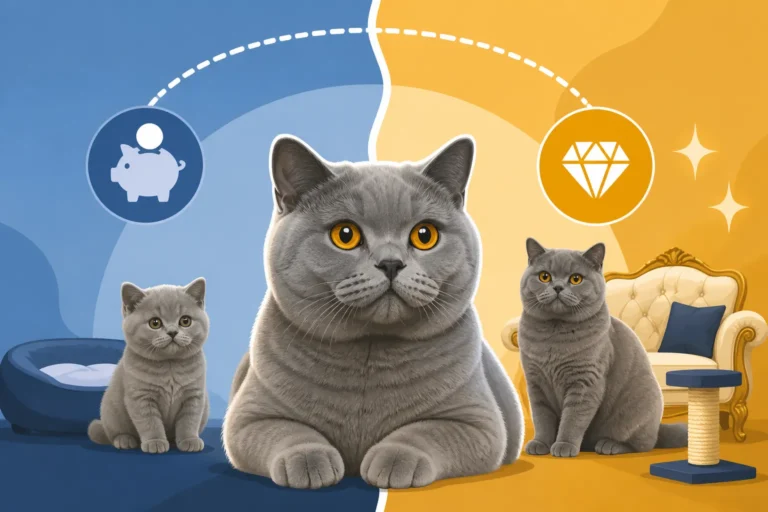
This focused breeding effort, driven by decades of public preference and the breed's iconic image, paradoxically makes blue British Shorthairs more available in the market, not rarer. However, the high demand for them often translates into a higher price point. People are willing to pay more for the classic, iconic look they've always envisioned, leading to a premium. This is why the blue premium (Why a British Blue Costs More Than Any Other Color) is more about market forces than genetic scarcity. Breeders invest significant time, effort, and resources into health screening, ensuring good temperament, and adhering to breed standards, so it's understandable that popular colors reflecting this work might carry a higher price.
The Role of Demand in Pricing and Availability
The perception of rarity often drives demand, which in turn can influence pricing, even if the genetic reality doesn't align. When prospective owners are set on a specific "look" – that classic blue teddy bear cat – they create a strong market for that color. This isn't unique to British Shorthairs; similar dynamics play out in many purebred animal markets.
So, while blue British Shorthairs aren't genetically rare, they are highly sought after. This strong demand, coupled with the breed's historical association with the color, means breeders can often ask a higher price for them. It’s not because they're harder to produce, but because so many people want them. When considering getting a British Shorthair, regardless of color, understanding What a British Shorthair Kitten Costs From a Breeder can help you set realistic expectations for your budget. Remember to always prioritize health testing and responsible breeding practices over just chasing a specific color or a lower price point. When you bring your kitten home, a well-balanced diet can make a significant difference, just as planning for unexpected vet bills with insurance is a wise move for any cat owner.
In conclusion, while the blue British Shorthair is undeniably a stunner and holds a special place in the breed's history and public imagination, it is not actually rarer than its diverse counterparts from a genetic perspective. Its iconic status and high demand are the primary drivers behind any perceived rarity or higher price point. What truly matters is finding a healthy, well-socialized kitten from a reputable breeder, regardless of its coat color.
Disclaimer
This article is for general informational purposes only and does not constitute professional advice. Laws, prices and regulations vary by location and change over time. Consult a qualified professional for guidance on your specific situation.