What Portion Controlled Food Costs a British Shorthair Owner
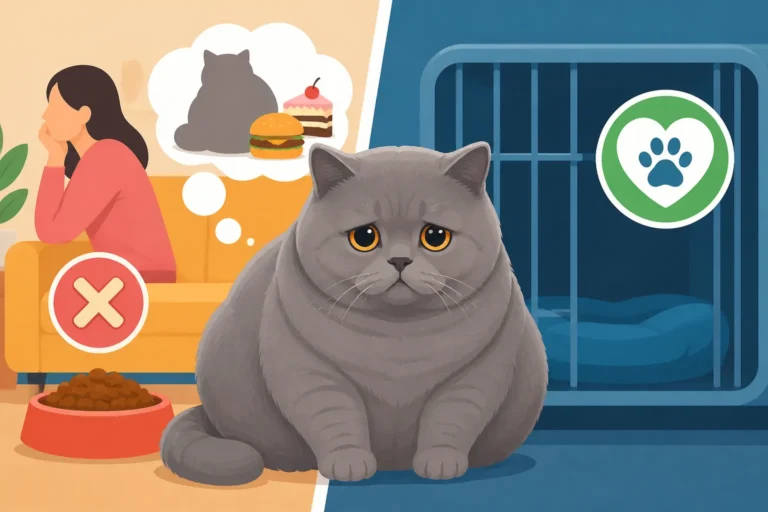
It’s a common frustration for British Shorthair owners: you adore their robust build and plush teddy bear looks, but it’s incredibly easy for that adorable chunkiness to tip over into unhealthy weight gain. The challenge isn't just what you feed them, but how much, and mastering portion control is key to their long-term health and your peace of mind. This comprehensive guide will break down the costs associated with portion-controlled feeding for your British Shorthair, from the food itself to the tools and vet visits that support a healthy weight.
The British Shorthair's Unique Relationship with Food
British Shorthairs are magnificent creatures, known for their calm demeanor and sturdy, rounded appearance. However, these very traits can make them surprisingly susceptible to packing on extra pounds. Understanding this predisposition is the first step toward effective portion control and managing the associated costs.
Why British Shorthairs Are Prone to Weight Gain
Let's be honest, British Shorthairs are not known for their Olympic athleticism. They are generally quite docile, preferring a cozy nap on the sofa to an energetic chase session. This lower activity level means they simply don't burn as many calories as more active breeds. Couple that with their naturally robust bone structure and dense coat, which can easily hide early signs of weight gain, and you have a recipe for unintentional chubbiness. Many owners also find their British Shorthair incredibly food-motivated, seemingly always ready for another nibble, which doesn't help matters. It's a real struggle for many owners, feeling like their cat is constantly hungry.
This tendency means that what might be a reasonable amount of food for a highly active cat could quickly lead to an overweight British Shorthair. If you're curious about this, we've explored further Why a British Shorthair Gains Weight So Easily. Their genetic makeup and breeding history have shaped them into a cat that easily stores energy, a trait that was once beneficial for their ancestors but now requires careful management in a domestic setting.
The Health Risks of an Overweight British Shorthair
While a bit of extra fluff might look cute, the reality is that obesity is a serious health threat for any cat, and British Shorthairs are no exception. The costs associated with treating obesity-related conditions far outweigh the investment in portion-controlled feeding. Overweight cats are at a significantly higher risk for a range of debilitating issues. For instance, the added strain on their skeletal system can exacerbate or lead to joint problems, as discussed in What Obesity Does to a British Shorthair's Joints.
Beyond joint pain, metabolic disorders like Diabetes in a British Shorthair become a much greater concern. Imagine the ongoing costs of insulin, special diets, and regular vet visits – it can quickly become overwhelming. Furthermore, obesity can lead to fatty liver disease (hepatic lipidosis), urinary tract issues, and even complicate anesthesia for routine procedures. It truly affects their overall quality of life and, unfortunately, can significantly impact How Much Obesity Shortens a British Shorthair's Life. Preventing these conditions through proper diet is not just about saving money; it's about giving your beloved companion the longest, healthiest life possible.
Understanding Portion Control and Its Immediate Costs
Implementing portion control for your British Shorthair isn't just about choosing a "diet" food; it's a fundamental shift in how you manage their daily intake. This often involves some initial costs for tools and a conscious decision about the type of food you'll be feeding.
The Cost of Measuring Tools and Smart Feeders
At its most basic, portion control requires a simple, accurate measuring cup or a kitchen scale. A standard measuring cup might cost you very little, but for true accuracy, especially with varied kibble sizes, a digital kitchen scale is invaluable. These can range from budget-friendly options to more sophisticated models with tare functions, allowing you to weigh food precisely in the bowl.
For busy households, or cats who are particularly persuasive about demanding food, an automatic feeder can be a game-changer. These feeders dispense pre-set portions at scheduled times, taking the guesswork and the "pester power" out of feeding. Basic models with timers and single-meal dispensing are more affordable, while advanced versions can offer multiple meals a day, slow-feed options, voice recording features, and even smartphone connectivity. Some high-tech feeders even read your cat's microchip, ensuring only the intended cat gets its meal – a lifesaver in multi-cat homes where one cat might be on a special diet. While the upfront cost for these can be a bit higher, they offer consistency and prevent overfeeding, which can be priceless for managing a British Shorthair's weight.
The Initial Investment in Quality Portion-Controlled Food
When you commit to portion control, you're not necessarily buying a "special" food, but rather consciously selecting a high-quality food that supports healthy weight management. This initial investment involves choosing a food with appropriate calorie density and nutritional balance for a less active breed.
Consider the calorie content per serving and how that aligns with How Many Calories a British Shorthair Needs. Often, higher quality foods, while sometimes having a higher price per bag, can actually be more cost-effective in the long run because your cat needs less of it to feel full and get adequate nutrition. This isn't just about filling their tummy; it's about providing nutrient-dense meals that support their overall health without excess calories. Websites like Chewy offer a vast selection of cat foods, making it easier to compare nutritional information and find a suitable option that supports portion control goals. The initial outlay for a larger bag of a premium kibble might seem significant, but remember, you're buying health, not just calories.
Breaking Down the Monthly Costs of Portion-Controlled Diets
Once you have your measuring tools, the ongoing expense of portion control lies primarily in the food itself. The monthly cost can vary significantly depending on the type and quality of food you choose for your British Shorthair.
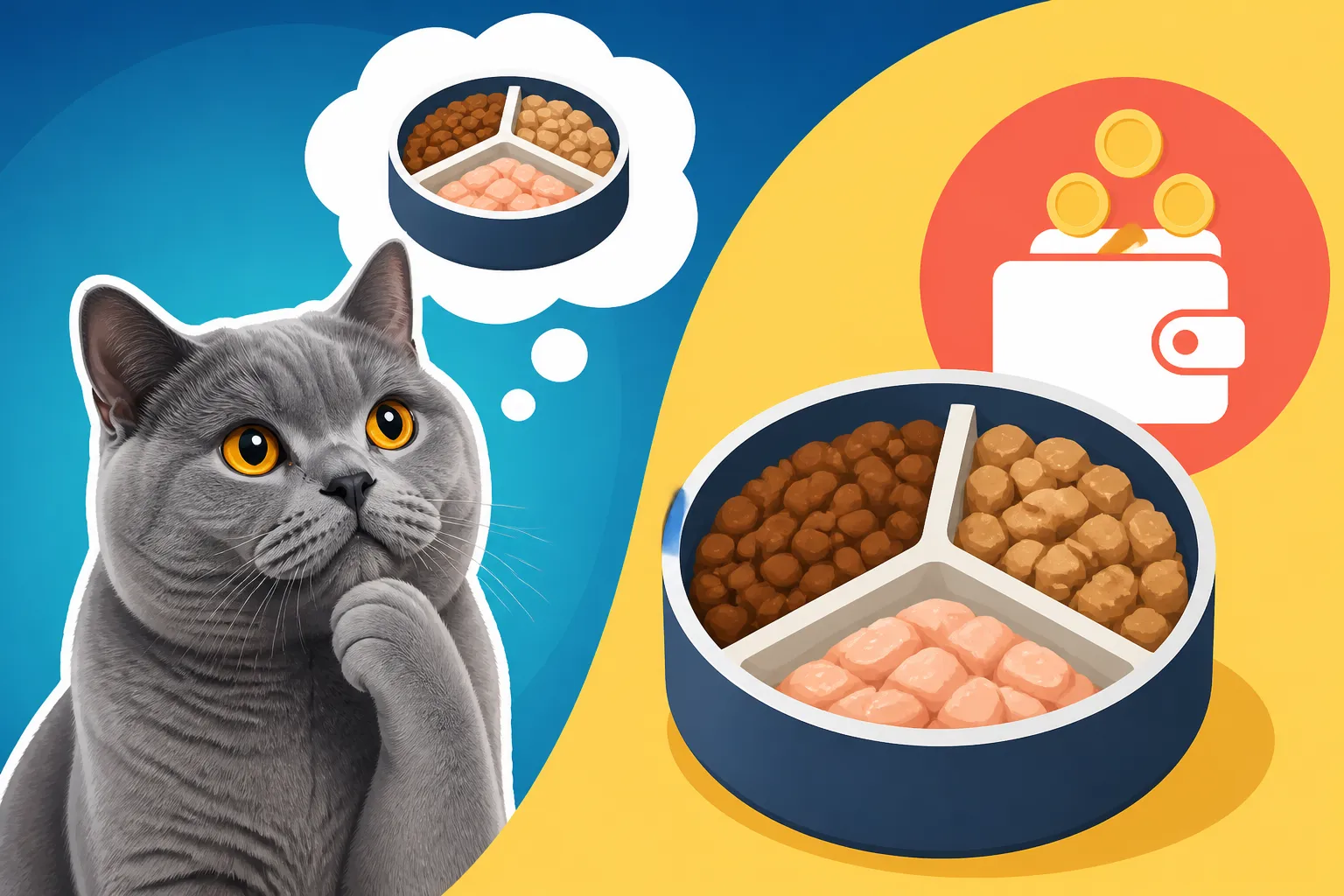
Dry Kibble vs. Wet Food: Price Points and Benefits
The choice between dry kibble and wet food, or a combination of both, profoundly impacts your monthly budget.
-
Dry Kibble: Generally, dry kibble is the most economical option. A large bag can last a British Shorthair for weeks, especially when portions are carefully measured. Quality kibble formulated for indoor or less active cats often has a balanced nutritional profile designed to prevent obesity. However, it's crucial to select a reputable brand with good protein content and fewer fillers. The primary benefit, besides cost, is convenience and dental health support (though not a substitute for brushing!). When portioned correctly, dry food can be very effective in weight management. But the downside is its lower moisture content, so ensuring your British Shorthair drinks enough water is vital.
-
Wet Food: Wet food tends to be more expensive per serving than dry kibble, but it offers a significant advantage for weight management: higher moisture content. This helps cats feel fuller with fewer calories, which is fantastic for a British Shorthair trying to shed a few pounds or maintain a healthy weight. Many veterinarians recommend incorporating wet food into the diet for this reason, and to support urinary tract health. You'll typically pay more for cans or pouches, and a larger British Shorthair might need several servings a day, increasing the monthly outlay. However, the benefits in satiety and hydration can make the extra cost worthwhile, especially if your cat struggles with overeating on dry food alone.
Many owners find a mixed diet to be a good compromise, offering the benefits of both while keeping costs manageable. For instance, a measured portion of high-quality dry food for breakfast and a small can of wet food for dinner can provide variety and help with satiety.
Prescription Diets for Weight Management: A Deeper Dive into Costs
Sometimes, simple portion control with over-the-counter food isn't enough, especially if your British Shorthair is already significantly overweight or has specific health concerns. In these cases, your veterinarian might recommend a prescription weight management diet. This is a common step for cats who need serious intervention, and we discuss this more in When a Vet Puts a British Shorthair on a Prescription Diet.
These specialized foods are formulated with precise calorie counts, high protein to maintain muscle mass during weight loss, and often added fiber to help cats feel full. They are usually only available through veterinary clinics or with a vet's authorization from online retailers. The cost of prescription diets is typically higher than standard commercial cat foods due to their specialized formulation and research. You'll find both dry and wet options, with wet food generally being the more expensive of the two. While the sticker price might be daunting, remember that this is a therapeutic diet designed to address a medical issue, and the investment can prevent far more expensive health complications down the line. It's a proactive measure that can save you significant money in future veterinary bills.
Fresh and Custom Meal Services: The Premium Option
For those seeking the ultimate in controlled nutrition and willing to invest more, fresh and custom meal services are emerging as a popular choice. These services provide pre-portioned, human-grade food delivered directly to your door. These services meticulously calculate your cat's caloric needs based on their age, weight, activity level, and target weight, delivering meals that are precisely tailored.
The cost for such services is definitely at the higher end of the spectrum compared to traditional kibble or even most wet foods. You're paying for convenience, personalization, and often, higher quality ingredients. For a British Shorthair, this might mean several servings a day of fresh, gently cooked food. While this option represents a significant monthly expense, it removes all guesswork from portion control and can be incredibly beneficial for cats with sensitive stomachs or specific dietary needs, or for owners who want to provide the freshest possible diet. The benefits include potentially better digestion, coat health, and easier weight management due to the precise caloric control and often higher moisture content.
Here's a general comparison of monthly food costs for a British Shorthair on a portion-controlled diet, keeping in mind these are approximate ranges:
| Food Type | Typical Monthly Cost Range (Approx.) | Key Benefits | Considerations |
|---|---|---|---|
| Standard Dry Kibble (Portion-controlled) | Low to Mid-range | Economical, convenient, dental benefits, long shelf life | Lower moisture, requires careful measurement |
| Quality Wet Food (Portion-controlled) | Mid to High-range | High moisture, increased satiety, supports urinary health | More expensive, shorter shelf life once opened, storage |
| Mixed Diet (Kibble + Wet) | Mid-range | Combines benefits, variety, good satiety | Requires careful calculation of combined calories |
| Prescription Weight Loss Diet | High-range | Therapeutically formulated, vet-recommended, effective weight loss | Higher cost, usually requires vet approval |
| Fresh/Custom Meal Services | Premium | Human-grade, precisely portioned, personalized, high moisture | Highest cost, delivery schedule, storage in fridge/freezer |
Note: Specific costs will vary widely based on brand, ingredient quality, regional pricing, and any current promotions.
Long-Term Savings and Health Benefits of Portion Control
While implementing portion control might involve an upfront investment in tools and a potentially higher monthly food bill, the long-term financial and health benefits for your British Shorthair are profound. It's truly an investment in their future.
Avoiding Costly Obesity-Related Health Issues
The single biggest financial saving from strict portion control comes from preventing the cascade of health problems associated with obesity. We've already touched upon the potential for joint issues and diabetes, but the list goes on. Managing diabetes, for example, involves ongoing costs for insulin, syringes, specialty diets, glucose monitoring equipment, and frequent veterinary check-ups. Arthritis management can mean expensive medications, joint supplements, and potentially even specialized therapies or surgeries.
Consider what might be involved if your cat developed a serious condition: emergency vet visits, diagnostic tests (blood work, X-rays, ultrasounds), hospital stays, and long-term medications. These costs can quickly accumulate into thousands of dollars, far exceeding the extra you might spend on quality, portion-controlled food. By keeping your British Shorthair at a healthy weight, you are actively minimizing the risk of these debilitating and expensive conditions. It's a foundational preventative measure that pays dividends in both your wallet and your cat's well-being.
Extending Your British Shorthair's Lifespan Through Proper Nutrition
Beyond avoiding illness, maintaining a healthy weight through portion control directly contributes to a longer, more vibrant life for your British Shorthair. Cats at an ideal weight generally have better mobility, higher energy levels, and a stronger immune system. They can enjoy playtime more, explore their environment comfortably, and simply experience a higher quality of life for more years. We all want our furry family members to be with us as long as possible, and proper nutrition is a cornerstone of that wish.
A British Shorthair with a healthy body condition will likely have fewer vet visits for chronic issues, requiring only routine preventative care like vaccinations and annual check-ups. This translates to a more predictable and manageable budget for their care over their lifespan. It's a testament to the fact that investing in good nutrition isn't just about food; it's about investing in precious years and countless happy memories with your beloved companion.
Making Portion Control Work for Your Budget
Committing to portion control doesn't have to break the bank. With a little planning and smart shopping, you can provide your British Shorthair with the nutrition they need to thrive without overspending.
Smart Shopping Strategies for British Shorthair Food
One of the best ways to manage food costs is to be a savvy shopper. Buying larger bags of dry food, if your cat tolerates the specific brand and flavor, often results in a lower cost per pound. Keep an eye out for sales and loyalty programs from pet supply stores or online retailers. Subscribing to auto-ship services on platforms like Chewy can often net you a discount, and ensures you never run out of food, preventing last-minute, higher-priced purchases.
Compare prices per calorie, not just per bag or can. A slightly more expensive food might actually be more economical if it's more nutrient-dense and your cat needs smaller portions of it to meet their caloric needs. Don't forget to factor in shipping costs for online orders. Sometimes, a local pet store sale, especially for wet food or smaller items, might be more cost-effective. Being informed and proactive about your purchases can significantly impact your monthly budget for portion-controlled British Shorthair food.
The Value of Veterinary Guidance and Regular Check-ups
Your veterinarian is your most valuable partner in achieving and maintaining your British Shorthair's healthy weight. Regular check-ups are crucial, not just for vaccinations, but for monitoring their weight and overall body condition. During these visits, your vet can accurately assess What a Healthy British Shorthair Weighs on the Scale and advise on ideal portion sizes based on their individual metabolism and activity level. This guidance is especially important when you're starting How to Put a British Shorthair on a Diet.
While there is a cost associated with these vet visits – and you can look into What a British Shorthair's Yearly Weigh In Costs – consider it an essential investment. Your vet can provide specific recommendations for calorie intake, suggest appropriate weight-management foods, and even help rule out any underlying medical conditions contributing to weight gain. Their expert advice ensures your portion control efforts are safe and effective, potentially preventing missteps that could lead to health issues or wasted money on unsuitable diets. It’s part of a holistic approach to their health and saves money in the long run.
Beyond the Bowl: Other Expenses Influenced by Diet
The costs associated with a British Shorthair's diet extend beyond just the food itself. A cat's weight and nutritional status can influence other aspects of their care, adding to or subtracting from your overall ownership expenses.
Increased Activity and Enrichment Costs
A British Shorthair on a controlled diet might need a bit more encouragement to move. Since they're naturally quite sedentary, getting them to burn calories often requires proactive effort from you. This can translate into costs for engaging toys, like interactive puzzle feeders or wand toys that inspire them to chase and pounce. A sturdy cat tree designed for a heavier cat is also a good investment, even if they aren't champion climbers, as it provides vertical space and encourages some movement. We've discussed how to engage them more in Getting a Low Energy British Shorthair to Move.
While some toys are inexpensive, investing in durable, stimulating enrichment items helps keep your British Shorthair active and mentally engaged. This might include an automatic laser pointer, or a variety of crinkle balls and soft mice to keep things interesting. The goal is to make exercise fun, so they don't simply "give up" on their diet or become bored. These items are technically part of their enrichment, but they become even more critical when managing their weight.
Pet Insurance and Preventive Care Savings
The decision to invest in pet insurance can also be influenced by your commitment to portion control. A healthy British Shorthair, maintained at an ideal weight, is less likely to develop chronic conditions that would necessitate expensive claims down the road. While companies like Healthy Paws are there to help with unexpected illnesses and accidents, actively preventing conditions like diabetes or severe arthritis through diet means you might make fewer claims, potentially keeping your premiums more stable over time.
Many pet insurance policies have waiting periods or exclusions for pre-existing conditions, so preventing obesity-related illnesses from developing in the first place is the best strategy. Furthermore, some wellness plans offered by insurers or veterinary clinics might cover routine check-ups and diagnostic tests, which are essential for monitoring your British Shorthair's weight and overall health. By keeping your cat lean and fit, you’re maximizing the value of your insurance and reducing the likelihood of facing those heartbreaking, high-cost health emergencies that often stem from a lifetime of being overweight. It's an important aspect of Insuring a British Shorthair to consider.
Disclaimer
This article is for general informational purposes only and does not constitute professional advice. Laws, prices and regulations vary by location and change over time. Consult a qualified professional for guidance on your specific situation.