Why British Shorthair Prices Range So Widely
It's incredibly common to feel a little bewildered when you first start looking into bringing a British Shorthair into your home and you see the vast, sometimes shocking, difference in prices. You might see one kitten advertised for a seemingly reasonable amount, while another from a different breeder demands a sum that makes your eyes water. This article is here to demystify why British Shorthair prices can range so widely, helping you understand the true value and what you should expect to pay for a healthy, well-socialized companion.
Understanding the Base Price of a British Shorthair Kitten
The initial price tag on a British Shorthair kitten isn't just a number pulled out of thin air; it's a reflection of a complex set of factors that contribute to the quality, health, and welfare of the kitten you're considering. Many prospective owners are surprised by the variation, thinking a cat is a cat, but with a pedigree breed, there's a significant investment that goes into producing a truly well-bred animal. This foundational cost sets the stage for everything else.
The Impact of Breeder Reputation and Ethics
A reputable breeder isn't just someone who has kittens available; they are dedicated individuals who invest heavily in the breed's health, temperament, and genetic integrity. This commitment translates directly into the price of their kittens. Ethical breeders maintain excellent facilities, provide top-notch nutrition for their breeding cats and kittens, and ensure all animals receive regular veterinary care, including vaccinations and deworming. They often show their cats to ensure they meet breed standards, which also costs money in entry fees, travel, and grooming. These breeders are also your first line of support and education, providing invaluable guidance throughout your cat's life. They stand by their kittens with health guarantees, offering peace of mind that a cheaper, less scrupulous source simply cannot provide.
Conversely, a "backyard breeder" or a kitten mill, driven solely by profit, will cut every possible corner. They might breed cats indiscriminately, house them in unsanitary conditions, and provide minimal veterinary care. The lower price tag might seem appealing upfront, but it often means you're buying a kitten whose health and genetic background are unknown, and whose early life experiences might have left them fearful or undersocialized. The lack of a strong ethical foundation in their breeding practices inevitably leads to a lower quality, and ultimately, a potentially more expensive outcome for you in the long run.
Regional Differences in British Shorthair Pricing
Just like real estate or living expenses, the cost of a British Shorthair kitten can fluctuate significantly based on geographical location. In areas with a high demand for specific breeds, or where the cost of living and veterinary services are higher, you can naturally expect kitten prices to be elevated. Major metropolitan areas or regions known for a thriving purebred cat community often see higher prices compared to more rural or less populated locales.
The availability of reputable breeders in a given area also plays a role. If there are only a few established British Shorthair breeders in a particular state or country, they might command higher prices due to less competition and the quality of their stock. Importing a kitten from another region or country can also add substantial costs, including transportation fees, customs, and potential quarantine periods, further widening the price range for potential owners. It’s important to research breeders within a reasonable travel distance, but don’t be afraid to look a little further afield if a breeder truly stands out for their ethics and health practices.
How Health Screening Influences British Shorthair Cost
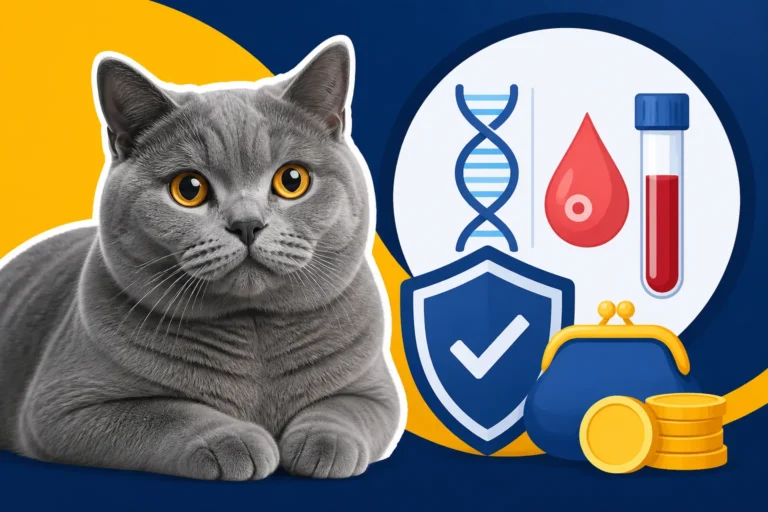
One of the most critical factors impacting the price of a British Shorthair is the health screening undertaken by the breeder. This isn't just a nice-to-have; it's an absolutely essential part of responsible breeding. Skipping these screenings might lower the upfront cost of a kitten, but it almost guarantees a future filled with emotional and financial strain for the new owner. Many prospective British Shorthair parents might not fully appreciate the extent of these preventative measures, which is why transparency from a breeder is so vital.
The Non-Negotiable Health Tests
For British Shorthairs, there are a few health screenings that truly should be considered non-negotiable. The most prominent among these is screening for Hypertrophic Cardiomyopathy (HCM), a genetic heart condition common in many cat breeds, including British Shorthairs. Since there is no specific DNA test for HCM in British Shorthairs, reputable breeders rely on regular cardiac ultrasounds (echocardiograms) performed by a board-certified veterinary cardiologist. A breeder should be able to show you "The Yearly Echo That Replaces a British Shorthair Gene Test" for both parents, demonstrating a clear bill of health. These echoes are not cheap and need to be performed annually on breeding cats, adding a significant ongoing expense for the breeder.
Another crucial test is for Polycystic Kidney Disease (PKD). While a DNA test for PKD1 is available and widely used, historically, PKD came into the British Shorthair through outcrossing with Persians. Reputable breeders ensure their cats are DNA tested clear for PKD. Similarly, blood typing is essential for breeding cats to prevent neonatal isoerythrolysis, a fatal condition in kittens. Knowing "What Blood Type B Means in a British Shorthair" and how it can affect offspring is critical for breeders. These genetic tests and screenings provide a baseline of health and significantly reduce the risk of passing on debilitating conditions, which is why you'll see a reflection of these costs in a kitten's price. If a breeder can't or won't provide proof of these screenings for their breeding cats, that's a serious red flag. You should always ask "Which Tests the British Shorthair Health Panel Covers".
The Hidden Costs of an Unscreened Kitten
It’s tempting to choose the seemingly cheaper kitten from a breeder who skimps on health screenings, but this is a classic "penny wise, pound foolish" scenario. The money saved upfront often pales in comparison to the potential veterinary bills you could face if your kitten develops a serious genetic condition later in life. Imagine the heartbreak and financial strain of diagnosing HCM in your beloved British Shorthair, or dealing with kidney failure due to PKD, all because essential screenings were bypassed.
These conditions often require ongoing, expensive treatments, special diets, and frequent veterinary visits. For example, managing a cat with heart disease can involve multiple medications, follow-up echocardiograms, and potentially emergency care. An owner could easily spend thousands on a cat that was initially "cheap" but came from un-tested lines. This is why many experienced owners strongly recommend pet insurance from providers like Healthy Paws, even for well-bred kittens, but especially if you are concerned about potential inherited conditions. Investing in a kitten from fully health-tested parents is arguably the most cost-effective decision you can make for your future cat's well-being and your own peace of mind.
Color, Pattern, and Pedigree: Aesthetic Factors in Pricing
Beyond health and responsible breeding practices, certain aesthetic qualities and the cat's lineage can also significantly influence the price of a British Shorthair kitten. While temperament and health should always be paramount, it's undeniable that visual appeal and pedigree status play a role in market value.
The Premium on Popular Colors
The classic British Blue is perhaps the most iconic color for the British Shorthair, and due to its popularity and widespread recognition, it often commands a premium. People associate the British Shorthair with that distinctive solid blue-grey coat, and the demand drives the price. However, other rare or trending colors and patterns can also fetch higher prices. For example, highly sought-after colors like golden shaded or cinnamon can be significantly more expensive due to their rarity and the specific breeding required to produce them consistently. "What a Golden British Shorthair Costs" might surprise some prospective owners.
Breeders who specialize in these less common colors often invest years into developing their lines, carefully selecting parent cats to achieve specific genetic traits for coat color and pattern. This specialized breeding, combined with the inherent rarity of certain genetics, means fewer kittens are available in these desirable shades, naturally increasing their market value. The uniqueness and visual appeal become part of the kitten's perceived value, contributing to the broader price range seen across the breed. Don't be surprised if "Which British Shorthair Colors Cost the Most" is not always the blue one!
Show Quality vs. Pet Quality
Another major differentiator in price is whether a kitten is deemed "show quality" or "pet quality." A show quality kitten is one that closely adheres to the breed standard set by feline registries like the CFA or TICA. This means they possess the ideal head shape, eye color, coat texture, body type, and overall conformation that would make them competitive in cat shows. Breeders invest countless hours and resources into producing kittens of this caliber, often traveling extensively to find suitable breeding partners and showing their own cats to earn champion titles, which adds prestige to their cattery.
Pet quality kittens, while still purebred and just as wonderful companions, might have minor imperfections that prevent them from excelling in the show ring. Perhaps their ears are a touch too large, their eye color isn't quite the perfect shade of copper, or their coat texture isn't ideal. These slight deviations from the breed standard don't affect their health or their ability to be a loving family member, but they do mean a lower price. Most British Shorthair buyers are looking for a beloved pet, not a show champion, so a pet quality kitten offers the same wonderful temperament and appearance (to the untrained eye) at a more accessible price point. A reputable breeder will openly discuss the differences and guide you toward a kitten that best fits your intentions and budget.
The Lifelong Investment Beyond the Initial Purchase
The sticker price of a British Shorthair kitten is just the beginning of your financial commitment. While it’s the most visible cost upfront, it’s crucial to understand that owning any pet, especially a purebred cat, involves a significant ongoing investment. Skimping on the day-to-day care can be just as detrimental as choosing an unscreened kitten, leading to health issues and a diminished quality of life for your feline companion. This long-term perspective is vital for responsible pet ownership.
Food, Supplies, and Veterinary Care
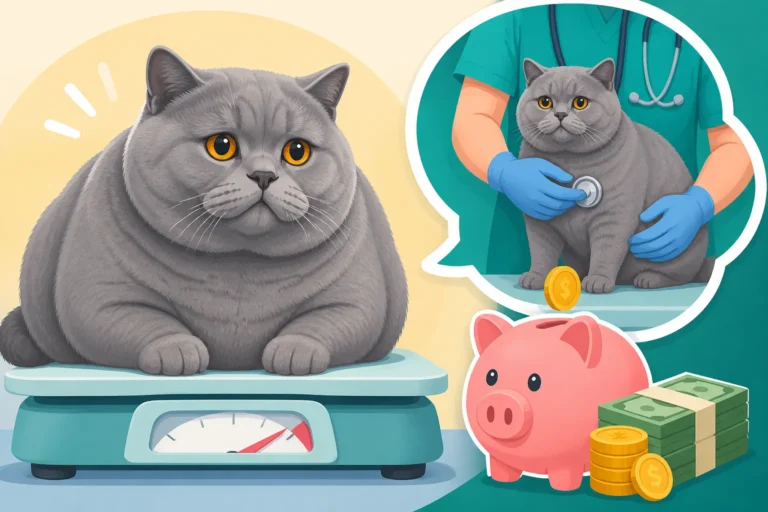
Once your British Shorthair kitten comes home, the recurring expenses begin immediately. High-quality food is paramount for a British Shorthair's health and dense coat. Given their propensity to gain weight easily, portion control and choosing appropriate food are key. Brands available on sites like Chewy offer a wide range of premium foods that cater to different life stages and dietary needs, including specific formulations for weight management. Some owners opt for fresh food diets, which can be a higher monthly expense but offer tailored nutrition. These choices can significantly impact your monthly budget.
Beyond food, you'll need a myriad of supplies: a sturdy, large litter box (or several, given their size!), high-quality litter, grooming tools like a steel comb to manage their plush coat, scratching posts, and engaging toys to encourage their typically low-energy nature. Regular veterinary check-ups, vaccinations, and parasite prevention are also essential. "What a British Shorthair's Yearly Bloodwork Should Cover" and general wellness exams are fundamental to catching potential issues early. Remember, a British Shorthair can live for twelve to seventeen years, so these costs compound over a significant period.
Insurance and Emergency Funds
Even with the best breeding and diligent care, unforeseen medical emergencies can arise, and this is where pet insurance or a dedicated emergency fund becomes invaluable. British Shorthairs, like any breed, can develop health issues over their lifespan. While reputable breeders minimize the risk of genetic conditions, accidents, sudden illnesses, or age-related ailments like arthritis or hyperthyroidism are always possibilities. The cost of emergency veterinary care, complex diagnostics, or specialized treatments can easily run into thousands of dollars, presenting a significant financial burden if you're unprepared.
Pet insurance, from providers such as Healthy Paws, can help mitigate these costs by covering a portion of unexpected veterinary bills. While it adds a monthly premium, it offers peace of mind. Alternatively, building an emergency savings fund specifically for your cat's health needs is a wise decision. Thinking through "What a British Shorthair Owner Should Bank for a Clot" or other acute conditions upfront allows you to focus on your cat's recovery rather than financial stress during a crisis. Understanding "What the First Year With a British Shorthair Costs" and planning for the long term is a mark of a truly responsible owner.
Avoiding Pitfalls: When a Low Price Is a Red Flag
It's natural to look for a good deal, especially when the upfront cost of a British Shorthair kitten can be quite substantial. However, when it comes to living creatures, a price that seems too good to be true almost always is. Understanding these warning signs can save you from a great deal of heartache and financial strain in the long run. The allure of a bargain can blind even the most well-intentioned buyer to critical red flags that signal trouble down the road.
Backyard Breeders and Unregistered Catteries
The most common source of suspiciously low-priced British Shorthair kittens is usually backyard breeders or individuals operating unregistered catteries. These sellers often lack proper knowledge of genetics, breed standards, or feline health. They breed their cats without a clear plan, often for quick profit, with little regard for the welfare of the parents or the kittens. They typically won't perform necessary health screenings like HCM echocardiograms or PKD DNA tests, claiming ignorance or dismissing their importance. This lack of preventative care immediately slashes their operational costs, allowing them to offer kittens at a fraction of a reputable breeder's price.
You might find these kittens advertised online in general marketplaces, often without detailed health information or parentage records. They may also sell kittens too young, before they are properly weaned or vaccinated. A true reputable breeder will be registered with a feline association (like CFA, TICA, or GCCF), adhere to their code of ethics, and provide extensive documentation. If a seller offers a British Shorthair kitten for a price that feels significantly below average without any explanation or proof of health testing, it's a huge warning sign that you might be dealing with an unethical operation. Always remember "What a British Shorthair Sold Under a Thousand Signals"—it’s usually a signal that important corners have been cut.
The True Cost of "Cheap"
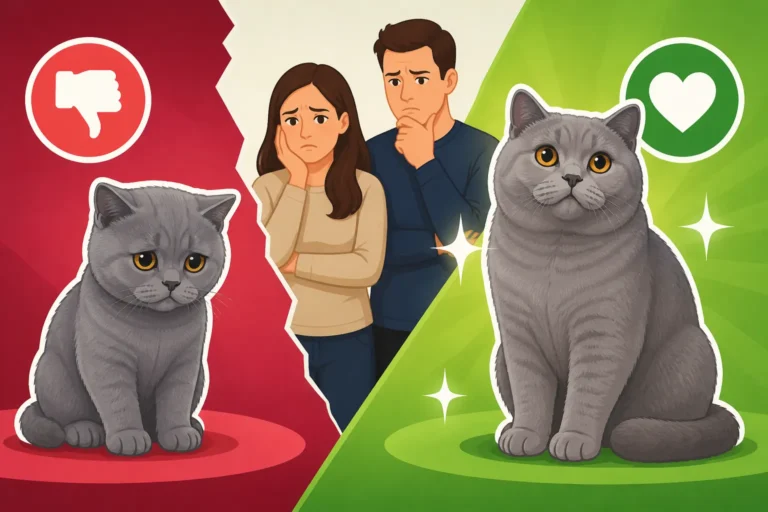
While the initial price might be low, the true cost of a "cheap" British Shorthair kitten can quickly escalate and far exceed the savings. Kittens from irresponsible breeders are much more prone to genetic health problems that were not screened for in their parents, leading to expensive veterinary bills later in life. They might also suffer from internal parasites, infectious diseases like feline herpes or panleukopenia (due to poor hygiene or lack of vaccinations), or develop behavioral issues from inadequate socialization or early separation from their mother.
Imagine buying a kitten for a significantly reduced price, only to discover a few months later that it has a severe heart condition, requiring lifelong medication and specialized vet visits. Or a kitten riddled with parasites that take multiple vet visits and treatments to resolve. These situations are not uncommon with poorly bred animals. The emotional toll of nursing a sick pet, coupled with the financial strain, quickly erodes any perceived savings from the initial low purchase price. Investing in a kitten from a reputable breeder, though more expensive upfront, is an investment in health, temperament, and a lifetime of joy, ultimately offering far better value. When considering "Whether a British Shorthair Is Worth the Money," it’s these long-term considerations that really count.
Price Factors for a British Shorthair Kitten
| Factor | Reputable Breeder | Backyard Breeder/Kitten Mill | Impact on Price |
|---|---|---|---|
| Health Screening | Extensive (HCM echoes, PKD DNA, blood typing, general vet checks for parents) | Minimal to none (may claim to be healthy without proof) | Higher |
| Breeder Reputation/Ethics | Registered, experienced, transparent, provides support, health guarantee | Unregistered, profit-driven, no support, no guarantees | Higher |
| Pedigree/Lineage | Documented champion lines, extensive family history provided | Undocumented, unknown ancestry, often mixed or mislabeled | Higher |
| Temperament/Socialization | Raised in home, handled daily, exposed to household noises, well-socialized | Minimal interaction, often nervous or fearful kittens | Higher |
| Inclusions | Vaccinations, deworming, microchip, spay/neuter contract, food sample | Often only kitten, maybe first shots, no contract | Higher |
| Kitten Quality | Show quality (meets breed standard closely) or pet quality (minor flaws) | Variable, often not true to type, potential health issues hidden | Show quality is highest |
| Color/Pattern | Classic blue, rare colors (golden, cinnamon), or popular patterns (silver tabby) | Basic, common colors, often without proper genetic understanding | Rarer/popular colors are higher |
| Location | High demand areas, regions with higher vet/living costs | Rural areas, less demand, often sold in informal settings | Variable |
Ultimately, the wide range in British Shorthair prices is a direct reflection of the varying levels of care, investment, and ethical practices involved in their breeding. From the foundational costs of excellent nutrition and pristine facilities to the crucial, ongoing health screenings for genetic conditions like HCM and PKD, every aspect contributes to the final figure. Aesthetic factors like rare colors or show-quality conformation can further elevate the price, but these should always be secondary to health and temperament. The initial sticker shock of a higher-priced kitten from a reputable breeder is often an investment in preventing far greater emotional and financial costs down the road, ensuring you bring home a healthy, happy companion ready for a long and wonderful life with you.
Disclaimer
This article is for general informational purposes only and does not constitute professional advice. Laws, prices and regulations vary by location and change over time. Consult a qualified professional for guidance on your specific situation.