What Yearly Echoes Cost a British Shorthair Owner Without a DNA Shortcut
It's a stark reality for many British Shorthair owners: the deep worry that comes with knowing their beloved, plush companion could be silently developing a serious heart condition. Unlike some other breeds, there's no simple DNA test to give you peace of mind, which means regular, often costly, echocardiograms become a lifelong commitment. This comprehensive guide is here to break down what these essential yearly heart screenings entail and, crucially, what they truly cost a British Shorthair owner over their cat's lifetime.
Why British Shorthair Hearts Need So Much Attention
Owning a British Shorthair is a joy, with their calm demeanor and adorable teddy bear looks. But beneath that dense, beautiful coat lies a susceptibility to a particular heart condition that requires diligent monitoring. It’s not just a concern for breeders; every single pet owner of this wonderful breed needs to be aware.
The Shadow of HCM: A Silent Threat
Hypertrophic Cardiomyopathy, or HCM, is the most common heart disease in cats, and unfortunately, British Shorthairs are particularly prone to it. This condition causes the muscular walls of the heart, specifically the left ventricle, to thicken. As the walls thicken, the heart has to work much harder to pump blood, and the chambers become smaller, reducing the amount of blood the heart can hold and eject with each beat. This isn't just a minor issue; it progressively impacts the heart's efficiency.
What makes HCM so insidious, especially in British Shorthairs, is its often silent nature. Cats are masters at hiding illness, and a British Shorthair with early-stage HCM might show no outward symptoms at all. You could be cuddling your purring companion, completely unaware that their heart is slowly changing. The first signs might be subtle lethargy, a slight change in breathing, or a loss of appetite, often dismissed until the disease is quite advanced. This is why proactive screening, even when your cat appears perfectly healthy, is absolutely paramount for our stocky little friends. You can learn more about What HCM Does to a British Shorthair's Heart.
Why There's No Easy DNA Fix for British Shorthair HCM
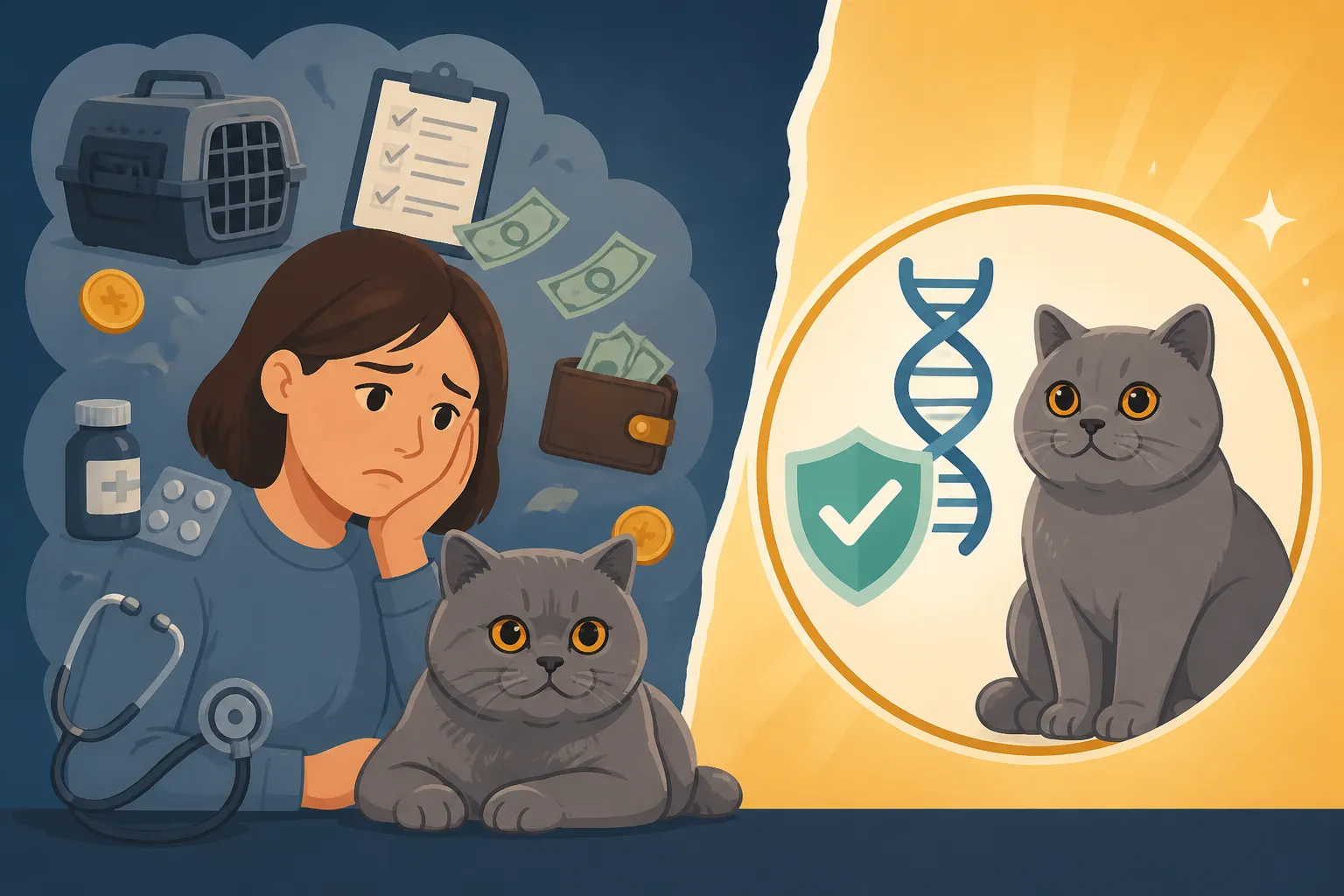
Many cat breeds susceptible to HCM, such as Maine Coons and Ragdolls, have a known genetic mutation that can be identified with a simple DNA test. This allows breeders to screen their cats and make informed decisions to reduce the incidence of the disease. However, for the British Shorthair, this isn't the case. While HCM is prevalent in the breed, the specific genetic markers responsible have not been identified. This means that a DNA test for HCM in British Shorthairs simply does not exist. It's a frustrating reality for both conscientious breeders and concerned pet owners.
This lack of a DNA test is precisely why the echocardiogram becomes the cornerstone of heart health management for British Shorthairs. Without a genetic shortcut, regular physical examinations and, more critically, advanced imaging like an echo, are the only reliable ways to detect the disease. It's an ongoing commitment that can feel daunting, but it's essential for catching HCM early and providing your cat with the best possible chance at a long, healthy life. Understanding HCM in a British Shorthair Has No DNA Test really drives home the importance of other screening methods.
Understanding the Echocardiogram Process
When your vet recommends an echocardiogram for your British Shorthair, it's natural to feel a bit nervous or unsure about what to expect. Rest assured, it's a non-invasive procedure, much like an ultrasound for humans, and it provides invaluable information about your cat's heart health.
What Happens During a British Shorthair Heart Scan
An echocardiogram is essentially an ultrasound of the heart. Your British Shorthair will typically be gently restrained, usually lying on their side with a small section of fur on their chest shaved or clipped to ensure good contact for the ultrasound probe. This isn't painful, but some cats might find the position or the cold gel a little unsettling. The technician or cardiologist will then apply a special ultrasound gel and use a transducer to send sound waves into the chest. These sound waves bounce off the heart structures and are converted into real-time images displayed on a monitor.
During the scan, the specialist will carefully examine all four chambers of the heart, measure the thickness of the heart walls, assess the function of the valves, and observe blood flow. They’ll be looking for any abnormalities, particularly the thickening associated with HCM. Most cats tolerate the procedure quite well, often staying calm with gentle petting and reassurance. In some cases, if a cat is particularly anxious or uncooperative, light sedation might be considered, but it's generally avoided if possible to ensure the heart's natural function isn't affected during the measurements. The whole process usually takes between 20 to 45 minutes, depending on the cat's cooperation and the complexity of the findings. If you're curious about the mechanics, we have a detailed piece on How a British Shorthair's Echo Is Performed.
Who Should Perform Your British Shorthair's Echo
While your general veterinarian can perform some basic cardiac screenings, a comprehensive echocardiogram for a British Shorthair, especially for breed-specific screening, should ideally be performed by a board-certified veterinary cardiologist. These specialists have extensive training and experience in diagnosing and managing heart conditions in animals. They have the specialized equipment, the keen eye, and the deep understanding of cardiac anatomy and pathology to detect even subtle changes that a general practitioner might miss.
The accuracy of an echocardiogram is highly dependent on the skill and experience of the operator. A cardiologist can provide a much more definitive diagnosis and give you the most accurate assessment of your cat's heart health. This expertise comes with a higher cost, but it's an investment in getting the right answer. When you're dealing with a condition as serious and as potentially silent as HCM, getting the most expert opinion available is usually worth it. We often hear questions like Why a Cardiologist Should Scan a British Shorthair, and the answer always comes back to specialized knowledge and precision.
The Initial Cost of a British Shorthair's First Echo
Bringing home a British Shorthair involves a significant upfront investment, and that's often just the beginning. The cost of health screening, particularly for their hearts, starts early and sets the precedent for ongoing care.
Factors Influencing Your First Screening Bill
The cost of your British Shorthair's first echocardiogram can vary quite a bit, depending on several key factors. First, geographic location plays a huge role; vet services in major metropolitan areas are typically more expensive than in rural ones. Second, and arguably most important, is who performs the echo. A board-certified veterinary cardiologist will command a higher fee than a general practitioner with an interest in cardiology. While a general vet might offer a more budget-friendly option, a specialist's expertise is often invaluable, especially for a breed known for heart issues.
Other factors include whether your cat needs sedation (which adds anesthetic costs and monitoring), any pre-screening blood tests to ensure sedation is safe, and the clinic's overheads. Some clinics might offer a "screening package" that includes a consultation, the echo itself, and a written report, while others might itemize each service. It’s also worth considering if the echo is part of a larger wellness check or if it's a standalone appointment driven by a suspected issue. Expect the cost to be a noticeable expense, one that you'll need to budget for. For a more direct discussion on What a British Shorthair Echo Costs, you can check out our dedicated article.
The Importance of Early Screening for British Shorthairs
You might wonder why you need to screen a seemingly healthy kitten or young adult British Shorthair. The truth is, HCM can develop at any age, though it most commonly manifests in middle-aged cats. However, early detection offers the best prognosis and allows for intervention before significant damage occurs. Some breeders will even have kittens screened before they go to their new homes, providing a baseline. This initial scan is not just about finding existing disease; it's about establishing a baseline for your cat's heart.
Knowing your British Shorthair's heart status from a young age allows you and your vet to monitor for any changes over time. If HCM is detected early, management strategies, including diet adjustments or medication, can be implemented to slow progression and improve quality of life. Without this early baseline, it’s harder to track changes and distinguish between a healthy variation and the onset of disease. This preventative approach is crucial, even for seemingly healthy youngsters, because HCM often develops silently. The age a British Shorthair should start screening is a common question, and generally, around one year old is a good starting point, though some breeders may start earlier.
The Recurring Costs: Why "Yearly" Matters
Unlike a simple DNA test that gives a one-and-done answer, the nature of HCM in British Shorthairs means that heart screening is an ongoing commitment. This isn't just a single expense; it's a recurring one, often for the majority of your cat's life.
Long-Term Financial Planning for British Shorthair Heart Health
Because there's no DNA test to rely on, the recommendation for British Shorthairs is typically yearly echocardiograms, or at least every one to two years depending on risk factors and previous results. This means that the cost you incur for that first echo isn't a one-time thing; it's an annual or biennial expense that will repeat over The Twelve to Seventeen Years a British Shorthair Gets. Over a decade or more, these costs add up significantly. It's not uncommon for owners to spend a substantial sum on these screenings throughout their cat's life.
When you bring a British Shorthair into your home, you're not just committing to daily food and playtime; you're committing to their breed-specific health needs. This long-term financial planning should include a dedicated fund for these routine screenings. It can feel like a lot of money to spend on a cat that appears healthy, but it's truly an investment in their continued well-being. Think of it as a mandatory maintenance cost, similar to regular oil changes for your car – essential for optimal performance and longevity.
When to Adjust Your British Shorthair's Echo Schedule
While yearly echoes are a general recommendation, the frequency might be adjusted based on your cat's age, overall health, and the findings of previous scans. For instance, if your British Shorthair has consistently clear echoes into their senior years, your cardiologist might suggest extending the interval to every 18 months or two years, especially if there are no murmurs or other concerns on physical examination. Conversely, if your cat develops a heart murmur, or if a previous echo showed borderline changes or early signs of HCM, your cardiologist might recommend more frequent checks, perhaps every six months, to closely monitor progression.
Age is a significant factor. As British Shorthairs get older, the risk of HCM or other age-related heart issues can increase, even if they've had clear scans in their youth. Therefore, even if you've had a long run of clear results, it's wise not to abandon regular screening altogether as your cat enters their senior years. The consistency of these screenings is what allows your vet to track even subtle deviations from the norm, ensuring any developing issues are caught as early as possible. Our article on How Long a Clear British Shorthair Echo Is Good For provides further insights into this.
Beyond the Echo: Related Costs and Considerations
An echocardiogram is a crucial diagnostic tool, but it's often just one piece of the puzzle, especially if your British Shorthair is diagnosed with HCM or another heart condition. There are other potential costs that can arise, adding to the overall financial commitment.
Potential Follow-Up Tests and Diagnostics
If an echocardiogram reveals abnormalities or a definitive diagnosis of HCM, your veterinarian or cardiologist might recommend additional tests. These could include blood tests, such as a proBNP test, which measures a hormone released by the heart when it's under stress. This test can help assess the severity of heart disease and guide treatment decisions. Chest X-rays might also be necessary to check for fluid accumulation in the lungs, a sign of congestive heart failure.
In some complex cases, a Holter monitor might be recommended. This is a portable ECG device that your cat wears for 24-48 hours to record their heart rhythm continuously, helping to detect intermittent arrhythmias that might not be apparent during a short echo session. Each of these additional diagnostic steps comes with its own cost, further adding to the expense of managing your British Shorthair's heart health. These aren't always necessary, but it's important to be aware that the echo isn't always the final diagnostic step.
Medication and Management for an Affected British Shorthair
Should your British Shorthair receive an HCM diagnosis, a new category of recurring costs will likely emerge: medication and ongoing management. Treatment for HCM aims to slow the progression of the disease, improve heart function, and manage symptoms like fluid buildup. This often involves daily oral medications, which could include beta-blockers, ACE inhibitors, diuretics, or even blood thinners to prevent clot formation. The specific regimen will depend on the severity of the disease and your cat's individual needs.
These medications are not cures, but they are vital for managing the condition and extending your cat's quality of life. The cost of these medications can vary, but they represent a perpetual monthly expense once treatment begins. Furthermore, special prescription diets might be recommended to support kidney function (often affected by heart disease medications) or to manage weight, which can alleviate strain on the heart. You can learn more about How a British Shorthair With HCM Is Treated to understand the full scope of medical management. The commitment to these medications and specialized foods is long-term, lasting for the remainder of your cat's life after diagnosis.
Navigating the Financial Burden: Tips and Strategies
The cumulative cost of British Shorthair heart screening and potential treatment can feel overwhelming. However, there are proactive steps you can take to make these essential expenses more manageable and ensure your beloved feline gets the care they need.
Exploring Pet Insurance Options like Healthy Paws
One of the most effective ways to mitigate the financial shock of veterinary bills, including those for ongoing heart screening and treatment, is pet insurance. Plans vary widely, but many can help cover a significant portion of diagnostic tests, specialist consultations, medications, and emergency care. Companies like Healthy Paws offer comprehensive plans that could be a lifesaver if your British Shorthair is diagnosed with HCM. It's crucial to enroll your cat early, ideally when they are a kitten, before any pre-existing conditions are noted, as most policies won't cover conditions diagnosed before enrollment.
Carefully read the policy details, understand the deductible, reimbursement percentage, and any annual limits. While you still pay upfront and then get reimbursed, having that safety net can make a world of difference. It transforms a potentially devastating large bill into a manageable monthly premium and a smaller out-of-pocket expense. Think of it as health insurance for your cat; it's there for the unexpected, and with a breed like the British Shorthair, knowing the genetic predispositions can make such a policy particularly valuable. Delving into Insuring a British Shorthair can help you make an informed decision.
Budgeting for Ongoing British Shorthair Care
Beyond insurance, proactive budgeting is key. Dedicate a specific savings account for your pet's healthcare needs. Even setting aside a small amount each month can build a significant fund over time, specifically for those annual echoes or unexpected vet visits. Many online retailers and subscription services can also help you manage regular pet expenses more efficiently. For instance, Chewy offers auto-ship options for food, litter, and even some medications, often at a slight discount, helping you save on routine items. This frees up more of your budget for specialized medical care.
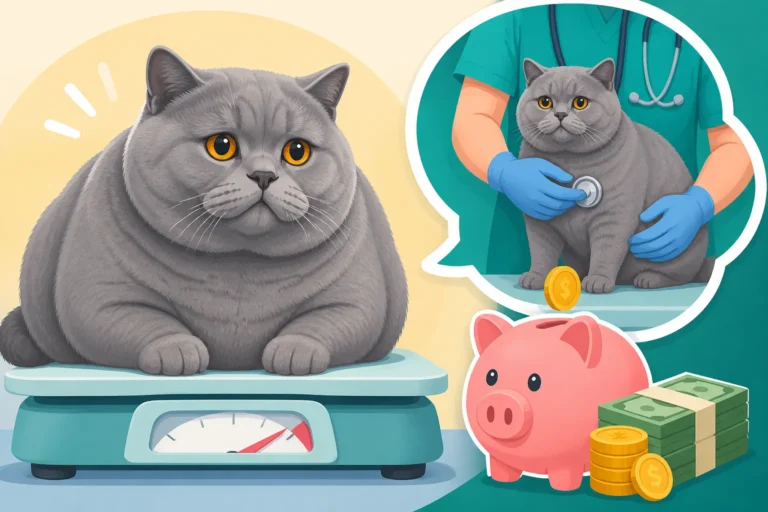
If your British Shorthair needs a special diet, whether for weight management (important for heart health, as Obesity Is the British Shorthair's Real Disease and can exacerbate heart issues) or a prescription cardiac diet, high-quality food suited to that need is worth discussing with your vet. While potentially a higher upfront cost, a well-managed diet can contribute significantly to overall health, potentially reducing other vet visits down the line. Look for loyalty programs, discounts on bulk purchases, or even generic alternatives for certain medications (always consult your vet). Every little bit saved on routine care can be redirected towards crucial screenings and treatments.
Finding Affordable Echo Clinics and Screening Events
The cost of an echocardiogram can be a barrier for some, but there are ways to find more affordable options without compromising on quality. Some veterinary colleges or teaching hospitals offer services at a slightly lower rate, as they are training future veterinarians and specialists. These institutions often have state-of-the-art equipment and board-certified cardiologists overseeing procedures.
Keep an eye out for "heart screening clinics" or special events often hosted by breed clubs or veterinary groups. These events might offer discounted echocardiograms, especially for at-risk breeds like British Shorthairs. While these might not always be performed by a board-certified cardiologist, they are usually overseen by experienced vets and can provide valuable preliminary screening. Always inquire about the qualifications of the person performing the echo and the reporting veterinarian to ensure you're getting a reliable assessment. Don't be afraid to call different clinics in your area and compare their pricing for a cardiac echo, asking specifically about their protocols and who will be interpreting the results.
The True Value of Regular British Shorthair Heart Screening
It's easy to get bogged down in the numbers when discussing veterinary costs, but it's vital to step back and remember the profound value these regular screenings bring to your life and the life of your cherished British Shorthair.
Peace of Mind vs. The Cost of Neglect
The most immediate benefit of regular echocardiograms is the peace of mind they offer. Knowing that your British Shorthair's heart has been thoroughly checked by a specialist, and receiving a clear bill of health, is invaluable. It allows you to enjoy your time with your cat without the constant underlying worry about a hidden, progressive disease. Conversely, if HCM is detected, while initially upsetting, it provides the opportunity to act. Early detection means early intervention, which can significantly alter the disease's course and improve your cat's prognosis.
The cost of not screening can be far greater. If HCM goes undetected, it can progress silently to advanced stages, leading to severe symptoms like congestive heart failure, fluid in the lungs, or even sudden death. Emergency veterinary care for a cat in heart failure is significantly more expensive and much more stressful than routine, planned screenings. Moreover, the emotional toll of a sudden or late diagnosis, realizing you could have intervened earlier, is immeasurable. The investment in regular echoes is truly an investment against larger, more painful costs down the road, both financial and emotional.
Extending and Improving Your British Shorthair's Lifespan
Ultimately, the goal of all this diligent screening is to ensure your British Shorthair lives the longest, healthiest, and happiest life possible. With a typical lifespan of How Long a British Shorthair Lives on Average, early and consistent detection of HCM can add precious years to their life. When HCM is caught early, even if it's not curable, it's often manageable. Medications can slow progression, reduce symptoms, and maintain a good quality of life for an extended period. This proactive approach delays the onset of severe complications, keeping your cat comfortable and active for longer.
Imagine the joy of having your British Shorthair companion for many extra years, years filled with purrs, cuddles, and their endearing, calm presence. That's the return on investment you get from committing to their heart health screening. It's not just about managing a disease; it's about preserving the bond you share and giving your cat every opportunity to thrive. Regular veterinary care, including those all-important yearly echoes, is one of the greatest acts of love you can offer your British Shorthair.
Here is a general overview of the components that contribute to the cost of a British Shorthair echocardiogram:
| Cost Component | Description | Typical Impact on Bill (Shape) |
|---|---|---|
| Cardiologist Fee | Specialist's time and expertise for performing and interpreting the scan. | Highest |
| Veterinarian Fee | General practitioner's time if they perform the scan or assist. | Moderate |
| Facility Fee | Cost associated with using the clinic's equipment and examination rooms. | Moderate |
| Sedation (if needed) | Cost of anesthetic agents, administration, and monitoring during the procedure. | Adds a significant amount |
| Pre-sedation Bloodwork | Blood tests to ensure the cat is healthy enough for sedation. | Moderate, if required |
| Report/Consultation Fee | Time spent explaining results, discussing prognosis, and outlining next steps. | Included or minor add-on |
| Geographic Location | Costs vary based on the region, city, and local economic factors. | Varies widely |
| Emergency vs. Routine | Emergency scans (outside regular hours) typically incur higher fees. | Significantly higher |
Disclaimer
This article is for general informational purposes only and does not constitute professional advice. Laws, prices and regulations vary by location and change over time. Consult a qualified professional for guidance on your specific situation.