Asthma in a British Shorthair
It’s truly alarming when you notice your sweet, usually calm British Shorthair struggling to breathe, or hear a strange wheezing sound that just wasn’t there before. This isn't just a fleeting cough; it can be a chronic, distressing condition that leaves both you and your beloved feline feeling helpless. This comprehensive guide aims to demystify feline asthma in British Shorthairs, helping you understand its nuances, spot the signs, and manage it effectively so your chunky companion can breathe easy.
Understanding Asthma in British Shorthairs
Feline asthma is a respiratory condition that can be incredibly worrying for cat owners, especially those with breeds like the British Shorthair, who are known for their generally robust nature. When something feels off with their breathing, it’s only natural to feel a pang of fear.
What Cat Asthma Actually Is
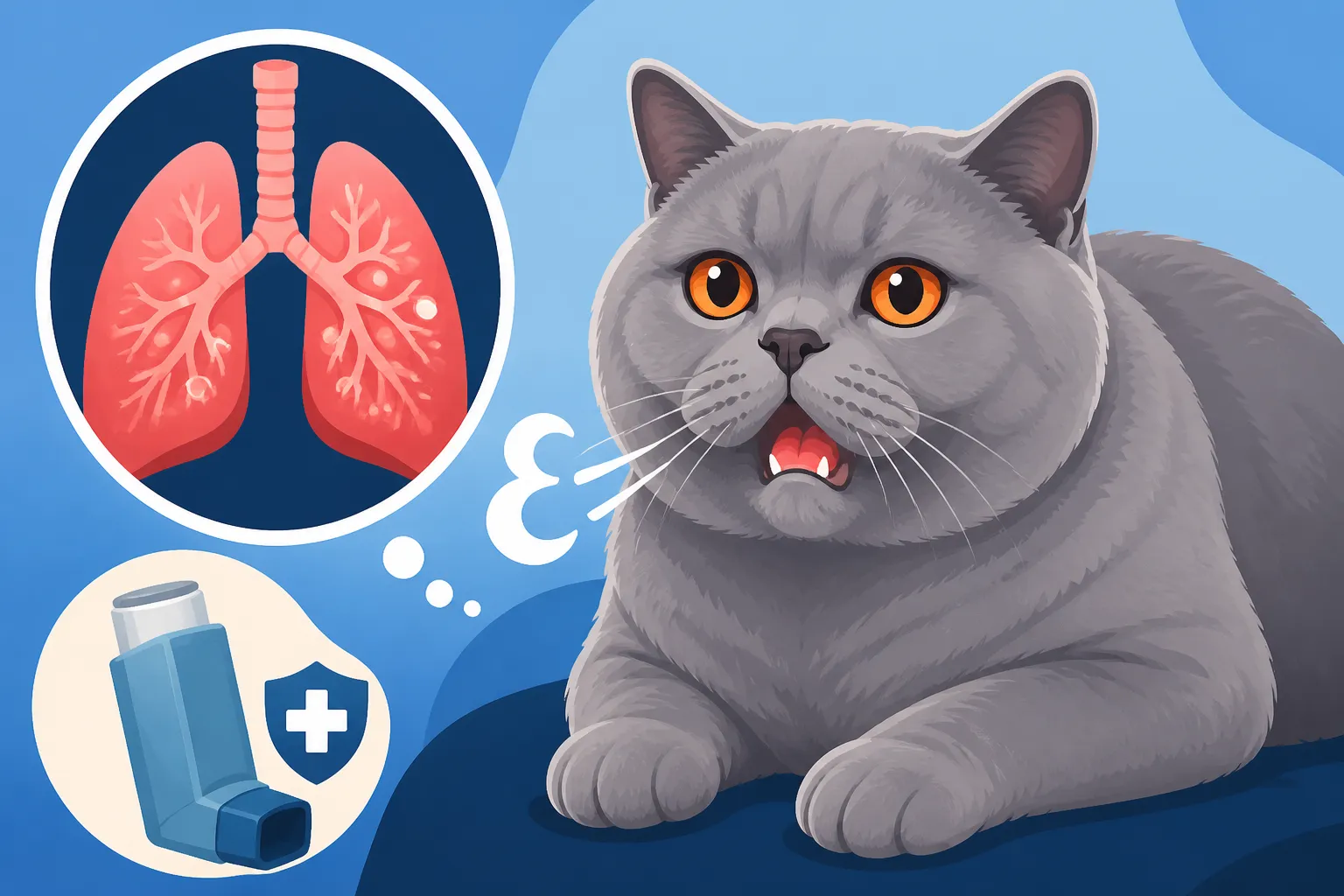
At its core, cat asthma, often referred to as feline bronchial disease or allergic bronchitis, is an inflammatory condition affecting the lower airways of your cat's lungs. Think of it like this: your cat’s tiny bronchial tubes, which are usually wide open to allow air to pass freely, become inflamed and swollen. This inflammation then leads to an excessive production of mucus, which further clogs these already narrowed airways. To make matters worse, the muscles around these tubes can go into spasm, constricting them even more tightly. It’s like trying to breathe through a very narrow, sticky straw – incredibly difficult and terrifying. For a British Shorthair, whose quiet demeanor might already make them seem less expressive, these subtle changes in breathing can be particularly insidious, often going unnoticed until the condition has progressed.
Why British Shorthairs Might Be Prone
While asthma can affect any cat breed, some studies suggest a genetic component in certain lines, and particular breeds, including the British Shorthair, may have a higher prevalence. This predisposition isn't fully understood, but it could be linked to their overall build or subtle airway differences. British Shorthairs are known for their round, compact "cobby" body type, and while not severely brachycephalic (short-nosed) like some Persian breeds, some individuals may have slightly less open airways which could contribute to exacerbating asthma symptoms. Moreover, their typically calm, indoor lifestyle, while generally healthy, can mean they are more consistently exposed to indoor allergens and irritants. These environmental factors, combined with any underlying genetic susceptibility, can set the stage for asthma development.
Common Triggers You Need to Watch For
Identifying and minimizing triggers is a cornerstone of managing feline asthma. These irritants can come from surprising places within your home, and because British Shorthairs spend so much time indoors, they are often at the front lines of exposure. Common culprits include airborne allergens like pollen, dust mites (especially prevalent in carpets and upholstery), and mold spores that might hide in damp corners of your home. Beyond natural allergens, household products are major irritants. Strong-smelling cleaning chemicals, aerosol sprays (like air fresheners, deodorants, or hairspray), and even certain scented candles or diffusers can release volatile organic compounds that inflame sensitive airways.
Even your cat’s own environment can be a trigger. Some types of cat litter, particularly dusty clay litters, can kick up fine particles that are inhaled, causing irritation. Cigarette smoke is another significant offender, even residual smoke on clothes or furniture. If you've recently undertaken a home renovation, the dust from drywall, paint, or new flooring can also be highly problematic. It's a bit like living in a minefield for your asthmatic British Shorthair, and pinpointing these specific irritants can feel like detective work, but it’s absolutely essential for their well-being.
Recognizing the Signs of Feline Asthma in Your British Shorthair
Catching asthma early can make a huge difference in managing the condition and ensuring your British Shorthair maintains a good quality of life. However, these cats are masters of disguise when it comes to illness, making vigilance paramount.
The Subtle Early Clues
One of the most frustrating aspects of feline asthma is how subtly it often begins. Many owners might dismiss the initial signs as something else entirely. You might notice a quiet, dry cough – not the deep, productive cough you might associate with a cold, but a soft hack that seems to come and go. Sometimes, this cough is mistaken for an attempt to dislodge a hairball, especially given how much A British Shorthair's Coat Stands Away From Its Body and how dense it is, leading to significant grooming and potential hairball issues. Your British Shorthair might also exhibit a very faint wheezing sound, almost like a quiet whistle, particularly when they breathe out. Given that British Shorthairs are typically not highly active and often enjoy long naps, a slight reduction in their usual (already low) activity levels might be completely overlooked. They might just seem "a bit more tired" than usual, which, for such a placid breed, can be hard to differentiate from their normal serene state. This is why paying close attention to any changes in their breathing patterns, no matter how minor, is critical.
Clearer Symptoms and Asthma Attacks
As feline asthma progresses, or during an acute asthma attack, the symptoms become much more pronounced and alarming. The persistent coughing will become more frequent and noticeable, often with your cat extending their neck and hunching their body in an effort to clear their airways. The wheezing might become much louder, a distinct whistling or hissing sound that’s impossible to ignore. Labored breathing is a clear red flag: your British Shorthair might breathe rapidly and shallowly, often with an open mouth, and you might even see their abdominal muscles working hard with each breath. Their sides might heave in and out, and they could adopt a characteristic crouched posture with their neck extended and elbows out, clearly struggling for air. In severe cases, particularly during an emergency, their gums or tongue might take on a bluish tint due to a lack of oxygen – this is a critical emergency and requires immediate veterinary attention. These are the moments that make your heart pound, knowing your furry friend is in distress.
How to Distinguish Asthma from Other Issues
It’s easy to confuse asthma symptoms with other common feline ailments, which is why a proper veterinary diagnosis is so important. A classic example is the hairball, which can cause a similar retching or coughing motion. However, with asthma, there's usually no hairball produced. Upper respiratory infections (URIs) can also cause coughing and sneezing, but these typically come with other signs like nasal discharge, watery eyes, and fever, which aren't characteristic of asthma. Heart conditions, such as What HCM Does to a British Shorthair's Heart, can also present with respiratory distress, coughing, and lethargy, which is why your vet will often perform diagnostic tests to rule out cardiac issues. The key differentiator for asthma often lies in the specific sound of wheezing and the pattern of inflammation visible on diagnostic imaging. Never try to self-diagnose; always consult your veterinarian to ensure your British Shorthair receives the correct and most effective treatment.
Diagnosing and Managing Asthma in Your British Shorthair
Once you suspect asthma, the next step is a trip to the vet. This can feel daunting, but a precise diagnosis is the first step toward effective management and giving your British Shorthair a comfortable life.
The Diagnostic Process at the Vet
When you bring your British Shorthair to the vet with suspected asthma, the diagnostic process is thorough. It typically starts with a comprehensive physical examination, where your veterinarian will listen carefully to your cat’s lungs for any wheezing, crackles, or unusual sounds. They’ll also check for any signs of Signs a British Shorthair Has Heart Disease, which can mimic respiratory issues. One of the most crucial diagnostic tools is a chest X-ray. These images allow the vet to visualize your cat’s lungs and airways. In asthmatic cats, X-rays often reveal a characteristic "bronchial pattern," which looks like tiny donuts or tram lines, indicating thickened and inflamed airways. They will also help rule out other conditions like pneumonia or fluid in the lungs, which could suggest heart failure.
Blood tests are also commonly performed, including a complete blood count and a chemistry panel. While these don't directly diagnose asthma, they can help rule out infections, identify elevated eosinophils (a type of white blood cell often increased in allergic reactions), and assess overall organ function, which is particularly important before starting certain medications. These routine checks are also good practice, covering What a British Shorthair's Yearly Bloodwork Should Cover. In some cases, if the diagnosis is still unclear, a bronchoalveolar lavage (BAL) might be recommended. This involves gently flushing the airways with a saline solution and then collecting the fluid for analysis, which can reveal inflammatory cells characteristic of asthma. While each test adds to the overall cost, a definitive diagnosis is invaluable for tailoring the right treatment plan.
Treatment Options and Long-Term Care
Managing feline asthma typically involves a combination of medications aimed at reducing inflammation and opening up the airways. The two primary classes of drugs used are bronchodilators and corticosteroids. Bronchodilators, like albuterol, work quickly to relax the muscles around the airways, providing immediate relief during an asthma attack. Corticosteroids, such as fluticasone or prednisolone, are used to reduce the underlying inflammation in the airways. These can be administered orally or, more effectively and with fewer systemic side effects, via an inhaler. For inhaled medications, a special feline-specific aerosol chamber, often called an AeroKat, is used. This device connects to a metered-dose inhaler and allows your cat to inhale the medication directly into their lungs.
Administering inhaled medication can seem intimidating at first, but with patience and positive reinforcement, most British Shorthairs learn to tolerate it. You typically hold the mask gently over your cat's nose and mouth for several breaths, allowing the medication to be inhaled. Consistency is key for long-term management, and your vet will guide you on the correct dosage and frequency. Remember, managing a chronic condition like asthma can involve ongoing veterinary visits and medication costs. This is where investing in pet insurance, like Healthy Paws, can be a huge relief, helping to cover a significant portion of these expenses and ensuring your British Shorthair always receives the care they need without financial strain becoming a barrier.
Environmental Management and Lifestyle Adjustments
Beyond medication, making some crucial adjustments to your British Shorthair’s environment can significantly reduce the frequency and severity of asthma flare-ups. The goal is to minimize exposure to known triggers. Start by eliminating dusty cat litters; opt for low-dust, unscented varieties like World's Best Cat Litter or Dr. Elsey's Precious Cat Litter. Consider switching to an air purifier with a HEPA filter to remove airborne allergens and irritants from your home. Regular vacuuming, especially with a HEPA filter vacuum, can drastically reduce dust mites and dander, although it’s best done when your cat is in another room to avoid stirring up particles.
Avoid using aerosol sprays, strong chemical cleaners, air fresheners, scented candles, or anything that produces strong fumes in your home. If you smoke, it's absolutely vital to do so outside and away from your cat. Pay attention to humidity levels in your home, as very dry or very humid air can also be irritating. Furthermore, addressing your British Shorthair's weight is paramount; Why a British Shorthair Gains Weight So Easily is a common struggle for the breed, and obesity can exacerbate respiratory problems, making it harder for them to breathe. A controlled diet and encouraging even gentle play to maintain a healthy weight is part of holistic asthma management. Creating a calm, consistent, and clean environment will contribute immensely to your cat's comfort and health.
Living Comfortably with an Asthmatic British Shorthair
An asthma diagnosis isn't a death sentence; with diligent care, your British Shorthair can lead a wonderfully full and happy life. It's all about proactive management and knowing what to do when things get tough.
Monitoring and Emergency Preparedness
Living with an asthmatic British Shorthair means becoming incredibly attuned to their breathing patterns. Regularly monitoring their resting respiratory rate at home can be a powerful tool. Count how many breaths they take in 30 seconds while they are calm and asleep, then multiply by two. A normal resting rate is typically between 15-30 breaths per minute. Any sustained increase could signal a problem. Keeping a journal of their breathing and any coughing episodes can help you track trends and inform your vet.
Equally important is having an emergency plan in place. Ensure you have your vet's contact information readily available, along with the number for your nearest 24-hour emergency veterinary clinic. Your vet might prescribe an emergency bronchodilator for rapid relief during an acute attack. Know exactly how and when to administer it. Most importantly, learn the signs of a true respiratory emergency – severe labored breathing, blue gums, or collapse – and don't hesitate to seek immediate veterinary care. While it can be stressful, remember that with consistent medication and trigger avoidance, many British Shorthairs with asthma enjoy a long and comfortable life, often reaching The Twelve to Seventeen Years a British Shorthair Gets.
Support for Owners and Financial Considerations
Caring for a cat with a chronic condition like asthma can be emotionally taxing. It's natural to feel worried, frustrated, or even guilty when your cat has an attack. Don't underestimate the mental load this can place on you. Seeking support from online communities or local cat owner groups can provide a valuable outlet for sharing experiences and tips. Knowing you're not alone can make a world of difference.
Financially, the ongoing costs of managing asthma can add up. Regular vet check-ups, medication refills (especially inhaled corticosteroids), and potential emergency visits can be a significant burden. This is another area where pet insurance like Healthy Paws truly shines. Having a robust insurance plan can alleviate much of the financial stress, allowing you to focus on your cat's health rather than worrying about the bill. Without insurance, managing a chronic condition over Fifteen Years of a British Shorthair, Priced Out can feel overwhelming. Planning for these expenses, whether through insurance or a dedicated savings fund, is a realistic and responsible part of caring for an asthmatic British Shorthair.
Here’s a quick overview to help you distinguish asthma symptoms from other common British Shorthair respiratory issues:
| Symptom/Condition | Feline Asthma | Hairball | Upper Respiratory Infection (URI) | Heart Disease |
|---|---|---|---|---|
| Coughing | Persistent, often dry, hunched posture | Retching, usually ends with hairball | Wet, often with sneezing/discharge | Soft, sometimes with fluid accumulation |
| Wheezing | Common, audible on exhale | Rare | Rare | Rare |
| Breathing | Labored, open-mouthed, rapid, abdominal effort | Normal after retching | Normal or slightly labored | Labored, rapid, open-mouthed, often weak |
| Nasal Discharge | No | No | Common | No |
| Eye Discharge | No | No | Common | No |
| Lethargy | Common during flare-ups | Variable | Common | Common, progressive |
| Appetite | Reduced during flare-ups | Variable | Reduced | Variable |
| Emergency Sign | Blue gums/tongue, severe distress | Persistent retching with no result | Severe congestion, fever | Collapse, blue gums/tongue, extreme weakness |
Disclaimer
This article is intended for informational purposes only and does not constitute veterinary advice. Always consult with a qualified veterinarian for any health concerns regarding your British Shorthair, especially for diagnosis and treatment of conditions like asthma.