Skin Allergies in a British Shorthair
It’s truly disheartening to see your beloved British Shorthair constantly scratching, licking, or dealing with irritated skin. These stoic, plush-coated companions are masters at hiding discomfort, making it even more challenging for us owners to pinpoint what’s bothering them. Skin allergies are incredibly common and can turn your calm, dignified feline friend into a frustrated, itchy mess. This comprehensive guide is here to walk you through understanding, diagnosing, and effectively managing skin allergies in your British Shorthair, so you can bring them relief and restore their serene comfort.
Understanding British Shorthair Skin Sensitivities
British Shorthairs, with their distinctive dense, plush coats, are beautiful to behold, but this very feature can sometimes make them prone to certain skin issues. Their compact body type and generally calm, indoor lifestyle also play a role in how skin sensitivities manifest and how easily they can become a persistent problem. It's not always obvious what's causing the itch, and the sheer frustration of trying to figure it out is something many British Shorthair owners can relate to.
Common Allergens and Their Triggers
Just like us, cats can be allergic to a surprising array of things in their environment, their food, or even things they come into direct contact with. For a British Shorthair, identifying these triggers is the first step toward relief. It's easy to assume it's just fleas, but often the culprit is something far less obvious, and it takes a bit of detective work.
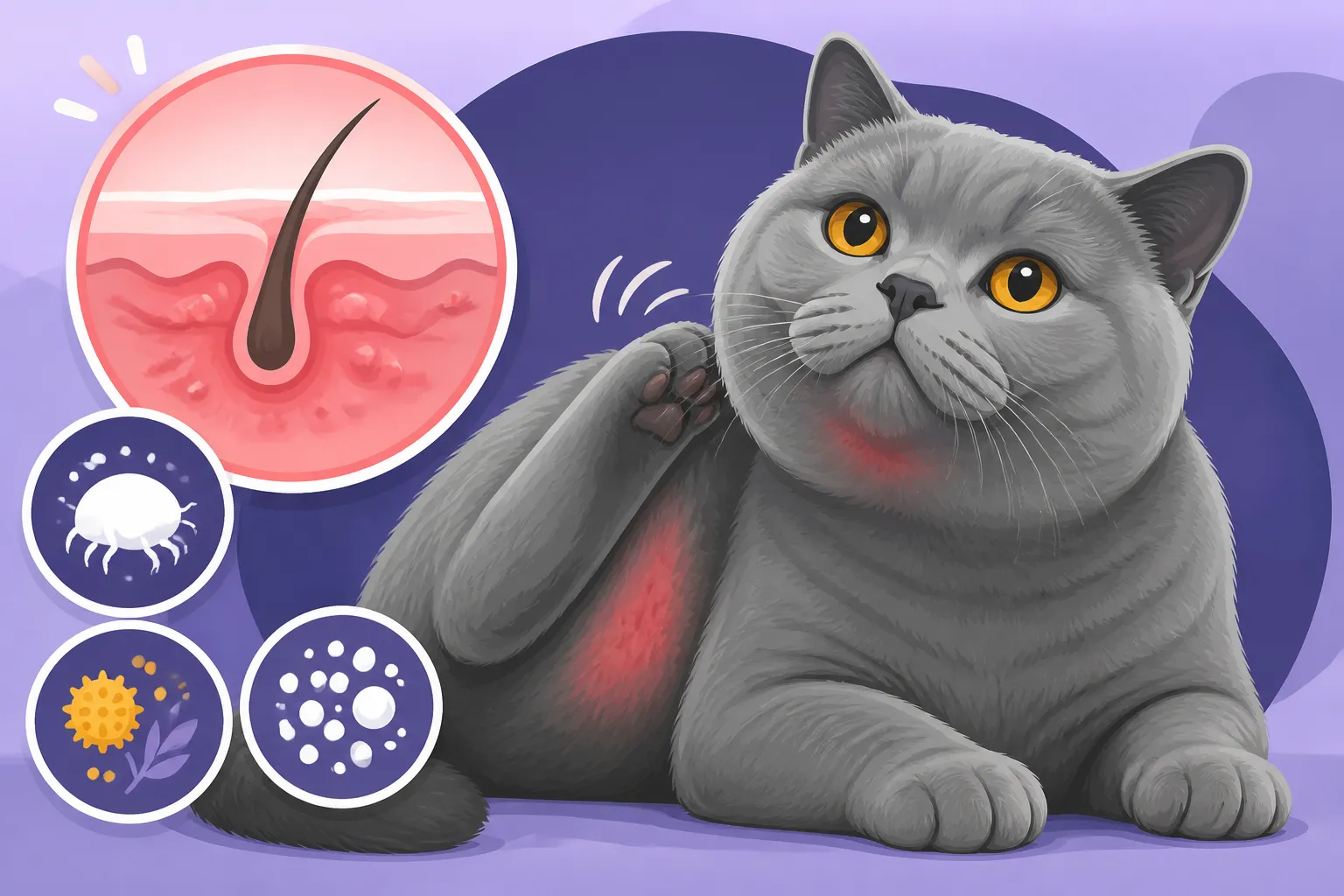
Environmental allergens are frequently the biggest offenders. Think about all the microscopic particles floating around your home: pollen from trees, grasses, and weeds that drift in through open windows, dust mites hiding in bedding and carpets, and even mold spores. Because British Shorthairs tend to be indoor cats, they're constantly exposed to these indoor allergens, which can build up and become particularly problematic. Their thick coats can also act like a magnet, trapping pollen and dust, holding it close to their skin where it can cause irritation. This is often why you might notice your cat scratching more intensely after they’ve been napping in a dusty sunbeam or rolled around on a rug. Understanding How Much a British Shorthair Sets Off Allergies for human companions might make you wonder about their own sensitivities too.
Food allergies are another significant category, though they tend to be less common than environmental allergies. When a British Shorthair has a food allergy, their immune system mistakenly identifies a protein in their diet as a threat. Common culprits include beef, dairy, chicken, and fish, ingredients found in many commercial cat foods. The symptoms can be frustratingly similar to environmental allergies, leading to a lot of head-scratching for owners. Sometimes, it's not even a new food that triggers it; a cat can develop an allergy to a protein they've been eating for years. This is why when we discuss What a British Shorthair's Yearly Bloodwork Should Cover, it’s often about ensuring all systems are working as they should, and not just focusing on surface-level issues.
Contact allergies are perhaps the least common but can be very frustrating to pinpoint. These occur when your British Shorthair's skin directly touches something it's allergic to. This could be anything from certain cleaning products used on your floors, specific fabrics in their bedding, plastics in their food bowls, or even ingredients in flea treatments or shampoos. Imagine your cat spending hours curled up on a new blanket, only to develop a rash where their skin made contact. It’s important to think about everything your cat touches regularly when trying to solve this puzzle.
Recognizing the Subtle Signs of Skin Allergies
British Shorthairs are famously calm and dignified, and sometimes, this stoicism can make it hard to spot when they're truly uncomfortable. They're not always dramatic about their itching, but once you know what to look for, the signs become clearer. It's easy to dismiss a little scratch here and there, but persistent irritation can quickly escalate.
The most obvious sign of a skin allergy is often excessive scratching or licking. You might notice your British Shorthair paying undue attention to a specific area of their body – perhaps their ears, paws, belly, or the base of their tail. This isn't just a casual groom; it's an insistent, almost obsessive action. While a healthy British Shorthair keeps itself meticulously clean, prolonged and vigorous licking or chewing is a red flag. You might even hear them scratching furiously at night when the house is quiet, or see them suddenly stop playing to attend to an itch. Sometimes, an owner will find themselves wondering Why an Overweight British Shorthair Gets Skin Problems, and part of the answer often lies in their inability to groom hard-to-reach areas, exacerbating skin issues.
Beyond the visible actions, look for changes in their skin and coat. You might notice redness, bumps, or small scabs, especially in areas they've been intensely licking or scratching. Hair loss, or alopecia, is also common, leading to thinning patches or bald spots. This is often due to the cat pulling out their fur from overgrooming, rather than the allergy directly causing the hair to fall out. Their beautiful, dense coat, which gives them that iconic teddy bear look, can sometimes make these skin changes harder to spot until they're quite advanced. The skin itself might appear dry, flaky, or greasy, depending on the type of allergy and any secondary infections that might have developed.
Another subtle indicator can be changes in behavior. An itchy British Shorthair might become more irritable, restless, or withdrawn. They might seek out isolated spots, become less playful, or even show aggression if you try to touch a sensitive area. While they are generally laid-back, persistent discomfort can understandably affect their mood. If your typically unflappable British Shorthair seems "off" or more grumpy than usual, it’s worth investigating if an underlying physical discomfort, like itchy skin, is the cause.
Diagnosing Skin Allergies in British Shorthairs
Pinpointing the exact cause of skin allergies in British Shorthairs can feel like a marathon, not a sprint. It often involves a process of elimination, patience, and close collaboration with your veterinarian. Don't get discouraged if the answer isn't immediately clear; it's a common journey for many cat owners.
The Vet Visit and Initial Examinations
Your first stop should always be your veterinarian. When you arrive, be prepared to provide a detailed history of your cat's symptoms: when they started, how often they occur, what seems to make them better or worse, and any changes in diet, environment, or routine. The more information you can give, the better equipped your vet will be to start the diagnostic process.
The vet will begin with a thorough physical examination, paying close attention to your British Shorthair's skin, coat, ears, and paws. They'll be looking for any visible signs of irritation, inflammation, hair loss, or secondary infections. One of the primary goals of this initial visit is to rule out other common causes of itching that aren't allergies. Fleas, for example, are notorious for causing intense itching, even if you don't see them. Your vet will likely perform a flea comb to check for adult fleas or flea dirt, which looks like tiny black specks that turn reddish-brown when wet. Even if you use flea prevention religiously, it's always worth a check, as resistance can occur, or a single bite can trigger an allergic reaction in a flea-allergic cat.
Mites, like ear mites or sarcoptic mites, can also cause severe itching and skin irritation. Your vet might take skin scrapings or ear swabs to examine under a microscope for these microscopic parasites. Fungal infections, such as ringworm, can mimic allergic reactions, causing patchy hair loss and scaly skin. A special UV light (Wood's lamp) or a fungal culture might be used to diagnose these. Once these more straightforward causes are ruled out, your vet can then confidently shift focus towards diagnosing allergies. It’s important to remember that these initial tests are crucial, even if you suspect allergies, as treating a parasitic or fungal infection is often much simpler than managing a lifelong allergy.
Advanced Diagnostic Testing
Once the initial culprits have been eliminated, your vet might recommend more advanced tests to get to the root of your British Shorthair's allergic reactions. This is where the detective work truly begins to narrow down the specific triggers.
One of the most common approaches for suspected food allergies is an elimination diet. This isn't just swapping out one food for another; it's a strict, often lengthy process. Your vet will prescribe a novel protein diet (containing a protein your cat has never eaten before, like duck or venison) or a hydrolyzed protein diet (where the proteins are broken down into such small pieces that the immune system doesn't recognize them as allergens). During this period, which can last 8-12 weeks, your cat can eat absolutely nothing else – no treats, no table scraps, no flavored medications. It’s tough, but consistency is key. If your cat's symptoms improve dramatically during the elimination diet, it strongly suggests a food allergy. To confirm, your vet might then recommend a "challenge" phase, reintroducing old foods one by one to see which one causes a flare-up. This process helps identify the specific food ingredient your British Shorthair needs to avoid permanently.
For environmental allergies, two main types of allergy testing are available: serum (blood) testing and intradermal skin testing. Serum allergy testing involves taking a blood sample and sending it to a specialized lab that tests for antibodies against a wide range of common environmental allergens, like pollen, dust mites, and molds. While convenient, the results aren't always definitive for cats, and some vets prefer intradermal testing. Intradermal skin testing, often performed by a veterinary dermatologist, is considered the gold standard. It involves sedating your cat, shaving a small area of their side, and injecting tiny amounts of various allergens just under the skin. The dermatologist then observes the reactions – if a bump or redness appears, it indicates an allergy to that specific substance. This test can be more expensive and requires specialized equipment, but it can provide very clear results, which are vital if your cat is going to undergo allergen-specific immunotherapy. Many owners find that What a British Shorthair Echo Costs is one thing, but allergy testing costs can also add up, so having a good understanding of what's involved is helpful. If you have pet insurance like Healthy Paws, it’s worth checking if these diagnostic tests are covered under your plan, as they can represent a significant investment in your cat's long-term health.
In some cases, especially if there are persistent skin lesions or a suspicion of other underlying conditions, a skin biopsy might be recommended. This involves taking a small tissue sample from the affected area for microscopic examination. While not a primary diagnostic for allergies, it can help rule out other serious skin diseases or confirm secondary infections, guiding further treatment.
| Allergen Type | Common Triggers for Cats | Typical British Shorthair Symptoms |
|---|---|---|
| Environmental | Pollen (trees, grasses, weeds), Dust Mites, Mold Spores, Dander | Generalized itching, paw licking, ear irritation, facial itching, hair loss, redness |
| Food | Beef, Chicken, Dairy, Fish, Eggs, Corn, Wheat | Generalized itching, vomiting, diarrhea, paw licking, ear infections |
| Contact | Detergents, Fabrics, Plastics, Carpet Cleaners | Localized itching, rash, redness at point of contact (e.g., belly, chin) |
| Flea Bite | Flea saliva | Intense itching, especially at the base of the tail, "flea dirt," scabs, hair loss |
Managing and Treating British Shorthair Skin Allergies
Dealing with skin allergies in your British Shorthair is often a long-term commitment. There’s usually no quick fix, but with a multi-faceted approach, you can significantly improve your cat's comfort and quality of life. It’s about managing the symptoms and minimizing exposure to triggers.
Environmental and Dietary Adjustments
Once you have an idea of what your British Shorthair is allergic to, making adjustments to their environment and diet becomes paramount. This is often the first line of defense and can make a huge difference in their overall well-being.
For environmental allergies, creating an allergen-reduced home environment is crucial. This means frequent cleaning, especially vacuuming with a HEPA filter, to reduce dust mites, dander, and pollen. Consider using air purifiers with HEPA filters in rooms where your cat spends a lot of time. Washing your cat's bedding regularly in hot water can also help eliminate dust mites. If pollen is a major trigger, keeping windows closed during high pollen seasons and wiping your cat down with a damp cloth after they've been near an open window can help remove allergens from their luxurious coat. Think about your household cleaning products too; switching to hypoallergenic, unscented options can sometimes make a difference if contact irritation is suspected. It’s a lot of work, but seeing your cat finally find peace from constant itching is incredibly rewarding. Keeping a British Shorthair's coat in good condition is always important, and you can learn more about How Often a British Shorthair Needs Combing to manage shedding and dander.
If a food allergy has been identified, strictly adhering to the prescribed elimination or hydrolyzed protein diet is non-negotiable. Even a tiny bite of an offending ingredient can trigger a flare-up. This means no treats, no human food, and careful reading of ingredient labels for any supplements or medications. Many owners find it challenging, especially if they have other pets, but consistency is the key to success. Your vet might recommend specific therapeutic diets, such as Royal Canin or Purina Pro Plan Veterinary Diets, which are specially formulated for cats with food sensitivities. The good news is that once the trigger is identified and removed, many cats see a dramatic improvement in their skin health. If you're ever wondering What a British Shorthair's First Year of Screening Totals, remember that dietary adjustments can impact overall costs, sometimes leading to more expensive specialized foods, but potentially reducing vet visits for flare-ups.
Medical Interventions and Long-Term Care
While environmental and dietary changes are fundamental, sometimes medical intervention is necessary, especially during severe flare-ups or for allergies that can't be fully controlled otherwise. Your vet will work with you to find the most effective and safest treatment plan for your British Shorthair.
For immediate relief from severe itching and inflammation, veterinarians often prescribe corticosteroids, like prednisone. These are very effective at calming the immune response, but they come with potential side effects if used long-term, such as increased thirst, urination, and weight gain. They are typically used for short bursts to get symptoms under control. Antihistamines, such as chlorpheniramine or cetirizine, can be tried for milder cases, though they are often less effective in cats than in humans. It's crucial to use only cat-safe antihistamines and at the dose recommended by your vet, as many human medications are toxic to felines.
Another common medication is cyclosporine (brand name Atopica), an immunosuppressant that works by modifying the immune response responsible for allergic reactions. It's often used for chronic environmental allergies and can be very effective, though it can take a few weeks to see the full benefit. Side effects can include digestive upset, but these often subside over time. For cats with secondary bacterial or yeast infections (which often occur when the skin barrier is compromised by allergies and excessive licking), antibiotics or antifungals will be prescribed, either orally or topically. Medicated shampoos and conditioners containing ingredients like chlorhexidine or miconazole can also be incredibly helpful for managing skin infections and soothing irritated skin, often used a few times a week during flare-ups. Ask your vet about Which Shampoo Suits a British Shorthair for allergy-prone skin.
For long-term management of environmental allergies, allergen-specific immunotherapy, often called "allergy shots" or "allergy drops," is often considered. This involves giving your British Shorthair gradually increasing doses of the specific allergens they are sensitive to, with the goal of desensitizing their immune system. This treatment requires results from allergy testing (usually intradermal or serum testing) to formulate a custom vaccine. Immunotherapy is a long-term commitment, often requiring daily or weekly administration for many months or even years, but it can significantly reduce or even eliminate the need for other medications for many cats. It's a proactive approach that targets the root cause of the allergy rather than just the symptoms. The costs associated with diagnosing and treating chronic conditions like allergies can add up, so having a pet insurance plan from providers like Healthy Paws can be a real lifesaver, helping to cover a significant portion of these ongoing vet bills. Healthy Paws is known for its comprehensive coverage that can alleviate the financial burden of chronic illnesses.
Preventing Future Allergy Flare-Ups
While it might feel like a constant battle, proactive care and thoughtful management can go a long way in minimizing allergy flare-ups for your British Shorthair. It’s about building a routine that supports their sensitive skin and immune system.
Proactive Grooming and Hygiene
Maintaining excellent grooming and hygiene is a cornerstone of allergy management, especially for a breed like the British Shorthair with its dense, plush coat. Their coat is a magnet for environmental allergens, so regular attention can significantly reduce exposure and irritation.
Consistent combing is absolutely essential. The British Shorthair's coat, with its thick undercoat, is designed to stand away from the body, giving them their characteristic "crisp" feel and teddy bear appearance. However, this density also means it can trap a lot of environmental particles. Daily or every-other-day combing with a good quality stainless steel comb helps to remove loose hair, dander, and any pollen or dust that has settled on their coat before it can work its way down to the skin and cause irritation. This not only keeps their coat healthy but actively reduces the allergen load. You can learn more about Why a British Shorthair's Coat Feels Crisp and how this unique texture affects grooming needs.
Bathing, while not always necessary for all cats, can be a game-changer for British Shorthairs with environmental allergies. Your vet might recommend periodic baths with a hypoallergenic or medicated shampoo. Bathing helps wash away accumulated allergens, excess dander, and any bacteria or yeast that might be contributing to secondary skin infections. The frequency will depend on your cat's specific needs and your vet's recommendation – it could be weekly during peak allergy season or monthly for maintenance. Always use lukewarm water and ensure you rinse thoroughly to avoid leaving any residue that could further irritate the skin. While British Shorthairs are generally not huge fans of water, a calm approach and positive reinforcement can make bath time a more tolerable experience.
Don't forget about paw hygiene! Cats with environmental allergies often lick their paws excessively because they pick up allergens from the floor or ground. Wiping their paws with a damp cloth or pet-safe wipe after they've been in areas where allergens might be present can significantly reduce this contact. Keeping their nails trimmed short also prevents them from causing further trauma to their skin when scratching, which can lead to secondary infections.
Lifestyle Changes to Reduce Exposure
Beyond direct grooming, a few thoughtful lifestyle adjustments can further create a more comfortable environment for your allergy-prone British Shorthair. These changes focus on minimizing their interaction with known triggers and supporting their overall health.
Maintaining a clean indoor environment is paramount for cats with environmental allergies. Consider removing carpets, which are notorious for trapping dust mites and dander, and opting for hard flooring that can be easily cleaned. Regularly washing pet bedding, using allergen-proof covers on human bedding if your cat shares your sleep space, and frequent vacuuming with a HEPA filter are all effective strategies. If you identify a specific time of year when your British Shorthair's allergies flare up due to seasonal pollen, try to keep windows closed and use air conditioning to filter the air. For those considering pet insurance, remember that regular vet check-ups and ongoing allergy management, which could include some of these proactive measures, are often part of a healthy routine that a provider like Healthy Paws encourages.
For food allergies, the most critical lifestyle change is absolute dietary consistency. Once you've identified the offending protein, or if your cat is on a therapeutic diet, you must stick to it rigidly. This means educating everyone in the household about what your cat can and cannot eat, and being vigilant about preventing access to other foods. Using microchip-activated feeders can be a lifesaver in multi-cat households to ensure your allergic British Shorthair only eats their prescribed diet. It's a commitment, but one that directly impacts their comfort.
Finally, managing stress can also indirectly help with allergies. Stress can weaken the immune system and exacerbate skin conditions. A stable routine, plenty of enrichment, and a secure environment can contribute to your British Shorthair's overall well-being. While a British Shorthair is famously calm, even they can be impacted by significant changes. Providing Which Cat Tree a British Shorthair Uses or designated quiet spaces can offer comfort. Consistent, gentle interaction and playtime, even for a low-energy British Shorthair, can also help. The goal is to create a peaceful, allergen-reduced sanctuary where your furry companion can truly relax and thrive.
Disclaimer
This article is intended for informational purposes only and does not constitute veterinary advice. Always consult with a qualified veterinarian for any health concerns or before making any decisions about your pet's medical care or diet. Individual results may vary, and your British Shorthair's specific condition may require a tailored approach.