Ear Infections in a British Shorthair
Few things are quite as disheartening as seeing your beloved British Shorthair in discomfort, and an ear infection, with its persistent itching and often unpleasant discharge, is certainly one of them. It's not just a minor annoyance; it can be downright painful and frustrating for both your sweet, stoic companion and for you as their caregiver. This comprehensive guide aims to demystify ear infections in British Shorthairs, helping you understand why they happen, how to spot the subtle signs, and what steps to take for effective treatment and prevention.
Understanding Why British Shorthairs Get Ear Infections
While British Shorthairs aren't typically predisposed to ear infections in the same way some breeds with very long, floppy ears might be, they are certainly not immune. Their unique physical characteristics and common lifestyle factors can still make them susceptible. It's all about understanding the delicate balance within the ear canal and what can throw it off.
Anatomy and Predisposition in British Shorthairs
Your British Shorthair's ears are generally medium-sized, set wide apart, and have a broad base with slightly rounded tips. They might not be as "open" as some breeds, and this slightly more enclosed structure, combined with their incredibly dense, plush double coat, can sometimes create an environment where moisture and heat are trapped. Think of it like a cozy, warm cave – perfect for a cat to hide in, but also perfect for unwelcome guests like bacteria or yeast if conditions aren't just right.
While their ears don't fold over like a Scottish Fold's (which are notoriously prone to ear issues), the sheer density of their fur around the head and neck can sometimes impede airflow. Regular grooming is important for maintaining their coat, but it's also a chance to check their ears. Despite their generally robust health, as a breed, even a Whether a British Shorthair Is a Healthy Breed cat can encounter ear troubles.
Common Causes Behind Ear Trouble
Ear infections, medically known as otitis externa (infection of the outer ear canal), rarely just "happen" out of nowhere. There's almost always an underlying reason, and identifying it is key to successful treatment and preventing recurrence.
One of the most frequent culprits for recurrent ear infections in British Shorthairs, and indeed many cats, are allergies. Just like humans can get itchy skin or runny noses from pollen or certain foods, cats can manifest allergies with skin inflammation, which often extends into the ear canals. This inflammation changes the environment in the ear, making it a perfect breeding ground for secondary bacterial or yeast infections. Environmental allergies, triggered by things like dust mites, molds, or seasonal pollens, are very common. But don't rule out food allergies either; sometimes, a sensitivity to a particular protein in their diet can show up as persistent ear problems. If you notice your British Shorthair also has itchy skin elsewhere or is overgrooming, it's worth considering allergies as a primary driver. We've talked about Skin Allergies in a British Shorthair before, and ear issues are often part of that picture.
Another common cause, especially in kittens or cats with some outdoor access, are ear mites. These tiny parasites, Otodectes cynotis, are highly contagious and can cause intense itching, leading to a characteristic dark, crumbly discharge that often looks like coffee grounds. While British Shorthairs are typically indoor cats, a stray kitten encounter or even contact with an infected animal at a vet's office could introduce mites.
Once the ear canal is irritated, whether by allergies or mites, it becomes vulnerable to secondary infections from bacteria and yeast. Malassezia yeast is a common opportunistic invader, thriving in warm, moist, and inflamed conditions, producing a distinct sweet or yeasty odor. Various bacteria can also take hold, leading to more severe inflammation and pus-like discharge. Sometimes, these bacterial infections can be quite stubborn and require specific antibiotics based on a culture.
Less common, but still possible, are foreign objects like grass awns or small pieces of debris that might accidentally enter the ear canal, especially if your cat has access to a garden or balcony. These can cause irritation and lead to infection. In older British Shorthairs, benign growths called polyps or, rarely, tumors within the ear canal can also cause chronic ear issues by blocking drainage and creating an environment for infection. Lastly, some British Shorthairs might naturally produce excess wax, which, if not properly managed, can build up and contribute to blockages and subsequent infections.
Recognizing the Signs of an Ear Infection in Your British Shorthair
British Shorthairs are renowned for their stoic nature. They’re often quiet, calm, and, let's be honest, pretty good at keeping their feelings to themselves. This means that recognizing the signs of discomfort, especially something as irritating as an ear infection, can sometimes be a challenge. They might not dramatically yowl or constantly paw at their ears like some other breeds. You really have to be observant, tuning into their subtle cues and changes in routine.
Behavioral Clues Your Cat Might Be Unwell
One of the most common signs you might notice is an increase in head shaking. It might start subtly, a quick flick of the head here and there, but if it becomes more frequent or vigorous, it’s a big red flag. Coupled with this, you might observe them scratching excessively at their ears with their back paws. This can sometimes be so intense that they break the skin around the ear, leading to scabs or even small wounds.
Another clue could be a slight tilting of the head to one side, favoring the affected ear, or even a noticeable droop. While they are usually quite placid, an ear infection can make a British Shorthair feel generally unwell, leading to changes in temperament. They might become more irritable, growling or hissing when you approach their head, or they might become withdrawn, spending more time hiding away. They might also show a reluctance to be touched around the head or ears, flinching or pulling away, which is quite unlike their usual tolerant demeanor.
They might also engage in excessive grooming around the ear area, trying to alleviate the itch or clean away discharge. While their dense What a British Shorthair's Coat Is Like usually keeps them looking pristine, focused overgrooming around the ears is a sign. Remember, a British Shorthair has a remarkable ability to How a British Shorthair Hides Pain, so any behavioral shift is significant.
Physical Symptoms to Look For
Beyond behavioral changes, there are several physical signs that point directly to an ear infection. These are often easier to spot once you know what to look for, but it sometimes requires a careful, gentle examination.
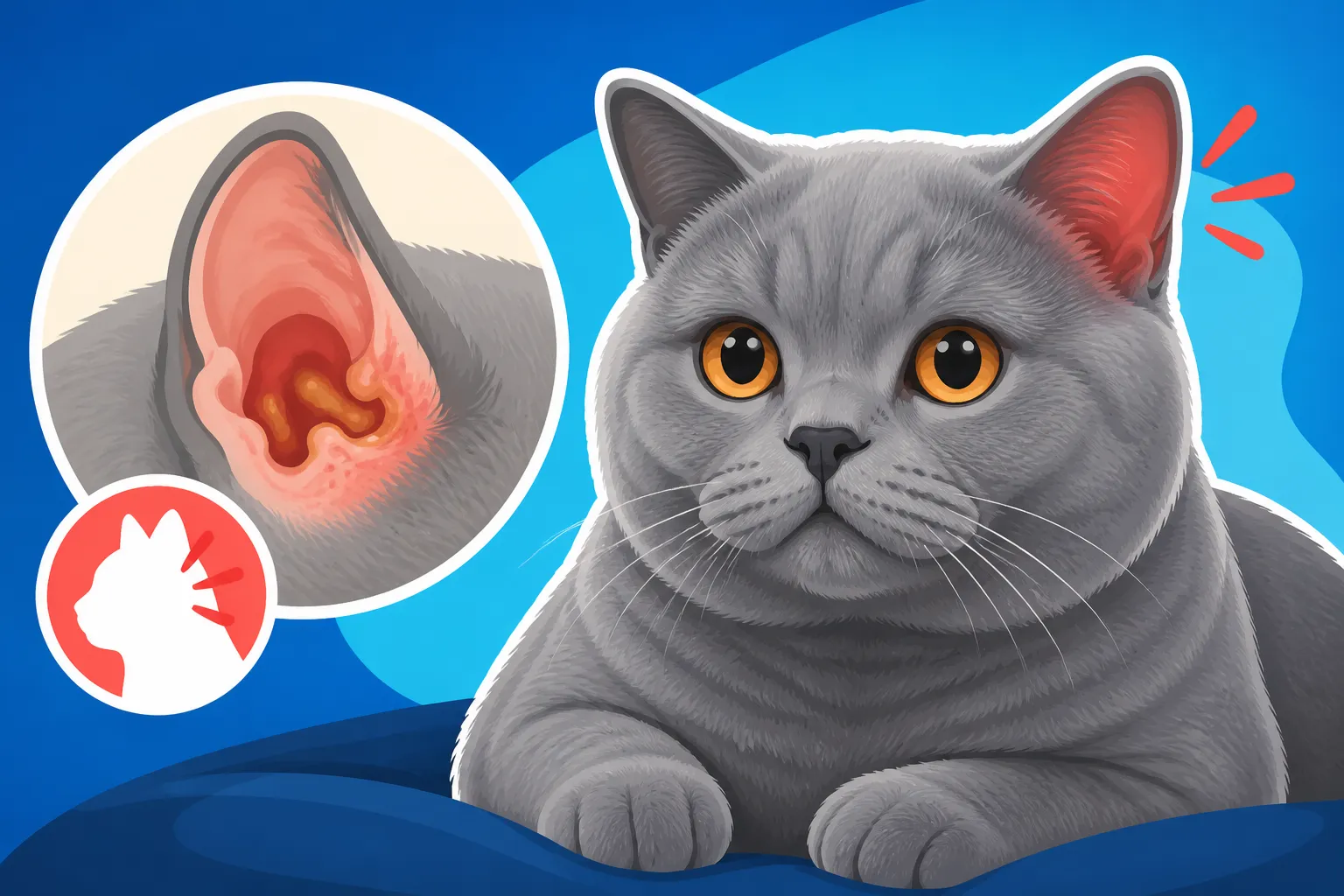
The most obvious physical sign is discharge from the ear canal. This can vary widely in appearance depending on the underlying cause. Ear mites typically cause a dark, crumbly, brownish-black discharge that resembles coffee grounds. Bacterial infections might produce a yellow, greenish, or pus-like discharge, while yeast infections often result in a waxy, dark brown discharge. If you ever wondered What a British Shorthair's Ear Wax Should Look Like normally, it should be minimal and pale. Any significant color or texture change warrants investigation.
Accompanying the discharge, you'll almost certainly notice an unpleasant odor emanating from the ear. Yeast infections often have a distinct sweet or yeasty smell, while bacterial infections can smell foul or putrid. It's a smell you won't easily forget once you've encountered it.
Carefully inspect the ear flap (pinna) and the visible part of the ear canal. You might see redness or swelling in these areas, indicating inflammation. The skin might look irritated, thickened, or even feel warm to the touch. From all the scratching, your British Shorthair might develop crusts or scabs on the outer ear or along the edges of the ear flap. In severe, chronic cases, there might even be hair loss around the ear from the constant rubbing and scratching. Don't try to deep-clean the ear yourself if you see these signs; it's time for a vet visit.
Diagnosis and Treatment Options for British Shorthair Ear Infections
When you suspect your British Shorthair has an ear infection, the absolute best course of action is to schedule a visit to your veterinarian right away. Trying to treat it yourself with over-the-counter remedies not designed for cats, or simply waiting it out, can lead to chronic issues, deeper infections, or even permanent damage.
The Vet Visit: What to Expect
During your visit, your vet will perform a thorough physical examination, paying close attention to your cat's ears, head, and neck. They will gently palpate around the base of the ear to check for pain or swelling. The most crucial part of the examination will be using an otoscope. This is a specialized instrument with a light and magnifying lens that allows the vet to look deep inside the ear canal, assessing the extent of inflammation, checking for foreign objects, polyps, or tumors, and, most importantly, ensuring the eardrum is intact. An intact eardrum is vital because certain medications can be ototoxic (toxic to the ear) if the eardrum is ruptured.
Following the visual inspection, your vet will almost certainly perform an ear cytology. This involves taking a gentle swab from the affected ear canal and examining the sample under a microscope. This simple, quick test is invaluable because it allows the vet to identify the culprits: whether it's ear mites, specific types of bacteria, or yeast. Knowing what is causing the infection directly guides the choice of medication. For very stubborn or recurrent bacterial infections, or if the initial treatment isn't working, your vet might recommend a culture and sensitivity test. This involves sending a swab to a laboratory to grow the bacteria and determine exactly which antibiotics will be most effective against it.
Medications and Management Strategies
Once the cause is identified, your vet will prescribe a tailored treatment plan. This usually involves several components:
First, the vet will often perform a thorough, gentle cleaning of the ear in the clinic. This removes accumulated discharge, wax, and debris, allowing topical medications to penetrate more effectively. They will then instruct you on how to perform safe ear cleaning at home, typically using a vet-approved, cat-specific ear cleaner. It's important to use products formulated for cats, as human ear cleaners can be irritating or contain ingredients harmful to feline ears. If you're unsure how to proceed, don't worry, there are resources like How to Clean a British Shorthair's Ears that can guide you.
For the infection itself, topical medications are frequently prescribed. These come in the form of drops or ointments that you apply directly into your British Shorthair's ear canal. These medications often contain a combination of ingredients: antibiotics to target bacterial infections, antifungals to combat yeast, and anti-inflammatories (like corticosteroids) to reduce swelling, pain, and itching. Following the dosage and duration precisely, even if your cat seems better, is critical to fully resolve the infection.
In more severe cases, or if the infection has spread beyond the ear canal, oral medications might be necessary. This could include oral antibiotics for systemic bacterial infections or oral anti-inflammatory drugs to reduce widespread inflammation and pain.
Crucially, addressing the underlying cause is paramount to preventing future infections. If allergies are suspected, your vet might recommend dietary trials to rule out food allergies, or discuss allergy management strategies such as antihistamines, specialized immune-modulating drugs (like cyclosporine or oclacitinib), or even allergy injections (immunotherapy) for environmental allergies. If ear mites are the culprit, specific anti-parasitic medications will be prescribed, often a topical spot-on treatment.
Vet bills for ear infections, especially recurrent or complicated ones, can certainly add up. Many cat owners find peace of mind with pet insurance like Healthy Paws, which can help cover the costs of diagnostics, medications, and follow-up visits, allowing you to focus on your cat's recovery rather than the financial strain.
Post-Treatment Care and Follow-Up
The treatment doesn't end when your British Shorthair stops shaking their head. It's incredibly important to finish all prescribed medication, even if your cat's ears look and smell normal before the course is complete. Stopping early is a common reason for recurrence, as lingering pathogens can quickly multiply again.
Your vet will likely schedule a follow-up appointment to recheck your cat's ears. This is a non-negotiable step. During this visit, they'll perform another otoscopic exam and often another ear cytology to confirm that the infection has truly cleared. This ensures there are no lingering bacteria or yeast that could flare up again in a few weeks. This recheck is especially important since British Shorthairs are so good at masking discomfort.
Finally, your vet will discuss a long-term ear hygiene plan with you, especially if your cat is prone to ear issues. This might involve periodic at-home ear cleaning, continued allergy management, or simply vigilant observation of their ears to catch any problems early.
| Cause | Common Symptoms | Typical Discharge | Treatment Approach |
|---|---|---|---|
| Ear Mites | Intense itching, head shaking, scratching ears, discomfort | Dark, dry, crumbly ("coffee grounds") | Topical/oral anti-parasitics, ear cleaning |
| Yeast Infection | Itching, head shaking, distinct sweet/yeasty odor, redness | Waxy, dark brown | Topical/oral antifungals, ear cleaning |
| Bacterial Infection | Pain, redness, swelling, head tilting, foul odor, scratching | Yellow, green, pus-like | Topical/oral antibiotics, anti-inflammatories, ear cleaning, culture if needed |
| Allergies | Itching, redness, chronic inflammation (often leading to secondary yeast/bacteria) | Variable (often secondary infection discharge) | Identify/avoid allergens, anti-inflammatories, specific allergy treatments |
| Foreign Object | Sudden, intense discomfort, head shaking, pawing at ear, pain | Variable (inflammation-related) | Removal by vet under sedation, antibiotics/anti-inflammatories if infected |
Preventing Ear Infections in Your British Shorthair
Prevention is always better than cure, and this holds true for ear infections in your British Shorthair. While you can't prevent every single instance, especially if your cat has underlying allergies, establishing a routine of care and vigilance can significantly reduce the risk and catch potential problems before they become severe.
Routine Ear Care and Cleaning
One of the simplest yet most effective preventative measures is regular home inspection of your British Shorthair's ears. This doesn't mean digging around deep inside; it means routine visual checks of the outer ear flap and the visible part of the ear canal. Just a quick peek when they’re relaxed on your lap or during a cuddle session is enough. Look for any redness, swelling, excessive wax, or discharge. Notice any unusual smells. This quick check can become part of your regular grooming routine, perhaps after you've given them a good comb. We often discuss how a British Shorthair typically tolerates How a British Shorthair Takes to Brushing and grooming fairly well, making these checks easier.
When it comes to gentle cleaning, less is often more. Healthy cat ears are self-cleaning and usually don't need regular intervention. However, if your British Shorthair is prone to wax buildup, or if your vet recommends it as part of an allergy management plan, you can perform occasional cleaning. Always use a vet-approved ear cleaner specifically formulated for cats, such as those recommended by brands like Virbac or Zymox. Never use water, alcohol, or hydrogen peroxide, as these can be irritating or harmful. Follow your vet’s instructions on how often to clean and use proper technique: apply the cleaner, gently massage the base of the ear, and then wipe away any loosened debris with a soft cotton ball or gauze. Avoid using cotton swabs in the ear canal itself, as this can push debris deeper or even damage the eardrum. For detailed, step-by-step guidance, refer to a resource like How to Clean a British Shorthair's Ears.
Managing Allergies and Environmental Factors
As we discussed, allergies are a huge driver of ear infections. Proactively identifying and managing allergies can be a game-changer for preventing recurrent ear issues. If you suspect food allergies, working with your vet on a hypoallergenic food trial using a novel protein or hydrolyzed diet is crucial. For environmental allergies, while avoiding triggers entirely can be tough, you can take steps to reduce exposure. Regular vacuuming, using air purifiers with HEPA filters, and keeping dust to a minimum can help. If your British Shorthair spends time outdoors, consider their exposure to pollens and irritants.
A high-quality, balanced diet also plays a role in overall skin and coat health, which can indirectly impact ear health. A cat with a healthy immune system and robust skin barrier is generally better equipped to fend off opportunistic infections. It’s a holistic approach to their wellbeing, remembering that their skin and coat are the first line of defense.
The Role of Regular Vet Check-ups
Even the most vigilant owner can miss the subtle early signs, which is why regular veterinary check-ups are absolutely indispensable. Your British Shorthair should have a How Often a British Shorthair Needs a Wellness Exam at least once a year, and often twice a year as they age. During these visits, your vet will perform a thorough physical exam, including a look at their ears. This allows a professional to catch nascent problems you might not yet notice, perhaps before any visible discharge or strong odor appears.
Don't hesitate to promptly visit the vet at the very first sign of discomfort. Waiting can allow an infection to become much more severe and harder to treat. Remember, our British Shorthairs are masters of hiding illness and pain. A slight increase in head shaking or a fleeting paw at the ear might be all you get. Early intervention means a quicker, less painful recovery for your cherished feline friend. While yearly bloodwork, as covered in What a British Shorthair's Yearly Bloodwork Should Cover, might not directly screen for ear infections, it contributes to assessing their overall health and immunity, which can certainly play a part in their resilience against infections.
Disclaimer
This article is intended for informational purposes only and does not constitute medical advice. Always consult with a qualified veterinarian for any health concerns or before making any decisions about your pet's health or treatment.