Bladder Stones in a British Shorthair
It's utterly heartbreaking when your normally stoic British Shorthair starts showing signs of discomfort, especially when it comes to something as vital as urination. Bladder stones, also known as uroliths, can turn our plush companions into miserable, pain-filled bundles, leading to painful straining, frequent trips to the litter box, and even dangerous blockages. This comprehensive guide will walk you through everything you need to know about bladder stones in British Shorthairs, from identifying the subtle warning signs to understanding treatment options and, most importantly, how to help prevent them from ever forming or returning.
Understanding Bladder Stones in Your British Shorthair
Discovering your beloved British Shorthair might have bladder stones can send a wave of panic through any pet parent. It’s a frightening prospect, considering how much pain and distress these tiny mineral formations can cause. But truly understanding what they are and why your particular breed might be predisposed is the first step toward effective management and prevention.
What Exactly Are Bladder Stones?
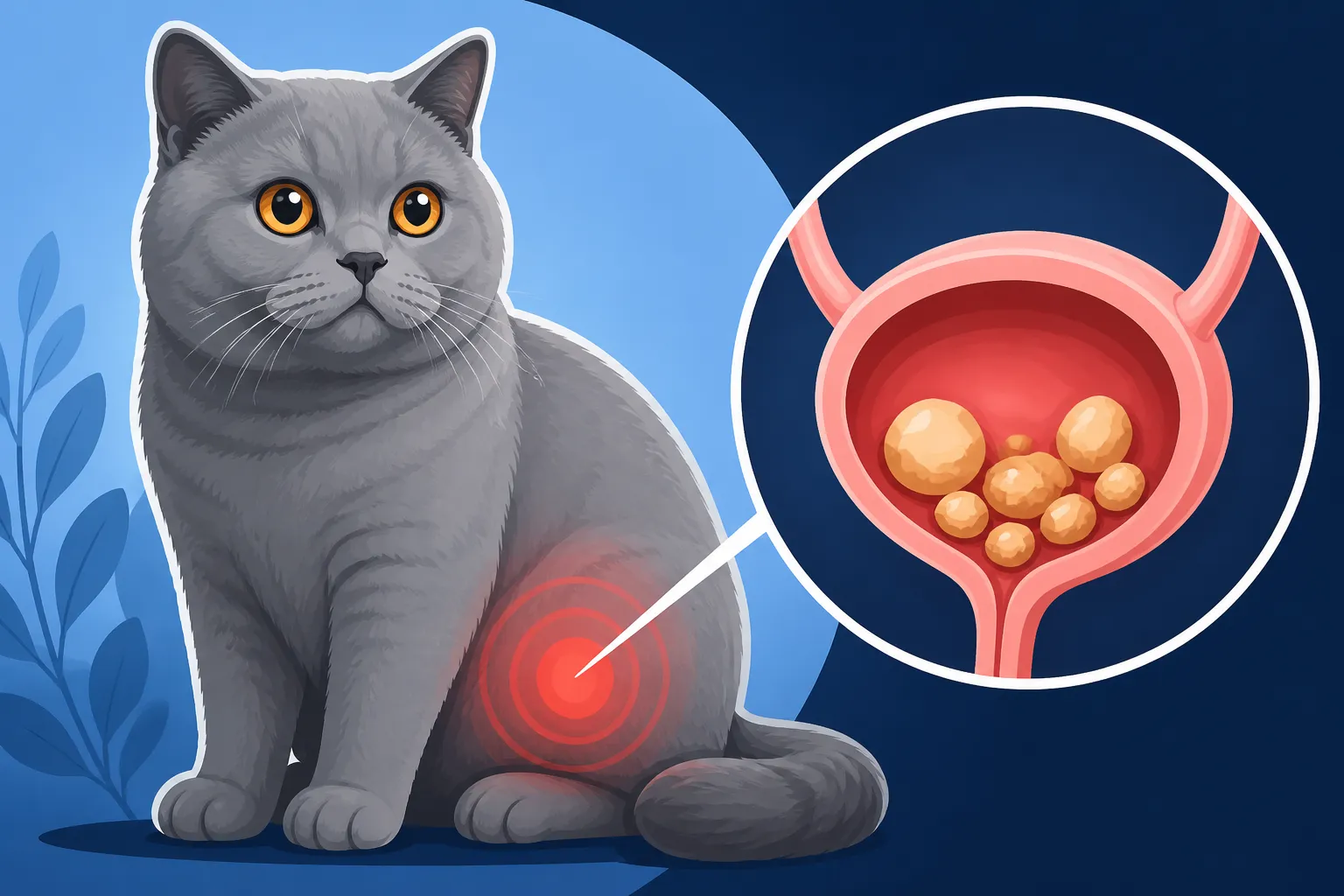
At their core, bladder stones are simply collections of mineral crystals that form within the urinary bladder, kind of like tiny rocks. Imagine little bits of sand slowly accumulating and then hardening into pebbles, or even larger stones, inside your cat's bladder. These aren't just uncomfortable; they can irritate the bladder lining, cause inflammation, and in severe cases, block the flow of urine entirely, which quickly becomes a life-threatening emergency.
There are several types of bladder stones, but in cats, two types make up the vast majority: struvite stones and calcium oxalate stones. Struvite stones are primarily composed of magnesium ammonium phosphate and typically form in alkaline urine. They are often associated with urinary tract infections, as certain bacteria can alter urine pH, creating a prime environment for struvite crystals to form and clump together. Calcium oxalate stones, on the other hand, usually form in acidic urine and are not typically linked to bacterial infections. Understanding the specific type of stone is absolutely crucial because the treatment and prevention strategies are vastly different.
The size of these stones can vary dramatically, from microscopic "sand" that only shows up as crystals in a urinalysis, to large, singular stones that can be several centimeters across. It’s not just the size that matters, but also their number and location. Sometimes, a cat might have a single large stone, while others might have dozens of tiny ones, or even a mix. Either way, they all pose a threat to your British Shorthair's urinary health and comfort.
Why British Shorthairs Are Prone to Them
You might wonder why your robust, healthy-looking British Shorthair would be more susceptible to something like bladder stones. Well, several factors contribute to this predisposition, some of which are unfortunately tied to the breed's characteristics. Their typically placid, somewhat sedentary nature can mean they don't drink as much water as more active breeds, leading to more concentrated urine, which is a key factor in crystal formation.
Diet plays an enormous role. Many commercial cat foods, especially dry kibble, can lead to urine that is either too acidic or too alkaline, creating an ideal environment for stone formation. British Shorthairs are also known for their hearty appetites and a tendency to gain weight, and obesity is a known risk factor for various urinary problems in a British Shorthair, including stones, as it can contribute to a less active lifestyle and potentially lower water intake. Plus, there's a genetic component to consider, with certain breeds showing a higher incidence of specific stone types. While not as strong as in some other breeds, British Shorthairs certainly have a tendency towards urinary issues that owners need to be vigilant about.
Furthermore, male cats, particularly male British Shorthairs, face an additional anatomical challenge. Their urethra, the tube that carries urine from the bladder out of the body, is narrower than a female's. This means that if stones or even just a significant amount of urinary sludge are present, a male British Shorthair is at a much higher risk of developing a life-threatening urethral obstruction, or what we commonly call a blocked bladder. This is why addressing any signs of urinary discomfort promptly is not just about comfort; it's about survival. You can read more about why this happens in our article, Why a Male British Shorthair Blocks.
| Stone Type | Common Urine pH | Associated Factors | Dietary Management Goal |
|---|---|---|---|
| Struvite | Alkaline | Urinary Tract Infections, Diet | Acidify urine, reduce magnesium |
| Calcium Oxalate | Acidic | Diet, Breed Predisposition | Alkalinize urine, reduce calcium/oxalate |
Spotting the Signs of Bladder Stone Troubles
It’s often said that cats are masters of disguise when it comes to illness, and your British Shorthair is no exception. Their calm, sometimes reserved demeanor can make it incredibly challenging to pick up on the subtle cues that something is amiss, especially when it comes to discomfort in their urinary tract. But knowing what to look for can make all the difference.
Subtle Changes in Litter Box Habits
The litter box is your primary diagnostic tool as a cat parent. Any deviation from your British Shorthair's normal routine should raise a red flag. One of the most common signs you might notice is your cat suddenly making frequent trips to the litter box, sometimes going in and out multiple times without producing much, if any, urine. It looks like they're trying to go, straining even, but nothing, or very little, comes out. This can be truly distressing to witness, and for them, it's incredibly painful.
You might also observe your British Shorthair vocalizing in the litter box – a plaintive cry or a low growl could indicate pain. This is a significant red flag, as cats are usually very quiet when doing their business. Another tell-tale sign is inappropriate urination. If your usually fastidious British Shorthair starts peeing outside the litter box, on cool tile floors, in the sink, or on your laundry pile, it's rarely out of spite. More often, it's a desperate attempt to find a less painful place to urinate, or perhaps they associate the litter box with pain. These are classic Signs a British Shorthair Cannot Urinate, and warrant immediate attention.
Beyond frequency and location, pay close attention to the quality of the urine itself. Is it cloudy? Does it have a strong, unusual odor? Most critically, do you see any blood in it? Even a slight pinkish tinge or small clots are serious indicators of an underlying issue, often related to inflammation or irritation from stones. It’s important to remember that these changes, however minor they seem, signal significant discomfort and a potential medical emergency for your cat.
Beyond the Box: Other Indicators of Discomfort
While litter box habits are a primary indicator, bladder stones can manifest in other, more general ways that might initially seem unrelated to urinary issues. One common behavior is excessive licking of the genital area. Your British Shorthair might be trying to soothe the irritation or pain they're feeling, similar to how we might rub a sore spot. This can sometimes lead to skin irritation or even hair loss around the abdomen and inner thighs.
Beyond physical signs, observe changes in their overall demeanor. A cat in pain is often a cat who is hiding. Your usually sociable British Shorthair might become withdrawn, spending more time alone, perhaps under the bed or in a quiet corner. They might be lethargic, less interested in play, or have a reduced appetite. While these could be signs of many ailments, when combined with urinary symptoms, they strongly suggest discomfort related to bladder stones or other Urinary Problems in a British Shorthair.
Furthermore, you might notice changes in their posture. A cat experiencing bladder pain might adopt a hunched-over stance, or seem reluctant to jump or move. Any visible signs of pain, such as flinching when touched around the abdomen, or a general reluctance to be handled, are serious. Remember, our British Shorthairs are incredibly resilient and have a high pain threshold, so by the time they are openly showing signs of distress, the problem is likely well-advanced and requires urgent veterinary care. Don't wait; every moment counts when it comes to urinary health.
Navigating Diagnosis and Treatment
Once you've spotted those worrying signs, the next step is a swift visit to your veterinarian. This isn't something to "wait and see" with, especially given the potential for rapid deterioration and life-threatening complications like a blocked bladder. Your vet will be your guide through the diagnostic labyrinth and help you choose the best course of treatment for your British Shorthair.
The Diagnostic Journey at the Vet
When you bring your British Shorthair in with suspected urinary issues, your vet will start with a thorough physical examination, gently palpating your cat's abdomen to feel for an enlarged bladder or any signs of pain. They'll also ask you detailed questions about the symptoms you've observed, so be prepared to describe changes in litter box habits, frequency, amount, and any vocalization or unusual behaviors.
Next, a urinalysis is essential. This simple test checks the urine's pH, specific gravity (concentration), and looks for the presence of blood, protein, glucose, bacteria, and, most importantly, crystals. Finding crystals in the urine doesn't always mean stones are present, but it strongly suggests a risk. To confirm bladder stones, imaging is usually required. X-rays can reveal most types of stones, especially struvite, which are often radiopaque (visible on X-ray). However, some stones, like certain calcium oxalate types, can be radiolucent and harder to see. In these cases, an abdominal ultrasound becomes invaluable, as it can visualize even small or radiolucent stones, assess the bladder wall thickness, and check the kidneys. Sometimes, your vet may also recommend bloodwork to assess overall kidney function and rule out other underlying health issues, which is typically part of What a British Shorthair's Yearly Bloodwork Should Cover.
It’s crucial to get a definitive diagnosis of the stone type, not just that stones are present. This often means analyzing stones that have been passed or removed surgically. If surgery is performed, samples of the stones are sent to a specialized lab for mineral analysis, which then provides definitive guidance on preventing future occurrences. This entire diagnostic process, while perhaps a bit nerve-wracking, is critical to ensuring your British Shorthair receives the most appropriate and effective treatment.
Treatment Paths: Dissolution or Surgery
Once the type of bladder stone is identified, your vet will discuss the available treatment options. For struvite stones, dietary dissolution is often the first line of defense, provided there's no obstruction. This involves feeding a prescription diet specifically formulated to acidify the urine and reduce the concentrations of magnesium, ammonium, and phosphate. These diets, often from brands like Royal Canin Urinary S/O or Hill's Prescription Diet c/d Multicare, are incredibly effective at dissolving struvite stones over several weeks or months. It requires strict adherence to the diet – no other food or treats – and regular rechecks with your vet to monitor urine and stone size. This can be a significant cost, as What a Prescription Urinary Diet Costs a British Shorthair Owner over time can add up.
However, dietary dissolution is not effective for calcium oxalate stones. For these, and for any stones causing an obstruction (especially in males, who are prone to a blocked bladder), surgery is typically required. A procedure called a cystotomy involves surgically opening the bladder to remove the stones. While surgery might sound daunting, it provides immediate relief and allows for definitive stone analysis. In severe cases of recurrent urethral obstruction in male cats, a perineal urethrostomy (PU) surgery might be recommended, which widens the urethral opening, though this is a last resort. Recovery from surgery involves pain management, antibiotics if an infection was present, and careful monitoring. Many owners find it reassuring to have pet insurance from providers like Healthy Paws when facing unexpected surgical costs.
Beyond these primary treatments, supportive care might include antibiotics for any associated urinary tract infections, pain medication to keep your British Shorthair comfortable, and anti-inflammatory drugs. Your vet will tailor the treatment plan to your cat's specific situation, considering the stone type, their overall health, and whether they are currently obstructed. The goal is not just to remove or dissolve the current stones but to set your British Shorthair up for a stone-free future.
Proactive Steps for Prevention and Management
Successfully treating bladder stones is a huge relief, but the journey doesn't end there. Prevention is key to ensuring your British Shorthair remains healthy and comfortable in the long run. Given their inherent predisposition to these issues, a proactive and consistent approach to their care is absolutely essential.
The Power of Diet and Hydration
Dietary management is paramount in preventing the recurrence of bladder stones. If your British Shorthair had struvite stones, they will likely need to stay on a prescription urinary diet long-term to keep their urine appropriately acidic and dilute. For calcium oxalate stones, a different prescription diet will be recommended, focusing on maintaining a slightly alkaline urine pH and controlling mineral levels like calcium and oxalate. It's not just about the type of food, but also ensuring it's the only food they eat. Even a small amount of regular kibble or treats can negate the therapeutic effects of the prescription diet.
Hydration is equally, if not more, vital. Dilute urine helps flush out mineral crystals before they have a chance to clump together and form stones. Many British Shorthairs, being naturally somewhat inactive, tend to be poor drinkers. Switching to an all-wet food diet can significantly increase their fluid intake, as wet food contains a high percentage of water. If your cat is currently on dry food, gradually transition to wet food, or at least incorporate more wet food meals. You can also encourage drinking by providing multiple water bowls in different locations, trying a pet water fountain (many cats prefer moving water), and even adding a little water to their wet food. Ensuring How Much Water a British Shorthair Should Drink is often a daily struggle for owners.
Clean, fresh water must be available at all times. Consider using filtered water if your tap water has a high mineral content, although this is usually less critical than overall intake volume. Sometimes, subtle flavor additions like a tiny bit of tuna juice (unsalted) or cat-safe chicken broth can entice reluctant drinkers. The goal is to maximize urine volume, making it harder for crystals to concentrate and form stones. This careful management will likely be a lifelong commitment for your British Shorthair, but it's well worth the effort.
Long-Term Monitoring and Lifestyle Adjustments
Beyond diet and water, ongoing monitoring and broader lifestyle adjustments are crucial. Regular veterinary check-ups are non-negotiable, especially after a bladder stone diagnosis. Your vet will want to perform periodic urinalyses to ensure the urine pH remains optimal and that no new crystals are forming. Depending on the history, they might recommend occasional X-rays or ultrasounds to check for new stone formation before they become problematic. This proactive approach helps catch any issues early, before they cause significant discomfort or lead to emergencies.
Weight management is another critical component. As we discussed, Obesity Is the British Shorthair's Real Disease, and an overweight British Shorthair is more prone to a host of health problems, including urinary issues. Maintaining a healthy weight for a British Shorthair encourages better mobility, which in turn can lead to more frequent urination and better overall health. Work with your vet to establish an appropriate feeding plan and portion sizes. Consider interactive feeding toys to make mealtime more engaging and encourage gentle activity.
Finally, managing stress in your British Shorthair's environment can also play a subtle but important role. Stress can sometimes contribute to changes in urinary behavior, and while not a direct cause of stones, a calm environment can support overall well-being. Ensure they have access to quiet resting spots, regular enrichment, and a consistent routine. It's a holistic approach that truly helps in managing their health. When you consider the financial strain of managing chronic conditions, perhaps even involving multiple surgeries, having a pet insurance plan like those offered by Healthy Paws can provide immense peace of mind, covering a significant portion of these ongoing veterinary expenses and making lifelong care more sustainable.
Disclaimer
This article is intended for informational purposes only and does not constitute veterinary advice. Always consult with a qualified veterinarian for any health concerns or before making any decisions about your British Shorthair's care, diet, or treatment.