Signs a British Shorthair Is Diabetic
It’s easy to look at our beloved British Shorthairs and see nothing but their endearing teddy bear faces and plush, round bodies. They’re often quite placid, preferring a cozy nap over an Olympic sprint, which makes them masters of disguise when it comes to subtle health changes. However, this calm demeanor can sometimes mask serious underlying health issues, and one condition that silently creeps up on many British Shorthairs is diabetes. Knowing the early warning signs is absolutely crucial for their well-being, and this guide will walk you through exactly what to look for, helping you protect your cherished companion.
Understanding Diabetes in British Shorthairs
Before we dive into the specific signs, it helps to understand why our British Shorthairs might be more susceptible to diabetes in the first place and what exactly happens when a cat develops this condition. It's not just a "human" disease; it's a very real concern for our feline friends.
Why British Shorthairs Are Prone to Diabetes
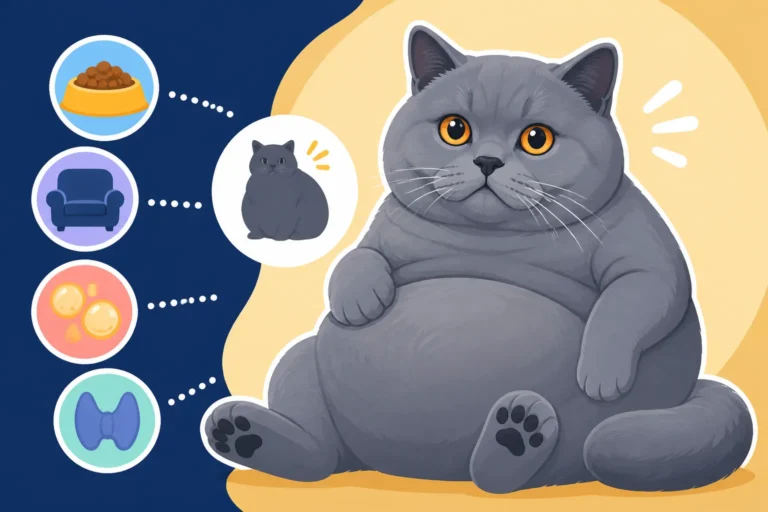
British Shorthairs, with their wonderfully dense coats and stocky build, have a natural tendency to look robust and even a little chunky. However, this often translates into a predisposition for weight gain. Their naturally sedentary lifestyle, often characterized by long naps and a general disinterest in vigorous play, means they don't burn as many calories as more active breeds. This can lead to them becoming overweight, a significant risk factor for feline diabetes.
The connection between obesity and diabetes in cats is stark. Excess fat cells can interfere with the body's ability to use insulin effectively, a phenomenon known as insulin resistance. Imagine your cat’s cells trying to open a door to let sugar (glucose) in, but the key (insulin) isn’t quite fitting anymore. Over time, the pancreas, which produces insulin, gets overworked trying to compensate. Eventually, it might not be able to produce enough insulin, or the body becomes too resistant, leading to high blood sugar levels – diabetes. It’s a sad reality that while we love their roundness, we also have to be vigilant about managing their weight. If you've ever wondered Why a British Shorthair Gains Weight So Easily, you'll understand why this breed often faces this challenge.
The Basics of Feline Diabetes Mellitus
At its heart, feline diabetes mellitus is a metabolic disorder where a cat's body either doesn't produce enough insulin or can't properly use the insulin it does produce. Insulin is a hormone vital for converting glucose (sugar) from food into energy for the body's cells. Without proper insulin function, glucose stays in the bloodstream, leading to dangerously high blood sugar levels.
Most cases of diabetes in cats, particularly in breeds like the British Shorthair, are similar to Type II diabetes in humans. This means the pancreas is still producing some insulin, but the body's cells are resistant to its effects. In rare cases, cats can develop Type I diabetes, where the pancreas produces little to no insulin, but this is far less common. Understanding this basic mechanism helps make sense of the symptoms you're about to read, as they are all direct consequences of the body's inability to process sugar efficiently for energy.
Early Warning Signs to Watch For
The earliest signs of diabetes can be incredibly subtle, easily dismissed as normal behavior changes or just part of getting older. But for vigilant British Shorthair owners, these small shifts can be crucial indicators that something isn't quite right.
Changes in Thirst and Urination
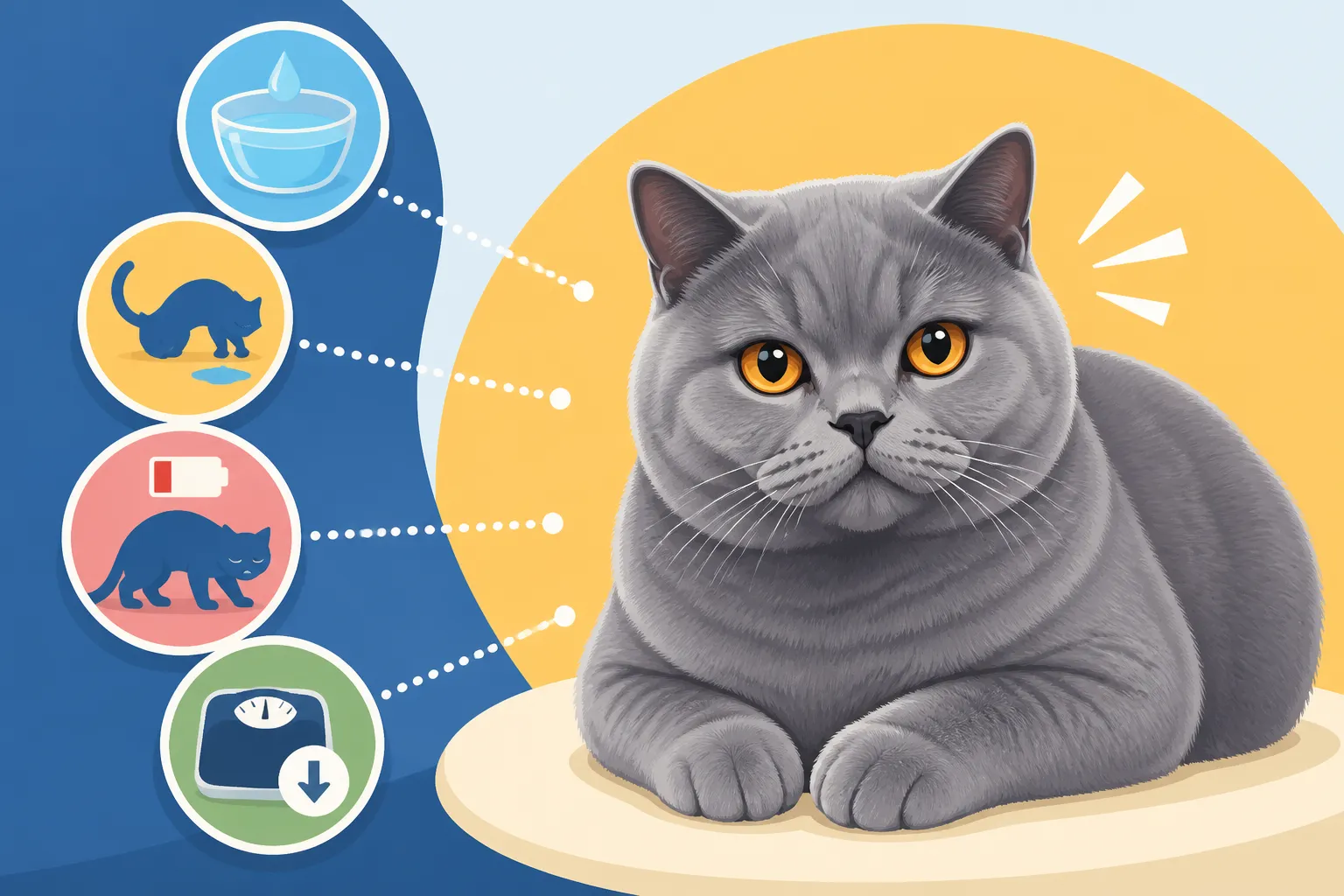
One of the hallmark signs of feline diabetes, and often one of the first things owners might notice, is a significant increase in thirst, medically known as polydipsia. You might find yourself refilling the water bowl more frequently than usual. Perhaps your British Shorthair, who previously only sipped politely, is now constantly glued to the water fountain, or even trying to drink from the bathroom faucet or the shower floor. This isn't just a slight increase; it's often a noticeable, persistent thirst that can seem out of character.
Hand-in-hand with increased thirst comes increased urination, or polyuria. Because there's too much sugar in the blood, the kidneys work overtime to filter it out, drawing more water along with it, which then gets expelled as urine. What does this mean for you? You'll likely notice larger, more frequent clumps in the litter box. Your cat might start urinating outside the box, not out of spite, but because they simply can't hold it or aren't making it to the box in time due to the sheer volume. Don't immediately assume behavioral issues; consider the possibility of a medical problem like diabetes first. Increased urination can also be a sign of Urinary Problems in a British Shorthair in general, making veterinary investigation crucial.
Unexplained Weight Loss Despite Normal or Increased Appetite
This particular symptom can be quite bewildering for many owners. You might observe that your British Shorthair, who has always been a rather chunky fellow, seems to be losing weight, yet his appetite hasn't decreased – in fact, it might even have increased. This paradox is a major red flag for diabetes.
The reason behind this seemingly contradictory symptom is that even though your cat is eating, their cells aren't getting the glucose they need for energy because of the insulin deficiency or resistance. The body, desperately seeking fuel, starts breaking down its own fat and muscle stores to compensate. So, your cat might be consuming more food (polyphagia) because their body is constantly telling them they're starving for energy, but they're still shedding pounds because that energy isn't being utilized effectively. You might feel their ribs more easily through their plush coat, or notice their spine becoming more prominent. It's a sign that their body is literally wasting away, even with food in their belly. It’s a vital indicator that goes beyond simply observing Signs a British Shorthair Is Overweight and points to a deeper metabolic issue.
More Advanced Symptoms and Behavioral Clues
As diabetes progresses or remains undiagnosed, the symptoms tend to become more pronounced and can significantly impact your British Shorthair's overall well-being and demeanor. These signs are often harder to miss and signal a more urgent need for veterinary intervention.
Changes in Appetite and Energy Levels
While we mentioned increased appetite (polyphagia) as an early sign that might accompany weight loss, it's worth reiterating its significance. A constantly hungry cat, even after a full meal, whose body is literally wasting away is a serious indicator. Their body is in a state of starvation at a cellular level, prompting a relentless drive to eat. This can be distressing for owners who feel like they're feeding their cat constantly, only for them to remain gaunt.
Coupled with changes in appetite, you'll almost certainly notice a significant drop in your British Shorthair's energy levels. These cats are naturally calm, often described as "couch potatoes," but diabetic lethargy is different. They might become even more withdrawn, showing no interest in their usual gentle play sessions, or perhaps even less interaction with family members. They might sleep more profoundly or appear generally weak and listless. Their once eager (if slow) waddle to the food bowl might become an effort. This profound tiredness is a direct result of their cells being starved of glucose, leading to a systemic feeling of malaise. For a breed already known for its calm disposition, it's important to differentiate between their normal chill attitude and genuine lethargy.
Coat Condition and Other Physical Indicators
Beyond the more obvious changes in thirst, urination, and weight, diabetes can manifest in other physical ways that might surprise you. One common, though often overlooked, sign is a deterioration in coat condition. A diabetic cat may develop a dull, greasy, unkempt, or matted coat. This happens for a few reasons: their general unwellness can reduce their ability or desire to groom themselves thoroughly, especially in hard-to-reach areas like their back, leading to matting. Moreover, high blood sugar can impact skin health. If you’ve noticed your British Shorthair struggling to groom their back, which is a common issue for larger or Why an Overweight British Shorthair Cannot Groom Its Back, this could be exacerbated by the weakness or discomfort associated with diabetes.
Another advanced, and quite specific, physical sign is diabetic neuropathy, particularly affecting the hind legs. This nerve damage, caused by prolonged high blood sugar, can lead to weakness, an unsteady gait, or even a distinctive "plantigrade stance," where the cat walks with their hocks (ankles) closer to the ground, rather than on their toes. It can look almost like they're squatting or walking flat-footed. In addition to these, diabetic cats are also more prone to recurrent infections due to a weakened immune system. This could manifest as frequent Urinary Problems in a British Shorthair or even conditions like Gingivitis in a British Shorthair that seem to appear more often or are harder to clear up. These subtle yet persistent health issues can be an underlying sign of metabolic disruption.
When to Seek Veterinary Attention
Recognizing these signs is just the first step; knowing when to act is equally important. While all the signs discussed warrant a vet visit, some situations are truly urgent.
Recognizing an Emergency
While early detection of diabetes offers the best prognosis, sometimes the disease can progress rapidly or lead to acute complications. The most severe complication is diabetic ketoacidosis (DKA), which is a life-threatening emergency. DKA occurs when the body, unable to use glucose for energy, starts breaking down fat at an alarming rate, producing ketones as a byproduct. These ketones build up in the blood, making it dangerously acidic.
Signs of DKA are severe and should prompt an immediate trip to the emergency veterinary clinic. Look out for persistent vomiting and diarrhea, extreme lethargy, severe dehydration, and a sweet, fruity smell to your cat's breath (due to the ketones). Labored breathing, weakness, and collapse are also critical indicators. If your British Shorthair displays any of these symptoms, do not wait. This is a critical situation where every minute counts. This extreme state is a clear demonstration of Signs a British Shorthair Is Unwell that requires swift medical intervention.
The Importance of Early Diagnosis and Management
If you notice any of the aforementioned signs, even the subtle ones, don't delay in scheduling an appointment with your veterinarian. Early diagnosis of diabetes is paramount, as it significantly improves the chances of successful management and, in some cases, even diabetic remission, especially if it’s caught before the pancreas is completely exhausted. Your vet will typically perform blood tests to check blood glucose levels and a fructosamine test (which gives an average blood glucose over several weeks), along with urine tests to look for glucose and ketones. This is part of What a British Shorthair's Diabetes Workup Costs, but it's an investment in their future health.
Management often involves dietary changes, moving to a high-protein, low-carbohydrate diet, and insulin injections, which can seem daunting at first but become a routine for many owners. Regular monitoring of blood sugar levels is also crucial. The good news is that with dedicated care, many diabetic British Shorthairs can live full, happy lives. Considering pet insurance, like a plan from Healthy Paws, early on can be a huge relief when faced with the ongoing costs of managing a chronic condition like diabetes, covering things like insulin, specialized foods, and regular vet visits. It offers peace of mind knowing you can provide the best care without financial strain. For more insight into prevention, you might want to read Whether an Overweight British Shorthair Gets Diabetes. Managing the condition requires ongoing financial commitment, and understanding What Insulin Costs a British Shorthair Owner can help you prepare.
Here's a quick overview of the key signs to keep an eye on:
| Symptom Category | Specific Signs | What to Look For | Urgency Level |
|---|---|---|---|
| Thirst & Urination | Increased thirst (Polydipsia) | Frequently refilling water bowls, drinking from unusual sources, constant presence at the water fountain. | High |
| Increased urination (Polyuria) | Larger, more frequent clumps in the litter box, needing to clean the box more often, accidents outside the litter box. | High | |
| Weight & Appetite | Unexplained weight loss despite normal/increased appetite (Polyphagia) | Cat appears thinner (ribs/spine prominent) even though they seem hungrier and are eating regularly; the paradox of "eating but shrinking." | High |
| Energy & Behavior | Lethargy, reduced activity, increased sleeping | More withdrawn, less interested in play, slower movements, prolonged periods of deep sleep beyond their usual calm nature. | Medium |
| Physical Appearance | Dull, greasy, matted coat (especially on the back) | Poor grooming habits, unkempt fur, mats forming where they previously groomed themselves well. | Medium |
| Weakness in hind legs / Plantigrade stance (Diabetic Neuropathy) | Walking flat-footed on hocks instead of toes, unsteady gait, difficulty jumping. | High | |
| Recurrent infections (UTIs, skin issues) | Persistent or frequent urinary problems, skin irritation or infections that don't clear easily. | Medium | |
| Emergency Signs | Vomiting, diarrhea, severe lethargy, sweet-smelling breath, labored breathing, collapse | Immediate veterinary emergency; indicates Diabetic Ketoacidosis (DKA). | CRITICAL |
Remember, while this guide provides extensive information, it’s not a substitute for professional veterinary advice. Always consult your vet if you have any concerns about your British Shorthair’s health.
Disclaimer
This article is intended for informational purposes only and does not constitute medical advice. Always consult with a qualified veterinarian for any health concerns or before making any decisions related to your pet's health or treatment.