Where the British Shorthair Ranks in Registrations
It's completely understandable to wonder just how popular the British Shorthair truly is, especially when you see their charming faces everywhere from online forums to advertisements. You might be curious if their gentle nature and teddy bear looks have translated into top-tier status among cat breeds globally. This guide is here to shed light on the British Shorthair's standing in major cat registries, delving into what makes them such a beloved and frequently registered companion.
Understanding Cat Registries and Their Role
Before we dive into rankings, it’s important to understand what a cat registry actually is and why these organizations play such a crucial role in the world of purebred cats. Think of a cat registry as the official record keeper for specific breeds. They define the breed standards – what a British Shorthair should look like, its ideal temperament, and even permissible colors and patterns. They also register individual cats and their litters, maintaining pedigrees that track ancestry, ensuring genetic diversity (or at least, the tracking of it), and upholding the integrity of the breed.
What Exactly Is a Cat Registry?
A cat registry is essentially a governing body for feline purebreds. It sets the rules for breeding, showing, and registering cats of specific breeds. When a breeder talks about a cat being "registered," it means its lineage has been documented with one of these organizations, and it meets the criteria for that particular breed. This isn't just a fancy certificate; it's a way to ensure that cats being sold as British Shorthairs truly are British Shorthairs, tracing their heritage back through generations. For prospective owners, a registered cat offers a certain level of assurance about its background and breed characteristics. Without these registries, distinguishing a well-bred purebred from a backyard mix would be incredibly difficult, and the standards that define our beloved British Shorthairs could quickly become diluted. These organizations are the backbone of responsible breeding.
Major Registries Influencing British Shorthair Popularity
Globally, several key registries influence and track the popularity of the British Shorthair. Each has its own standards, historical context, and geographical reach, which can affect where the British Shorthair ranks.
- The Cat Fanciers' Association (CFA): This is one of the largest and most respected cat registries in North America. Their annual registration statistics are a major indicator of breed popularity in the United States. The CFA has been instrumental in promoting and recognizing the British Shorthair, particularly in regions where the breed was less known historically. Their detailed records offer a snapshot of which breeds are gaining or losing ground with breeders and pet owners.
- The International Cat Association (TICA): Another prominent international registry, TICA boasts a more global presence and often has slightly different breed standards or approaches to new breeds. For the British Shorthair, TICA's reach means its popularity is tracked across many countries, offering a broader perspective than a purely national registry. TICA's emphasis on genetic diversity and comprehensive health programs also influences how breeders might choose to register their cats.
- The Governing Council of the Cat Fancy (GCCF): As the premier registry in the United Kingdom, the GCCF holds significant historical importance for the British Shorthair, given its origins. The breed's popularity in its home country is primarily reflected through GCCF registrations. For British Shorthair enthusiasts, the GCCF is often seen as the ultimate authority, setting the foundational standard for the breed. If you're looking for a cat with a solid British lineage, a GCCF registered cat often comes with a certain prestige and adherence to the traditional "type."
Each of these organizations provides valuable insights into the British Shorthair's journey through the ranks of popular cat breeds, showcasing how different regions and standards contribute to its overall standing.
The British Shorthair's Historical Ascent in Popularity
The British Shorthair wasn't always the internationally recognized darling it is today. Its journey from common street cat to pedigreed star is a fascinating tale, marked by periods of immense popularity, near-extinction, and determined revival. Understanding this history helps us appreciate its current standing in registration rankings.
Early Days and Original Recognition
The story of the British Shorthair really begins with the everyday working cats of Great Britain – hardy, robust felines that had adapted perfectly to the damp British climate. These were the cats that kept rodent populations in check on farms and in homes. It wasn't until the late 19th century that a man named Harrison Weir, often considered the father of the modern cat fancy, took an interest in formalizing these native cats into a recognized breed. He saw their sturdy build, kind faces, and plush coats as something truly special, something worth preserving and celebrating.
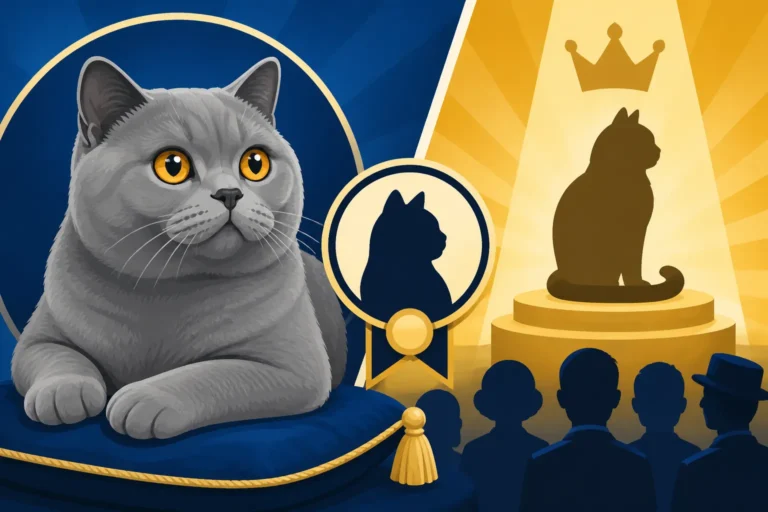
Weir organized the first modern cat show at Crystal Palace in London in 1871. Imagine the scene: an array of exotic and domestic cats, but among them, the familiar "shorthaired domestic" stock, now being judged against a standard. It was here that the British Shorthair, as we know it, officially made its debut and gained its initial recognition. The early British Shorthairs were often quite diverse in appearance, but Weir's vision laid the groundwork for the breed's distinct characteristics. This early recognition sparked a boom in their popularity, establishing them as a beloved fixture in British households. Who Harrison Weir Was to the British Shorthair details this fascinating period.
Post-War Revival and Cross-Breeding Impact
Tragically, the two World Wars had a devastating impact on many purebred cat breeds, and the British Shorthair was no exception. Breeding efforts dwindled, resources were scarce, and many lines were lost. By the end of World War II, the breed was on the brink of extinction, with very few remaining specimens. It was a dire situation, and dedicated breeders faced an uphill battle to save their beloved cats.
To rebuild the breed, ethical outcrossing became necessary. Breeders carefully introduced other breeds, most notably the Persian, but also some domestic shorthairs, to re-establish genetic diversity and replenish numbers. This wasn't done lightly; it was a painstaking process aimed at maintaining the core British Shorthair characteristics while preventing the breed from disappearing entirely. The influence of the Persian, in particular, helped to enhance the British Shorthair's cobby body, rounder head, and dense coat, characteristics that are so cherished today. Which Breeds Rebuilt the British Shorthair goes deeper into this vital restoration. This period truly highlights the dedication of breeders who worked tirelessly to bring the British Shorthair back from the brink, ensuring its future for generations to come. Why British Shorthair Numbers Collapsed in the Wars further explains the challenges faced.
The "Blue" Influence and Media Representation
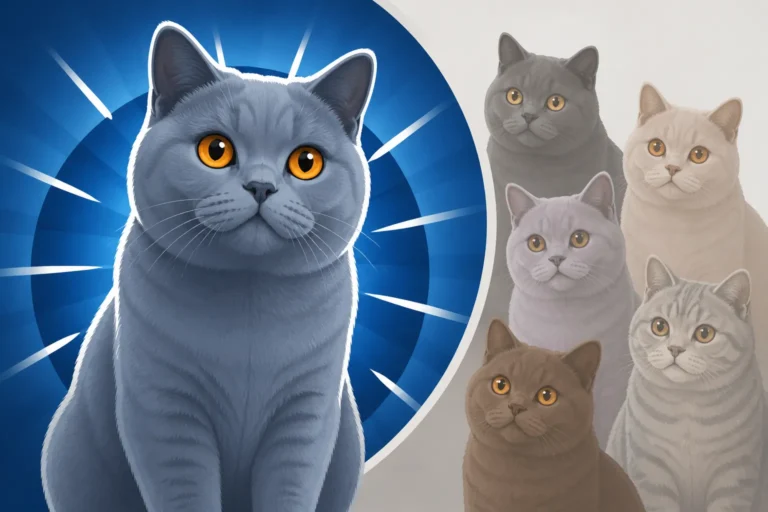
When most people picture a British Shorthair, they immediately think of the striking solid blue coat, often with captivating copper or gold eyes. This iconic "British Blue" coloration has played an enormous role in the breed's widespread appeal and recognition. While British Shorthairs come in a rainbow of colors and patterns, the blue variant has always held a special place in the public imagination.
This prominence isn't accidental. The British Blue was one of the earliest and most commonly recognized colors, and its dignified appearance made it a favorite in early cat shows and literature. Over the years, the image of the stoic, chunky blue cat became synonymous with the breed itself. Media representation, from classic children's books (think the Cheshire Cat in Alice in Wonderland, often depicted with a British Shorthair-esque grin) to modern advertising, has further cemented the blue British Shorthair as the archetypal example. This consistent visual presence means that even people unfamiliar with cat breeds by name often instantly recognize a British Shorthair when they see a blue one. Why the Blue Is the Best Known British Shorthair delves into this phenomenon. This strong, recognizable image undoubtedly contributes to its high registration numbers, as people seek out the breed they've admired in popular culture.
Current Registration Trends for the British Shorthair
So, with all that history, where does the British Shorthair stand today? The good news for fans of this magnificent breed is that it continues to be one of the most popular and highly registered cat breeds across the globe. Its consistent appeal has seen it climb the ranks and hold a strong position in various registries.
How Popular Is It Today?
The British Shorthair enjoys immense popularity in the present day, consistently ranking among the top breeds in major cat registries. For instance, in both the CFA and TICA, the British Shorthair often places within the top five, and sometimes even within the top three, of registered breeds. This isn't just a fleeting trend; it reflects a sustained demand from individuals and families looking for a companion that embodies calmness, affection, and a relatively low-maintenance lifestyle. While exact numbers fluctuate year by year, the overall trajectory for the British Shorthair has been one of steady ascent and enduring high regard. They are not merely a trendy breed; they have cemented their status as a beloved classic.
This sustained popularity means that breeders often have waiting lists, particularly for certain colors or sexes, and finding a kitten might require patience and careful planning. However, this demand also means there's a thriving community of dedicated breeders working to maintain the breed's health and standards.
Factors Driving Its Contemporary Appeal
What exactly makes the British Shorthair such a sought-after feline companion in today's world? It really boils down to a perfect blend of desirable traits that resonate with modern lifestyles.
Firstly, their temperament is often described as serene and laid-back. In a busy, often stressful world, the calm presence of a British Shorthair is incredibly appealing. They are known for being affectionate without being overly demanding, happy to sit near you rather than constantly on your lap. This makes them ideal for individuals or families who appreciate a loving pet but don't necessarily want a cat that needs constant attention. What a British Shorthair's Temperament Is Really Like explores this in detail.
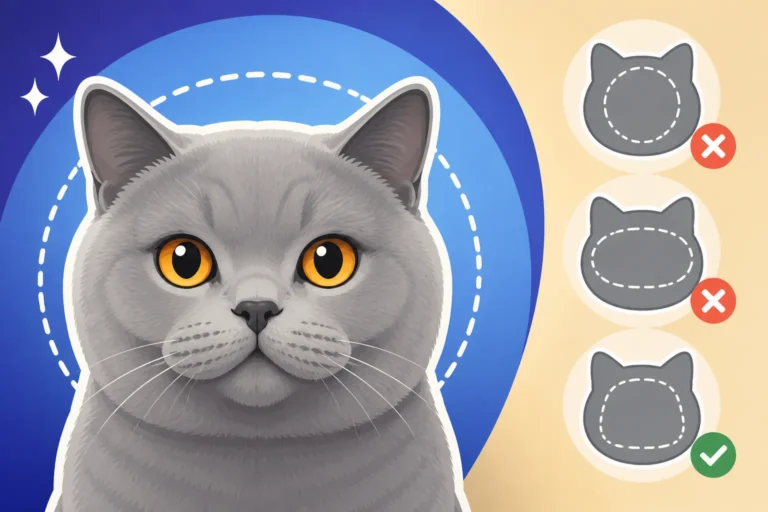
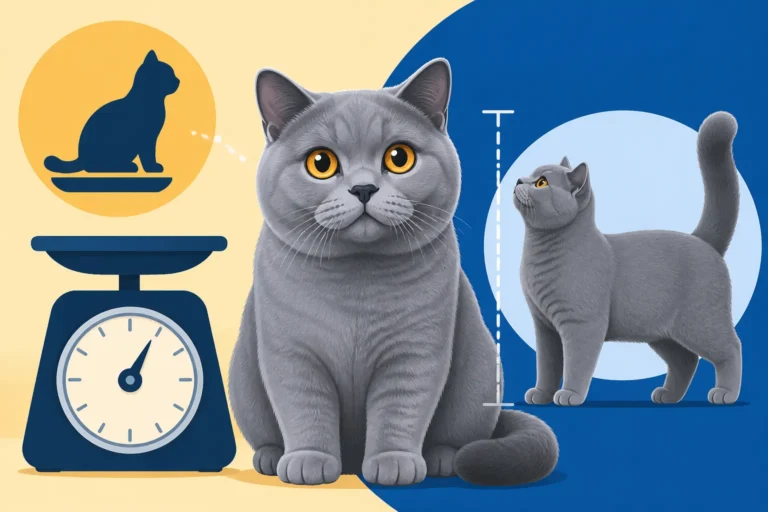
Secondly, their appearance is simply irresistible. The "teddy bear" look, with their dense, plush coat, round head, and chubby cheeks (especially prominent in males, known as jowls), gives them an endearing, almost cartoon-like quality. This visual appeal is highly photogenic and contributes to their widespread presence on social media, further boosting their popularity. What a British Shorthair Weighs and How Big It Gets gives you an idea of their impressive stature.
Finally, their adaptability to indoor living is a huge plus. British Shorthairs are generally content to be indoor cats, which suits apartment dwellers or those concerned about the safety of outdoor access. Their low energy levels mean they aren't constantly looking for mischief, although regular playtime is still important to keep them healthy. They tend to be excellent companions for families with children and even other pets, as long as introductions are handled carefully. This makes them a versatile and much-loved member of many different types of households. How Well a British Shorthair Suits a First Time Cat Owner confirms their suitability.
Differences in Regional Popularity
While the British Shorthair is popular globally, there are some interesting differences in its ranking and prominence across various regions. These differences can often be attributed to historical factors, cultural preferences, and the presence of competing popular breeds.
- United Kingdom: As the breed's country of origin, the British Shorthair has always held a special place in the UK. Under the GCCF, it consistently ranks as one of the top registered breeds, often vying for the number one spot. There's a deep-seated appreciation for their heritage and classic British charm, and they are truly considered a national treasure. This enduring popularity means finding a reputable breeder might be easier, but demand remains high.
- United States: In North America, particularly with the CFA, the British Shorthair has seen a significant surge in popularity over recent decades. While traditionally breeds like the Persian or Maine Coon might have dominated, the British Shorthair has steadily climbed the ranks and now typically holds a position in the top five. Its serene temperament and robust health (generally speaking, though specific health tests are vital – more on that later) have made it a favorite among American cat lovers.
- Europe and Asia: The British Shorthair also commands strong popularity across continental Europe and in many Asian countries. In some regions, its unique "teddy bear" appearance has propelled it to celebrity status, leading to very high demand. The internet and social media have played a huge role in disseminating images and information about the breed, creating a global fan base that transcends traditional geographical boundaries. This global appeal means that wherever you go, you're likely to find a dedicated community of British Shorthair enthusiasts.
Why Registration Numbers Matter for Owners and Breeders
Understanding where a breed like the British Shorthair ranks in registration isn't just a matter of curiosity; it has tangible implications for both prospective owners and dedicated breeders. These numbers can influence everything from availability and cost to the overall health and ethical considerations within the breed.
Impact on Availability and Cost
When a breed consistently ranks high in registration numbers, it generally indicates strong demand. For the British Shorthair, this high demand has a direct impact on availability and cost. If you're looking to bring a British Shorthair kitten into your home, you'll likely encounter a few realities:
- Waiting Lists: Reputable breeders, especially those who prioritize health screening and proper socialization, often have waiting lists for their kittens. You might need to plan several months, or even up to a year, in advance to secure a kitten from a desired litter. This wait is often a good sign, as it indicates a breeder who is not over-producing and is carefully placing their kittens.
- Higher Price Point: Popularity, unfortunately, often translates to a higher price tag. The initial cost of a British Shorthair kitten from a reputable breeder can be substantial, reflecting the breeder's investment in quality breeding stock, health testing, proper nutrition, and veterinary care for the queen and kittens. These costs cover much more than just the kitten itself; they represent the dedication to the breed's future. What a British Shorthair Costs to Buy in 2026 provides more context on this.
- Careful Selection: With high demand, there's always a risk of unscrupulous breeders trying to capitalize on the popularity. This makes it even more crucial for prospective owners to do their homework and ensure they are purchasing from a responsible, ethical breeder who performs all necessary health screenings and provides a healthy, well-socialized kitten.
The Link Between Popularity and Ethical Breeding
While popularity can be a boon for a breed, bringing it to a wider audience and ensuring its continuation, it also comes with potential pitfalls, especially concerning ethical breeding practices.
- Increased Scrutiny (Positive): For the most part, the British Shorthair's popularity has meant increased attention from veterinary professionals and geneticists. This can lead to more research into breed-specific health concerns and the development of better screening protocols. Responsible breeders, in turn, are more likely to participate in these health programs, contributing to the overall health of the breed. For example, conditions like Hypertrophic Cardiomyopathy (HCM) or Polycystic Kidney Disease (PKD) have been major focuses for British Shorthair breeders. Whether a British Shorthair Is a Healthy Breed discusses this in greater detail.
- The Rise of "Backyard Breeders" (Negative): On the flip side, high demand can attract individuals who are more interested in profit than in the welfare of the cats or the integrity of the breed. These "backyard breeders" or "kitten mills" often skip essential health screenings, neglect proper socialization, and may breed cats too frequently or too young. They might sell kittens at lower prices, which can seem attractive but often leads to future health and behavioral problems for the unsuspecting owner.
- Maintaining Breed Standards: Ethical breeders of popular breeds work tirelessly to adhere to and maintain the breed standard set by registries like the CFA or GCCF. They focus on producing cats that not only look the part but also possess the characteristic calm temperament and good health. Their goal is to improve the breed with each generation, not just to produce as many kittens as possible. This is why asking a breeder about their registration, health testing, and lineage is so important.
What to Look For Beyond Just Popularity
As you consider bringing a British Shorthair into your life, don't let popularity alone be your guide. While it's reassuring that the breed is well-loved and recognized, there are crucial factors that speak to the quality and ethics of the breeding program.
| Factor | What It Means for You |
|---|---|
| Health Screening | A responsible breeder will openly share results for genetic tests like PKD (Polycystic Kidney Disease) and regular echocardiograms for HCM (Hypertrophic Cardiomyopathy) for the parents. They should have a clear understanding of What a British Shorthair Breeder Should Have Tested. |
| Temperament | Observe the kittens and their parents. Are they calm, friendly, and well-socialized? A good breeder will ensure kittens are exposed to various sights, sounds, and gentle handling. A British Shorthair should be The Quietest Cat in the House. |
| Breeder Transparency | A reputable breeder will welcome questions, allow visits (or video calls), provide references, and be willing to discuss their breeding philosophy. They should offer a written contract. |
| Registration Papers | Ensure the kitten comes with registration papers (or the promise of them after spay/neuter). This confirms its purebred status and lineage. |
| Early Spay/Neuter | Many reputable breeders will have kittens spayed or neutered before they go to their new homes, typically around 12-16 weeks of age, ensuring pet quality cats aren't used for irresponsible breeding. |
| Lifetime Support | An ethical breeder will be a resource for you throughout your cat's life, offering advice and support. |
Ultimately, a truly great British Shorthair isn't just about its impressive lineage or how many other cats like it are registered; it's about a healthy, well-adjusted individual that will bring joy and companionship to your home for many years.
Navigating the British Shorthair's Popularity as a Prospective Owner
The British Shorthair's widespread popularity means that while they are highly sought after, there are also more resources and opportunities to find one. However, it also means you need to be diligent in your search to ensure you bring home a healthy, well-adjusted cat from an ethical source.
Finding a Reputable Breeder in a Popular Breed
When a breed is popular, the market can be flooded with options, both good and bad. Finding a reputable British Shorthair breeder requires patience, research, and asking the right questions. Here’s how to navigate the process:
- Start with Breeder Directories: Begin your search by looking at the breeder directories provided by major cat registries like the CFA, TICA, or GCCF. These organizations often list registered catteries that adhere to their standards. This is a crucial first step, as it helps filter out those who aren't invested in the breed's integrity.
- Ask for Recommendations: Reach out to local cat clubs, veterinarians, or even British Shorthair owners you know. Personal recommendations can be invaluable in finding a breeder with a solid reputation.
- Interview Breeders Thoroughly: Don't be shy about asking a lot of questions. Inquire about their breeding philosophy, the health testing they conduct on their breeding cats (ask to see copies of health clearances for parents, especially for HCM echoes and PKD DNA tests), their kitten socialization practices, and what kind of support they offer after you take a kitten home. A good breeder will expect these questions and be eager to answer them transparently.
- Visit the Cattery (or Arrange Video Calls): Ideally, visit the breeder's home or cattery to see the living conditions of the cats and kittens. Observe the temperament of the parent cats and how the kittens interact. Are they clean, well-fed, and playful? If an in-person visit isn't possible, a video call where you can see the environment is the next best thing.
- Review Contracts and Guarantees: A reputable breeder will provide a written contract that outlines health guarantees, return policies, and often, a spay/neuter agreement. Read this carefully and ensure you understand all terms before committing.
- Patience is Key: As mentioned, you might face a waiting list. Embrace this! A waiting list usually indicates a breeder who prioritizes quality over quantity, ensures proper spacing between litters, and carefully matches kittens with families. This wait is absolutely Whether a British Shorthair Is Worth the Wait.
Considering Rescue British Shorthairs
While many people dream of a British Shorthair kitten, don't overlook the wonderful option of adopting an adult British Shorthair from a rescue organization. The popularity of the breed, surprisingly, also means that British Shorthairs occasionally find themselves in need of new homes.
- Why British Shorthairs End Up in Rescue: Life circumstances change for owners. Sometimes it's a move, a divorce, allergies, or an owner who underestimated the commitment of cat ownership. Occasionally, older breeding cats are retired and need loving forever homes. Unfortunately, sometimes a British Shorthair ends up in rescue because its owner couldn't manage the financial commitment for health issues, such as those related to Obesity Is the British Shorthair's Real Disease.
- Benefits of Adopting an Adult: Adopting an adult British Shorthair can be incredibly rewarding. You often get a cat with an established personality, often litter-trained, and already past the boisterous kitten stage. Many adult British Shorthairs adapt beautifully to new homes and quickly bond with their new families. Plus, you're giving a deserving cat a second chance at happiness.
- Where to Look: Search for breed-specific British Shorthair rescues in your area or region. General animal shelters sometimes have purebreds, but breed-specific rescues often have more insight into the cat's background and health history. These organizations are dedicated to the breed and typically ensure that all cats are spayed/neutered, up-to-date on vaccinations, and have received a vet check. They'll also work to match you with a cat whose temperament suits your household. You might even find a rescue British Shorthair that has already been Whether a Rescue British Shorthair Has Been Scanned.
Whether you choose a kitten from a reputable breeder or adopt an adult from a rescue, the British Shorthair's enduring popularity ensures that there are many avenues to welcome one of these charming felines into your life. The key is to approach your search with diligence and an unwavering commitment to ethical practices. You might also want to explore resources like Chewy for all your British Shorthair's needs, from specialized food to sturdy cat trees and grooming tools, once you bring your furry friend home.
Disclaimer
This article is for general informational purposes only and does not constitute professional advice. Laws, prices and regulations vary by location and change over time. Consult a qualified professional for guidance on your specific situation.