When TICA Recognized the British Shorthair
It’s easy to look at the British Shorthair today, with their undeniable charm and widespread popularity, and assume they’ve always been a beloved fixture in the cat world. But like many breeds, their journey to formal recognition, especially by organizations like The International Cat Association (TICA), was a long and sometimes challenging one. This guide will walk you through the fascinating history of the British Shorthair and precisely when TICA officially embraced this wonderful breed.
The British Shorthair's Storied Path to Modern Cat Fancy
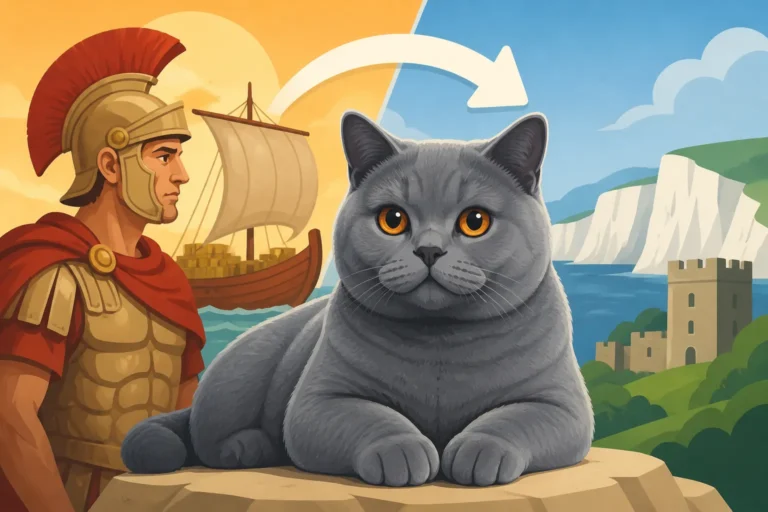
The British Shorthair is often seen as the quintessential cat of England, with a history that stretches back centuries, long before formal cat shows or breed registries existed. These were the working cats of Britain, robust and sturdy, valued for their mousing abilities and calm demeanor. They adapted to the British climate with their dense, plush coats, and developed the solid, cobby build we recognize today. Their path to becoming a recognized breed was far from straightforward, encountering both triumph and near-extinction.
From Street Cat to Show Bench Star
Initially, these cats were simply known as British "shorthairs," a general descriptor rather than a breed name. They were the common domestic cats found in homes, barns, and on the streets across the UK. It was largely thanks to the efforts of one man, Harrison Weir, often considered the "father of the cat fancy," that these everyday felines began their transformation into a pedigreed breed. Weir was captivated by their beauty and distinct characteristics, believing they deserved a place of honor in the nascent world of cat shows. He took a keen interest in defining the ideal type, focusing on their robust build, short dense coat, and round face. His efforts led to the inclusion of the British Shorthair in the very first cat show at Crystal Palace in London in 1871, where Weir himself judged. The winning cat was, of course, a British Shorthair, marking a pivotal moment in the breed's journey from humble origins to a celebrated show cat. Harrison Weir Put a British Shorthair on the Bench in 1871 was a monumental step, solidifying their place in the emerging cat fancy.
Surviving the World Wars and Rebuilding
Despite their early success and popularity in the late 19th and early 20th centuries, the British Shorthair faced immense challenges. The two World Wars devastated many European cat breeds, including the British Shorthair. Food shortages, economic hardships, and the sheer disruption of daily life meant that breeding cats became a luxury many could not afford, and careful selective breeding was often put on hold. The breed's numbers dwindled drastically, pushing them to the brink of extinction. After World War II, dedicated breeders had to work tirelessly to rebuild the population and re-establish the breed's distinct characteristics. This often involved careful outcrossing with other breeds, most notably Persians, to restore genetic diversity and improve their type. The influence of The Persians That Rebuilt the British Shorthair After the War is still evident in the breed's plush coat and round head. This period was crucial for the breed's survival and laid the groundwork for its eventual international recognition.
Understanding TICA and Its Role in the Cat World
Before diving into the specifics of TICA's recognition of the British Shorthair, it’s helpful to understand what TICA is and its overall philosophy. The International Cat Association (TICA) is one of the largest and most progressive cat registries in the world. Founded in 1979 in the United States, TICA has always aimed to be forward-thinking, emphasizing the health and welfare of cats while promoting the responsible breeding of pedigreed cats.
TICA's Vision and Philosophy
TICA's vision differs slightly from some older, more traditional cat associations. While it certainly upholds breed standards, it's often praised for its inclusive and growth-oriented approach. TICA is known for encouraging new and developing breeds, providing pathways for these breeds to gain recognition and flourish. This progressive outlook means that TICA often recognizes breeds or new color variations more readily than some other registries, contributing significantly to the diversity seen in the modern cat fancy. They focus on clear, verifiable pedigrees and genetic health, making sure that breeds are developed responsibly. Their international scope also means they have a broad influence, connecting breeders and enthusiasts from around the globe.
The General Process for Breed Recognition
For any cat breed to achieve formal recognition with TICA, there's a multi-stage process designed to ensure the breed is consistent, healthy, and distinct. It's not simply a matter of submitting an application; it involves years of dedicated work by breeders. First, a breed typically starts as an "experimental" breed, where breeders work to establish a consistent type and temperament across multiple generations. As more cats conform to the desired standard and their numbers grow, they can move through different stages of recognition, such as "Preliminary New Breed" and "Advanced New Breed," eventually reaching "Championship" status. Achieving Championship status means the breed can compete for titles and awards in TICA-sanctioned shows, significantly boosting its profile and encouraging further responsible breeding. This rigorous process helps maintain the integrity and health of all TICA-recognized breeds.
The British Shorthair's Journey to TICA Recognition
The British Shorthair, with its deep roots and established presence in the UK and European cat fancy, was already a well-known breed when TICA was founded. However, formal recognition by a new, international registry like TICA still required a specific process, aligning the breed's existing standards with TICA's own criteria.
When TICA Officially Recognized the British Shorthair
The British Shorthair's popularity was undeniable by the time TICA emerged in the late 1970s. Given its long history and established breed standard in other major registries, the British Shorthair did not have to go through the extensive "new breed" development process that many newer breeds undertake with TICA. Instead, it was accepted relatively quickly as an established breed.
TICA officially granted the British Shorthair Championship status in 1980. This rapid acceptance reflected the breed's significant presence and consistent type, already recognized by numerous other associations worldwide, including the Governing Council of the Cat Fancy (GCCF) in the UK and the Cat Fanciers' Association (CFA) in the United States, which had recognized it earlier. This was a crucial step in the British Shorthair's global expansion and solidified its place in the modern cat fancy across North America and beyond. When the CFA Recognized the British Shorthair was another significant milestone, showing the growing international acceptance of the breed.
The Significance of TICA's Acceptance
TICA's recognition was more than just a formality; it provided a major boost for the British Shorthair breed, especially in regions where TICA had a strong presence. For breeders, it meant their cats could compete for titles and gain championship status within TICA's extensive show system. This, in turn, enhanced the breed's visibility and desirability among prospective owners. It also encouraged more breeders to adhere to a consistent standard, further refining the breed's characteristics and health.
Moreover, TICA's international reach helped standardize the British Shorthair across different continents, ensuring that a British Shorthair recognized in one country would align with the expectations in another. This global platform was invaluable for breeders looking to exchange genetics and share best practices, contributing to the breed's overall health and robustness. The clear standards and competitive opportunities offered by TICA further cemented the British Shorthair's reputation as a well-defined and highly regarded breed. The consistent appearance, from The Round Head and Copper Eye a British Shorthair Is Judged On to its plush coat, became internationally recognized.
The Impact of TICA Recognition on the Breed
The official nod from TICA had profound effects on the British Shorthair, extending beyond just show rings. It influenced everything from public perception to breeding practices and even the availability of breed-specific products.
Increased Popularity and Demand
Once TICA recognized the British Shorthair at Championship level, the breed’s profile skyrocketed, particularly in the United States where TICA has a large following. This led to a significant increase in demand for British Shorthair kittens. Suddenly, more people were exposed to these charming, teddy-bear-like cats through TICA shows, magazines, and online resources. As more people sought out British Shorthairs, responsible breeders saw an opportunity to grow their programs, focusing on health, temperament, and adherence to the TICA standard. This surge in popularity meant that breeders sometimes had long waiting lists, and the cost of a well-bred British Shorthair reflected this increased demand. What a British Shorthair Costs to Buy in 2026 today is certainly influenced by this sustained popularity.
The availability of specialized products also expanded. For instance, finding cat trees suitable for their substantial build or high-quality food became easier. Companies like Chewy began stocking a wider range of products that catered specifically to the needs of larger, calmer breeds like the British Shorthair, including larger beds or sturdy scratching posts.
Standardizing Breed Characteristics and Health Protocols
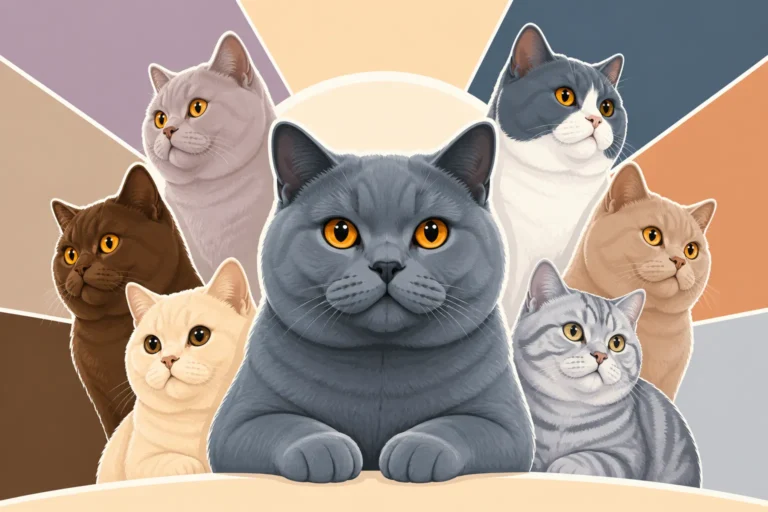
TICA’s recognition also played a crucial role in standardizing the breed’s characteristics and promoting rigorous health protocols. Each recognized breed has a detailed written standard that describes its ideal physical traits, temperament, and disqualifying faults. For the British Shorthair, this meant a clear benchmark for breeders to strive for, ensuring uniformity whether a cat was bred in Europe, North America, or Asia. This is why Which British Shorthair Colors a British Shorthair Comes In is so clearly defined.
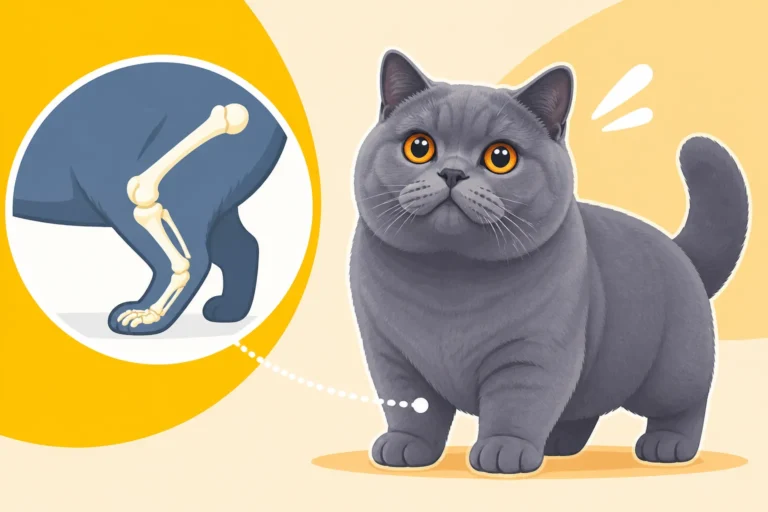
Moreover, TICA, like other responsible registries, emphasizes health screening. While TICA itself doesn't mandate specific tests for all breeds, its platform encourages breeders to prioritize genetic health. As the British Shorthair gained prominence, the focus on conditions relevant to the breed, such as Polycystic Kidney Disease (PKD) and Hypertrophic Cardiomyopathy (HCM), became more pronounced within the TICA community. Breeders presenting their cats in TICA shows often proudly shared their health testing results, raising the overall health standards of the breed. This emphasis helps ensure Whether the British Shorthair Is a Healthy Breed for future generations.
Comparing TICA Recognition with Other Major Registries
While TICA is a significant player, it's not the only registry that recognizes the British Shorthair. Understanding how its recognition compares to other major organizations helps paint a complete picture of the breed's global standing.
TICA vs. CFA: A Look at Different Timelines
The Cat Fanciers' Association (CFA) is another major cat registry, primarily influential in North America, and it has a slightly different history with the British Shorthair. CFA is older and often more conservative in its recognition process compared to TICA. The British Shorthair received full championship status from CFA in 1980, which is the same year as TICA. However, CFA had previously accepted the breed for registration and provisional status earlier. It's interesting how both major American registries recognized the breed for championship status in the same year, perhaps reflecting a growing consensus and sustained advocacy from breeders. Both organizations, despite their differing philosophies, recognized the solid foundation and established nature of the British Shorthair.
Here’s a simplified comparison:
| Registry | Year Founded | British Shorthair Recognition (Championship Status) | Primary Geographic Influence | Philosophy |
|---|---|---|---|---|
| TICA | 1979 | 1980 | Global, particularly Americas | Progressive, inclusive, emphasizes diversity |
| CFA | 1906 | 1980 | North America | Traditional, well-established, often slower on new breeds |
| GCCF | 1910 | 1930s (approx., post-reconstruction) | United Kingdom | Historical, detailed standards, focus on heritage |
It’s worth noting that the British Shorthair, under various names, was a foundational breed in the UK, so its recognition by the Governing Council of the Cat Fancy (GCCF) came much earlier, effectively as soon as the post-war reconstruction solidified breed standards. This long history is why people sometimes ask Whether the British Shorthair Was Once the English Shorthair.
The Global Perspective on British Shorthair Acceptance
Beyond TICA and CFA, the British Shorthair is recognized by virtually every major cat registry worldwide, including FIFe (Fédération Internationale Féline) in Europe and ACFA (American Cat Fanciers Association). This widespread acceptance is a testament to the breed's enduring appeal, distinct characteristics, and the dedication of breeders over many decades. Each registry might have minor variations in its specific breed standard or showing rules, but the core identity of the British Shorthair remains consistent across the globe.
This global recognition means that the British Shorthair is truly an international breed, appreciated for its calm demeanor and affectionate nature, making it a popular choice for families and individuals alike. It's a breed that, despite its challenges, has consistently charmed its way into the hearts of cat lovers, demonstrating that a calm, well-adjusted cat like the British Shorthair can be What a British Shorthair Does All Day while still maintaining its noble lineage and pedigree status. When you're looking for high-quality pet supplies that align with recognized breed needs, checking out resources like Chewy, which often categorizes products by breed suitability, can be incredibly helpful. This ensures you're providing the best for your beloved, officially recognized British Shorthair.
The British Shorthair's Enduring Legacy
The British Shorthair's journey to global recognition, including by TICA, is a wonderful story of resilience, dedicated breeding, and undeniable charm. From its humble beginnings as a working cat, through the trials of war and reconstruction, to becoming a celebrated championship breed, the British Shorthair has proven its lasting appeal.
Beyond the Show Ring: A Beloved Companion
While breed recognition focuses heavily on physical standards and show success, the real legacy of the British Shorthair lies in its temperament as a companion animal. These cats are known for their easygoing, affectionate, and quiet nature, making them ideal pets for a wide variety of households. They are not typically demanding lap cats but prefer to be near their human companions, offering a comforting presence. Their low activity level and tolerance for solitude make them particularly suitable for individuals or families with busy schedules. This characteristic explains How Much Play a British Shorthair Needs (often less than you'd think!).
The journey through various registries, including TICA, has ensured that breeders maintain the genetic health and integrity of these traits, making sure that future generations of British Shorthairs continue to embody the qualities that make them so beloved. Whether you are looking for a show cat or simply a loving pet, the British Shorthair’s well-established place in the cat fancy means you are bringing home a feline companion whose lineage and characteristics are well-understood and cherished. How a British Shorthair Differs From a Moggy becomes clear once you appreciate the consistent traits of the British Shorthair.
The Future of the British Shorthair with TICA
TICA's commitment to supporting healthy, well-bred cats means that the British Shorthair will continue to thrive under its umbrella. Ongoing efforts by breeders to adhere to standards, utilize genetic testing, and prioritize temperament ensure that the breed remains vibrant and robust. The platform TICA provides for breeders to network, share knowledge, and exhibit their cats further strengthens the breed's future. It’s not just about a past recognition date; it’s about continuous dedication to the breed. The number of How Many British Shorthairs Are Registered a Year with TICA and other registries is a testament to its enduring popularity and the ongoing commitment to its health and standards. And for owners, ensuring your British Shorthair receives appropriate care, whether it's the right food from a reputable supplier like Chewy or regular vet check-ups, is key to their long, happy life.
Disclaimer
This article is for general informational purposes only and does not constitute professional advice. Laws, prices and regulations vary by location and change over time. Consult a qualified professional for guidance on your specific situation.