Whether a British Shorthair Steals From Other Cats
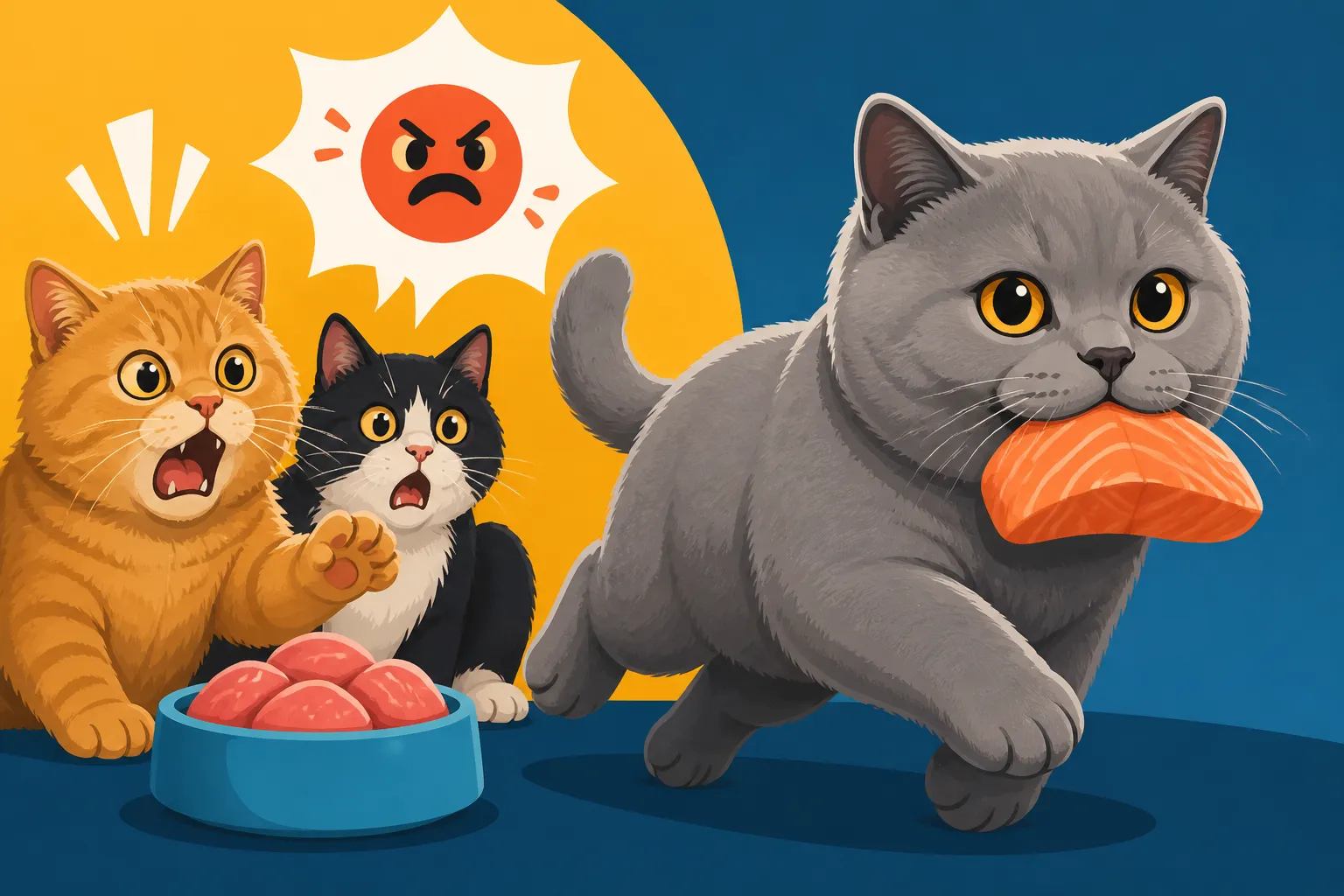
It's a common dilemma in multi-cat households: you've got one cat meticulously munching away, and then there's that other furry shadow, lurking, waiting, ready to swoop in and steal a morsel. If you own a British Shorthair, you might wonder if their generally placid nature extends to their dining etiquette, or if they're prone to becoming the household food thief. This guide will delve into why a British Shorthair might steal food from their feline housemates and, more importantly, how you can address this behavior to ensure peace and proper nutrition for all your beloved companions.
Understanding the British Shorthair's Relationship with Food
British Shorthairs are known for many wonderful traits: their calm demeanor, their plush coats, their endearing round faces, and yes, their healthy appetites! While generally well-behaved, their love for food can sometimes lead to less-than-charming habits, especially when other cats are involved.
Why Food is a High-Value Resource
For any animal, food is a fundamental resource, directly tied to survival. Even though our pampered British Shorthairs haven't had to hunt for their dinner in generations, that primal instinct to secure food remains deeply embedded. Think about it from their perspective: a bowl of kibble isn't just a meal; it's a valuable commodity. When there's another cat eating nearby, that resource becomes even more desirable, as it represents a potential loss if not acquired. This isn't necessarily about greed, though it can look that way; it's often a deep-seated drive to ensure their nutritional needs are met, especially if they've ever experienced scarcity, even if that scarcity was only perceived.
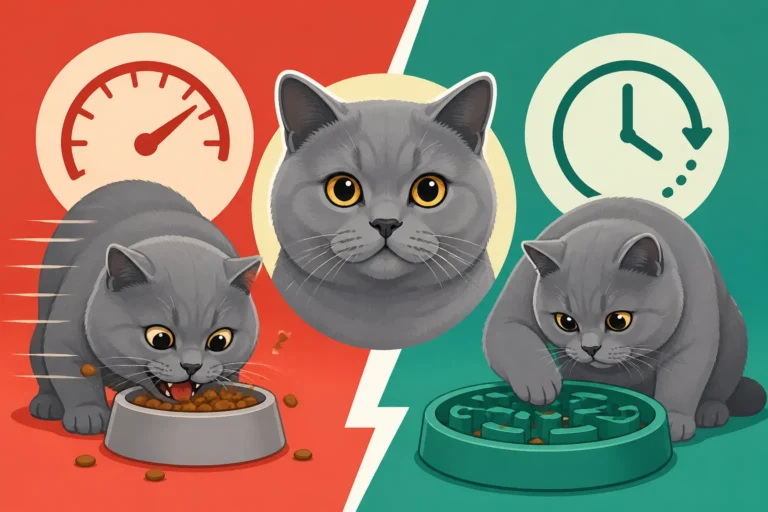
Consider a scenario where one cat is a slow eater, perhaps enjoying their meal at a leisurely pace, while your British Shorthair finishes quickly. The BSH, with their robust build and often healthy appetite, might then eye the other cat's bowl. They see it as an opportunity, not a transgression. This behavior is reinforced if they succeed, getting a few extra bites without consequence. It quickly becomes a learned behavior that can be tricky to undo once established. This is why Feeding a British Shorthair That Will Eat Whatever You Put Down is such a critical consideration from the start of their lives.
The Calm Demeanor Versus Instinctual Drives
British Shorthairs are often lauded for being the epitome of the calm, collected feline companion. They're typically not the ones tearing through the house or engaging in high-octane antics. However, this calm exterior can sometimes mask a surprisingly strong underlying drive when it comes to fundamental needs like food. While they might not openly fight over food, their method of "stealing" is often subtle, opportunistic, and rather efficient. They might wait until the other cat takes a break, or simply push their way in with their substantial presence.
Their characteristic patience can actually work against you here. Instead of overt aggression, a British Shorthair might simply wait until you're not looking, or until the other cat is momentarily distracted, to sneak in for a few mouthfuls. This makes the behavior harder to catch in the act and therefore harder to correct. It's not a dramatic confrontation, but a quiet, calculated acquisition. It's a testament to their intelligence and their understanding of household dynamics – they know how to get what they want without causing a scene, which is often what makes them so endearing, yet also so challenging in these situations.
Early Feeding Habits and Their Impact
The way a British Shorthair is fed, particularly in their formative kitten months and throughout their younger adult life, can significantly influence whether they develop food-stealing habits. If a kitten grows up in a multi-cat household where food is always available (free-feeding), and they're always competing for it, they may learn to eat quickly and opportunistically. Even if they're eating enough, the act of "stealing" might become a habit simply because the food is there and accessible.
Conversely, if a British Shorthair has been free-fed throughout their life, they might develop an expectation that food bowls are always fair game. This often leads to overeating, which is a major concern for this particular breed, given their propensity for weight gain. Why Free Feeding Fails a British Shorthair isn't just about weight management; it's also about setting boundaries around food resources. If all cats in the home are on a strict, portion-controlled feeding schedule from a young age, and each has their own designated, safe eating space, the likelihood of food stealing is significantly reduced. Establishing these routines early can prevent a lifetime of mealtime skirmishes and ensure a healthier, happier environment for all your cats.
Recognizing the Signs of Food Stealing
It's not always obvious when food stealing is happening, especially with a breed as quiet and composed as the British Shorthair. Sometimes, you only notice it when one cat starts looking a bit too robust while the other looks leaner.
Subtle Cues and Overt Actions
British Shorthairs can be masters of subtlety when they want to be. You might not witness an aggressive takeover, but rather a slow, creeping presence. One minute, your other cat is eating; the next, your British Shorthair is slowly inching closer, pretending to be utterly uninterested, perhaps grooming themselves or looking out the window, all while keeping a watchful eye on the other cat's bowl. Then, the moment the other cat lifts their head or walks away for a sip of water, the British Shorthair is there, swiftly gobbling down a few mouthfuls before retreating or being shooed away.
More overt actions might include a gentle nudge, a body block, or simply standing over the other cat's bowl with an air of quiet determination until the other cat gives up and leaves. Sometimes, it's not even about overt confrontation, but simply exploiting opportunity. If one cat is a grazer who eats a few kibbles, wanders off, and comes back, the British Shorthair might become the clean-up crew, ensuring no morsel is left behind. You might notice the slower eater looking frustrated or hesitant to approach their bowl, even when it's full, because they've learned it's a contested zone. This can also lead to anxieties for the timid cat, making mealtime a stressful experience rather than a pleasant one.
The "Food Guarding" British Shorthair
While British Shorthairs are generally not known for intense resource guarding in the same way some other breeds or animals might be, a British Shorthair that consistently steals food can, in a sense, develop a form of "food guarding." They might not guard their food (because they've already eaten it or are eating it rapidly), but they might guard the opportunity to eat other cats' food. This subtle guarding can manifest as them strategically positioning themselves near the other cat's bowl, even if they're not actively eating from it at that moment.
Imagine this: your smaller, more delicate cat approaches their meal, and your British Shorthair, who might be lounging on a nearby cat tree or floor, suddenly becomes alert. Their ears might swivel, their eyes might track the other cat's movements, and they might even shift their body slightly to indicate their awareness and claim over the food zone. This can intimidate the more sensitive feline, causing them to hesitate or even abandon their meal entirely. This is particularly concerning because the British Shorthair's robust physique can make them appear more formidable, even when they're not overtly aggressive. The goal here isn't necessarily to hoard, but to maximize intake, and the other cat's food is simply an extension of their own.
Post-Meal Prowling and Opportunity Theft
A common scenario involves the British Shorthair finishing their own meal quickly, then immediately beginning a "prowl" for other available food. This is less about active stealing during a shared mealtime and more about opportunistic theft of leftovers or unfinished portions. Your BSH might patrol the feeding area, sniffing around any other bowls, even if they're empty, just in case a stray piece of kibble was dropped. If another cat is a notoriously slow eater, or frequently leaves a small amount of food in their bowl, the British Shorthair will absolutely see this as an invitation.
This behavior can be frustrating because it feels like you're constantly monitoring them. You might turn your back for a moment after feeding, only to hear the tell-tale crunching sound coming from a bowl that should still have another cat eating from it. This is where consistent management becomes key. It's not just about managing the act of eating, but the entire mealtime environment, from the moment food is put down until all bowls are picked up. Without intervention, this post-meal prowling can lead to one cat becoming underweight and potentially stressed, while the British Shorthair slowly but surely packs on the pounds, a common issue with the breed. How Many Calories a British Shorthair Needs a Day is a precise calculation, and extra portions from a housemate's bowl can quickly throw off that balance.
Strategies to Prevent Food Stealing
Preventing food stealing isn't about punishment; it's about setting up an environment where all cats feel secure and get their fair share. It requires a bit of foresight and consistency, but it's absolutely achievable.
Controlled Feeding Environments
The most effective way to prevent food stealing is to create distinct, safe feeding zones for each cat. This means feeding cats separately. If you have multiple cats, you need to ensure each one has their own bowl and their own designated space where they can eat without interruption or intimidation.
Here's how you can implement this:
- Separate Rooms: The simplest method is to feed each cat in a different room with the door closed. Your British Shorthair can eat in the kitchen, while the other cat dines in the bedroom. This completely eliminates the opportunity for stealing.
- Elevated Feeding Stations: If separate rooms aren't feasible, consider feeding one cat on a raised surface, like a counter or a cat tree perch, while the British Shorthair eats on the floor. Just ensure the elevated spot is secure and easy for the designated cat to access, but difficult for the BSH to reach if they're not as agile (though many BSH are surprisingly good jumpers!).
- Crater Feeding: Some owners use a large cardboard box or a pet carrier turned on its side, placing the food bowl inside. This creates a semi-enclosed space that might deter a more dominant cat from pushing in.
- Scheduled Mealtimes: Ditch free-feeding entirely. Implement scheduled mealtimes, perhaps twice a day, with a clear beginning and end. This is crucial for Portion Control Is the Whole Job With a British Shorthair. Once all cats have finished eating (or after a set amount of time, say 15-20 minutes), pick up all bowls, even if there's food left. This teaches cats that food is available at specific times and needs to be eaten then. This also removes the opportunity for your British Shorthair to "clean up" later.
Microchip Feeders and Their Benefits
For a truly foolproof solution in multi-cat households, especially where one cat consistently tries to steal from another, microchip feeders are a game-changer. These ingenious devices only open for the specific cat whose microchip (or RFID tag, usually attached to their collar) they are programmed to recognize.
Here’s why they’re so effective:
- Targeted Access: Each cat's feeder will only open for them. This means your British Shorthair can sniff around another cat's microchip feeder all they want, but if it's not programmed for them, it simply won't open. This totally removes the opportunity for food stealing.
- Peace of Mind: You no longer have to stand guard during mealtimes. You can set the food down, and trust that each cat will get their intended portion. This is especially helpful if one cat has dietary restrictions, such as a prescription diet.
- Reduced Stress: For the cat who was previously being bullied or stolen from, a microchip feeder provides a secure, stress-free dining experience. They can eat at their own pace without feeling rushed or threatened.
- Weight Management: This technology is invaluable for managing a British Shorthair's weight, as it ensures they only eat their allotted amount and cannot sneak extra calories from a housemate's bowl. Whether a Microchip Feeder Works in a British Shorthair House is often a resounding yes for many owners struggling with these issues. Brands like SureFeed and PetSafe offer reliable microchip feeders that are readily available from retailers like Chewy and Amazon, making them accessible solutions for many pet parents. They do represent an initial investment, but for many, the peace of mind and the health benefits for all cats are well worth it.
Managing Treat Distribution
It's not just about main meals; treats can also be a source of contention and an opportunity for your British Shorthair to "steal" extra calories. If you're accustomed to tossing treats onto the floor for multiple cats to scramble for, your British Shorthair, with their generally larger size and determination, might consistently outcompete their housemates.
To manage treat distribution effectively:
- Individual Treat Time: Just like meals, treats should ideally be given individually. Call each cat to a separate location (a different room, or even just across the room from each other) and give them their treat. This ensures equitable distribution and prevents the more assertive cat from hogging all the goodies.
- Interactive Toys for Treats: For a British Shorthair who needs more mental stimulation (and to burn a few calories!), puzzle feeders or treat-dispensing toys can be a great way to give them treats individually. This slows down their consumption and makes them "work" for the reward. You can find a wide variety of these on Amazon or Chewy.
- Training Sessions: Incorporate treats into individual training sessions. British Shorthairs can be surprisingly amenable to learning simple tricks if food is involved! This turns treat time into a positive bonding experience rather than a competitive scramble.
- Limit High-Value Treats: If one cat is particularly obsessed with a certain type of treat, consider giving that treat only when they are completely isolated, to avoid causing undue stress or jealousy in the other cats. Remember, How Much Food a British Shorthair Should Get Per Meal includes all calories, even those from treats, so careful moderation is key to maintaining a healthy weight.
Addressing Underlying Causes
Sometimes, food stealing isn't just a bad habit; it can be a sign of an underlying issue that needs to be addressed. Understanding why your British Shorthair is doing this can help you implement more targeted solutions.
Ensuring Adequate Portions and Nutrition
One of the most common reasons a cat might steal food is simply that they're genuinely hungry, or they perceive themselves to be. While British Shorthairs are prone to obesity, it's crucial to ensure they are receiving appropriate, well-balanced portions for their age, activity level, and ideal weight. If your British Shorthair is consistently underfed, or if the food quality isn't satisfying, they might naturally seek out additional calories from any available source.
Consult with your veterinarian to determine the precise caloric needs for your British Shorthair. This isn't a “one size fits all” calculation. A young, active British Shorthair might need more than an older, sedentary one. Pay attention to the protein and fat content in their food; a diet lacking in essential nutrients can leave a cat feeling unsatisfied, even if they've eaten a large volume. A high-quality cat food can make a big difference in satiety. If your BSH is simply not getting enough of their own food, their instinct to steal from others will be very strong. It’s a delicate balance, as you don't want to overfeed, but you also don't want them constantly feeling deprived.
The Role of Stress and Anxiety
Just like humans, cats can react to stress and anxiety in various ways, and sometimes that manifests as overeating or resource guarding. A British Shorthair, despite their generally laid-back nature, can experience stress from changes in their environment, new pets, a change in household routine, or even underlying health issues. If a cat feels insecure about their resources (including food), they might develop a compulsion to consume as much as possible, whenever possible.
Signs of stress in a British Shorthair might be subtle: increased grooming, changes in litter box habits, hiding more often, or shifts in their usual calm demeanor. If the food stealing began suddenly, or coincides with a significant change in the household, it's worth exploring if stress is a contributing factor. Creating a stable, predictable environment, providing plenty of vertical spaces and hiding spots, and ensuring ample opportunities for quiet rest can help reduce anxiety. Pheromone diffusers can also be helpful for some cats in reducing overall stress levels. Addressing the root cause of the anxiety can often mitigate behaviors like food stealing.
Health Considerations and Increased Appetite
Sometimes, an unusually ravenous appetite or a sudden interest in stealing food can be a symptom of an underlying medical condition. Certain health issues can lead to increased hunger, even if a cat is eating regularly. For instance, hyperthyroidism, diabetes, or even intestinal parasites can cause a cat to feel constantly hungry despite consuming adequate food.
If you notice a sudden, significant increase in your British Shorthair's appetite, coupled with weight loss (which might be masked by the extra food they're stealing, making them seem fine or even chubby), excessive thirst, or changes in their coat quality, it's crucial to schedule a vet visit. A thorough physical exam and some diagnostic tests (like bloodwork) can rule out any medical reasons for their insatiable hunger. Early diagnosis and treatment of these conditions are vital for your cat's long-term health. Never assume that an increased appetite is simply a behavioral quirk; always consider the possibility of a medical explanation, especially for a breed like the British Shorthair, which has its own specific health considerations. What a British Shorthair Weighs and How Big It Gets is important, but sudden changes in that weight or appetite should always be investigated.
Conclusion
Living with multiple cats, especially when one has a penchant for stealing food, can certainly be a challenge. British Shorthairs, with their charmingly robust physiques and often hearty appetites, can indeed become opportunistic food thieves, not out of malice, but from a strong instinct to secure resources. However, with thoughtful management and a little patience, you can cultivate a peaceful and fair feeding environment for all your feline companions. Implementing controlled, separate feeding times, investing in microchip feeders, and being mindful of how you distribute treats are all incredibly effective strategies. Remember, if the behavior is new or extreme, always consult with your vet to rule out any underlying health or stress-related issues. By understanding their motivations and providing consistent solutions, you can help your British Shorthair and their housemates enjoy mealtime without the worry of a stealthy food raid.
Disclaimer
This article is for general informational purposes only and does not constitute professional advice. Laws, prices and regulations vary by location and change over time. Consult a qualified professional for guidance on your specific situation.