Blood Type B and the British Shorthair Kittens It Kills
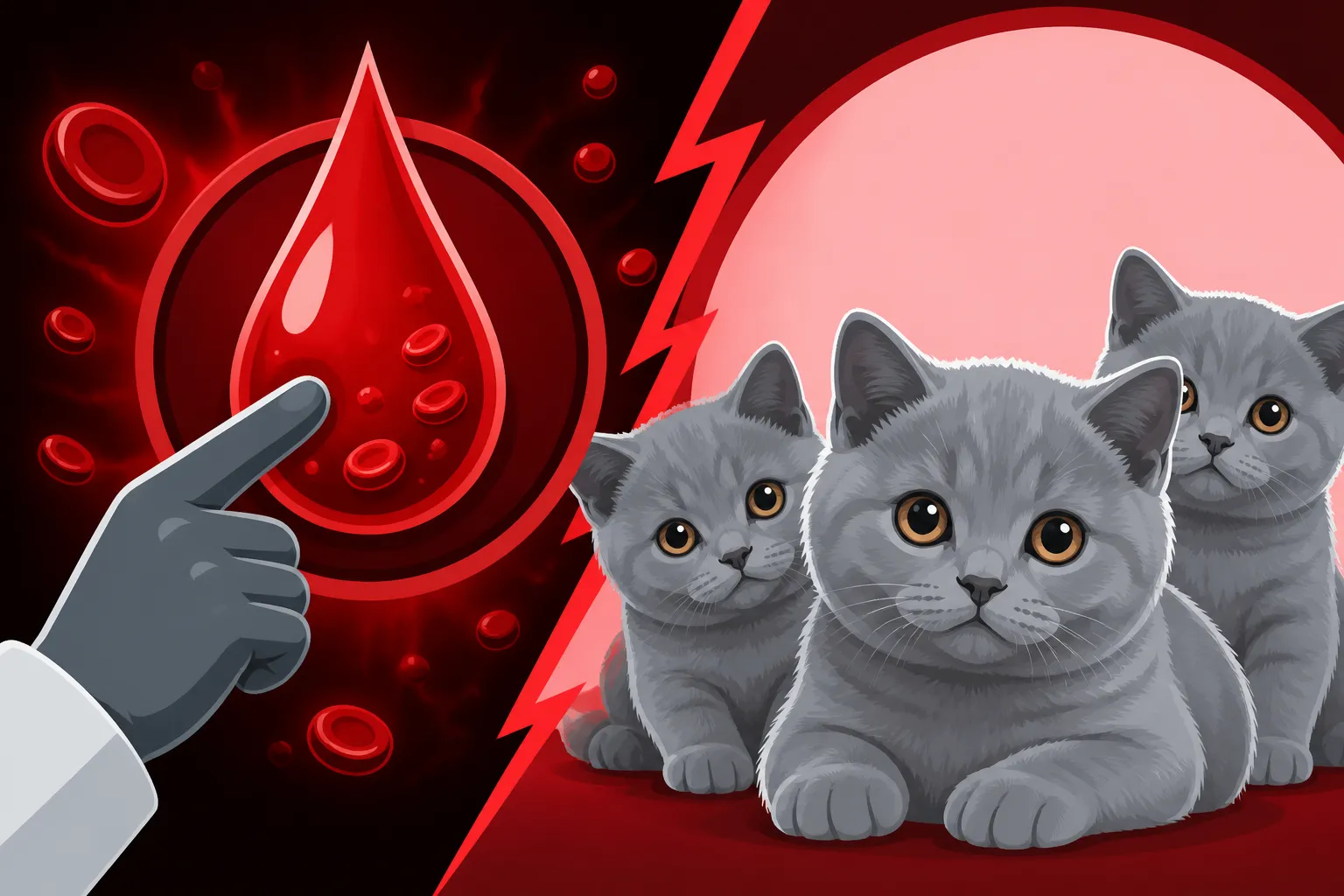
One of the most heartbreaking realities for British Shorthair breeders, and sometimes even unsuspecting pet owners, is the devastating condition known as Neonatal Isoerythrolysis. This isn't just a complicated scientific term; it's a silent killer of precious newborn kittens, often leaving families bewildered and without answers. This comprehensive guide aims to shed light on Blood Type B in British Shorthairs, explaining precisely why it poses such a significant risk to kittens and how we can work to prevent this tragic outcome.
Understanding Feline Blood Types in British Shorthairs
Before we delve into the heartbreaking specifics of Neonatal Isoerythrolysis, it’s crucial to understand the basics of feline blood types. Just like humans, cats have different blood groups, and these aren't just minor distinctions; they can be a matter of life or death, especially for our beloved British Shorthair kittens. Many owners don't realize how critical this information can be until it's too late, and that's a frustration we absolutely need to address.
The ABO System and British Shorthairs
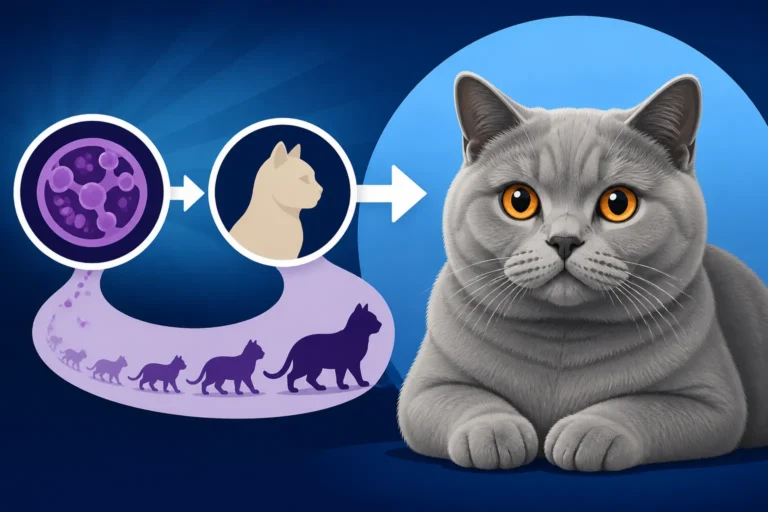
Cats primarily operate under the ABO blood group system, which consists of three main types: A, B, and a rare AB. The vast majority of domestic cats globally are Type A. However, our beautiful British Shorthairs are one of a handful of breeds where Type B is significantly more common. This is a crucial distinction and one that responsible breeders and knowledgeable owners must be aware of. For instance, while a typical mixed-breed cat might have a less than 1% chance of being Type B, for a British Shorthair, that number can skyrocket to upwards of 25-45% in some populations, depending on geographical location and specific breeding lines. This high prevalence is what makes understanding blood typing so imperative within the breed, turning what might be a minor concern in other breeds into a major health consideration for the British Shorthair.
Why Blood Type B is Different and What it Means for Your Cat
The difference between Type A and Type B cats isn't just about a letter; it's about the presence of naturally occurring antibodies in their blood plasma. Type A cats have weak anti-B antibodies. This means if a Type A cat receives Type B blood, they might experience a mild reaction, but it's usually not immediately life-threatening. The real danger lies with Type B cats. These felines possess very strong, pre-formed anti-A antibodies in their plasma. Think of it like a highly sensitive alarm system ready to attack any foreign Type A red blood cells. If a Type B cat receives Type A blood, even a tiny amount, their immune system will launch a rapid and severe attack, leading to a potentially fatal transfusion reaction. This profound difference in antibody strength is the fundamental reason why breeding Type B British Shorthair queens to Type A British Shorthair toms can have such devastating consequences for their offspring. Understanding this distinction is the first step in protecting British Shorthair kittens.
How to Determine Your British Shorthair's Blood Type
Determining your British Shorthair's blood type isn't just for professional breeders; it’s a valuable piece of information for any owner. Knowing your cat's blood type can be crucial in emergency situations requiring a blood transfusion, as mismatched blood can be fatal. There are a couple of reliable methods for blood typing. The most common and widely available method involves a simple blood sample taken by your veterinarian. This sample can then be sent to a specialized veterinary diagnostic lab, or sometimes, your vet might use an in-house rapid card test. These tests typically identify whether your cat is Type A, Type B, or the rare Type AB. More advanced DNA tests are also available, which can determine a cat's genetic predispositions for blood type, offering a more permanent and often preferred method for breeders. For instance, a DNA test can tell you if your cat is genetically Type A but carries the B allele, which is important for understanding potential future offspring. Reputable British Shorthair breeders will always have their breeding cats blood typed, often showing these results as part of their health screening process, alongside other important tests like those for Polycystic Kidney Disease Came Into the British Shorthair With the Persians. It’s a small investment that can provide peace of mind and potentially save a life.
The Lethal Impact of Blood Type B: Neonatal Isoerythrolysis
When we talk about Blood Type B in British Shorthairs, the most pressing concern is Neonatal Isoerythrolysis (NI), a condition that can swiftly and silently claim the lives of newborn kittens. It’s a tragic reality for breeders who are unaware or unprepared, and it underscores why understanding feline blood types is non-negotiable for anyone involved with this wonderful breed. The heartache of losing a whole litter to something preventable is immense.
What is Neonatal Isoerythrolysis NI and How it Occurs
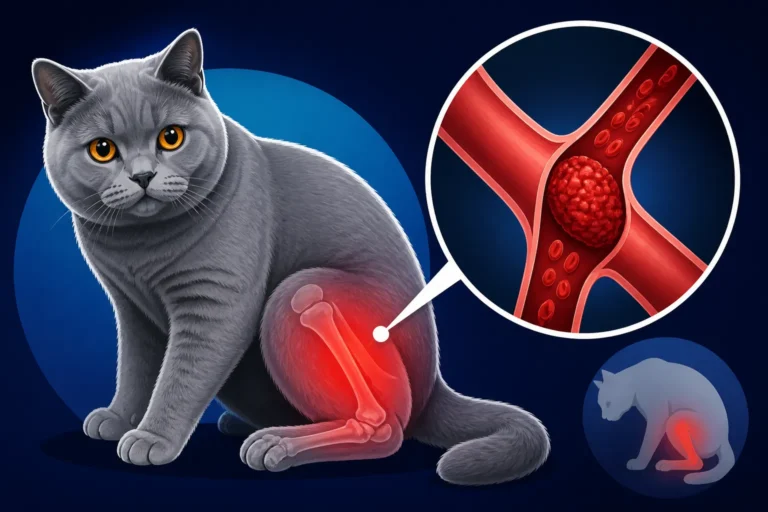
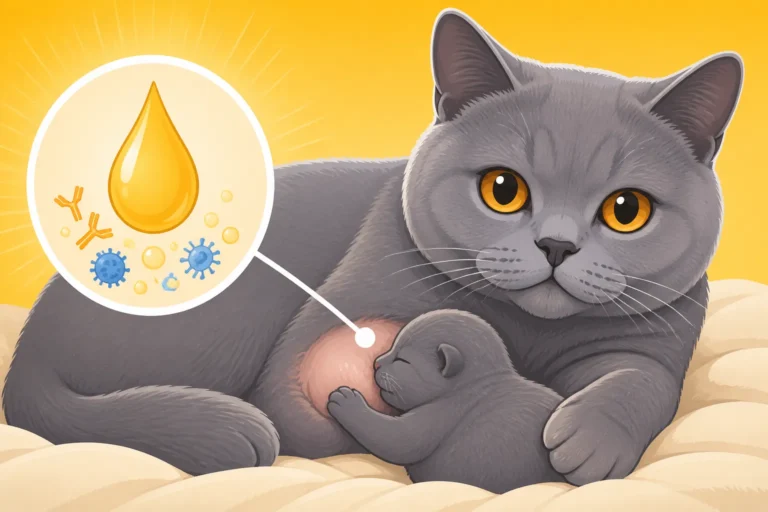
Neonatal Isoerythrolysis, often abbreviated as NI, is essentially a fatal incompatibility reaction that occurs when a Type B mother cat, known as a queen, is bred with a Type A or Type AB father cat, a tom. The genetics work in such a way that if a Type B queen is bred to a Type A tom, some or all of their kittens will inherit the Type A blood type from their father. Here’s where the danger lies: the Type B queen has those very strong anti-A antibodies in her system. When the kittens are born and begin nursing, they ingest these maternal antibodies through the colostrum, which is the "first milk" rich in immunoglobulins. These anti-A antibodies then enter the Type A kittens' bloodstream and immediately attack their own Type A red blood cells. It's a cruel twist of nature where the very substance meant to provide life-saving immunity instead becomes a deadly poison. The red blood cells are destroyed, leading to severe anemia, organ damage, and ultimately, death. This devastating process usually begins within hours of the kittens consuming the colostrum, often before any signs are even noticeable to the owner, making How Fast Isoerythrolysis Kills a British Shorthair Kitten a truly urgent concern.
The Critical First Hours: Colostrum and Antibody Transfer
The first 24 to 48 hours of a kitten's life are absolutely critical when it comes to Neonatal Isoerythrolysis. This window is all about colostrum. Colostrum, the thick, yellowish first milk produced by the queen, is packed with maternal antibodies that provide passive immunity to the newborn kittens, protecting them from various diseases during their most vulnerable stage. It’s usually a biological marvel, but in the case of blood type incompatibility, it's a ticking time bomb. For Type A kittens born to a Type B queen, ingesting this colostrum is what triggers NI. The strong anti-A antibodies present in the Type B queen's colostrum are absorbed intact through the kittens' intestinal lining. Kittens are born with a permeable gut that allows these large antibody molecules to pass directly into their bloodstream. After about 24-48 hours, this permeability decreases, and the gut "closes," meaning antibodies can no longer be absorbed in the same way. This is why immediate action is so vital. If the Type A kittens can be prevented from nursing on their Type B mother during this critical first day, they stand a chance of survival. Otherwise, the antibodies will rapidly destroy their red blood cells, leading to severe illness and almost certain death. Understanding Why the First Day of Colostrum Matters to a British Shorthair is paramount for any breeder facing this challenge.
Recognizing the Signs of NI in British Shorthair Kittens
The signs of Neonatal Isoerythrolysis can be subtle at first, often making it difficult for an inexperienced eye to pinpoint the problem before it's too late. However, knowing what to look for can significantly improve a kitten's chances if immediate intervention is possible. Typically, affected kittens appear strong and healthy at birth, which only adds to the heartbreak when symptoms begin to manifest, usually within hours to a few days after nursing. Early signs often include a general failure to thrive: the kittens may become weak, lethargic, and stop nursing. They might cry excessively, showing signs of discomfort or pain. Their urine may appear dark brown or reddish due to the breakdown of red blood cells and the excretion of hemoglobin. As the condition progresses, you might notice signs of severe anemia, such as pale mucous membranes (gums, inner eyelids), which can be difficult to see in very young kittens. Jaundice, a yellowing of the skin and whites of the eyes, is another key indicator, often appearing as a later symptom as the liver struggles to process the excessive bilirubin from destroyed red blood cells. In severe cases, kittens may develop neurological symptoms, difficulty breathing, or sudden collapse. Sadly, many kittens simply fade away, appearing to "sleep," before succumbing to the condition. This devastating progression makes recognizing Signs a Newborn British Shorthair Kitten Is Fading absolutely critical for any hope of intervention.
Breeding Considerations for British Shorthairs with Type B Blood
For anyone involved in breeding British Shorthairs, understanding blood types is not just important; it's an ethical imperative. The consequences of ignoring blood type compatibility are simply too severe, leading to immense suffering and loss. Prevention is always better than treatment, and in this case, prevention is entirely within the breeder's control.
Preventing Neonatal Isoerythrolysis Through Careful Pairing
The most effective and humane way to prevent Neonatal Isoerythrolysis is through meticulous planning and careful breeding choices. This starts with blood typing every single breeding British Shorthair in your cattery. Every queen and every tom must have their blood type known before any mating occurs. The golden rule for preventing NI is simple: Never breed a Type B queen to a Type A or Type AB tom. If you have a Type B queen, she must only be bred to a Type B tom. This ensures that all kittens produced will inherit at least one B allele and therefore will be Type B themselves, or at worst, Type A carriers if the Type B is heterozygous. Since Type B cats don't have anti-B antibodies, there will be no harmful reaction from the queen's colostrum. Conversely, a Type A queen can be safely bred to either a Type A or a Type B tom, as her weak anti-B antibodies won't pose a threat to any Type B kittens. By following this straightforward guideline, breeders can completely eliminate the risk of NI and ensure healthy, thriving litters. For a breeder concerned with What a British Shorthair Breeder Should Have Tested, blood typing is right at the top of the list, alongside screening for other genetic conditions.
Managing an Accidental Incompatible Mating
Despite the best intentions, sometimes an accidental mating between incompatible blood types can occur, or a new breeding cat’s blood type may not have been confirmed. If a Type B queen is accidentally bred to a Type A tom, all is not lost, but immediate and decisive action is required upon the birth of the kittens. The key to saving the kittens is to prevent them from ingesting the mother's colostrum during the first critical 24-48 hours. This means hand-rearing the kittens from birth, physically separating them from the queen and bottle-feeding them with a suitable kitten milk replacer (KMR) or an appropriate foster queen who is confirmed Type A.
During this period, the kittens can remain with the mother for warmth and grooming, but they must be carefully supervised to ensure they do not nurse. Each feeding must be done by hand. After the 24-48 hour window, the kittens' intestinal lining will have "closed," making them unable to absorb the large anti-A antibodies from the colostrum. At this point, they can typically be returned to the queen to nurse naturally, as the milk produced after the initial colostrum phase generally does not contain the same high concentration of dangerous antibodies. This management strategy, while intensive, can be highly effective in saving an otherwise doomed litter. For more detailed guidance on hand-rearing, look into resources on How British Shorthair Kittens Are Hand Reared to Survive.
The Ethical Dilemma: Breeding Type B Queens
The existence of Neonatal Isoerythrolysis presents a significant ethical dilemma for British Shorthair breeders who have Type B queens. While it is entirely possible to breed a Type B queen safely by ensuring she is only bred to a Type B tom, some breeders choose to avoid breeding Type B queens altogether to simplify the process and remove any risk of accidental incompatible matings or human error in colostrum deprivation. The argument against breeding Type B queens sometimes stems from a desire to reduce the prevalence of the B allele within the breed as a whole, thereby theoretically reducing the risk of NI in the wider cat population.
However, completely eliminating Type B queens from breeding programs could significantly narrow the genetic pool of the British Shorthair, potentially leading to other health issues down the line due to increased inbreeding or loss of desirable traits. Therefore, many reputable breeders choose to manage Type B queens responsibly, carefully selecting only Type B studs for them. This requires meticulous record-keeping, strict separation protocols, and thorough blood typing. It's a testament to the dedication of these breeders that they navigate this challenge responsibly, ensuring the health and future of their lines while still preventing NI. Many breeders, for example, rely on health insurance partners like Healthy Paws to cover unexpected vet visits, although prevention remains the best course.
Saving British Shorthair Kittens from Isoerythrolysis
When Neonatal Isoerythrolysis is suspected or confirmed in a litter of British Shorthair kittens, time is of the essence. There's a small window of opportunity to intervene and potentially save lives, but it requires swift, decisive action and dedicated care. This isn't a situation where you can afford to wait and see; every minute counts.
Immediate Intervention: Separating Kittens from the Queen
If you suspect or know that an incompatible mating has occurred (a Type B queen with a Type A tom), the most crucial step you can take is to immediately separate the kittens from their mother at birth. This needs to happen before they have a chance to nurse and ingest the colostrum. The critical timeframe for this separation is within the first 12-24 hours, ideally right after birth. The kittens should not be allowed to suckle at all during this period. The queen's colostrum is the conduit for the deadly anti-A antibodies, and preventing its intake is the only way to break the cycle of NI.
Once separated, the kittens will need an alternative source of warmth, nutrition, and comfort. A heated nesting box or incubator is essential to maintain their body temperature. While the kittens cannot nurse from their biological mother, they still benefit from her presence for grooming and psychological comfort. Therefore, a common strategy is to allow the queen access to the kittens for licking and cleaning, but with strict supervision to prevent nursing. This temporary separation is challenging but absolutely necessary to give Type A British Shorthair kittens a fighting chance against their mother's lethal milk.
Hand-Rearing and Substitute Milk
After separating the kittens from their Type B mother, the next critical step is to provide them with proper nutrition through hand-rearing. This involves bottle-feeding them with a high-quality commercial kitten milk replacer (KMR) that is specifically formulated to meet the nutritional needs of newborn felines. Never use cow's milk or human baby formula, as these are not suitable for kittens and can cause severe digestive upset. Popular brands like PetAg KMR or Royal Canin Babycat Milk are generally good options. The milk replacer should be warmed to body temperature (around 100°F or 38°C) before feeding.
Kittens, especially newborns, need to be fed frequently – typically every 2-3 hours around the clock for the first few weeks. It’s a demanding schedule, but consistent feeding is vital for their growth and survival. After each feeding, it's also important to gently stimulate the kittens' anogenital area with a warm, damp cloth to help them urinate and defecate, mimicking the mother's natural stimulation. This hand-rearing process usually needs to continue for at least 24 to 48 hours, until the kittens' gut permeability decreases, and they can no longer absorb the large antibody molecules from the queen's colostrum. At this point, if necessary, they can be carefully reintroduced to the mother for nursing, as her regular milk will no longer contain the dangerous levels of anti-A antibodies. For more on this demanding process, you might find How British Shorthair Kittens Are Hand Reared to Survive helpful.
Post-Colostrum Care and Monitoring
Once the critical 24-48 hour window has passed and the kittens' guts have "closed," preventing further absorption of anti-A antibodies, they can often be safely returned to their Type B queen to nurse her regular milk. However, the period of danger isn't entirely over, especially if any colostrum was ingested before separation. Continued vigilant monitoring of the kittens is paramount. Even after they are back with the queen, you need to watch for any lingering or developing symptoms of NI, such as lethargy, pale gums, dark urine, or failure to gain weight.
Some kittens might have absorbed enough antibodies during the initial hours to still be affected, albeit perhaps less severely. These kittens may require ongoing supportive care, which could include subcutaneous fluids for dehydration, supplemental feeding, or even blood transfusions if anemia is profound. This is where pet insurance, such as Healthy Paws, could be a valuable asset for covering unexpected veterinary costs, although it's crucial to check their specific policy on congenital conditions and inherited diseases. Regular weigh-ins are essential to ensure the kittens are gaining weight steadily, a primary indicator of their health and successful recovery. Early detection of any new symptoms and immediate veterinary consultation are key to maximizing their chances of survival and long-term health.
Beyond Breeding: Blood Type and Transfusions in British Shorthairs
While Neonatal Isoerythrolysis is the most dramatic manifestation of blood type incompatibility, understanding your British Shorthair's blood type extends far beyond breeding concerns. It's a vital piece of medical information that can be life-saving in an emergency. Many pet owners overlook this aspect, but it's a detail that can make all the difference during a veterinary crisis.
Why Blood Type Matters in Emergencies
Imagine your British Shorthair, your cherished companion, is involved in an accident, suffers a severe illness, or undergoes surgery that results in significant blood loss. In such critical situations, a blood transfusion might be necessary to save their life. This is precisely where knowing your cat's blood type becomes absolutely paramount. As discussed earlier, Type B cats possess very strong anti-A antibodies, and receiving even a small amount of Type A blood can trigger a severe, often fatal, transfusion reaction. Their immune system would immediately recognize the Type A red blood cells as foreign invaders and launch a full-scale attack, leading to hemolysis (destruction of red blood cells), organ failure, and shock.
Conversely, while Type A cats have weak anti-B antibodies, repeated transfusions of Type B blood could potentially lead to a delayed reaction. Therefore, veterinarians will always strive to provide a blood transfusion that is type-matched to the recipient to ensure the safest and most effective outcome. Without knowing your British Shorthair's blood type, valuable time can be lost in an emergency while vets perform compatibility testing, or worse, an emergency transfusion with mismatched blood could inadvertently cause more harm than good. This knowledge is not just for breeders; it's for every British Shorthair owner.
The Importance of Blood Typing Pet British Shorthairs
Even if your British Shorthair is a beloved pet and not part of any breeding program, considering blood typing them is a proactive step towards their overall health and safety. You might think, "My cat isn't going to have kittens, so why bother?" But as we've just seen, blood transfusions can be necessary for a multitude of reasons, from unexpected trauma to serious medical conditions. Knowing your British Shorthair's blood type in advance can save precious time in an emergency, potentially speeding up critical care and improving their prognosis.
A simple blood test, which can often be done during a routine vet visit, can provide this vital information. This information can then be recorded in your cat's medical file and even kept on hand, perhaps as part of your pet's emergency kit. While pet insurance providers like Healthy Paws generally cover accident and illness treatments, knowing your cat's blood type is a preventative measure that streamlines emergency care, ensuring that if a transfusion is ever needed, it can proceed without delay or the added risk of incompatibility. It's a small investment for a potentially huge return in a crisis. For owners interested in their cat's overall health, knowing Whether a Pet British Shorthair Needs Blood Typing is a question worth asking your vet.
Blood Donation and the British Shorthair
If you have a healthy, temperamentally sound British Shorthair, they might even be eligible to become a blood donor, contributing to saving other feline lives. Just like in humans, animal blood banks rely on volunteer donors to maintain a supply for emergencies. For a British Shorthair to be a suitable blood donor, they typically need to meet several criteria: they should be between 1 and 8 years old, weigh at least 10 pounds (4.5 kg), be calm and cooperative (allowing for sedation-free donation), and be in excellent health. They must be up-to-date on vaccinations, free of parasites, and tested negative for infectious diseases such as Feline Leukemia Virus (FeLV), Feline Immunodeficiency Virus (FIV), and Hemoplasma.
The British Shorthair's docile nature often makes them good candidates for donation, provided they meet the physical health requirements. Before donating, their blood type would be rigorously checked, as Type A blood is the most commonly needed, but Type B is also valuable for specific recipients. Donating blood is a relatively quick and safe procedure for the cat, usually involving minimal sedation if needed, and the recovery is typically rapid. It's a wonderful way for your British Shorthair to contribute to the wider feline community, offering a lifeline to other cats in distress.
Summary of British Shorthair Blood Types and Breeding Risks
To help visualize the crucial information we've covered, here’s a quick overview of British Shorthair blood types and the associated breeding risks. Understanding these pairings is absolutely essential for responsible breeding and preventing the tragedy of Neonatal Isoerythrolysis.
| Queen's Blood Type | Tom's Blood Type | Kitten's Potential Blood Type | Risk of Neonatal Isoerythrolysis (NI) | Breeding Recommendation |
|---|---|---|---|---|
| Type A | Type A | Type A | No Risk | Safe |
| Type A | Type B | Type A, Type B | No Risk | Safe |
| Type B | Type B | Type B | No Risk | Safe |
| Type B | Type A | Type A, Type AB | High Risk (Lethal to Type A/AB kittens) | AVOID COMPLETELY |
| Type AB | Type A | Type A, Type AB | No Risk | Safe |
| Type AB | Type B | Type A, Type B, Type AB | No Risk | Safe |
| Type AB | Type AB | Type A, Type B, Type AB | No Risk | Safe |
Note: Type AB queens do not produce the strong anti-A or anti-B antibodies that cause NI.
Disclaimer
The information provided in this article is for general informational purposes only and does not constitute veterinary advice. Always consult with a qualified veterinarian for any health concerns or before making any decisions related to your pet's health or breeding practices.