How Often a British Shorthair Mats at All
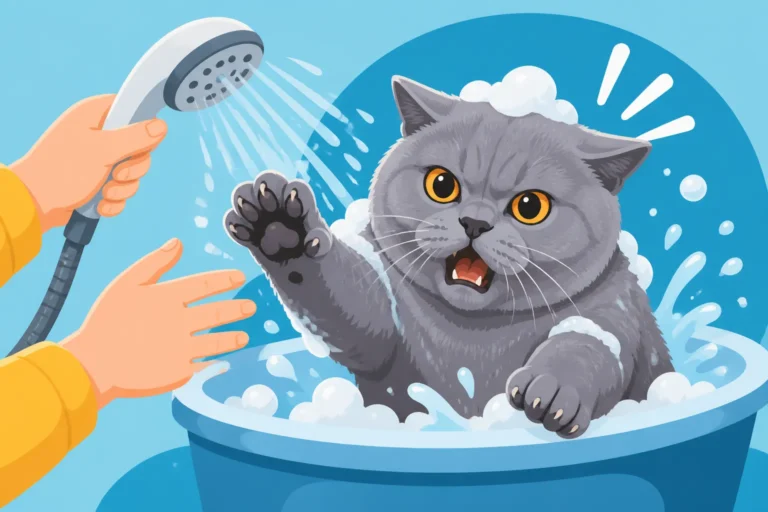
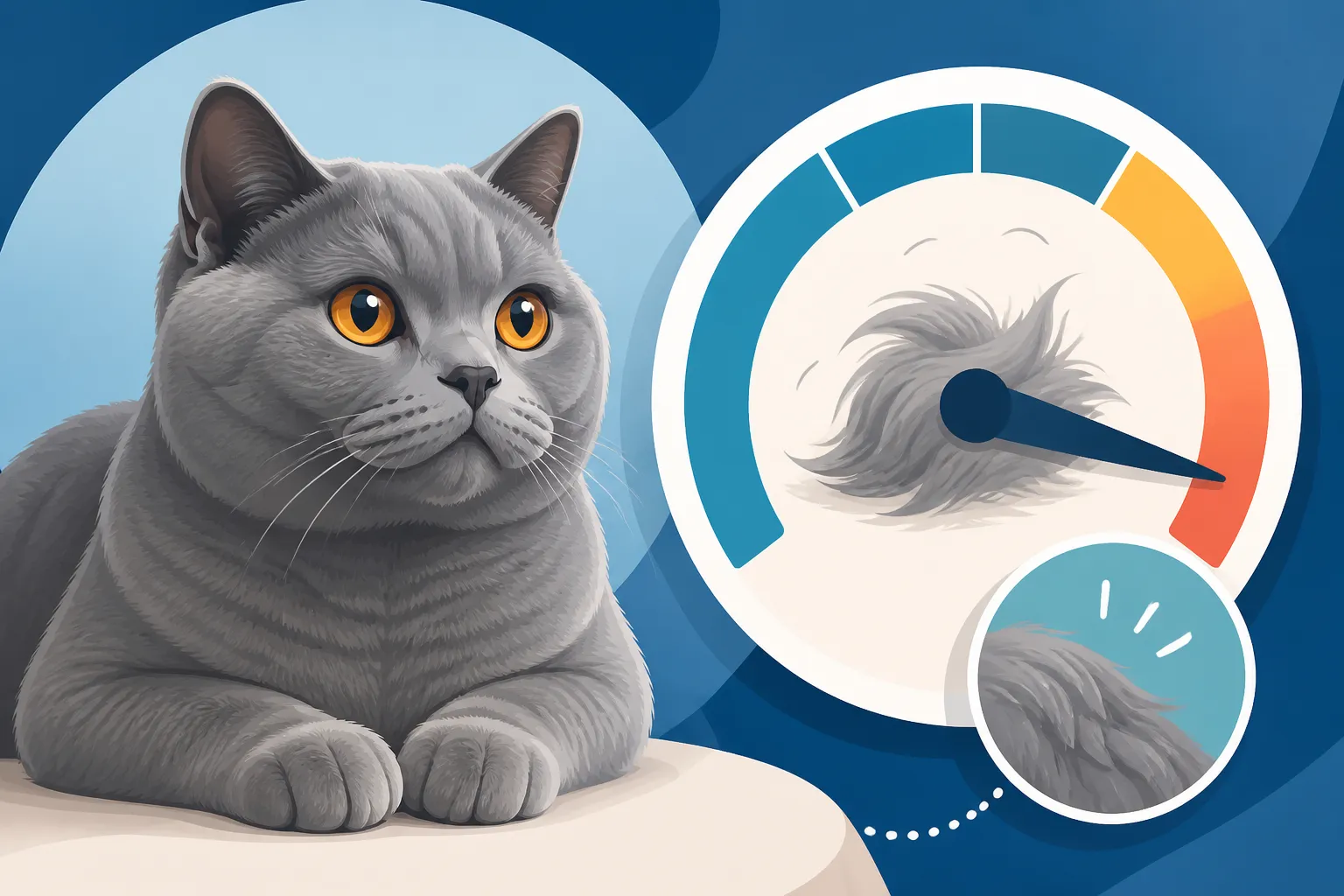
It’s a common misconception that a British Shorthair, with their seemingly short and dense coat, is completely immune to mats. Many new owners, myself included once upon a time, breathe a sigh of relief, thinking they've chosen a low-maintenance grooming breed. However, the reality can be quite different. While they might not mat as frequently or as visibly as a long-haired Persian, those plush, thick coats are absolutely capable of developing painful, stubborn tangles if not properly cared for. This guide will walk you through exactly how and why mats form in British Shorthairs and what you can do to prevent them, ensuring your feline friend remains comfortable and magnificent.
The Unique British Shorthair Coat and Its Matting Potential
The British Shorthair's coat is one of its most defining and beloved features, often described as plush, dense, and feeling almost like velvet. But beneath that charming teddy bear exterior lies a complexity that, if misunderstood, can lead to significant grooming challenges. It's not just a simple layer of fur; it's a carefully structured defense against the elements that comes with its own specific care requirements.
Understanding the Double Coat
What gives the British Shorthair its characteristic "crisp" feel and its coat that stands away from its body is its remarkable double coat. This isn't just a fancy term; it's a real physical characteristic that directly impacts grooming. You have a dense, soft undercoat, which is incredibly insulating and provides that luxurious plushness. Overlapping this is a layer of slightly coarser, resilient guard hairs. These guard hairs protect the undercoat and give the coat its structure and water-resistant qualities. Imagine a tiny, fluffy sheep's wool under a denser, springy outer layer – that’s essentially what you’re dealing with.
Because of this unique structure, the British Shorthair’s coat might look easy to manage, but it actually holds onto loose hair with surprising tenacity. The undercoat can become very compacted, trapping shed hairs close to the skin. If these trapped hairs aren't regularly removed, they begin to twist and knot with the surrounding fur, eventually forming mats. It’s not just about aesthetics; these mats pull on the skin, causing discomfort and even pain. It's truly a marvel how A British Shorthair's Coat Stands Away From Its Body, giving them their signature round look, but this also means tangles can form deeper within the fur, making them harder to spot until they become significant. You can feel Why a British Shorthair's Coat Feels Crisp yourself – it’s a lovely texture, but it’s also a sign of that dense structure that demands attention.
Factors That Increase Matting Risk
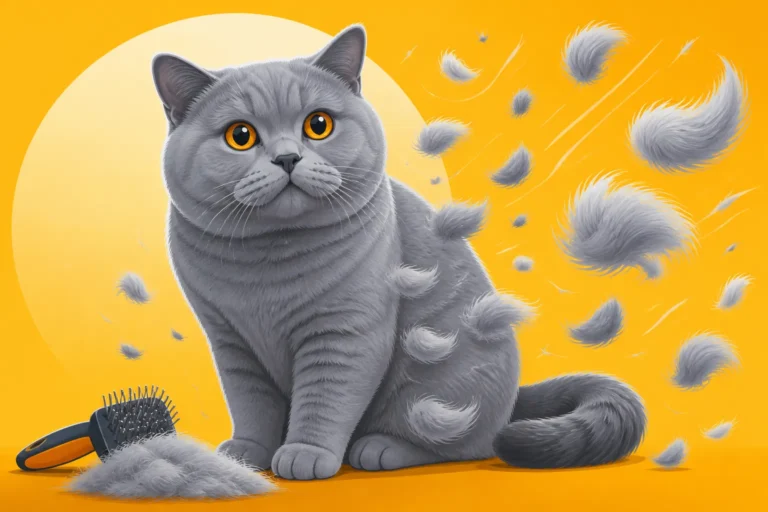
While the inherent coat structure is a primary reason, several other factors contribute significantly to how often a British Shorthair mats. Shedding cycles are a huge one. These cats, like many double-coated breeds, experience periods of heavier shedding, often referred to as "blowing their coat." This typically happens twice a year, in spring and autumn, as their bodies adjust to the changing temperatures. During these times, the volume of loose undercoat increases dramatically, creating prime conditions for matting if not meticulously removed. If you’ve ever wondered How Much a British Shorthair Sheds, you'll definitely notice it during these periods! It’s When a British Shorthair Blows Its Coat that you really need to step up your grooming game.
Environmental conditions also play a part. Dry indoor air, especially during winter when heating systems are running, can make fur more prone to static and tangling. Conversely, high humidity can sometimes make the coat feel heavy and cling together. Another, often overlooked, factor is friction. Areas where your British Shorthair frequently rubs against surfaces, like under their collar (if they wear one), or where their legs meet their body, are hotspots for matting. Think about how many times they jump onto the sofa, rub against a doorframe, or simply curl up in their favorite spot. Each of these actions can contribute to the formation of small tangles that, if left alone, quickly escalate into full-blown mats.
How Frequently British Shorthairs Actually Mat
The question of "how often" is tricky because it's not a uniform experience for every British Shorthair. It truly depends on a combination of their individual coat, their lifestyle, and most importantly, their grooming routine. What is certain is that all British Shorthairs have the potential to mat, and a hands-off approach will almost always lead to problems.
The 'Infrequent But Serious' Reality
Unlike some long-haired breeds where mats can seem to appear overnight and spread like wildfire, British Shorthairs tend to develop mats more subtly, but when they do, they are often incredibly dense and unforgiving. You might go weeks or even a couple of months without noticing a major issue, only to suddenly find a hard, plate-like mat tucked away. The problem is that these mats often form deep within the undercoat, close to the skin, making them incredibly difficult to remove without causing pain to your cat.
The most common areas for these insidious mats are typically those places where there's a lot of movement or friction, or areas they struggle to reach during self-grooming. We're talking about the armpits, behind the ears, the groin area, and along the insides of their hind legs. I’ve seen cats with perfect looking topcoats, only to discover a painful mat the size of a small cracker tucked right into their armpit, pulling on their skin with every step. These are the "out of sight, out of mind" mats that can really sneak up on you and your beloved British Shorthair.
The Role of Self-Grooming and Age
You might think your British Shorthair is a meticulous groomer – and most cats certainly try to be! Their tongues are designed like natural combs, and they spend a good portion of their day keeping themselves tidy. However, even the most dedicated self-groomer has limitations. Their short, dense coats can be tough to penetrate with just their tongue, especially when it comes to the thicker undercoat or those hard-to-reach spots. They simply can’t get deep enough to pull out all the loose, shedding fur that contributes to matting.
Furthermore, as British Shorthairs age, their flexibility often decreases, making it harder for them to contort into the positions needed for a full-body grooming session. Caring for an Old British Shorthair involves a lot more attention to their physical comfort, and grooming is a big part of that. On top of this, British Shorthairs are particularly prone to weight gain, and if your cat becomes Why an Overweight British Shorthair Stops Grooming Its Back, their ability to reach their spine and hindquarters becomes severely compromised. This leads to a vicious cycle where lack of grooming contributes to matting, which then further restricts movement and makes grooming even harder. Health issues like arthritis or even dental pain (such as Gingivitis in a British Shorthair) can also make grooming uncomfortable, leading to neglect and subsequent matting.
Preventing Mats: Your Best Defense
When it comes to British Shorthairs and matting, prevention truly is worth a pound of cure – or rather, a stressful, expensive vet visit for sedation and shaving. Establishing a consistent grooming routine from a young age is key, along with ensuring your cat is generally healthy and comfortable.
The Right Tools and Routine
The absolute cornerstone of mat prevention for a British Shorthair is regular combing with the right tools. Forget those flimsy plastic brushes or even some of the slicker brushes designed for other breeds; they simply won't get through that dense undercoat. What you need is a good quality metal comb, ideally with both wide and fine teeth. A decent undercoat rake can also be incredibly useful, especially during shedding season. I often recommend looking for these types of specialized tools on platforms like Chewy or Amazon, where you can read reviews from other British Shorthair owners.
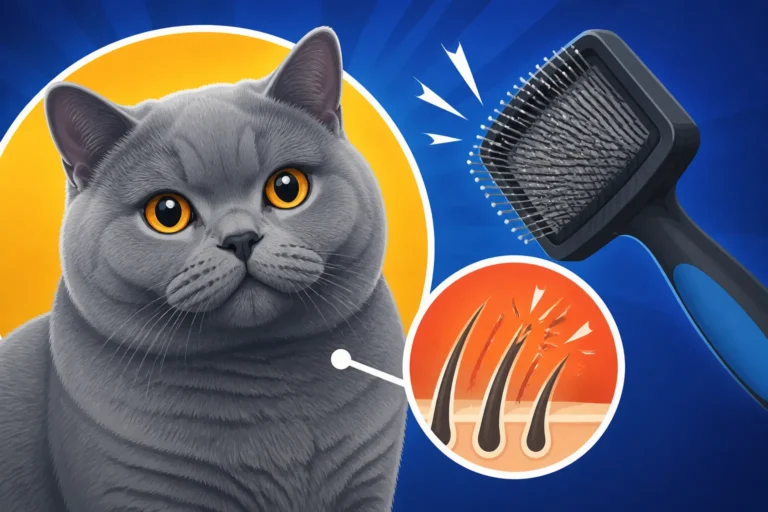
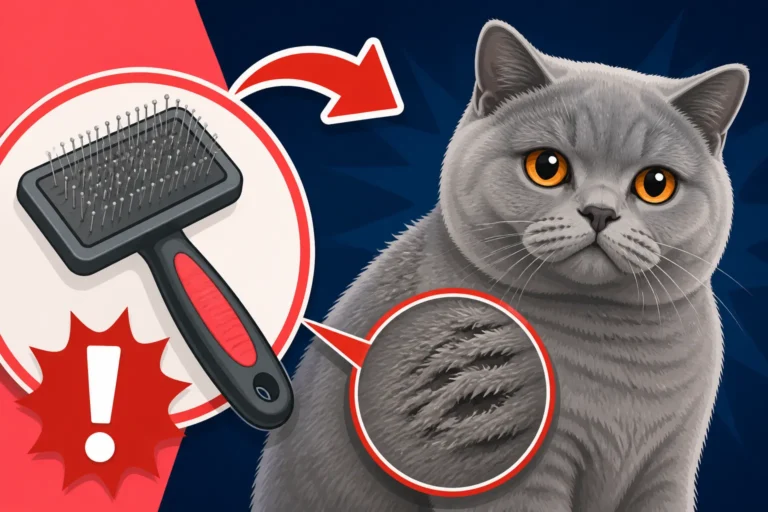
Aim for a quick combing session at least a few times a week, and ideally daily during peak shedding periods. This isn't about lengthy, elaborate grooming; it's about consistency. Spend five to ten minutes gently combing through their coat, focusing on those common matting areas like the armpits, behind the ears, and around the tail. Start with the wide-toothed side of your comb to gently detangle, then follow with the finer teeth to remove loose undercoat. Remember, a British Shorthair has an undercoat, and that's where the matting problem really begins. Trying to use Why a Slicker Damages a British Shorthair's Coat can break their delicate guard hairs and scratch their skin, so stick to proper combs. If you're wondering Which Comb a British Shorthair Needs, a good quality steel comb is almost always the answer.
Here’s a simple comparison of common grooming tools:
| Tool Type | Best Use for British Shorthair | Pros | Cons |
|---|---|---|---|
| Metal Comb (Fine/Wide) | Daily general grooming, undercoat removal, detangling | Excellent for deep coat penetration | Can pull if not used gently on tangles |
| Undercoat Rake | Seasonal shedding, removing dense undercoat | Very effective for deep loose hair removal | Can be harsh if used too aggressively |
| Slicker Brush | Generally not recommended | Can superficially smooth topcoat | Damages guard hairs, doesn't reach undercoat |
| Rubber Curry Brush | Massage, surface loose hair, bath time | Gentle, stimulating | Not effective for deep mat prevention |
Diet, Hydration, and Environment for Coat Health
While grooming is paramount, your British Shorthair's overall health plays a significant role in the quality of their coat, which in turn affects its proneness to matting. A healthy coat is a resilient coat, less likely to become brittle, dry, and prone to tangles. This starts from the inside out, primarily with their diet and hydration.
Ensure your cat is on a high-quality, balanced diet. Look for foods that list real meat as the first ingredient and contain essential fatty acids, particularly Omega-3 and Omega-6. These nutrients contribute directly to skin health and a glossy, strong coat. If your cat's fur feels dull or excessively dry, consider discussing a high-quality fish oil supplement with your vet. Adequate hydration is also crucial. Cats, including British Shorthairs, aren't always great at drinking enough water from a bowl. Investing in a feline-friendly water fountain can often encourage them to drink more, helping to keep their skin healthy and their fur supple. You can find excellent options for both high-quality food and water fountains on reputable pet supply sites like Chewy. Finally, maintaining a comfortable indoor environment, neither excessively dry nor overly humid, can help maintain coat health.
Dealing with Existing Mats Safely
Despite your best efforts, sometimes a mat will form. Perhaps you missed a grooming session, or your cat decided to have an epic wrestling match under the bed. The key here is to address them promptly and, more importantly, safely. Impatience or using the wrong approach can quickly turn a minor inconvenience into a painful, traumatic experience for your British Shorthair.
Small Mats vs. Large Mats
First, you need to assess the mat. Is it a small, loose tangle near the surface, or a hard, tight, skin-pulling slab? For very small, superficial tangles that haven't pulled tight against the skin, you might be able to gently tease them apart. Use your fingers to break up the mat as much as possible, then carefully work through it with the wide-toothed side of a metal comb. You can apply a small amount of cornstarch or a cat-safe detangling spray to help loosen the fur. Always comb away from the skin, not towards it.
However, and this is a critical warning, never use scissors to cut out mats if they are close to the skin. British Shorthair skin is quite thin and loose, making it incredibly easy to accidentally snip their skin, which often hides surprisingly close underneath the mat. What looks like a safe distance can quickly become a trip to the emergency vet for stitches. It's a risk simply not worth taking. Even a seemingly small mat can hide a tight pull on the skin. If you can’t get your fingers between the mat and the skin, put the scissors away.
When Professional Help is Essential
For larger, dense, or skin-tight mats, professional intervention is not just recommended, it's essential. This means a trip to your veterinarian or a professional groomer experienced with cats (and specifically with British Shorthairs, if possible). They have specialized tools, like electric clippers with safety blades, that can safely shave off mats without damaging the skin. They are also trained to handle stressed or painful cats.
If the matting is extensive or causing your British Shorthair significant pain, your vet might even recommend light sedation to make the process less traumatic. This is not a failure on your part; it's prioritizing your cat's well-being. Untreated mats can lead to a host of problems beyond discomfort: skin irritation, sores, infections, and even hide parasites. Imagine What Obesity Does to a British Shorthair's Joints, and then add the constant pulling of mats on their skin – it’s a recipe for misery. Don't let pride get in the way of providing your cat with the relief they need. A good groomer or vet can shave off the mats quickly and efficiently, allowing your British Shorthair to start fresh with a comfortable, mat-free coat, giving you a chance to implement a better daily grooming routine.
Disclaimer
This article is for general informational purposes only and does not constitute professional advice. Laws, prices and regulations vary by location and change over time. Consult a qualified professional for guidance on your specific situation.