Skip to content

British Shorthair Guide

  • Breed Overview
  • Cost & Ownership
  • Care & Nutrition
  • Health & Lifespan
  • Behavior & Enrichment
British Shorthair Guide
  • Signs a British Shorthair Is Overweight
    Health & Lifespan

    Signs a British Shorthair Is Overweight

    ByBritish Shorthair Guide Editorial Team August 26, 2026October 4, 2026 October 4, 2026

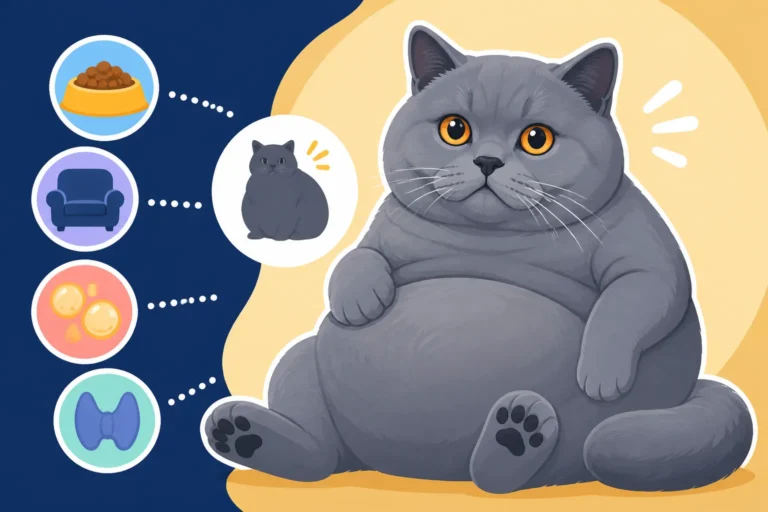
    Visual and behavioral signs help owners identify if a British Shorthair cat carries excess weight and health risks.
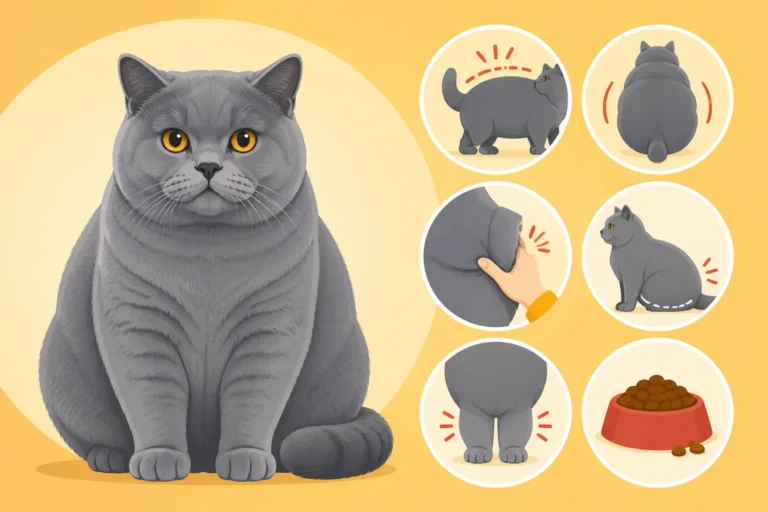
    Read More Signs a British Shorthair Is OverweightContinue

  • Why a British Shorthair Gains Weight So Easily
    Health & Lifespan

    Why a British Shorthair Gains Weight So Easily

    ByBritish Shorthair Guide Editorial Team August 26, 2026October 23, 2026 October 23, 2026

    British Shorthair weight gain stems from cobby genetics, efficient metabolisms, and sedentary indoor lifestyles hiding excess fat.
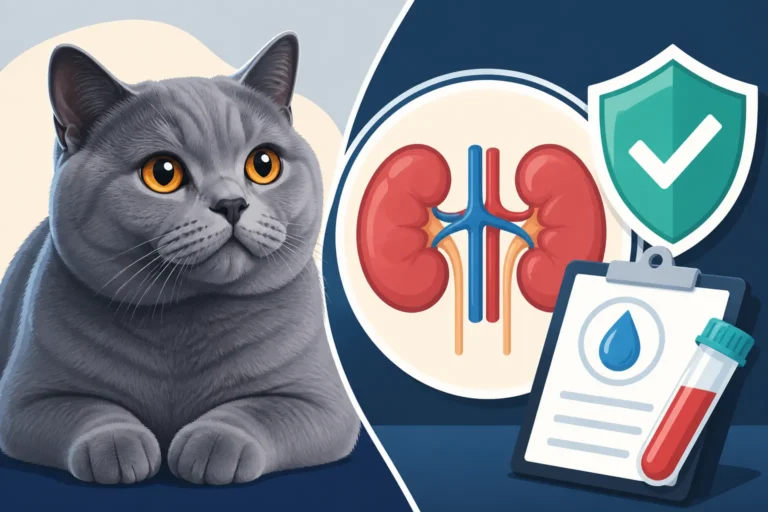
    Read More Why a British Shorthair Gains Weight So EasilyContinue

  • Whether a British Shorthair Should Be PKD Tested
    Health & Lifespan

    Whether a British Shorthair Should Be PKD Tested

    ByBritish Shorthair Guide Editorial Team August 26, 2026October 23, 2026 October 23, 2026

    Polycystic kidney disease in British Shorthairs causes fluid-filled cysts, leading to eventual kidney failure without early DNA testing.
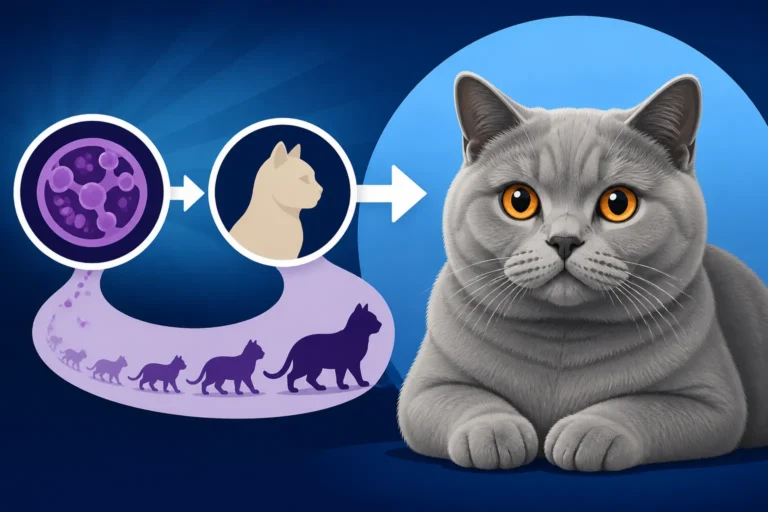
    Read More Whether a British Shorthair Should Be PKD TestedContinue

  • How PKD Reached the British Shorthair
    Health & Lifespan

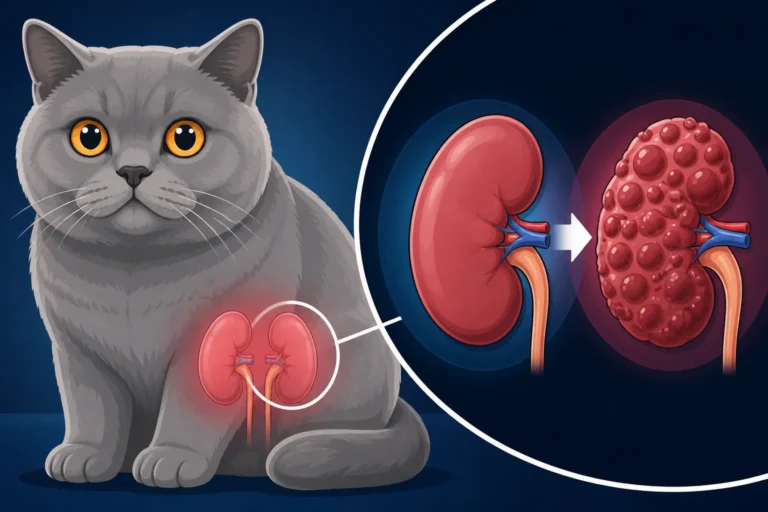
    How PKD Reached the British Shorthair

    ByBritish Shorthair Guide Editorial Team August 26, 2026October 22, 2026 October 22, 2026

    Polycystic Kidney Disease history in British Shorthair cats explains the defective gene mutation and how breeders combat the hereditary condition.
    Read More How PKD Reached the British ShorthairContinue

  • What Polycystic Kidney Disease Does to a British Shorthair
    Health & Lifespan

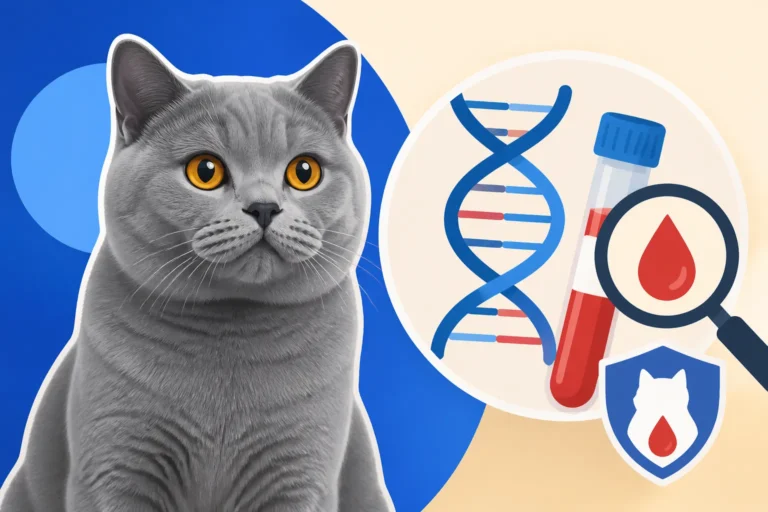
    What Polycystic Kidney Disease Does to a British Shorthair

    ByBritish Shorthair Guide Editorial Team August 26, 2026October 23, 2026 October 23, 2026

    Polycystic Kidney Disease causes fluid-filled cysts in British Shorthair kidneys, leading to progressive tissue damage and eventual failure.
    Read More What Polycystic Kidney Disease Does to a British ShorthairContinue

  • Whether a DNA Test for British Shorthair Hemophilia Exists
    Health & Lifespan

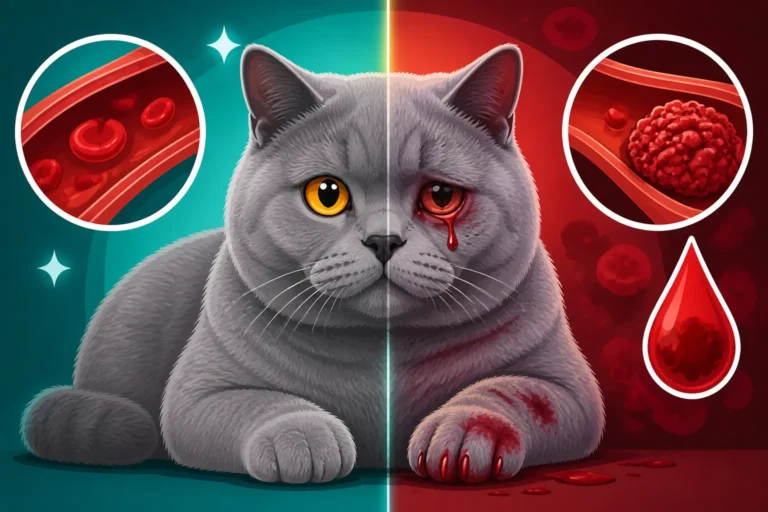
    Whether a DNA Test for British Shorthair Hemophilia Exists

    ByBritish Shorthair Guide Editorial Team August 26, 2026October 23, 2026 October 23, 2026

    Hemophilia B is an inherited X-linked recessive bleeding disorder in British Shorthairs caused by a deficiency in Factor IX.
    Read More Whether a DNA Test for British Shorthair Hemophilia ExistsContinue

  • What Hemophilia B Does to a British Shorthair
    Health & Lifespan

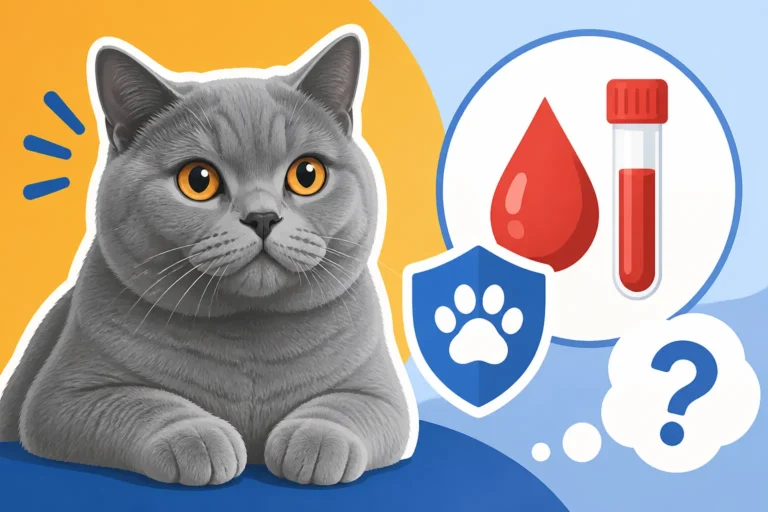
    What Hemophilia B Does to a British Shorthair

    ByBritish Shorthair Guide Editorial Team August 26, 2026October 22, 2026 October 22, 2026

    Hemophilia B in British Shorthairs is a genetic bleeding disorder caused by Factor IX deficiency that impairs blood coagulation.
    Read More What Hemophilia B Does to a British ShorthairContinue

  • Whether a Pet British Shorthair Needs Blood Typing
    Health & Lifespan

    Whether a Pet British Shorthair Needs Blood Typing

    ByBritish Shorthair Guide Editorial Team August 26, 2026October 23, 2026 October 23, 2026

    British Shorthair blood typing prevents fatal transfusion reactions and neonatal isoerythrolysis in Type A and Type B breeding programs.
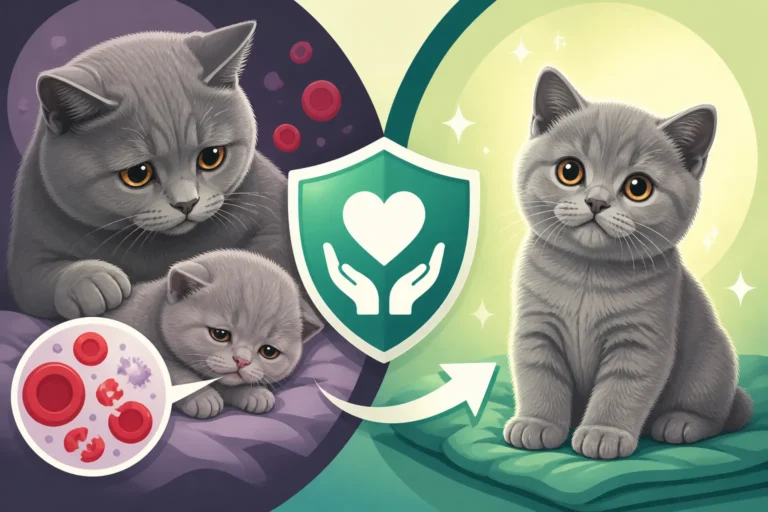
    Read More Whether a Pet British Shorthair Needs Blood TypingContinue

  • How to Save a British Shorthair Kitten From Isoerythrolysis
    Health & Lifespan

    How to Save a British Shorthair Kitten From Isoerythrolysis

    ByBritish Shorthair Guide Editorial Team August 26, 2026October 23, 2026 October 23, 2026

    Neonatal isoerythrolysis causes hemolytic anemia in British Shorthair kittens consuming incompatible colostrum from Type B queens.
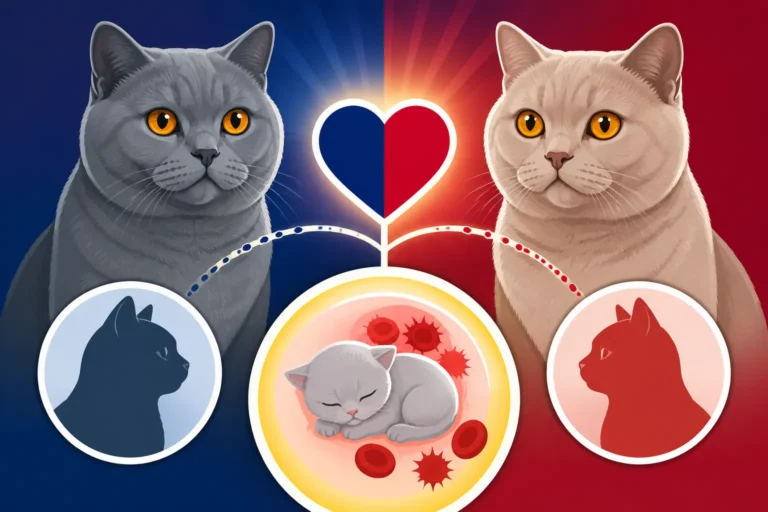
    Read More How to Save a British Shorthair Kitten From IsoerythrolysisContinue

  • Which British Shorthair Pairing Causes Neonatal Isoerythrolysis
    Health & Lifespan

    Which British Shorthair Pairing Causes Neonatal Isoerythrolysis

    ByBritish Shorthair Guide Editorial Team August 26, 2026October 22, 2026 October 22, 2026

    British Shorthair breeding pairings between Type B queens and Type A toms cause fatal neonatal isoerythrolysis in kittens.

    Read More Which British Shorthair Pairing Causes Neonatal IsoerythrolysisContinue

Page navigation

Previous PagePrevious 1 … 66 67 68 69 70 Next PageNext
  • About Us
  • Contact Us
  • Editorial Policy
  • Privacy Policy
  • Terms of Use

© 2026 CHOIS Media LLC. All rights reserved.

Location: Wyoming, USA    |    Email: [email protected]

Scroll to top
  • Breed Overview
  • Cost & Ownership
  • Care & Nutrition
  • Health & Lifespan
  • Behavior & Enrichment
Search