Whether a British Shorthair Notices You Are Away
British Shorthair cats notice owner departures through subtle habit changes, relying on a calm and stoic demeanor when left alone.
Change the room, not the cat.
Litter box avoidance, scratching and furniture, multi-cat tension and night activity — and the vertical space, play routines and feeding puzzles that solve more than correction does.
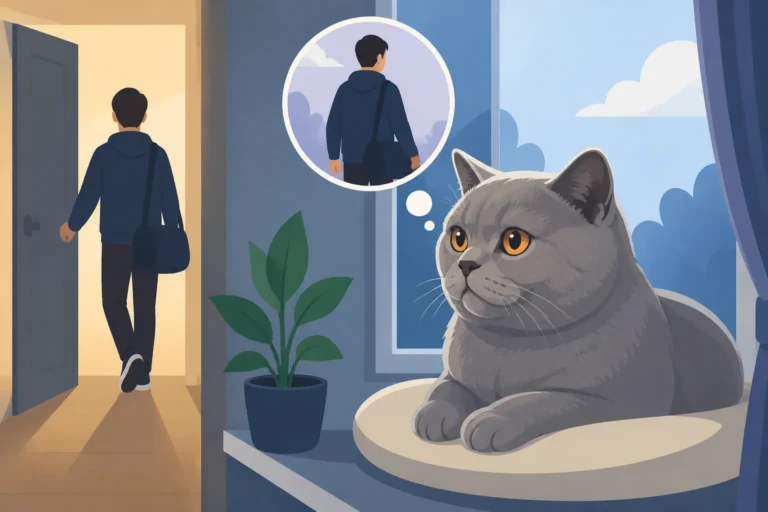
British Shorthair cats notice owner departures through subtle habit changes, relying on a calm and stoic demeanor when left alone.
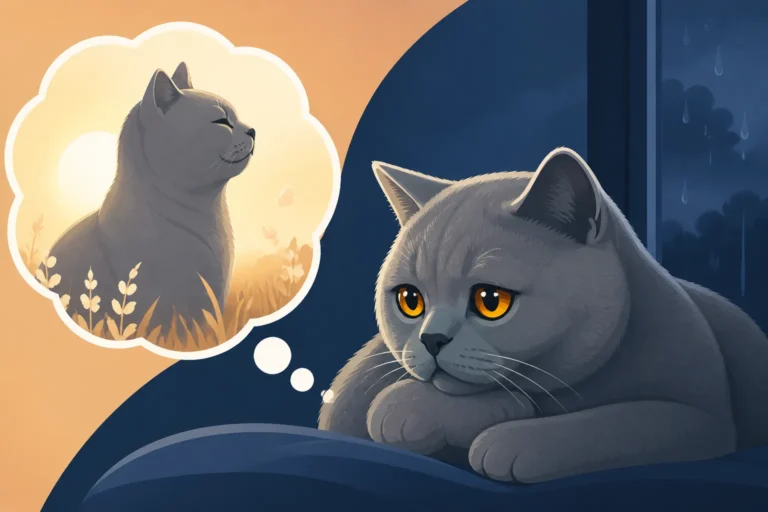
British Shorthair grief reveals itself through quiet withdrawal, sleep changes, and subtle behavioral shifts after losing a companion.
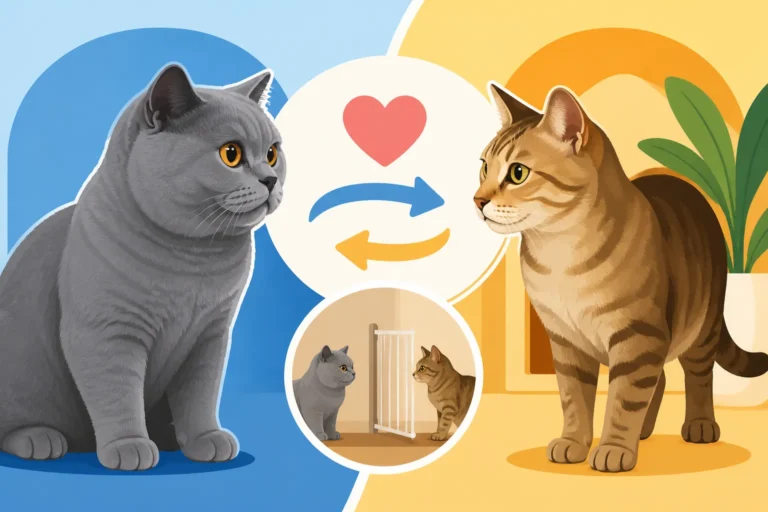
A step-by-step introduction process helps integrate a British Shorthair cat safely into a home with a resident cat over age ten.

British Shorthair temperament and territorial tendencies explain how two calm cats interact and share resources in a multi-cat home.

Choosing a second cat for your British Shorthair explains how to find a calm companion matching their quiet temperament.
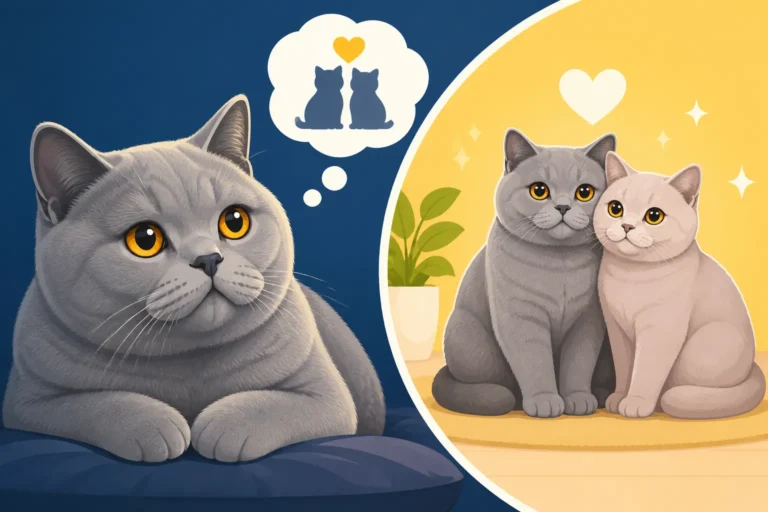
British Shorthair social dynamics and loneliness risks help owners decide whether adding a second cat improves pet well-being.
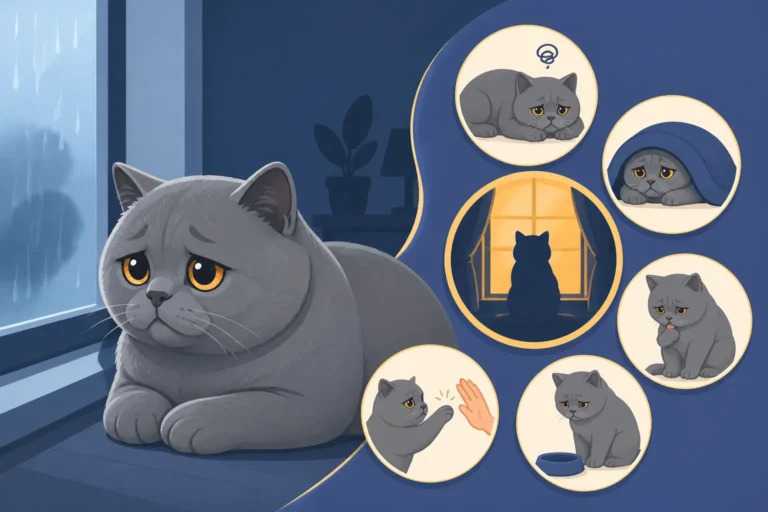
Behavioral signs of a lonely British Shorthair, including sudden clinginess, hiding, and reduced play levels, help owners recognize emotional distress.
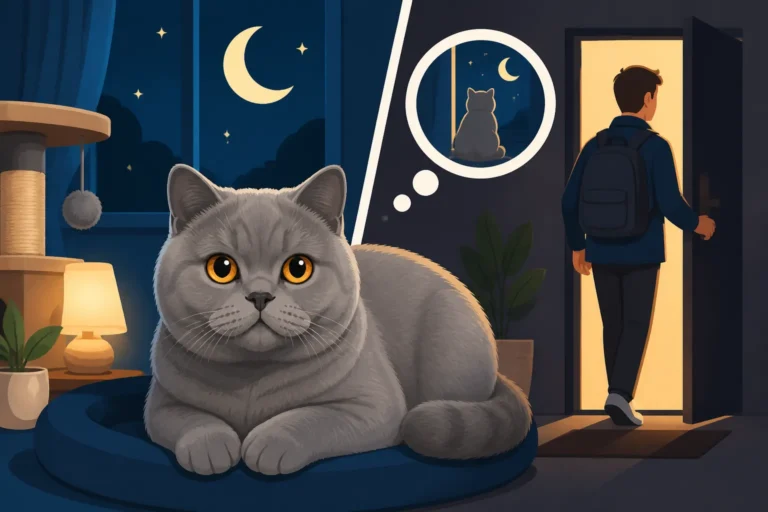
British Shorthair independence and calm temperament explain how well this breed handles being left home alone overnight.
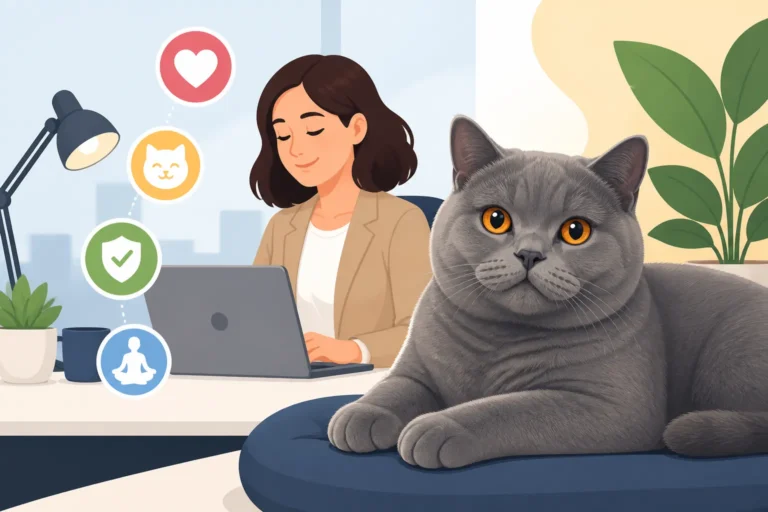
British Shorthair cats offer calm, independent companionship and low vocalization that suits demanding office schedules.
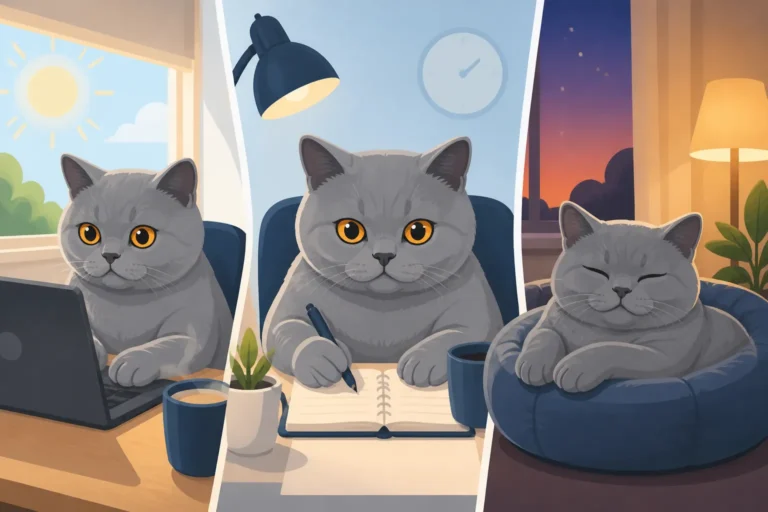
British Shorthair cats cope well during a full working day because their calm temperament allows long, uninterrupted naps.