How a British Shorthair Handles a Toddler
British Shorthair cats react to toddlers with calm patience while strictly demanding personal space and quiet retreat zones.
Change the room, not the cat.
Litter box avoidance, scratching and furniture, multi-cat tension and night activity — and the vertical space, play routines and feeding puzzles that solve more than correction does.
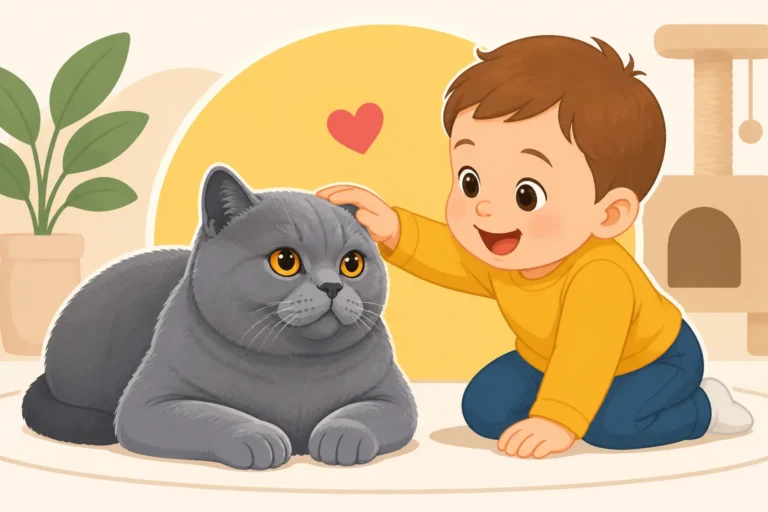
British Shorthair cats react to toddlers with calm patience while strictly demanding personal space and quiet retreat zones.

British Shorthair car travel anxiety stems from routine disruption, severe sensory overload, and negative vet associations.
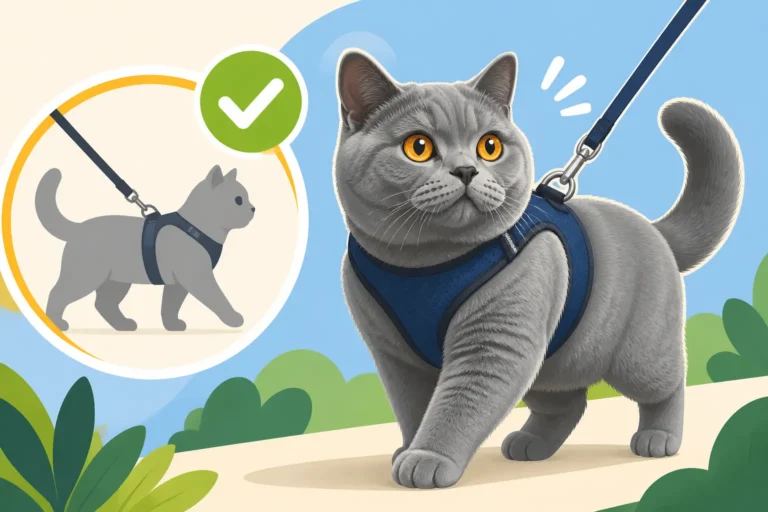
British Shorthair harness training challenges, temperament traits, and gentle methods for safe outdoor walking adventures.
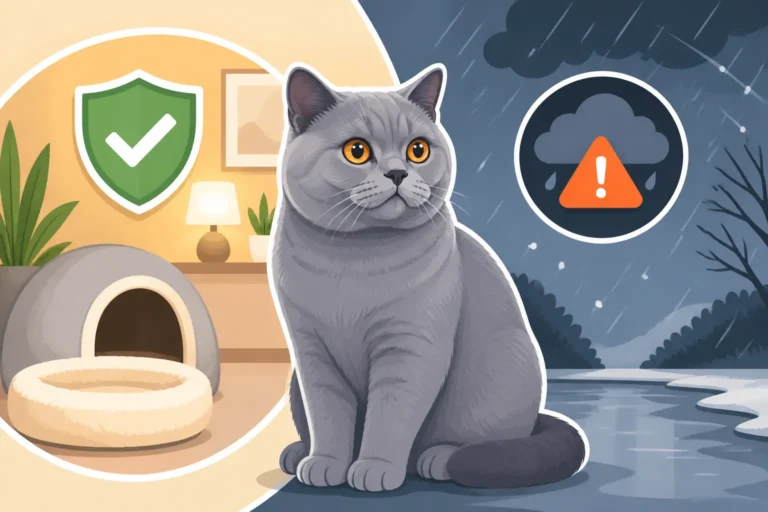
British Shorthair cats lack the agility, dense coat, and instincts required to survive dangerous outdoor environments safely.
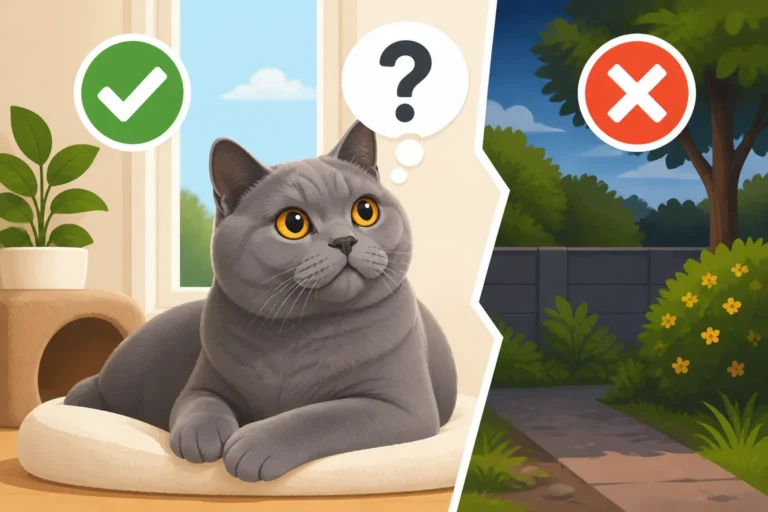
Outdoor access for British Shorthairs involves traffic risks, harsh weather, toxic chemicals, and exposure to serious illnesses and parasites.
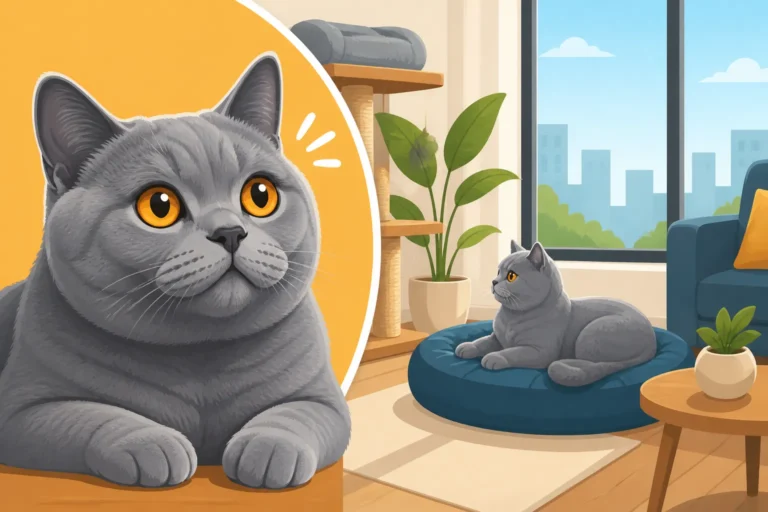
British Shorthair cats thrive in apartments because their calm demeanor, independent streak, and low energy levels suit smaller living spaces.

British Shorthair hunting instincts explained through historical origins, ancestral pest control traits, and modern indoor play styles.
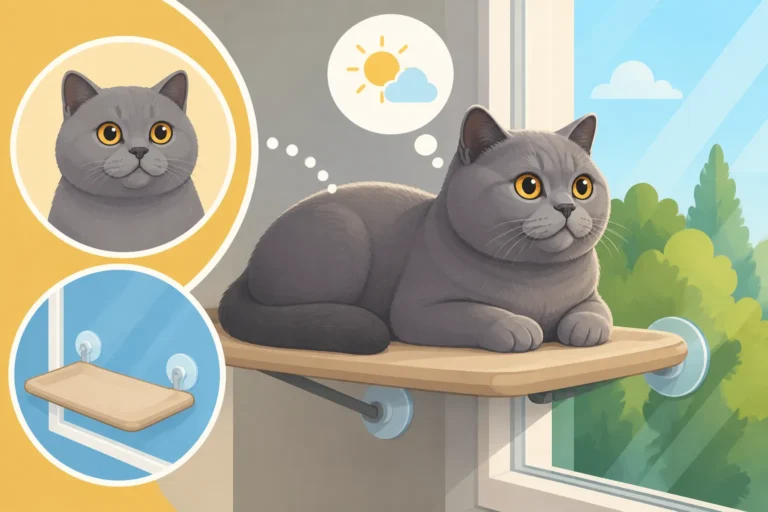
British Shorthair window perch usage depends on breed habits, comfort preferences, stability, and individual personality traits.

British Shorthair sleeping habits and ground preferences explain why these cats choose floor beds for security and joint comfort.
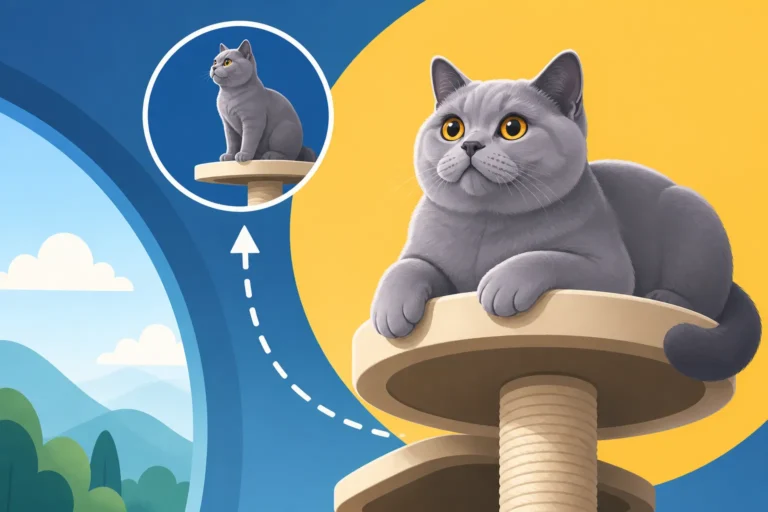
British Shorthair cats prefer ground level spaces and moderate heights because their heavy build and calm temperament limit high vertical agility.