Whether an Older British Shorthair Gets Friendlier
Aging British Shorthair cats often show increased affection, and this text explains their changing social behavior over time.
Change the room, not the cat.
Litter box avoidance, scratching and furniture, multi-cat tension and night activity — and the vertical space, play routines and feeding puzzles that solve more than correction does.
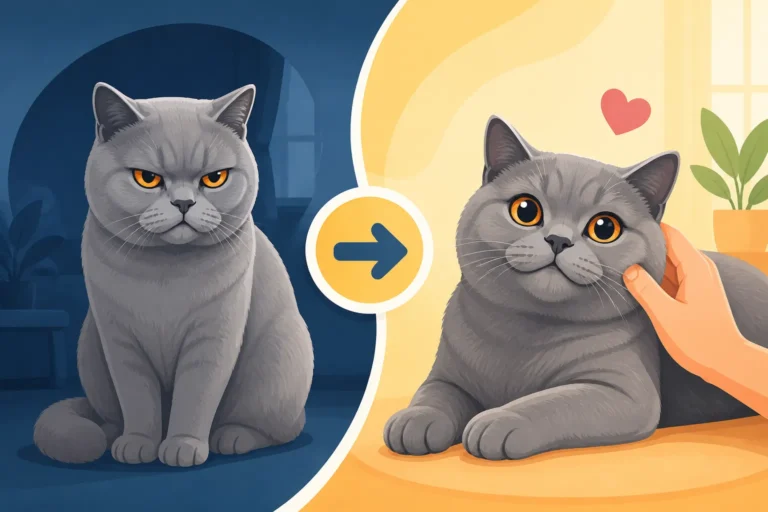
Aging British Shorthair cats often show increased affection, and this text explains their changing social behavior over time.
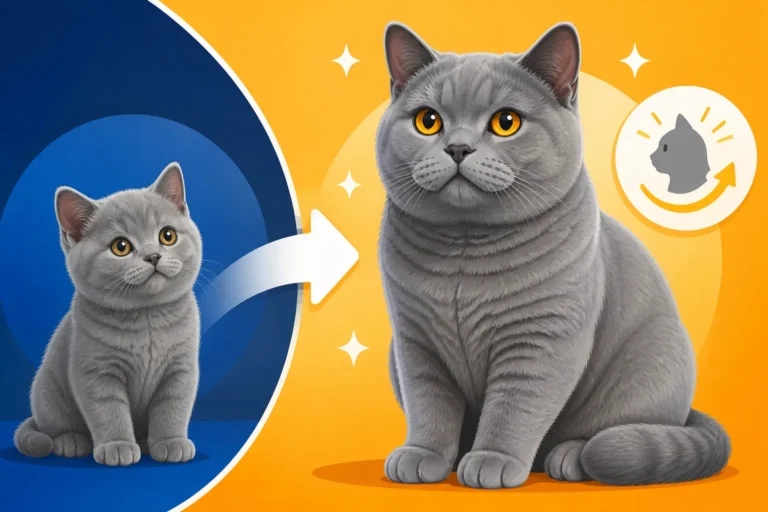
British Shorthair physical development at three years old includes continued muscle mass gain, bone density increases, and peak coat condition.
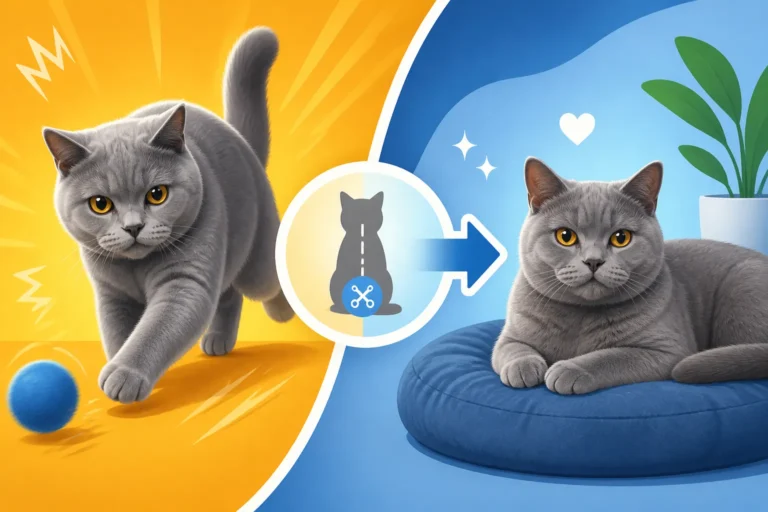
Neutering a British Shorthair reduces hormone-driven behaviors like urine spraying and yowling, bringing realistic changes.
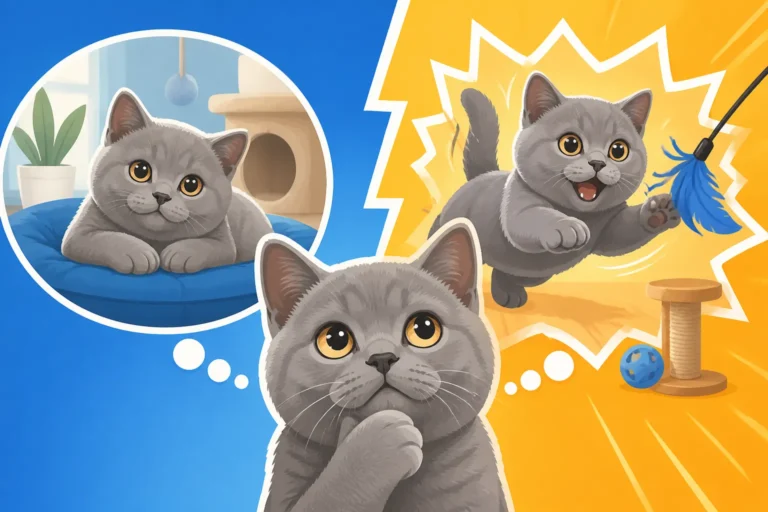
British Shorthair kitten energy levels are explained, helping owners understand the calm and laid-back temperament of the breed.
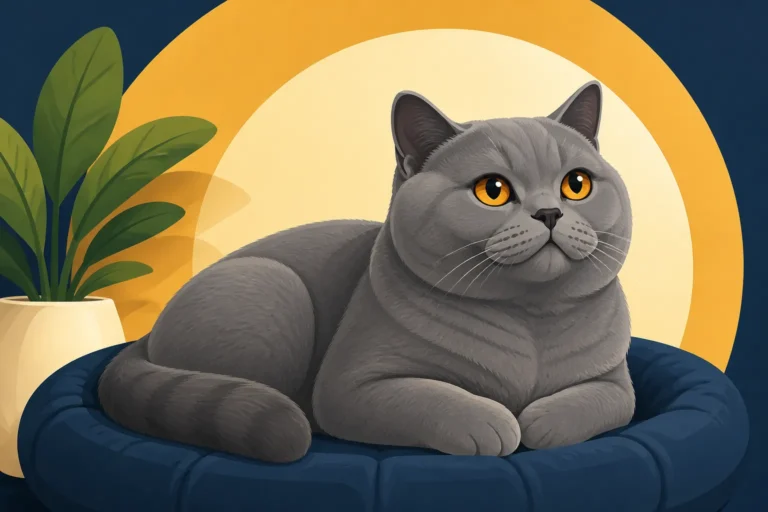
British Shorthair developmental stages explain when energetic kittens transition into calm, placid adults and how to support them.
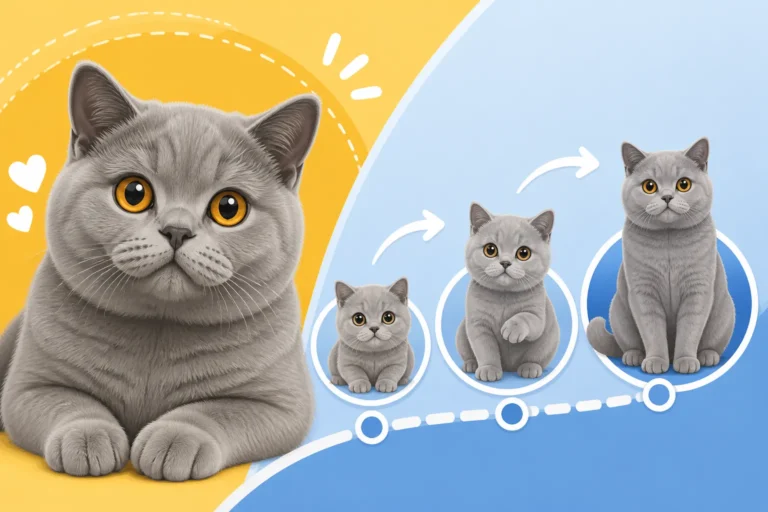
British Shorthair developmental stages explain how long kitten behavior lasts before maturing into a calm adult persona.

British Shorthair begging behavior explained, detailing why these calm cats do it and how to manage persistent food habits.
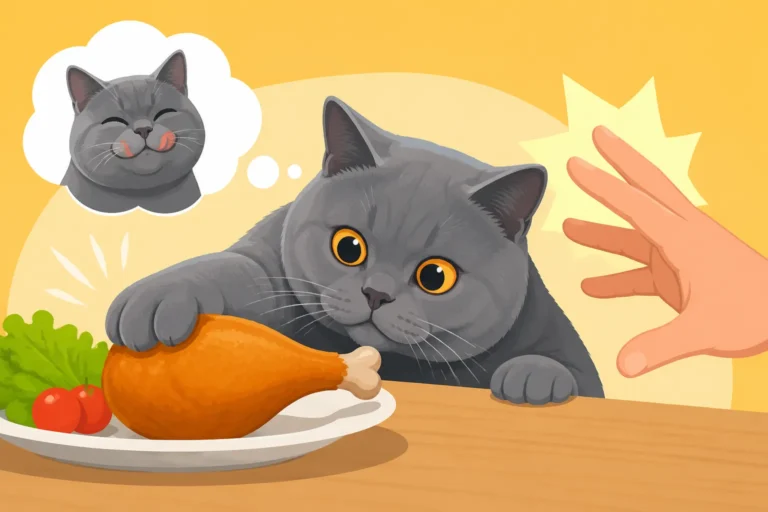
British Shorthair food stealing stems from heavy appetites, natural curiosity, and learned habits. Prevent raids and weight gain safely.
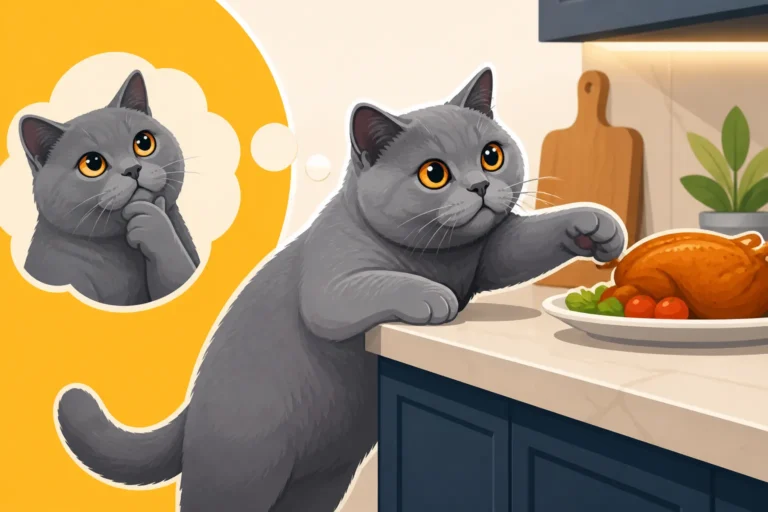
British Shorthair counter surfing reasons explained, plus methods to keep your calm, ground-loving feline firmly on the floor.

British Shorthair cats rarely knock things over because their calm demeanor and stocky cobby body type discourage precarious climbs.