Whether a British Shorthair Scratches a Child
Bringing a British Shorthair into a home with children often comes with a common worry: will this lovely, chunky cat scratch the kids? It's a completely valid concern for any parent, as safety is paramount, and nobody wants a beloved pet to inadvertently harm a child. This guide is here to unravel the truth about British Shorthairs and their interactions with children, offering realistic insights and actionable steps to foster a safe, harmonious environment for everyone.
Understanding the British Shorthair Temperament
British Shorthairs are renowned for their calm, laid-back demeanor, which is a huge plus for families. They aren't typically a high-strung, skittish breed that's prone to darting away at every sudden sound. Instead, they possess a dignified, somewhat unflappable nature, making them often tolerant companions in a busy household. This isn't to say they are immune to stress or will tolerate anything, but their baseline temperament leans towards composure.
The Calm, Independent Nature
Unlike some breeds that thrive on constant interaction and can become clingy, the British Shorthair generally enjoys its independence. They're often described as "velcro with a six-inch gap," preferring to be near you rather than directly on your lap. This trait can be a real benefit in a family setting because it means they're less likely to demand attention aggressively. They'll often find a quiet spot to observe the household goings-on, rather than inserting themselves into every playtime commotion. A British Shorthair is quite content to be a presence, an affectionate shadow, rather than an always-on-your-lap companion. This independence can be misunderstood as aloofness, but it's more about their self-possessed nature. You might find them stretching out in a sunbeam on the floor nearby while the children play, rather than directly in the thick of it. For more on their general demeanor, check out What a British Shorthair's Temperament Is Really Like.
How They Express Discomfort
One of the most important things to understand about a British Shorthair is how they typically express discomfort or displeasure. Rather than immediately resorting to claws or teeth, their first instinct is usually to retreat. They'll walk away, seek a higher perch, or simply remove themselves from the situation that's making them uneasy. This passive-aggressive approach (in the best possible sense!) means they're less likely to lash out without warning. A flick of the tail, a slight flattening of the ears, or a direct gaze might be their subtle cues before they decide to simply leave the room. It’s crucial for both adults and children to learn to read these signals to prevent any escalation. They are usually quite quiet, too, often preferring a soft trill or chirrup to a loud meow, even when asking for food or attention. This quiet nature extends to their expressions of discontent; a growl or hiss from a British Shorthair is a serious warning sign and usually means they've tried all their subtle hints first.
Why Cats Scratch
Scratching is a completely natural, instinctual behavior for all cats, not just British Shorthairs. It serves multiple purposes, from maintaining nail health to marking territory and expressing emotions. Understanding why a cat scratches is key to preventing unwanted scratching incidents, especially when children are involved. It's rarely out of pure malice, but usually a response to a situation.
Normal Scratching Behaviors
Cats scratch for a variety of reasons that are completely normal and healthy for them. Firstly, it helps them shed the outer layers of their claws, keeping them sharp and healthy. Think of it as a feline manicure. Secondly, scratching is a way to stretch their muscles, particularly in their shoulders and backs, which feels wonderfully satisfying for them. Thirdly, cats have scent glands in their paws, so scratching is also a form of scent marking, letting other cats (and you!) know they've been there and this is 'their' space. This is why a good, sturdy scratching post or cat tree is essential. You want them to perform these natural behaviors on appropriate surfaces. Having multiple options, like a tall sisal post from Amazon and a horizontal cardboard scratcher, can satisfy different scratching preferences.
When Scratching Becomes a Problem
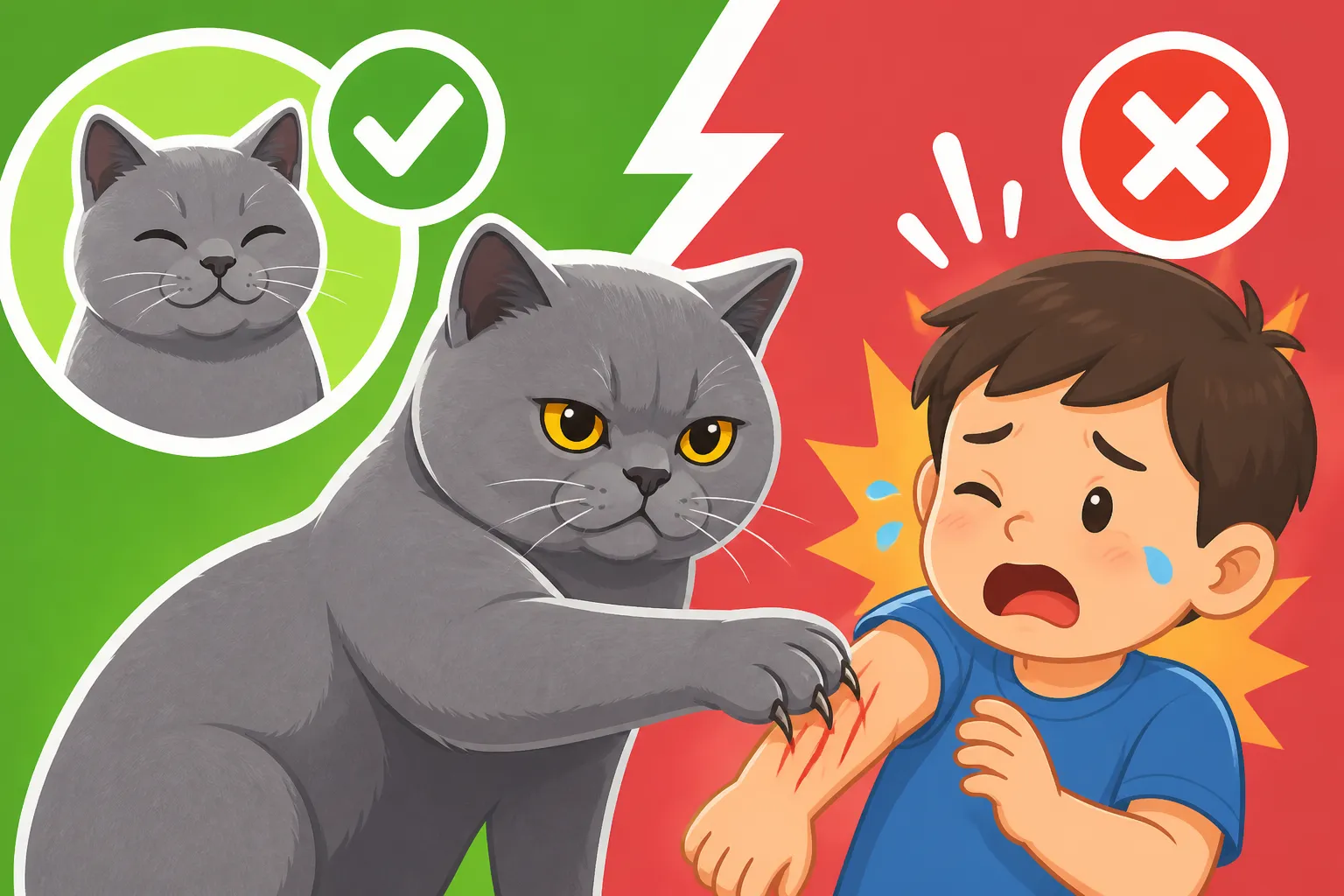
Scratching only becomes an issue when it's directed at inappropriate objects – or, more concerningly, at people. When a British Shorthair scratches a child, it's almost always due to one of a few key reasons:
- Fear or Feeling Trapped: A child might corner the cat, pick it up against its will, or surprise it. The cat feels threatened, has no escape route, and lashes out in self-defense. This is a primary cause of accidental scratches with children. The British Shorthair, despite its calm nature, values its personal space immensely. They are often not keen on being picked up, and even a well-meaning child might find themselves on the receiving end of a quick scratch if they don't respect this boundary. A British Shorthair Will Not Be Picked Up delves into this further.
- Overstimulation or Rough Play: Children, especially toddlers, can sometimes be too rough, pull fur, or grab a tail. What might start as playful interaction can quickly turn into overstimulation for the cat, leading to a defensive scratch or bite to signal "stop!" Their tolerance levels, while generally high, aren't endless.
- Pain or Illness: If a normally placid British Shorthair suddenly starts scratching, it could be a sign they're in pain or feeling unwell. A child might accidentally touch a sore spot, prompting an uncharacteristic defensive reaction. This is why regular vet check-ups are so important.
- Lack of Appropriate Outlets: If a British Shorthair doesn't have suitable scratching posts or enriching toys, they might direct their natural scratching instincts toward furniture – or even a passing limb if they're particularly frustrated and seeking attention or an outlet. This is less common with people, but a deprived cat can certainly get overly feisty in play.
It's vital to differentiate between a cat being genuinely aggressive and simply reacting to a perceived threat or discomfort. True aggression is rare in British Shorthairs unless they have a history of abuse or severe fear issues. Most incidents are reactions, not premeditated attacks.
Preventing Scratches in a Family Home
The good news is that with a bit of foresight and consistent effort, you can significantly reduce the risk of your British Shorthair scratching a child. It's about setting boundaries, providing proper care, and educating everyone in the household.
Establishing Safe Spaces and Boundaries for Your Cat
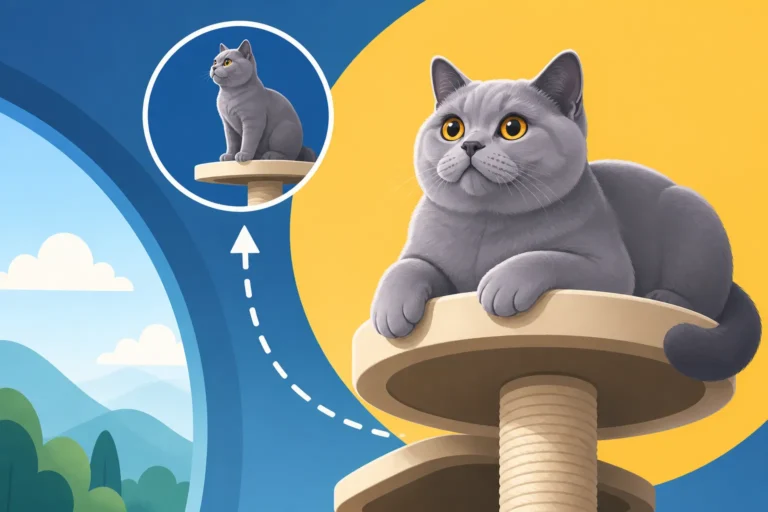
Every cat, especially one living with children, needs a personal retreat where they can feel safe and undisturbed. This "safe haven" should be a place where the children are taught never to bother the cat. This could be a tall cat tree, a cozy bed in a spare room, or a hidden tunnel. When your British Shorthair is in their safe space, they should be left completely alone. This empowers them to manage their own comfort levels and retreat when they feel overwhelmed, rather than feeling trapped. Consider a sturdy, multi-level cat tree from Amazon that offers both high perches and enclosed cubbies. It’s also wise to have their food, water, and litter box in quiet, accessible areas where they won’t feel ambushed. Which Litter Box Size a British Shorthair Needs might be a good read for ensuring their comfort with basic necessities.
Proper Nail Care and Enrichment
Keeping your British Shorthair's nails trimmed is perhaps the most practical step you can take to prevent deep scratches. Even if a cat swats playfully or defensively, short, blunt nails do far less damage than long, sharp ones. Regular nail trims, perhaps every 2-4 weeks, are essential. Many British Shorthairs can be trained to tolerate nail trims, especially if started young and associated with treats. Ask your vet or a professional groomer for a demonstration if you're unsure.
Beyond trimming, enrichment is crucial. A bored or under-stimulated cat might be more prone to rough play. Provide plenty of appropriate scratching surfaces – sisal posts, cardboard scratchers, horizontal mats. Rotate toys to keep them interesting. Wand toys (again, readily available on Amazon) are fantastic for interactive play, allowing your cat to chase and "hunt" without direct hand contact. This satisfies their predatory instincts safely and provides much-needed exercise for a breed not known for its athletic prowess. For more on keeping their claws healthy, see How Often a British Shorthair's Nails Need Trimming.
Supervised Interactions and Gradual Introductions
When children and cats are first introduced, and especially with very young children, all interactions should be closely supervised by an adult. Think of yourself as a referee and educator. Teach your children how to approach the cat calmly, how to stroke gently (avoiding the belly, which most cats dislike), and, crucially, when to leave the cat alone. Explain cat body language – a twitching tail, flattened ears, or dilated pupils mean "give me space."
Start with short, positive interactions, praising both the child for gentle behavior and the cat for tolerance. Never force interaction. If the cat walks away, that's okay. Respect its choice. For babies and very young toddlers, direct interaction might be best avoided initially, focusing instead on teaching them gentle observation from a distance. As they grow, you can introduce more supervised, gentle petting. Read How a British Shorthair Behaves With Children for a deeper dive into these dynamics.
| Cat Body Language Signal | What it Means | Recommended Action for Child/Adult |
|---|---|---|
| Tail flicking/twitching | Agitation, mild irritation | Stop interacting, give space. Observe for further cues. |
| Ears flattened/sideways | Fear, aggression, defensiveness | Immediately cease interaction, allow cat to retreat. |
| Pupils dilated | Fear, excitement, defensive | Assess context. If paired with other signs, give space. |
| Hunched posture/crouching | Fear, preparing to pounce | Step back, avoid sudden movements. Allow cat to move away. |
| Hissing/Growling | Serious warning, imminent strike | Immediate retreat. Do not engage. Give extensive space. |
| Walking away/hiding | Disinterest, discomfort, seeking peace | Respect their choice, do not follow. Let them have their alone time. |
| Slow blink/Soft gaze | Contentment, trust, affection | Positive sign! Gentle interaction is likely welcome. |
| Head bunting/Rubbing | Affection, marking you as 'theirs' | Welcome interaction, gentle petting often appreciated. |
Teaching Children How to Interact Safely
Ultimately, preventing scratches often comes down to educating the children in the household. Cats aren't toys; they are sentient beings with their own boundaries and communication styles. Teaching children empathy and respect for animals is a lifelong lesson.
Gentle Handling and Respecting Boundaries
The most important lesson for children is that gentle handling is paramount. Show them how to stroke the cat softly, ideally along the back or behind the ears, avoiding sensitive areas like the belly, tail, or paws. Teach them that pulling fur, grabbing, or poking is never acceptable. Explain that if the cat walks away, it means it wants to be left alone, and that's okay. Respecting this boundary is crucial for building trust. Remind them that the British Shorthair is quite chunky and sturdy, but this doesn't mean they can be handled roughly. Their calm demeanor can sometimes be mistaken for an invitation for rougher play, which isn't the case.
Children should also learn that if they're holding a toy for the cat to play with, to keep their fingers away from the "kill zone." Many cats get excited during play and might accidentally nip a finger if it's too close to the toy they're trying to "catch." Use wands and danglers that create distance, and teach children to gently pull the toy away rather than wrestling it from the cat's mouth.
Recognizing Cat Body Language
Cats communicate largely through body language, and it's a valuable skill for children to learn to interpret these signals. Teach them about the subtle cues a British Shorthair might give when it's happy (a relaxed posture, slow blink, purring) versus when it's feeling stressed or overstimulated (a twitching tail, flattened ears, wide eyes, backing away). A British Shorthair's face can sometimes look perpetually grumpy or serious due to their round features, but their eyes and ears often tell the real story. Looking for resources like picture books about cat behavior for children can be incredibly helpful. If your child understands that "ears back means stop," they are far less likely to inadvertently provoke a scratch. How to Read a British Shorthair's Face can give you even more insight into what those adorable expressions really mean.
Never Picking Up Against Their Will
This is perhaps the single most important rule for children when interacting with a British Shorthair: never pick up the cat against its will. As mentioned earlier, British Shorthairs generally dislike being held, even by adults they trust. For a child, being picked up can be even more frightening for the cat, making them feel vulnerable and out of control. Many scratches occur when a child tries to forcibly pick up a cat that clearly wants to stay on the ground. Teach children to offer a hand for sniffing, to gently pet, but to let the cat come to them if it wants closer contact. If they must move the cat, teach them to lure it with a treat or toy, or, as a last resort, how to properly support its body if an adult absolutely needs to lift it for a specific reason, such as a vet visit. This respect for their autonomy will go a long way in building a trusting relationship and preventing fearful, defensive reactions.
In summary, a British Shorthair can be a wonderful family pet, even with children. While no cat is 100% guaranteed never to scratch, their calm and generally tolerant nature means they are less prone to aggressive outbursts than some other breeds. By understanding their behavior, providing for their needs, and diligently educating your children on respectful interaction, you can ensure a peaceful and loving coexistence.
Disclaimer
This article is for general informational purposes only and does not constitute professional advice. Laws, prices and regulations vary by location and change over time. Consult a qualified professional for guidance on your specific situation.