Whether a British Shorthair Tolerates Being Dressed Up
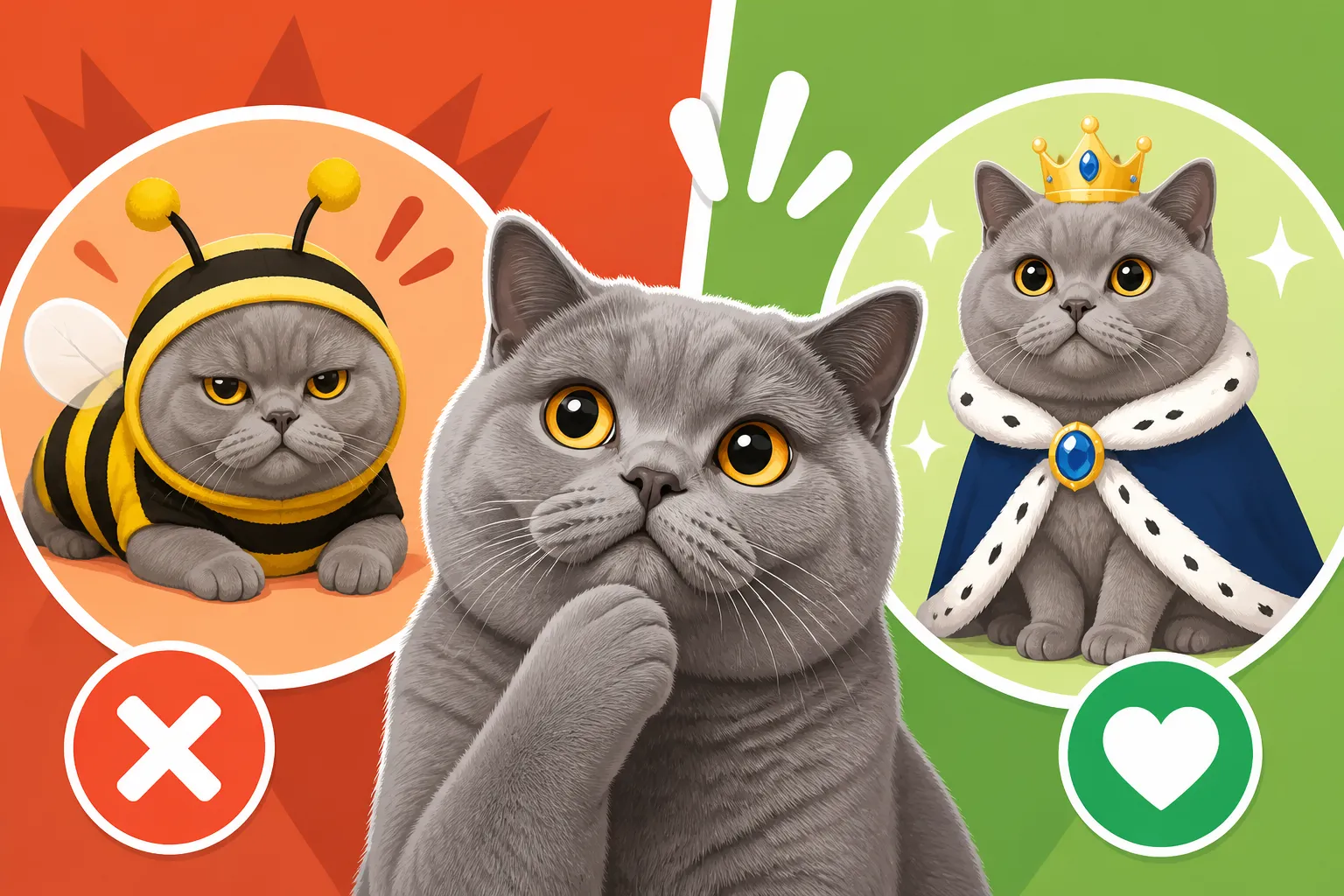
We've all seen those adorable pictures online: cats in tiny hats, full costumes, or even elegant little ties. It’s a natural inclination to want to extend that fun to our own beloved pets, especially our British Shorthairs with their perpetually grumpy-cute faces. However, the reality of whether a British Shorthair genuinely tolerates being dressed up is often a far cry from those Instagram-perfect moments. This guide will delve into their unique personality traits and help you understand why, for most British Shorthairs, a costume is more of a burden than a delight, and how to read their subtle cues.
Understanding the British Shorthair Temperament and Handling Preferences
British Shorthairs are renowned for their calm, placid, and independent nature. They are not typically a breed that thrives on constant physical manipulation or being held in positions they didn't choose. This fundamental aspect of their personality plays a massive role in their reaction to being dressed up.
Their Need for Personal Space and Dignity
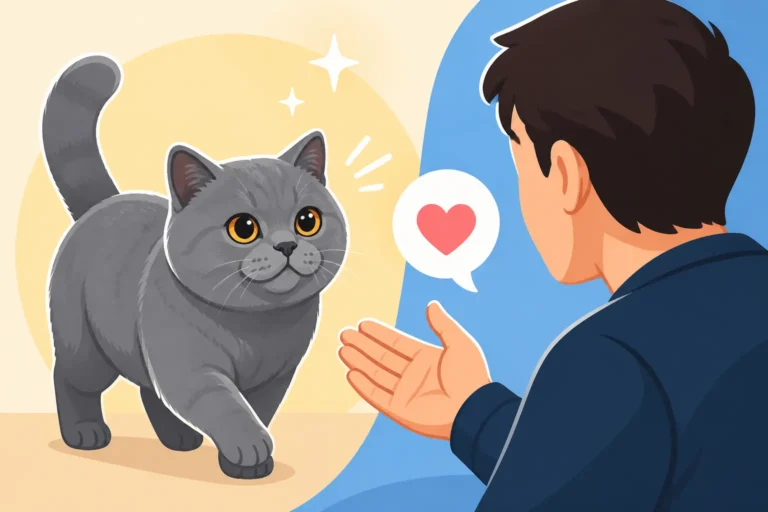
One of the defining characteristics of a British Shorthair is their preference for personal space. They are often described as "foot warmers," content to be near you but rarely on you. They appreciate affection on their own terms, often through gentle strokes rather than prolonged cuddles or being picked up. A British Shorthair Sits Near You, Not On You is a very accurate description of their typical demeanor. Imagine a dignified, slightly reserved aristocrat suddenly being asked to don a clown suit. Their sense of personal autonomy extends deeply into how they interact with their environment and, crucially, how they allow themselves to be handled. Dressing them up involves a significant invasion of that personal space, often requiring restraint or manipulation they naturally resist.
Aversion to Restraint and Unnatural Sensations
Putting clothing on a cat involves a degree of restraint, however brief. For many British Shorthairs, this alone can be a source of stress. They generally dislike being picked up, especially if it feels involuntary or prolonged, so imagine trying to put a costume over their head and paws. Why a British Shorthair Hates Being Picked Up highlights this inherent aversion to forced handling. The fabric itself can also be an unnatural sensation. Their dense, plush coats are designed for comfort and protection, not for restrictive or alien textures. A collar is one thing; a full-body outfit can feel cumbersome, itchy, or even restrictive to movement, impacting their ability to stretch, clean themselves, or navigate their surroundings with their usual grace (however understated it may be).
Spotting the Signs: Is Your British Shorthair Tolerating or Enduring?
It's easy to project human emotions onto our pets, but understanding whether your British Shorthair is merely putting up with something or genuinely stressed requires careful observation of their body language. They are masters of subtle communication, and ignoring these cues can lead to a breakdown in trust and increased anxiety.
Subtle Indicators of Discomfort
British Shorthairs are not usually prone to dramatic outbursts. They are The Quietest Cat in the House and tend to express displeasure through nuanced signals rather than loud meows or aggression (though prolonged stress can certainly lead to that). When dressed up, watch for:
- Flattened ears: Ears pinned back against their head are a classic sign of fear or irritation.
- Dilated pupils: Wide, dark pupils can indicate anxiety or stress, even in a well-lit room.
- Stiff posture or hunched back: They might freeze or hunch, indicating they feel trapped or uncomfortable. Their normally relaxed, rounded posture will be gone.
- Tail tucked or thrashing: A tail tucked tightly between their legs is a sign of fear. A tail that is rapidly thumping or twitching can signal agitation, not playfulness.
- Lip licking or excessive swallowing: These are calming signals cats use when feeling stressed, similar to how humans might fidget.
- Vocalizations: While generally quiet, a low growl, hiss, or even a plaintive meow can be a clear cry for help.
Clearer Signs of Stress and Fear
If the subtle signs are ignored, your British Shorthair might escalate their communication. These are undeniable indicators that they are actively distressed and the costume needs to come off immediately.
- Attempting to escape: They might try to wriggle out of the costume, claw at it, or hide. If they attempt to run away as soon as the costume appears, it's a clear "no."
- Refusal to move: Sometimes, cats will simply freeze, hoping that if they don't move, the unpleasant experience will end. This isn't tolerance; it's learned helplessness.
- Aggression: Hissing, spitting, biting, or scratching are last-resort warnings. If your calm British Shorthair resorts to this, you've pushed them too far.
- Excessive grooming: Licking themselves frantically, especially when the costume is on or immediately after it's removed, is a displacement behavior indicating stress.
- Changes in breathing: Rapid, shallow breathing can be a sign of panic. Signs a British Shorthair Is Breathing Hard typically refers to serious health issues, but acute stress can also cause noticeable changes in respiration.
It's crucial to How to Read a British Shorthair's Face and entire body language, as their responses might be more subdued than other breeds.
Here's a quick reference table for interpreting their reactions:
| Behavior / Sign | Interpretation of Your British Shorthair's Mood |
|---|---|
| Relaxed posture, purring | Rare, but indicates acceptance (briefly) |
| Calm, slow blinking | Generally content, but still wary |
| Ears slightly forward | Engaged, perhaps curious |
| Flattened ears, pupils dilated | Stressed, fearful, agitated |
| Tail tucked or thrashing | Fearful, irritated, anxious |
| Hissing, growling, biting | Actively distressed, needs space |
| Freezing, refusing to move | Trapped, resigned, very uncomfortable |
| Rapid breathing, lip licking | Highly stressed, trying to calm themselves |
| Attempts to escape | Wants out, feels restrained |
Minimizing Stress If Dressing Up Is Absolutely Necessary
Let's be realistic: sometimes, for a very brief photo op, or a special occasion that you genuinely feel won't harm your cat, the temptation to dress them up is strong. If you absolutely feel you must, the golden rule is always to prioritize your British Shorthair's comfort and emotional well-being above all else. This means keeping it extremely brief and being prepared to stop immediately if they show any signs of discomfort.
Choose the Right "Outfit"
Forget elaborate full-body costumes you might find from retailers like Amazon. For a British Shorthair, less is always more.
- Hats or headbands: These are often less restrictive than full body outfits. Look for lightweight, soft materials with elastic bands that aren't too tight. Even then, many cats will try to shake them off.
- Bandanas or bow ties: These are probably the safest bet, as they simply go around the neck and don't restrict movement or touch sensitive areas like the back or belly. Ensure they are loose enough to be comfortable but not so loose they could get snagged.
- Avoid: Anything that restricts their legs, vision, hearing, or ability to move naturally. Steer clear of heavy fabrics, dangling parts they could chew, or anything that covers their whiskers or makes them feel unbalanced. Their dense coat already makes them warm, so adding layers can quickly overheat them.
Introduce it Gradually and With Positive Reinforcement
If you’re determined to try, the key is a slow, positive approach, akin to harness training, though often even more challenging due to the more intrusive nature of clothing.
- Start small: Begin by just showing them the item, letting them sniff it.
- Associate with treats: Offer high-value treats (like Churu or freeze-dried chicken) whenever the item is present.
- Brief contact: Gently place the item near them, then on their back for a second, then immediately remove it and give a treat.
- Short durations: If they tolerate it, try for a few seconds, then remove, treat, and praise. Increase duration only if they remain calm.
- Never force: If they resist, stop immediately. Forcing them will only create negative associations and make future attempts impossible, as well as damaging your bond.
Remember, the goal is to make it a neutral or even slightly positive experience through association. However, for most British Shorthairs, this process will reveal a clear preference for going au naturel.
Alternative Ways to Celebrate Your British Shorthair Without Costumes
The desire to celebrate our pets and show them off is completely understandable. But for a British Shorthair, there are countless ways to do this that align perfectly with their temperament, rather than working against it. These methods focus on their comfort, enrichment, and the unique bond you share.
Focus on Comfort and Enrichment
Instead of clothing, invest in things your British Shorthair will genuinely appreciate.
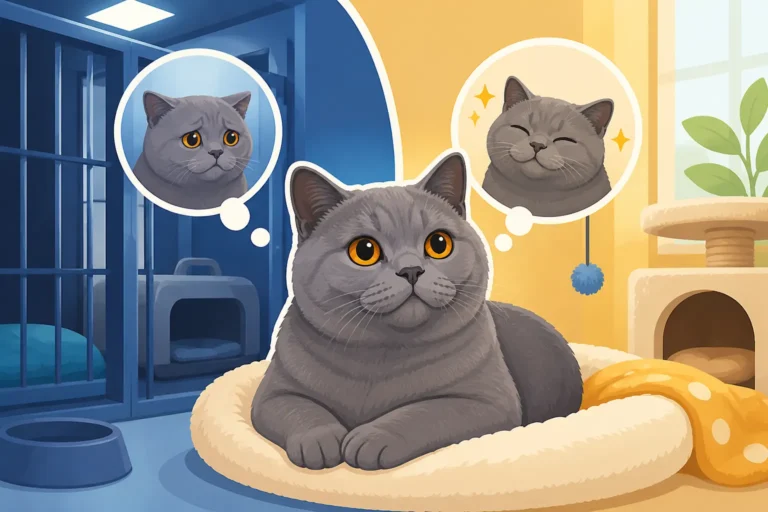
- Luxurious beds: A soft, plush bed that matches their dignified aesthetic. They love comfort!
- Window perches: A cozy spot to observe the world outside, especially important for an indoor-only cat.
- Interactive toys: Even though they are Getting a Low Energy British Shorthair to Move, simple wand toys or puzzle feeders can engage their minds and bodies without being intrusive. Look for durable, engaging options from retailers like Amazon.
- Grooming tools: Regular, gentle combing with a good quality steel comb is often appreciated by British Shorthairs, especially during shedding seasons. How Often a British Shorthair Needs Combing is an important aspect of their care. This physical contact can be a bonding experience, far more so than forcing them into an outfit.
Capture Their Natural Beauty
Your British Shorthair is beautiful just as they are. Celebrate their round face, plush coat, and often serious expression through photography that highlights their natural charm.
- Natural settings: Capture them napping in a sunbeam, perched on their favorite chair, or looking intently out a window. These are authentic moments that truly reflect their personality.
- Focus on expressions: Their expressive eyes and famously "grumpy" mien make for incredible photos without any added embellishment.
- Celebrate their breed characteristics: Their stocky build, dense coat, and copper eyes are all part of their allure. Highlight these features in your photos rather than covering them up.
Ultimately, the best way to show love and appreciation for your British Shorthair is to respect their boundaries and honor their unique personality. They may not be the type to don a tiny cape, but their quiet companionship and charming presence are more than enough to brighten any home.
Disclaimer
This article is for general informational purposes only and does not constitute professional advice. Laws, prices and regulations vary by location and change over time. Consult a qualified professional for guidance on your specific situation.