Whether a British Shorthair Uses a Cat Wheel
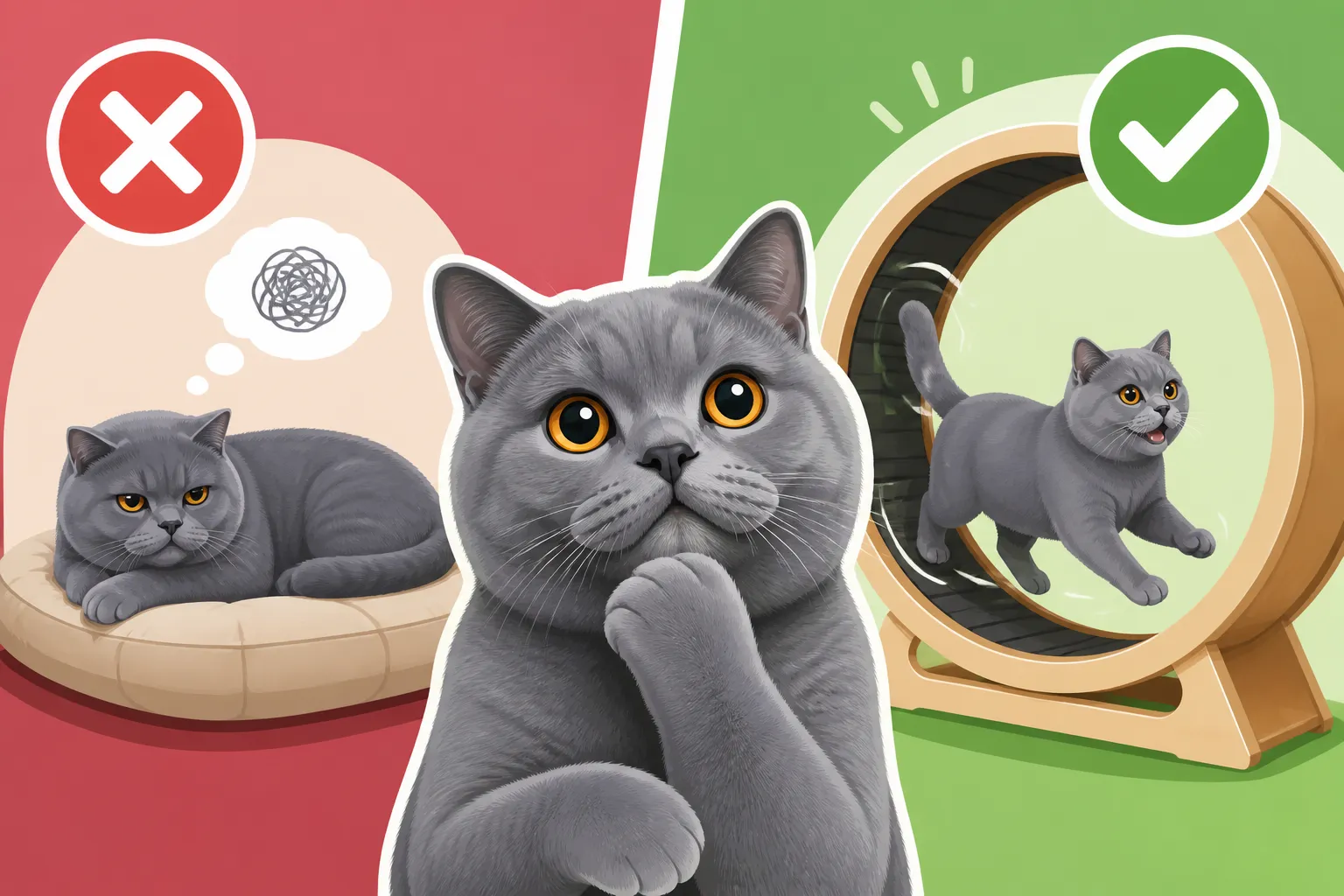
It’s a common scenario: you look at your wonderfully round, placid British Shorthair, curled up in their favorite sunbeam, and then you see an advertisement for a sleek, modern cat wheel. The question inevitably pops into your head: would my chunky, serene companion ever use something like that? Many British Shorthair owners grapple with this exact thought, wondering if this significant investment would gather dust or become a beloved, stimulating exercise tool. This guide aims to help you decide by diving deep into the British Shorthair's nature and the practicalities of cat wheel ownership.
The British Shorthair's Activity Levels and Play Style
Before you even think about a cat wheel, it’s crucial to understand the inherent disposition of your British Shorthair. These cats are renowned for many wonderful qualities, but high-octane athleticism isn't typically at the top of the list. Their laid-back nature is part of their charm, but it also dictates how they interact with their environment and potential exercise equipment.
Unpacking Their Innate Calmness
British Shorthairs are, by and large, quite calm and composed creatures. They carry themselves with a quiet dignity, preferring gentle lounging to frantic dashing. You’ll often find them observing the world from a comfortable vantage point rather than tearing through the house like a feline tornado. This isn't to say they're completely sedentary, but their bursts of energy tend to be short-lived and purposeful, such as a sudden chase after a dropped toy or a quick dash to the food bowl. They are often described as independent, content with their own company, and generally not prone to the kind of frantic energy that might make a cat instinctively leap onto a running wheel. If you're wondering How Active a British Shorthair Is, the answer is usually "not very." This calm demeanor means that, unlike some more hyperactive breeds, a British Shorthair won't typically seek out an intense cardio workout on their own.
Their preference for quietude extends to their interactions. While they are affectionate, it’s often on their terms, preferring to sit near you rather than on your lap for extended periods. This independent streak means they won't feel obliged to perform tricks or use equipment just to please you. They're self-sufficient, and their exercise needs often reflect this lower-key approach to life.
Understanding Their Play Drive and What Motivates It
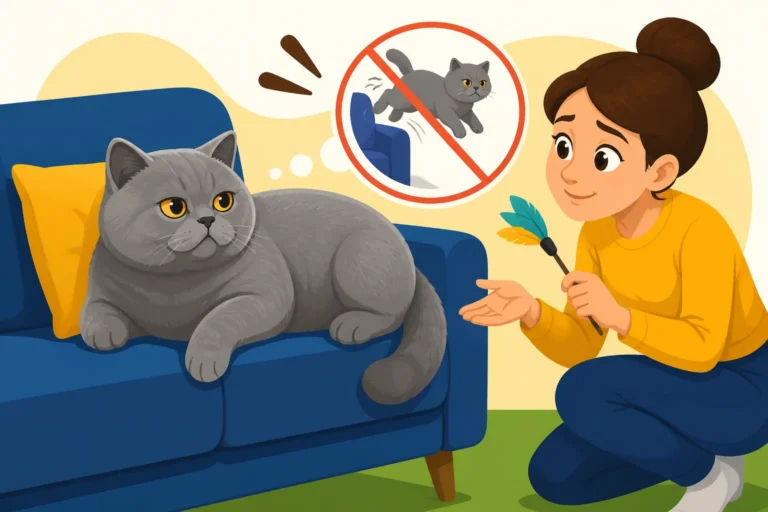
Despite their tranquil nature, British Shorthairs do have a predatory drive – they are still cats, after all! This drive typically manifests in short, intense bursts of play rather than sustained activity. Think of it as a lioness stalking her prey: a period of stillness, followed by an explosive sprint and pounce. Your British Shorthair might suddenly engage with a feather wand, showing impressive agility and focus for a few minutes, before retiring for a nap. This kind of play is often driven by novelty and the thrill of the "hunt."
The key here is interaction. A British Shorthair is far more likely to engage in play when you are involved, making the toy mimic prey. A stationary object, even one designed for motion like a cat wheel, might not immediately spark their interest if it doesn't offer that interactive "hunt" simulation. They respond well to toys that crinkle, move unpredictably, or offer a satisfying 'capture' at the end. Understanding How Much Play a British Shorthair Needs isn't just about duration, but about quality and engagement. A cat wheel, by its nature, provides continuous motion without direct human interaction or the 'kill' sensation, which may not align with their preferred play style.
Introducing a Cat Wheel to Your British Shorthair
So, you understand their temperament, but you're still curious. Perhaps you have a particularly playful British Shorthair, or you're determined to encourage more activity. Introducing a cat wheel requires patience, positive reinforcement, and a bit of creativity. It's not a "set it and forget it" kind of enrichment.
The Importance of Early and Positive Exposure
The best chance you have of your British Shorthair taking to a cat wheel is if they are introduced to it when they are young. Kittens, like all young animals, are naturally more curious, adaptable, and energetic. A British Shorthair kitten might explore a cat wheel out of sheer youthful exuberance, and if those early experiences are positive, they may continue to use it into adulthood.
If you're introducing a cat wheel to an adult British Shorthair, be prepared for a slower process. Force will only lead to fear and aversion. Instead, make the wheel a positive, non-threatening object in their environment. Place it in a high-traffic area where they feel comfortable, but not so central that it becomes a barrier or something they feel forced to interact with. Use treats, praise, and gentle encouragement. You might start by simply placing treats on the wheel, then slightly inside it, then on the tread itself. Once they're comfortable walking on it to get a treat, you can try gently moving it a tiny bit while they're on it. Consider looking for high-quality, stable cat wheels on Amazon that won't wobble or make loud noises, as any instability or scary sound could put them off for good.
Creating an Enticing Environment
The environment where the cat wheel is placed can significantly influence its acceptance. British Shorthairs appreciate routine and a sense of security. A noisy, chaotic location is unlikely to encourage exploration or exercise.
- Location, Location, Location: Choose a quiet spot in your home where your British Shorthair already feels safe and spends time. A sunny corner or near a window might be ideal. Avoid placing it in a dark, unused room.
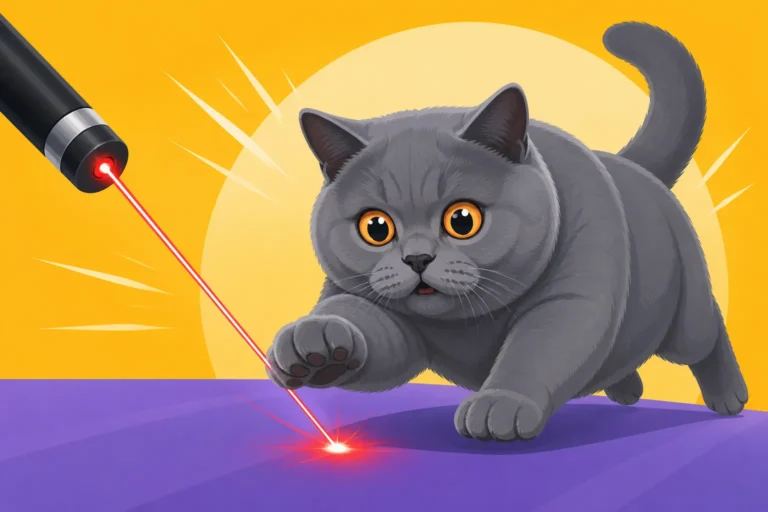
- Motivation is Key: Food and treats are powerful motivators for a British Shorthair, a breed known for its love of eating. You can use their favorite treats to lure them onto and around the wheel. Many owners have found success by standing at one end of the wheel with a treat, encouraging their cat to walk towards them. Gradually increase the distance, perhaps using a feather wand or laser pointer to guide them if they respond well to those. Remember, don't shine a laser into their eyes, and always end a laser play session with a physical toy they can "catch" to prevent frustration.
- Routine and Consistency: Cats are creatures of habit. Try to introduce "wheel time" into their daily routine, even if it's just for a few minutes. Consistent positive reinforcement can slowly build an association of the wheel with good things. However, accept that some British Shorthairs will simply never take to it, and that's perfectly okay. It's about finding what works for your individual cat.
Weighing the Pros and Cons of Cat Wheels
Investing in a cat wheel for your British Shorthair isn't a decision to take lightly. They are often a considerable expense and require dedicated space. It’s important to consider both the potential benefits and the realistic challenges.
The Undeniable Health Benefits
For a breed like the British Shorthair, which is wonderfully solid and prone to gaining a little too much weight, a cat wheel could be a fantastic tool for preventative health. British Shorthairs are particularly susceptible to Why a British Shorthair Gains Weight So Easily, and once the pounds pile on, it can lead to a host of problems including diabetes, heart issues, and significant strain on their joints. What Obesity Does to a British Shorthair's Joints can be particularly painful, limiting their already moderate mobility.
If your British Shorthair does take to a cat wheel, the regular exercise can help maintain a healthy weight, build muscle tone, and improve cardiovascular health. It offers a low-impact way for them to burn off calories in a controlled environment, which is especially valuable for indoor-only cats who might not get much spontaneous exercise. Even short, consistent sessions can make a difference in their overall well-being and potentially extend their lifespan. For cats that genuinely enjoy it, it's also a great form of mental stimulation, preventing boredom and potential behavioral issues.
Realistic Expectations and the Financial Investment
Now for the reality check. Cat wheels are not inexpensive. They represent a significant financial commitment, easily costing several hundred dollars, sometimes more, depending on the brand, size, and features. You can find various options on Amazon, but even budget-friendly models require a decent outlay. Before you click "add to cart," you need to ask yourself if you're prepared for the possibility that your British Shorthair simply won't use it. Many owners have invested in cat wheels with the best intentions, only to find their feline friends use them as an expensive napping spot or, worse, completely ignore them.
It's also crucial to remember that a cat wheel is an addition to their environment, not a substitute for human interaction. Your British Shorthair still needs your attention, interactive playtime, and affection. If the wheel remains largely untouched, it can feel like wasted money and space. The biggest drawback is the uncertainty of adoption. Unlike a new toy that might cost a few dollars, a cat wheel's cost makes the gamble feel much higher. Consider your cat's existing play habits: do they show bursts of intense energy? Are they motivated by moving objects? Do they respond well to training? These factors might offer clues, but ultimately, a British Shorthair's individual personality will be the deciding factor.
Here's a quick overview of what to consider:
| Feature | British Shorthair Tendency | Cat Wheel Suitability |
|---|---|---|
| Activity Level | Generally low to moderate; prefers lounging. | Requires active engagement; often a hard sell. |
| Play Style | Short bursts of hunting/pouncing; highly interactive. | Sustained, non-interactive cardio. |
| Motivation | Food, comfortable spots, gentle interaction. | Needs significant positive reinforcement. |
| Adaptability | Generally prefers routine; less keen on sudden changes. | Best introduced young with patience. |
| Body Type | Stocky, prone to obesity; needs exercise. | Excellent for weight management if used. |
| Cost/Space | High investment, large footprint. | High risk of non-use given temperament. |
Alternative Ways to Encourage Movement
If the idea of a cat wheel seems too uncertain, or if you've already tried and failed, don't despair! There are many other effective ways to keep your British Shorthair active and engaged, many of which align more closely with their natural instincts and personality.
Engaging in Interactive Play
This is arguably the most effective way to encourage exercise in a British Shorthair. Because they respond so well to the "hunt," interactive play with you can provide both physical exertion and mental stimulation.
- Wand Toys and Feather Teasers: These are often a huge hit. The erratic movements of a feather or ribbon on a wand can mimic prey, triggering their chase and pounce instincts. Make the toy dart, hide, and re-emerge, simulating the thrill of the hunt. Play sessions don't need to be long – often 10-15 minutes, once or twice a day, can be perfectly sufficient. Focus on short, intense bursts of play followed by a successful "capture" of the toy, allowing them to feel satisfied. For great quality and variety, you can find a wide range of Which Toys a British Shorthair Will Actually Chase on Amazon.
- Laser Pointers (with caution): While fun, laser pointers should always be used with a tangible toy at the end. The frustration of never "catching" the dot can be detrimental. Guide the laser to a physical toy, let them pounce on it, and then give them praise and perhaps a treat. This fulfills their predatory sequence.
- Rolling Toys and Balls: Some British Shorthairs enjoy batting around small balls or crinkle toys, especially if they have catnip or a bell inside. The key is finding what sparks their individual interest.
Smart Environmental Enrichment
Beyond direct play, you can strategically modify their environment to encourage more movement and engagement throughout the day.
- Puzzle Feeders: Instead of simply putting food in a bowl, use puzzle feeders. These require your British Shorthair to work for their meals, engaging their minds and bodies. They might have to bat pieces out, manipulate levers, or roll a ball to release kibble. This slows down eating, prevents boredom, and provides gentle exercise. There are many different types available, from simple treat dispensers to more complex feeders, readily found on Amazon. Using a puzzle feeder can be a great way to motivate a British Shorthair, and it can even help if you're curious Whether a Puzzle Feeder Motivates a British Shorthair.
- Vertical Space: While British Shorthairs aren't typically avid climbers, providing sturdy, accessible vertical spaces can encourage gentle stretching and exploration. Look for cat trees with broad platforms and ramps if your cat is heavier or older, allowing them to ascend and descend comfortably. Even a plush window perch can encourage them to jump up and observe the world.
- Rotation of Toys: Keep their interest piqued by rotating their toys. Don't leave all toys out all the time. Bring out a few different ones each day, making them feel "new" and exciting.
Leash Training and Supervised Outdoor Access
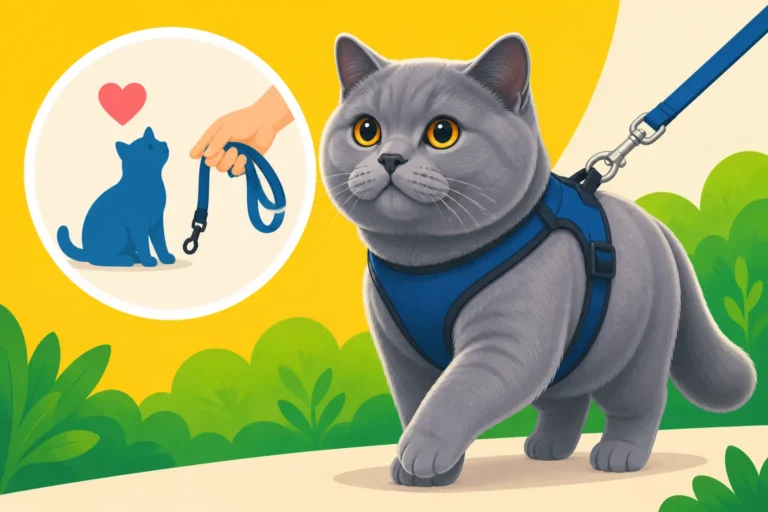
While less common for British Shorthairs than some other breeds, some owners successfully leash train their cats for supervised outdoor adventures. This can provide fresh air, new smells, and a different kind of stimulation. It’s a slow process that requires immense patience and a secure, comfortable harness. Not every British Shorthair will take to it, but for those that do, it can be a wonderful enrichment activity. For more details on this, you might explore How to Leash Train a British Shorthair. Always ensure their safety and comfort, and never force them if they show signs of distress.
Ultimately, whether a British Shorthair uses a cat wheel comes down to the individual cat's personality, their early experiences, and your patience and persistence. While some might embrace it, many will prefer their traditional interactive play or simply a good, long nap in a sunbeam. Focus on what brings your unique British Shorthair joy and keeps them healthy and engaged.
Disclaimer
This article is for general informational purposes only and does not constitute professional advice. Laws, prices and regulations vary by location and change over time. Consult a qualified professional for guidance on your specific situation.