Why a British Shorthair Dislikes Its Belly Touched
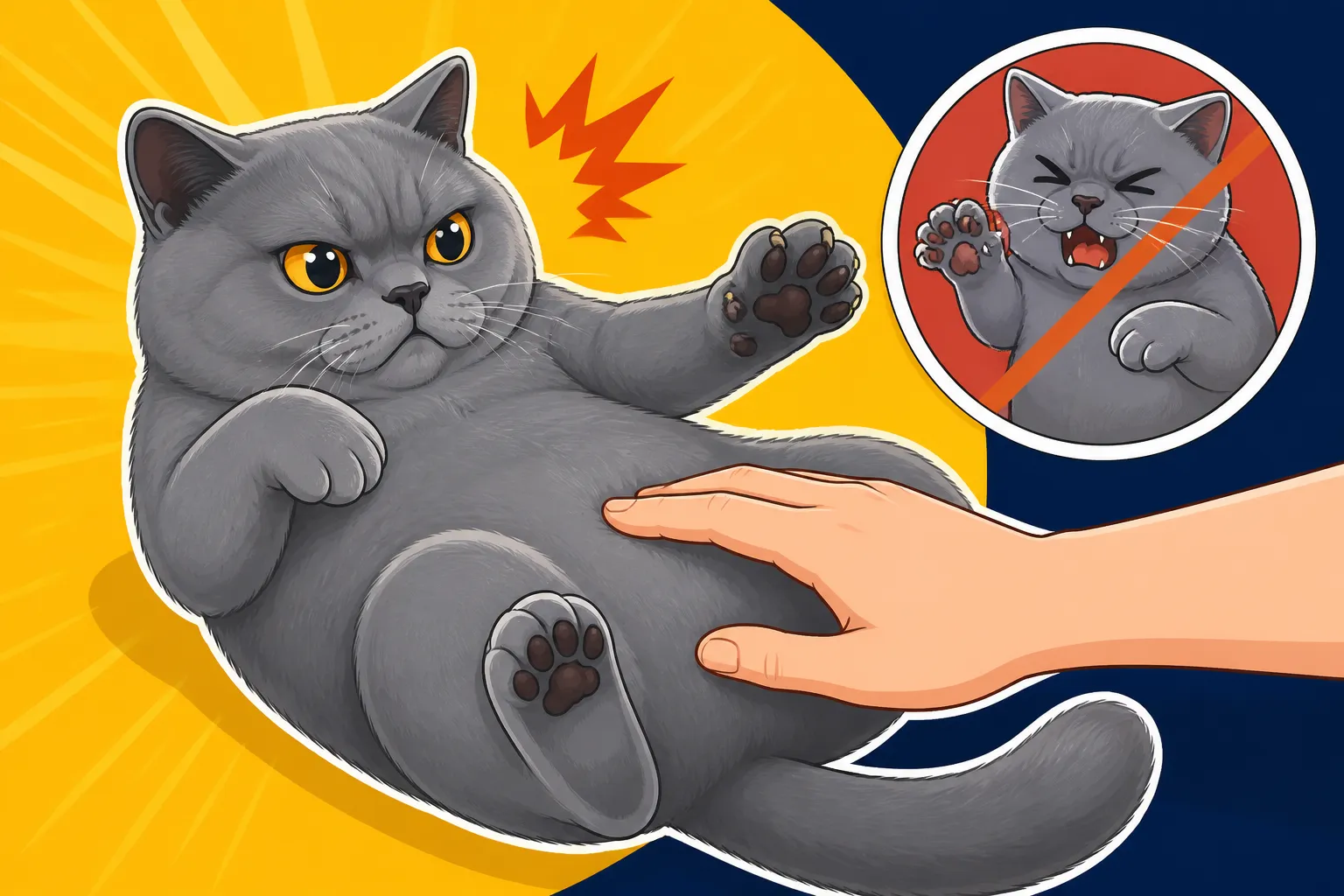
It’s a common scenario: you see your beautiful British Shorthair sprawled out, belly up, looking utterly relaxed and adorable. Your heart swells, and instinct takes over – you reach out to bury your fingers in that plush, irresistible fluff, only to be met with a swift kick, a sharp nip, or a rapid retreat. This guide will delve into the nuanced reasons why your beloved British Shorthair often dislikes having its belly touched, and how you can build a more respectful and affectionate relationship based on understanding their unique feline communication.
The Instinctual Roots of British Shorthair Belly Sensitivity
Let's be real, it feels like a personal rejection when your sweet, round-faced companion seems to recoil from your loving touch. But for felines, the belly isn't just a fluffy zone; it's ground zero for vulnerability, a deeply primal area that even the most domesticated British Shorthair will instinctively protect. Understanding this deep-seated instinct is the first step to truly appreciating your cat's reactions.
The Exposed Underbelly: A Predator's Weak Spot
Imagine yourself in the wild, whether you're a tiny mouse or a formidable lion. Where are your most vital, unprotected organs? Right there, in your soft underbelly. For cats, revealing the belly, even in a relaxed state, means exposing their most fragile parts: intestines, major blood vessels, and all the bits that keep them running. They don't have a thick rib cage fully encasing everything, like we do. This isn't just about pain; it's about survival. Every fiber of their being, honed over millennia of evolution as both predator and potential prey, tells them to guard this area fiercely.
When your British Shorthair rolls over, it’s often a profound display of trust – they feel safe enough in your presence to expose this vulnerable area. However, it's rarely an invitation to touch it. It's more akin to saying, "I trust you not to exploit my vulnerability," rather than "Please exploit my vulnerability with a belly rub." If you violate that trust, even inadvertently, by plunging your hand into their softest spot, it can trigger their defense mechanisms. They might lash out with claws and teeth, not out of malice, but pure, instinctual self-preservation. It's a quick "don't even think about it" message delivered with surprising force.
Sensory Overload and Touch Receptors
Beyond the primal survival instinct, consider the sheer density of nerve endings in a cat's belly fur. That luxuriously thick, crisp coat that makes them so appealing also conceals an incredibly sensitive landscape. While we might enjoy a good, vigorous back scratch, a cat's experience of touch can be vastly different. A gentle stroke on the head or back might feel pleasant, but the same pressure, or even lighter, on their belly can be overstimulating, uncomfortable, or even irritating.
Think of it like this: you might enjoy a light tickle on your arm, but if someone tickles your armpit relentlessly, it quickly goes from amusing to annoying, right? For a British Shorthair, a belly rub can rapidly turn into that armpit tickle. The delicate hair follicles and numerous sensory nerves in that region mean that even what you perceive as a soft pet can feel intense or overwhelming. This sensory overload, combined with their instinctual need for protection, forms a powerful deterrent against unsolicited belly touching. It’s a double-whammy: a place that feels vulnerable and intensely sensitive.
More Than Just Vulnerability: The British Shorthair's Unique Touch Preferences
While all cats generally guard their bellies, British Shorthairs often exhibit a particular stoicism and preference for personal space that amplifies this aversion. Their calm, dignified nature means they have very specific ideas about when and how they want to be touched.
The Reserved Temperament and Personal Space
British Shorthairs are renowned for their calm, unflappable demeanor. They're often described as the "teddy bears" of the cat world, but don't let their cuddly appearance fool you – they are typically not "lap cats" in the traditional sense, at least not constantly. They love being near you, certainly, often choosing to lounge on the sofa beside you or at your feet, but they're less likely to be perched directly on your lap for extended periods. This preference for proximity over direct physical contact extends to how they receive affection.
They value their independence and personal space highly. A British Shorthair will often initiate contact when they want it, rubbing against your legs or head-butting your hand for attention. This is a cat that appreciates an invitation, not an assumption. Reaching directly for their belly without a clear, unambiguous signal from them is a violation of this unspoken agreement. It's like walking into someone's house and immediately putting your feet on their coffee table – even if you mean well, it's generally not appreciated. Their reserved nature means they're less forgiving of such breaches of etiquette compared to, say, a more boisterous or overtly affectionate breed. If you're wondering How Affectionate a British Shorthair Is, it's important to remember their affection comes with boundaries.
How Their Dense Coat Impacts Touch Perception
The British Shorthair's glorious, dense, plush coat is one of its most defining features. It's like a luxurious, thick carpet that stands away from their body, giving them that wonderful round appearance. While this coat is delightful to look at and run your fingers over gently along their back or sides, it can also contribute to their aversion to belly rubs.
The very density and texture of the coat mean that your fingers aren't just brushing against hair; they're moving through a significant amount of fur before even reaching the skin. This can feel disorienting or even uncomfortable to the cat, especially in a sensitive area. A gentle pat or stroke on their back glides over the top layer, but a belly rub often involves pushing against the grain, compressing the fur, and reaching deeper. This can snag, pull, or simply feel too rough for their delicate belly skin and dense undercoat. You might think you're being soft, but the mechanical action of a belly rub can be much more intense for them than it is for you.
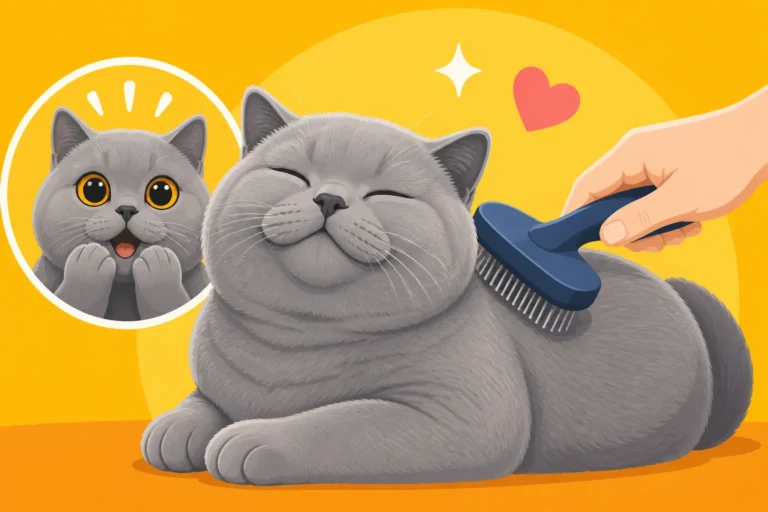
Consider the grooming process; while many British Shorthairs tolerate a good comb through their back, you'll likely find them far less patient if you try to comb their belly. This again highlights the difference in sensation and sensitivity in that area. Understanding How a British Shorthair Takes to Brushing can give you insight into their general touch tolerance.
Decoding Your British Shorthair's Signals: When a Belly Flash Isn't an Invitation
It's one of the most common misunderstandings in the cat-human dynamic: the exposed belly. Many assume it's an open invitation for a tummy rub, when in reality, it's a complex signal that requires careful interpretation. For your British Shorthair, this display is less about "pet me here!" and more about "I trust you, but don't push it."
The "Trust Roll" Versus the "Rub Me" Invitation
When your British Shorthair flops onto their back, exposing that fluffy expanse, it's usually a high compliment. It signifies that they feel secure and safe in their environment and with you. They're comfortable enough to show you their most vulnerable side. This is what we call a "trust roll." It’s an act of profound vulnerability. They are essentially saying, "I feel so relaxed and secure that I'm willing to show you my soft underbelly, even though it goes against all my instincts for self-preservation."
However, this is precisely where the misunderstanding happens. Many owners see this trust and interpret it as an invitation for hands-on interaction. Think of it this way: a friend might tell you a very personal secret, showing deep trust. That doesn't mean you can then go around telling everyone else. Similarly, an exposed belly is a sign of trust, but it's not a green light for physical engagement with that specific area. Often, if you try to pet the belly, their trust is immediately broken, leading to a defensive reaction. They are, in essence, withdrawing the invitation you never truly had. How a British Shorthair Shows Affection is often through less direct means.
Subtle Cues That Warn You Off
Cats, especially the more stoic British Shorthair, are masters of subtle communication. They don't typically yell or make grand gestures until they're truly fed up. Before that swift kick or nip, your British Shorthair will likely give you a whole range of cues that say "back off" or "I'm not comfortable." It's our job to learn to read these signals before things escalate.
Look for:
- Tail flicks: A slow, gentle swish might indicate contentment, but a rapid, thumping tail usually means agitation or irritation.
- Ear position: Ears that flatten against their head, or turn sideways, are clear signs of discomfort or aggression.
- Tensed body: While they might be lying down, look for tension in their muscles, a stiffening of the body, or a readiness to spring.
- Wide eyes/dilated pupils: This can indicate fear, arousal, or heightened alert.
- Growl or hiss: These are obvious verbal warnings, and you've likely missed earlier, more subtle cues if you've reached this point.
- Skin rippling: A ripple of skin on their back can be a sign of nervous energy or irritation.
- Stopping the purr: If they were purring and suddenly stop as your hand approaches, it's a signal.
It's vital to observe their entire body language, not just the alluring belly. If you see any of these signs, immediately withdraw your hand and respect their boundaries. Pushing past these warnings can damage your bond and teach your British Shorthair that your touch is something to be feared or avoided. Understanding How to Read a British Shorthair's Face can also provide valuable clues.
Here's a quick guide to understanding what your British Shorthair might be telling you with their body language:
| Signal | Area to Observe | Interpretation | Action |
|---|---|---|---|
| Slow Blinking | Eyes | Contentment, trust, relaxation ("I love you") | Return a slow blink, maintain calm, gentle interaction. |
| Head Bunting/Cheek Rubs | Head, Face | Affection, marking you as theirs ("You're my person") | Return affection gently, pet their cheeks or behind ears. |
| Tail Up and Curled at Tip | Tail | Happy, confident, friendly | Approach gently, engage in familiar ways. |
| Kneading ("Making Biscuits") | Paws | Comfort, contentment, security (often linked to nursing) | Enjoy the moment, provide soft surfaces, continue gentle petting elsewhere. |
| Belly Exposed (Relaxed) | Entire Body | Trust, feeling secure ("I feel safe with you") | Appreciate the trust, but avoid touching the belly directly. Pet head/neck instead. |
| Tail Lashing/Thumping | Tail | Annoyance, irritation, overstimulation | Stop petting immediately, give space. |
| Ears Flattened/Sideways | Ears | Fear, anxiety, aggression | Disengage, speak softly, reduce stressors. |
| Pupil Dilation | Eyes | Excitement, fear, aggression (context-dependent) | Assess other cues. If fearful/aggressive, give space. If playful, offer appropriate toy. |
| Skin Rippling/Twitching | Back, Flanks | Sensory overload, irritation, preparing to react | Stop interaction, observe. |
| Hissing/Growling | Mouth, Throat | Warning, extreme discomfort, fear, aggression | Immediately back away, do not provoke further. |
| Swatting with Paws (claws sheathed) | Paws | Mild warning, "I'm not interested," playful annoyance | Stop interaction, try a different activity (e.g., Which Wand Toy a British Shorthair Will Chase). |
| Swatting with Paws (claws out) | Paws | Serious warning, "I mean it!" | Immediately stop, give ample space, re-evaluate interaction methods. |
Building Trust and Showing Affection on Their Terms
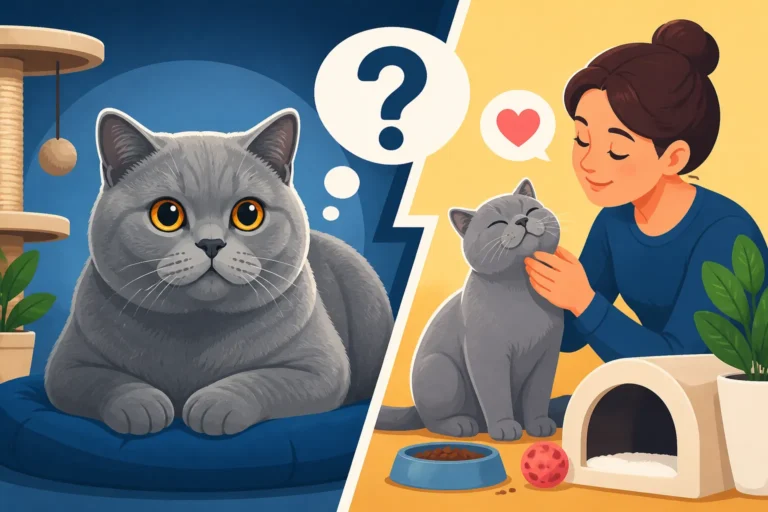
So, if the belly is off-limits, how do you show your British Shorthair how much you adore them? It's all about learning their language, respecting their boundaries, and finding alternative ways to connect that they actually enjoy. Your bond will deepen when they realize you understand and honor their preferences.
The Art of the Consensual Pet
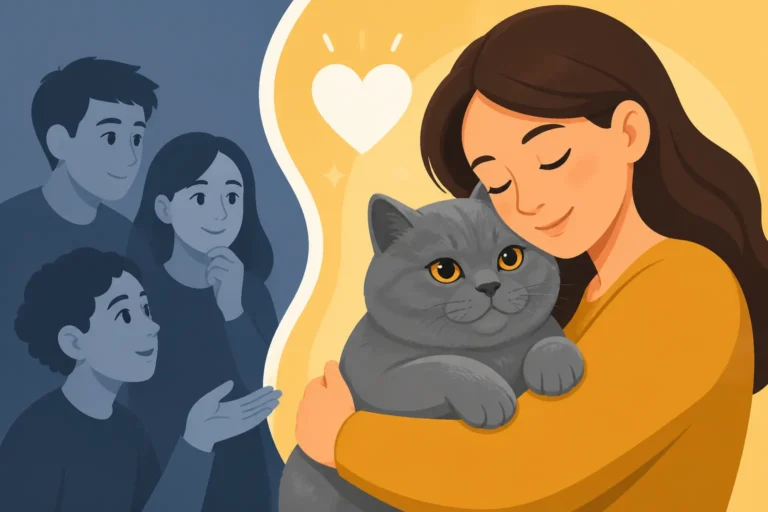
The key to affectionate interaction with a British Shorthair is "consent." Wait for them to solicit attention from you. They might rub against your leg, head-butt your hand, or jump up next to you with a soft purr. When they do, offer gentle strokes in areas they typically enjoy.
Preferred Petting Zones:
- Cheeks and Chin: Many British Shorthairs absolutely melt when you scratch their cheeks, especially near the whiskers, or under their chin. This stimulates scent glands, making it a very positive experience.
- Base of the Tail: A gentle scratch or rub at the very base of their tail can also be a hit. Again, this is an area rich in scent glands and often feels good.
- Behind the Ears: Just like many other cat breeds, a soft rub behind the ears is often well-received.
- Top of the Head: A gentle stroke from their forehead down their spine can be comforting and pleasant.
Always approach slowly and offer a finger for them to sniff first. If they rub against it, lean into your hand, or head-butt you, that's your invitation. Start with a few gentle strokes in a known "safe" area, then pause. See if they lean into your hand for more. If they pull away or show any of those subtle "stop" signals, respect it immediately. Short, positive interactions are far more valuable than prolonged, uncomfortable ones. You want every touch to be a pleasant experience for them. This will build trust over time, reinforcing that your hands are a source of comfort, not confrontation.
Redirecting Affection and Enrichment
If your British Shorthair isn't big on physical contact, or only on their own terms, that's perfectly fine! There are countless ways to show affection and enrich their lives that don't involve petting. These interactions strengthen your bond just as much, if not more, because they demonstrate your care and understanding.
- Playtime: British Shorthairs, despite their calm nature, still need play. While they might not be chasing laser pointers across the room, they often enjoy a good session with a feather wand or a toy mouse. Engaging them in play, even for short bursts, is a wonderful way to connect. Look for durable, enticing toys on Amazon that can withstand their sturdy build. Regular play sessions also help keep them active and prevent obesity, a common issue for this breed. How to Get a British Shorthair to Play Daily is crucial for their well-being.
- Puzzle Feeders: These can be a fantastic way to engage their minds and satisfy their natural hunting instincts without direct physical contact. Filling a puzzle feeder with a few kibbles means they have to "work" for their food, providing mental stimulation. You can find many varieties of puzzle feeders on Amazon.
- Comfortable Spaces: Provide them with soft, cozy beds, cat trees (even low ones, as How Much a British Shorthair Climbs is generally not very high), and warm spots where they can relax and feel secure. A comfortable British Shorthair who feels safe is more likely to show affection on their own terms.
- Grooming: While they are meticulous self-groomers, a gentle session with a soft brush or comb can be a bonding experience, especially during shedding season. Focus on areas they can't easily reach themselves, like the top of their back. A good metal comb, easily found on Amazon, works wonders on their dense coat. Just remember to gauge their comfort level and stop if they show signs of displeasure.
- Simply Being Present: Sometimes, the most powerful way to show love to a British Shorthair is simply to be in the same room, offering a calm, steady presence. They appreciate quiet companionship. They will often choose to sit near you, not necessarily on you, demonstrating their contentment. This is part of What a British Shorthair's Temperament Is Really Like. Respecting their space means they trust you to respect them, fostering a deeper, more genuine connection.
Disclaimer
This article is for general informational purposes only and does not constitute professional advice. Laws, prices and regulations vary by location and change over time. Consult a qualified professional for guidance on your specific situation.