Whether a British Shorthair Bonds to One Person
It's a common worry among British Shorthair parents: will my fluffy companion bestow all their love and attention upon just one lucky human, leaving the rest of us feeling a bit left out? Many people find themselves wondering if these wonderfully calm, teddy-bear-like cats are capable of spreading their affection widely or if they're destined to become a "one-person cat." This guide aims to unravel the truth behind British Shorthair bonding, exploring their unique personalities and offering insights into how these delightful felines connect with their human families.
Understanding the British Shorthair's Affectionate Nature
British Shorthairs are known for their calm, dignified demeanor, which often leads people to misinterpret their displays of affection. They aren't typically the in-your-face, constantly-demanding-attention type of cat, which can sometimes make owners wonder if they truly feel a deep bond. The reality is, their affection runs deep, but it’s often expressed in subtle, understated ways that are easily missed if you’re expecting a more demonstrative feline.
Their Quiet, Observant Demeanor
Unlike some more boisterous breeds, a British Shorthair rarely engages in frantic purring circuits around your legs or insists on being carried everywhere you go. Instead, they are masters of quiet observation. You’ll often find them curled up in a nearby chair, perhaps a few feet away, simply watching you go about your day. They are deeply content to be in the same room, soaking up your presence without needing constant physical contact. This isn't aloofness; it's their way of being close and feeling secure. They appreciate a calm environment and a predictable routine, finding comfort in the steady rhythm of their human family. This quiet presence can be incredibly reassuring once you learn to recognize it as a profound form of connection.
It’s easy to misunderstand this behavior. When you see a cat seemingly content on their own, perhaps sleeping soundly in a sunbeam or grooming meticulously, you might think they don't need you as much as other cats. But for a British Shorthair, this self-contained contentment is a testament to feeling safe and loved in their home. Their independence doesn’t mean they don’t value your company; it simply means they express that value through peaceful companionship rather than persistent demands. They cherish being near you, enjoying the warmth and safety you provide, even if they aren't draped across your lap every moment. It's a subtle dance of presence and contentment.
How British Shorthairs Show Love
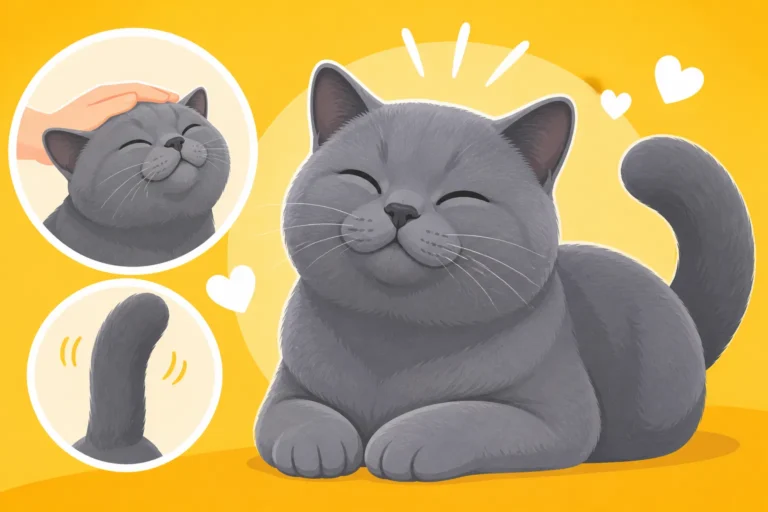
Once you learn their language, you'll see that British Shorthairs are incredibly affectionate in their own unique way. They might not be lap cats in the traditional sense, preferring to A British Shorthair Sits Near You, Not On You rather than directly on your lap. However, a gentle head-bonk against your leg when you pass, a slow blink from across the room, or a soft trill as you enter a room are all profound declarations of love. They also tend to follow their favorite people from room to room, settling close by but not necessarily touching. These cats are champions of subtle cues, and once you become attuned to them, you'll realize just how much affection they truly offer.
Their purrs, when they come, are often deep and rumbling, a clear sign of profound happiness and trust. You might get a purr when they wake up next to you, when you offer a favorite treat, or during a particularly satisfying ear scratch. Some British Shorthairs will even give you a soft "mew" or a little chirrup to greet you, which is truly heartwarming. Don't be surprised if they also enjoy a good, long stroke along their backs or under their chins – just be mindful of their boundaries. They might tolerate a short cuddle, especially if they initiated it, but generally, they prefer affection on their terms. Understanding How a British Shorthair Shows Affection is key to appreciating their bond with you.
The Myth of the Aloof British Shorthair
There’s a persistent myth that British Shorthairs are inherently aloof or detached, largely because they don’t fit the stereotype of the clingy, attention-seeking cat. But this couldn't be further from the truth. While they possess a certain independence and dignity, they absolutely form deep, meaningful bonds with their human companions. Their calm demeanor should not be confused with a lack of feeling. In fact, their steadfast presence and quiet loyalty can be even more profound than the boisterous affection of other breeds.
The perceived "aloofness" often stems from their preference for personal space and their reserved nature with strangers. A British Shorthair isn't likely to rush to the door to greet every guest, nor will they necessarily jump onto a stranger's lap. This reserve is simply a protective mechanism, and once they feel secure and trust someone, they will gradually reveal their gentle, loving side. Patience is paramount when getting to know a British Shorthair; they take their time to assess and build trust, but once earned, their devotion is unwavering. They are true companions, offering quiet comfort and a steady, loving presence in your home.
Factors Influencing a British Shorthair's Bonding Preferences
It’s true that some British Shorthairs do seem to gravitate more strongly towards one person in the household. This isn't necessarily a slight against other family members but rather a reflection of several factors that shape their unique bonding experiences. These cats are sentient beings with their own preferences, and their "favorite" person often emerges through a combination of consistent care, interaction, and early life experiences.
The Power of Primary Caregivers
Often, the person who takes on the primary caregiver role tends to become the British Shorthair's most cherished human. This means the individual who consistently feeds them, cleans their litter box, and initiates playtime or grooming sessions. Cats, like many animals, associate these essential life-sustaining activities with safety, comfort, and positive experiences. If you're the one regularly topping up their food bowl, especially with something delicious they can find on Amazon, or giving them fresh water, you're building a foundation of trust and dependence that naturally strengthens the bond.
It's not just about the basics, though. The primary caregiver is often the one who provides comfort during stressful times, like a trip to the vet, or simply offers a calming presence when the cat is feeling a bit under the weather. This consistent, nurturing care creates a sense of security and reliability that a British Shorthair truly values. They learn to associate that person with all things good and safe, leading to a profound connection. So, if you're aiming to be the "chosen one," consistent, gentle care goes a very long way.
Consistent Interaction and Routine
British Shorthairs thrive on routine and predictability. The person who consistently engages with them on their terms, respecting their need for personal space while still offering regular, gentle interaction, often wins their heart. This could mean a few minutes of quiet petting each morning, a specific playtime session with a favorite wand toy every evening, or simply chatting to them as you move around the house. These consistent, positive interactions build a strong foundation of trust and affection.
For example, if one family member always sits in the same spot on the sofa and the British Shorthair regularly chooses to nap near them, that consistent, shared quiet time creates a bond. It’s about being present, reliable, and understanding their subtle invitations for interaction. If you consistently respect their boundaries and offer comfort, they will learn to seek you out for those moments of connection. This consistent presence is far more important than sporadic, intense bursts of attention.
Early Socialization Experiences
A British Shorthair's early life experiences play a significant role in how they form bonds later on. Kittens that are handled gently and exposed to various people, sights, and sounds from a young age tend to be more adaptable and open to bonding with multiple individuals. Conversely, a kitten that has limited human interaction or negative experiences early on might be more reserved and selective in their attachments.
Reputable breeders often ensure their kittens are well-socialized, exposing them to different family members and everyday household noises before they go to their new homes. This early foundation can make a huge difference. When a British Shorthair kitten first comes home, the person who spends the most time with them during this crucial adjustment period – offering reassurance, playtime, and establishing routines – often becomes the anchor of their emotional world. This isn't to say bonds can't form later, but those initial weeks are incredibly formative.
The Reality of Selective Bonding: Is it Just One Person?
It's a question many cat owners ponder: does my British Shorthair bond only to one person, or do they share their love more broadly? While it's common for them to have a clear favorite, the good news is that they are generally capable of forming affectionate relationships with other members of the household too, albeit sometimes to a different degree.
Identifying the "Chosen One"
You'll know who the "chosen one" is in your household when you observe consistent patterns of behavior. This person might be the one your British Shorthair always greets at the door, even if it's just a soft trill and a slow approach. They might be the one the cat consistently seeks out for a nap on the sofa, even if they just settle a foot or two away. The chosen one is often the recipient of more head-nuzzles, leg-rubs, and those deep, rumbling purrs. They might even tolerate being picked up (briefly!) by this person, which for a British Shorthair, is a huge sign of trust. It's often subtle, but unmistakable once you know what to look for.
The British Shorthair might follow this person more diligently from room to room, or prefer to sleep closer to them at night. They might even become slightly anxious if their favorite person leaves the room or the house. While they are often described as independent, these subtle signs indicate a deeper level of comfort and security associated with that specific individual. Observing these nuances will give you a clear picture of who holds the top spot in your cat's heart.
Why They Might Pick a Favorite
So, why do they pick a favorite? It often comes down to a combination of factors we've already touched upon: consistent positive reinforcement, a calm and predictable presence, and respecting their boundaries. If one person is naturally more attuned to a cat's subtle body language, knows exactly where and how they like to be petted, or is always the one providing the tastiest treats, that person will likely stand out. It's not about playing favorites; it's about forming the strongest, most reliable connection.
Sometimes, it's simply a matter of personality alignment. A British Shorthair might gravitate towards the calmest, quietest person in the house, as this mirrors their own serene disposition. They might also respond positively to someone who engages them in play with specific toys they enjoy, like a feather wand from Amazon, creating a strong positive association. It’s not a reflection of anyone else's worth, but rather the cat's individual preference for a particular type of interaction and energy.
Beyond the Primary Bond: Affection for Others
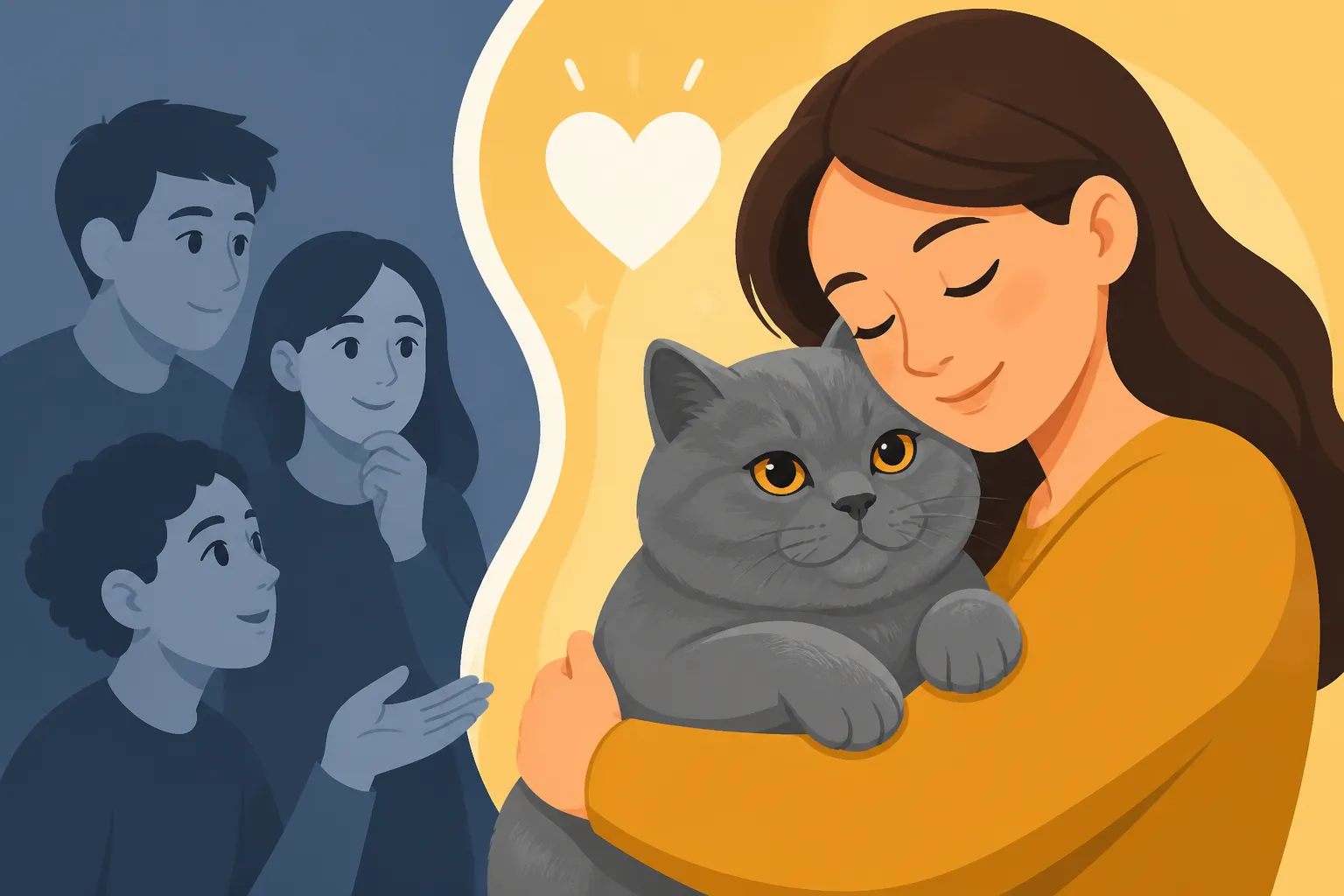
Even if your British Shorthair has a clear favorite, it doesn't mean they don't care about the rest of the family. They are quite capable of forming affectionate, albeit perhaps less intense, bonds with other household members. They might offer head-nuzzles to everyone, or enjoy a good scratch from different people. The difference is often in the frequency or intensity of these interactions. While they might actively seek out their favorite person, they will generally accept and appreciate attention from others.
Think of it like human friendships: you might have one best friend, but you still cherish and enjoy the company of other friends and family members. British Shorthairs often display a general fondness for their entire human family, seeing them all as part of their safe, loving environment. They might even adjust their level of affection based on who is available for interaction at any given moment. So, while one person might hold a special place, the love isn't exclusive. You can certainly still have a wonderful, loving relationship with your British Shorthair, even if you aren't the undisputed "number one."
| Characteristic | Primary Bonded Person | Other Family Members |
|---|---|---|
| Greeting | Enthusiastic trills, head-nuzzles, follows closely | Gentle rub, casual acknowledgement, slow blink |
| Physical Proximity | Often sleeps on/near, seeks out for lap-adjacent sitting | Tolerates presence, may nap in same room, maintains more distance |
| Playtime | Actively engages, higher energy, prolonged sessions | Participates but may lose interest sooner, less initiation |
| Vocalization | More frequent chirps, purrs, soft meows directed | Less vocal, occasional purr or soft sound |
| Tolerance of Handling | More likely to allow brief holding, belly rubs (rare) | Less tolerant of being picked up or extensive petting |
| Trust/Comfort | Goes to for comfort, feels safest with | Feels secure with, but less likely to seek out for reassurance |
Nurturing Strong Bonds with All Family Members
For families hoping to ensure their British Shorthair connects with everyone, or at least feels comfortable and loved by all, there are definitely proactive steps you can take. It’s all about creating positive associations and respecting their inherent nature.
Creating Shared Positive Experiences
The key to strengthening bonds with any cat, especially a British Shorthair, is through consistent, positive interactions. This means sharing enjoyable moments together. Playtime is a fantastic way to do this. Rotate who offers playtime with interactive toys like feather wands or laser pointers (used carefully, of course!). Engaging them in a stimulating chase can be incredibly rewarding. British Shorthairs might be generally calm, but they do enjoy bursts of activity, especially with toys that mimic prey. How Much Play a British Shorthair Needs might surprise you, even for their low-energy nature.
Food is another powerful tool. Different family members can take turns offering treats or the main meal. Even just sitting near them while they eat or offering a gentle pet during mealtime can build positive associations. Grooming, too, can be a shared experience. If your British Shorthair enjoys being combed, different family members can take turns with a soft brush or metal comb, ensuring it’s always a pleasant, gentle experience. These small, consistent gestures add up to a strong, widespread sense of affection.
Respecting Their Boundaries
Perhaps the most crucial aspect of bonding with a British Shorthair is respecting their personal space and boundaries. These are not cats that enjoy being constantly picked up or forced into cuddles. They will let you know when they've had enough attention, often by simply walking away, twitching their tail, or giving a subtle ear flick. Pushing past these signals can damage trust and make them less likely to seek out affection from that person in the future. Remember, A British Shorthair Will Not Be Picked Up if they don't want to be, and forcing it will only backfire.
Instead, encourage interaction on their terms. Offer a hand for them to sniff, and if they rub against it, then proceed with gentle petting. Let them come to you for attention, rather than always initiating it yourself. Sitting quietly in the same room, perhaps reading a book or watching TV, allows them to choose to approach you when they feel ready. This respect builds a foundation of trust that is absolutely essential for a strong, lasting bond with a British Shorthair.
Enrichment and Play for Everyone
Ensuring your British Shorthair has plenty of mental and physical enrichment is not just good for their overall well-being, but it also provides more opportunities for bonding with various family members. This could include puzzle feeders, cat trees (a sturdy one from Amazon is a must for a British Shorthair’s weight), and a variety of toys. Which Toys a British Shorthair Will Actually Chase can vary, so experiment to find what truly excites them.
Different family members can be responsible for different types of enrichment. One person might be the "puzzle feeder master," another the "wand toy specialist," and another the "treat dispenser." This diversification allows the cat to associate positive, stimulating experiences with multiple people. Even just offering new boxes to explore or rotating toys can provide fresh excitement and opportunities for shared engagement. The goal is to make every interaction a positive one, reinforcing their sense of security and happiness within the family unit.
What to Do if Your British Shorthair Only Bonds with One Person (and you're not it!)
It can be a little disheartening when you feel like your British Shorthair has chosen someone else as their absolute favorite. You might find yourself wondering what you're doing wrong, or if your cat just doesn't like you as much. Please know that this is a very common experience, and it's rarely about dislike. More often, it's about subtle differences in interaction or a cat's inherent personality. Don't despair; there are many gentle, effective ways to encourage your British Shorthair to broaden their affections.
Gentle, Consistent Outreach
The key here is patience and consistency, not force. Don't chase your British Shorthair around trying to pet them. Instead, make yourself a calm, inviting presence. Sit on the floor near them, without making direct eye contact or sudden movements. Read a book, scroll on your phone, or simply relax. Let them initiate contact. Offer a slow blink, which is a cat's way of saying "I trust you and I'm friendly." Over time, they might start to approach you, sniff your outstretched hand, or even rub against your leg.
These small, voluntary interactions are incredibly valuable. Keep them short and sweet. If they rub against you, give them a gentle stroke or two in their favorite spot (often behind the ears or under the chin), then let them go. Don't try to extend the interaction if they show signs of wanting to leave. The goal is to build positive associations with you, one brief, pleasant moment at a time. Consistency is far more important than intensity when trying to win over a reserved British Shorthair.
The Role of Food and Treats
Let's be honest, food is often the way to a cat's heart, and British Shorthairs are no exception! This can be a powerful tool for building a bond if you’re not the favorite. Take over some of the feeding duties, or at least be the one who offers special treats. Find a high-value treat that your cat absolutely adores and offer it regularly. Start by placing the treat near them, then gradually offer it from your hand as they become more comfortable.
You can also use mealtime as a bonding opportunity. If you're not the primary feeder, try sitting near them while they eat, speaking in a soft, calm voice. Or, try hand-feeding a small portion of their meal, if they're receptive to it. This creates a strong positive association with your presence. Remember to keep it positive and never force them to take a treat if they're hesitant. Brands like Greenies or Temptations often have flavors that British Shorthairs find irresistible and can be found easily on Amazon or at local pet stores.
Patience and Understanding
Ultimately, winning over a British Shorthair who's already bonded deeply with someone else requires immense patience and understanding. Cats live in the moment and respond to consistent, gentle efforts. Don't take it personally if they don't immediately warm up to you. Their personality is often What a British Shorthair's Temperament Is Really Like: calm, independent, and discerning. Some cats simply take longer to build trust and affection with new people, or with people they don't already see as their primary source of security.
Focus on creating a peaceful, loving environment where your British Shorthair feels safe and cherished by everyone. Continue with your gentle outreach, offer treats, and engage in playtime when they're receptive. Over weeks and months, you'll likely see a shift. They may never be as intensely bonded to you as they are to their chosen person, but they can certainly develop a loving, appreciative relationship that brings joy to both of you. Celebrate every small step, whether it's a head-bonk, a purr, or just choosing to nap closer to you than before.
Managing Expectations for a Multi-Cat or Multi-Person Household
In a home with multiple humans or even multiple cats, the dynamics of bonding can become even more complex. It's important to set realistic expectations for how your British Shorthair will interact with everyone, understanding that each cat, like each human, is an individual with unique preferences.
Individual Personalities Within the Breed
While British Shorthairs share many breed characteristics – like their calm nature and teddy-bear looks – each cat still has its own distinct personality. You might have one British Shorthair who is exceptionally cuddly and seeks out physical contact from multiple people, while another, even from the same litter, prefers to keep more to themselves. It's crucial not to compare your cat to others, or even to a previous cat you've owned. How Affectionate a British Shorthair Is can vary greatly from one individual to the next, even within the same breed.
A British Shorthair's individual experiences, genetics, and even the nuances of their environment can all shape their outgoingness and willingness to bond. Some might be more reserved, while others might be surprisingly social. Understanding and appreciating these individual differences is key to fostering happy relationships. Embrace your cat for who they are, rather than trying to mold them into a different type of cat.
Signs of Contentment Versus Deep Bonding
It's important to distinguish between a British Shorthair who is generally content and well-adjusted in a household, and one who has formed a truly deep, personal bond with an individual. A content cat will eat well, play, use their litter box appropriately, and show no signs of stress or fear. They will likely accept petting and attention from various family members without issue. This is a wonderful outcome and indicates a happy, healthy cat.
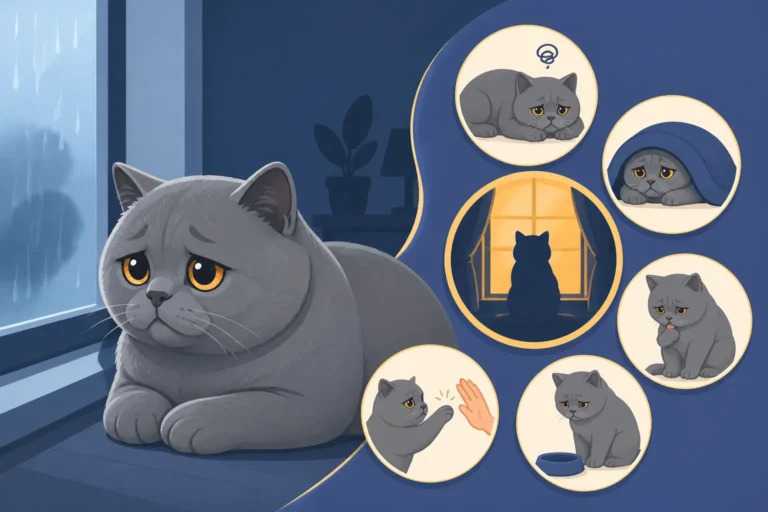
A deep bond, however, goes further. It's characterized by those subtle signs of preference: actively seeking out a specific person, showing greater trust and vulnerability with them, and perhaps even exhibiting mild separation anxiety when that person is absent. Both contentment and deep bonding are valuable, but they manifest differently. Don't mistake a cat who is comfortable with everyone for one who has an equally deep connection with everyone. Appreciate the general contentment, and cherish the deeper bonds where they form.
Ensuring Every Cat Feels Secure
In a multi-cat household, it's also important to ensure that every British Shorthair feels secure and has access to resources, regardless of their individual bonding preferences. This means having enough food bowls, water stations (many British Shorthairs enjoy a water fountain, easily found on Amazon), litter boxes, and resting spots so that each cat feels they have their own territory and don't need to compete. This reduces stress and allows each cat to develop their relationships with humans and other felines at their own pace.
If you have multiple cats, you might notice that some bond more strongly with certain humans, while others prefer different people. This is perfectly normal. The goal isn't necessarily for every cat to bond equally with every human, but rather for every cat to feel loved, safe, and secure within the family unit. By providing a stable environment, respecting their individual needs, and offering consistent positive interactions, you can ensure a harmonious home for all your British Shorthair companions, fostering their unique connections with each person they choose to love.
Disclaimer
This article is for general informational purposes only and does not constitute professional advice. Laws, prices and regulations vary by location and change over time. Consult a qualified professional for guidance on your specific situation.