How Much of a Lap Cat a British Shorthair Is
One of the most common questions new British Shorthair owners, or those considering bringing one into their home, ask is whether these magnificent, plush felines are lap cats. It's a perfectly natural curiosity, especially when you see their calm demeanor and soft, inviting coats. However, the reality of British Shorthair affection often diverges from the typical "lap cat" stereotype. This guide aims to clarify what you can truly expect from your British Shorthair in terms of closeness and how they prefer to show their love.
The British Shorthair Temperament: An Independent Spirit
The British Shorthair is renowned for its placid, easygoing nature, which is a huge part of its appeal. They are generally calm and composed, making them wonderful companions, but their independence often means they express affection differently than, say, a super clingy Siamese or a purring Persian that lives for cuddles. Understanding this foundational temperament is key to appreciating your British Shorthair's unique way of bonding.
Their Independent Nature
Unlike some breeds that thrive on constant physical contact and demand to be in your personal space, British Shorthairs often carry a dignified air of self-sufficiency. They are deeply devoted to their families, make no mistake, but they typically aren't the kind of cats who will leap onto your lap the moment you sit down. This isn't a sign of aloofness or disinterest; it's simply how they are wired. They appreciate their personal space and expect you to respect it too. They might enjoy a gentle stroke while you're relaxing on the sofa, but they often prefer to initiate these interactions rather than being scooped up uninvited. This independence means they handle being left alone quite well, which is a huge bonus for busy households. How Many Hours a British Shorthair Can Be Left delves deeper into their capacity for solitude.
Calm and Composed Demeanor
One of the most endearing qualities of the British Shorthair is their unflappable calm. They rarely get into frantic zooms around the house or climb the curtains with wild abandon. Their energy levels are generally low, especially as they mature, preferring quiet observation and gentle naps in sunny spots. This calm disposition translates into their interactions with humans. They aren't prone to excessive meowing or demanding attention vocally, which can sometimes lead owners to wonder if they're truly happy or affectionate. Rest assured, their quiet presence is often their way of enjoying your company. They might choose to nap in the same room, just a few feet away, content in your proximity without needing to be right on top of you.
A Creature of Routine and Comfort
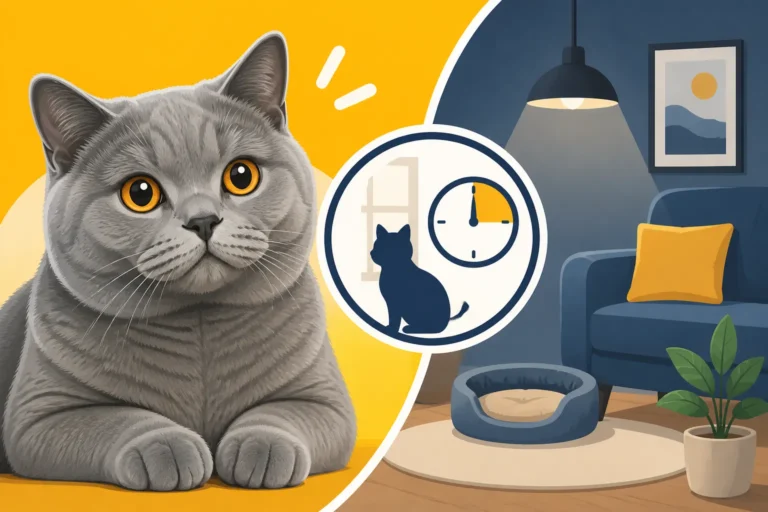
British Shorthairs thrive on routine and comfort. They love predictability in their day – regular meal times, consistent play sessions, and familiar sleeping spots. When it comes to comfort, they are experts. You'll often find them curled up in a soft bed, on a plush blanket, or perhaps enjoying a high vantage point from a sturdy cat tree. These preferences are closely tied to their affectionate nature. They build trust through consistency and respond positively to a serene environment. Sudden changes or forceful handling can make them retreat, reinforcing their desire for personal autonomy. Creating a comfortable and predictable home helps foster their trust and, in turn, their unique expressions of affection.
The "Lap Cat" Myth Versus Reality for British Shorthairs
Let's address the elephant in the room: are they or aren't they lap cats? The honest answer is, most British Shorthairs are not what you'd typically describe as a traditional lap cat. They might occasionally grace your lap with their presence, especially if you're particularly warm or still, but it's usually on their terms and often for a limited time. Expecting them to be a constant fixture on your lap might lead to disappointment, but understanding why they behave this way can shift your perspective to appreciate their true nature.
Preferring to Be Near, Not On
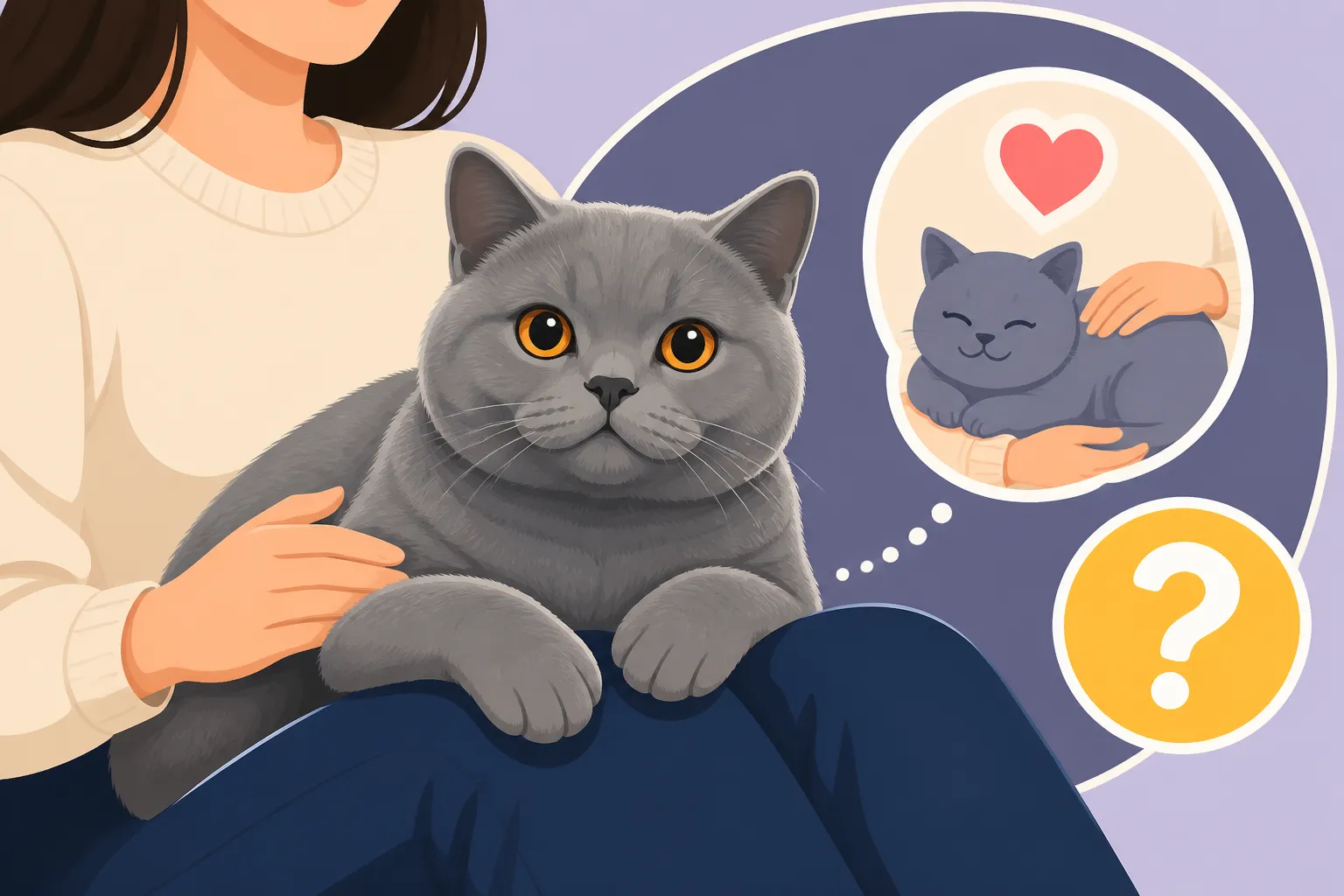
Instead of being on you, a British Shorthair typically prefers to be near you. Think of them as your personal shadow, but one that respects boundaries. They might choose to sprawl out on the sofa cushion right next to you, perhaps with a paw or tail lightly touching your leg. They might follow you from room to room, settling in quietly as you go about your day. This proximity is their way of saying, "I love you and I want to be close to you," without the direct physical contact that other breeds might crave. If you find your British Shorthair consistently choosing the chair next to yours, or a spot on the bed just beyond your reach, know that this is a strong sign of affection from them. It's their version of a cuddle. Where a British Shorthair Sits Instead offers more insights into their preferred lounging spots.
Physical Discomfort of Being Held
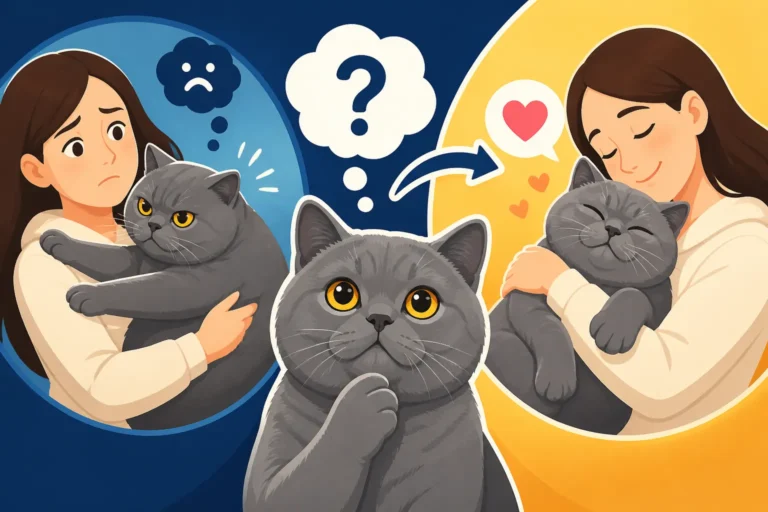
Many British Shorthairs simply do not enjoy being picked up or held for extended periods. Their sturdy, cobby build makes them feel quite substantial, and they often feel unbalanced or constrained when lifted. This can be quite a shock to owners accustomed to more pliable cat breeds. They might tolerate it for a moment, especially if they trust you deeply, but you'll often feel them subtly trying to wriggle free. It's not a personal affront; it's just a physical preference. Forcing the issue can lead to them becoming wary of your hands, which is the last thing you want when trying to build a bond. Always approach picking them up gently and with purpose, and be ready to put them down if they show signs of wanting to be released. Why a British Shorthair Hates Being Picked Up explains this behavior in detail.
The Weight Factor
Let's not forget the sheer size and weight of a fully grown British Shorthair. These are not dainty felines! A male can easily weigh upwards of 12-18 pounds, and some females can be quite robust too. While their plush coat makes them look like cuddly teddy bears, that weight can be surprisingly heavy on a lap, especially if you're trying to move or work. This physical bulk might contribute to their preference for adjacent seating rather than direct lap time. They are built for solidity and comfort on a flat surface, not necessarily for perching precariously on a human's knees. How Much a British Shorthair Weighs explores their impressive physique further.
Their Unique Expressions of Affection
Just because they're not traditional lap cats doesn't mean British Shorthairs aren't affectionate. Far from it! They simply have their own charming and often subtle ways of showing they care. Once you learn to recognize these signals, you'll see just how much love they have to give. It's all about understanding their language, which is often expressed through actions rather than constant physical closeness.
The "Shadow" Cat Syndrome
Many British Shorthair owners describe their cats as "shadows." They might not be on your lap, but they will follow you from room to room, settling nearby as you go about your tasks. If you're in the kitchen, they'll be there, perhaps perched on a stool or supervising from a comfortable mat. Move to the living room, and they'll relocate to a nearby chair or window perch. This constant, quiet companionship is a huge sign of their devotion and comfort in your presence. They want to be part of your world, even if it's from a slight distance. It’s a wonderful feeling to know your British Shorthair wants to be in the same space as you. How a British Shorthair Shows Affection provides a broader look at their loving gestures.
Slow Blinks and Head Nuzzles
One of the purest forms of affection from a British Shorthair is the slow blink. When your cat looks at you and slowly closes and then opens its eyes, it's essentially saying, "I trust you and I love you." Reciprocate with a slow blink back, and you're having a silent, loving conversation. Beyond this, they might offer gentle head butts or "bunts" against your leg or hand when you're stroking them. This is their way of marking you with their scent, claiming you as part of their family, and showing deep contentment. They might rub their cheek against you, leaving their scent glands as a subtle declaration of love.
Chirps and Purrs from a Distance
British Shorthairs are generally not overly vocal cats. You won't hear constant meowing demanding attention. However, when they do communicate, it's often meaningful. They have a distinctive, soft voice, often a low chirp or a quiet trill, especially when greeting you or expressing satisfaction. A deep, rumbling purr, even if it's when they're simply lying near you rather than on you, is a clear sign of happiness and contentment. These vocalizations, combined with their relaxed posture and half-closed eyes, are their way of communicating their affection and feeling safe and loved in your home. How Vocal a British Shorthair Is covers their communication style in more detail.
Creating a Cozy Environment for Your British Shorthair
Since they prefer to be near rather than on you, creating an environment that facilitates this "nearness" and provides ultimate comfort is crucial for a British Shorthair. You want to offer them inviting spaces that make them feel secure and cherished, encouraging them to choose to spend time in the same room as you.
Strategic Perching Spots
Because British Shorthairs enjoy observing their surroundings from a comfortable vantage point, providing strategic perching spots can enhance their sense of security and allow them to "participate" in household activities from a distance. Think sturdy, wide cat trees or even a designated, comfy spot on a bookshelf. They appreciate stability, so ensure any cat furniture is robust enough to support their weight. Placing these near where you spend most of your time, like next to your favorite armchair or near the kitchen island, will allow them to be close without feeling crowded. You might even find them taking naps on these spots while you're working or relaxing. For good options, check out the various robust cat trees available on Amazon. Which Cat Tree a British Shorthair Uses gives more advice on selecting appropriate structures.
Comfortable Beds and Blankets
Comfort is paramount for a British Shorthair. Invest in several plush, well-padded beds and strategically place them around your home. Consider beds with raised sides for a sense of security, or even heated beds for those cooler days. They adore soft blankets, so having a few throw blankets draped over sofas or on their favorite perches will be highly appreciated. These comfortable spots become their personal havens, and if they choose to curl up in one of these close to you, it's a profound sign of trust and contentment. They want to be comfortable while still enjoying your company, and these cozy spots on Amazon are perfect for that.
Interactive Play for Bonding
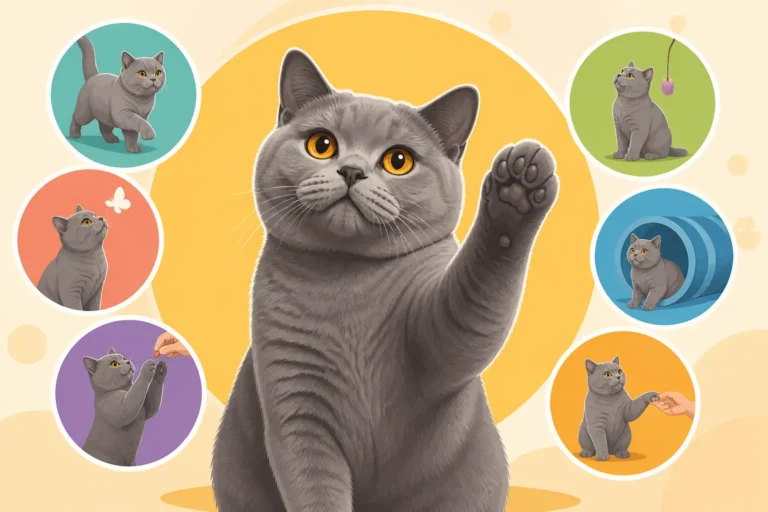
While British Shorthairs aren't known for being hyperactive, regular interactive play sessions are vital for both their physical health and emotional well-being. These sessions also serve as a wonderful bonding opportunity, even if they aren't directly cuddly. Use wand toys, feather teasers, or even a laser pointer (used carefully, never shining it directly into their eyes or ending with frustration) to engage them. Short, frequent play sessions, maybe 5-10 minutes a couple of times a day, can encourage them to move and reinforce your bond. The key is to let them "catch" the toy at the end of the session to prevent frustration. This shared activity builds positive associations and strengthens their trust in you. Look for durable wand toys on Amazon designed for strong players. How Much Play a British Shorthair Needs can guide you on their exercise requirements.
Building Trust and Closeness with Your British Shorthair
Cultivating a deep, loving relationship with a British Shorthair is incredibly rewarding, but it requires patience, understanding, and respect for their unique personality. They may not be conventional lap cats, but their loyalty and quiet affection are profound.
Respecting Their Boundaries
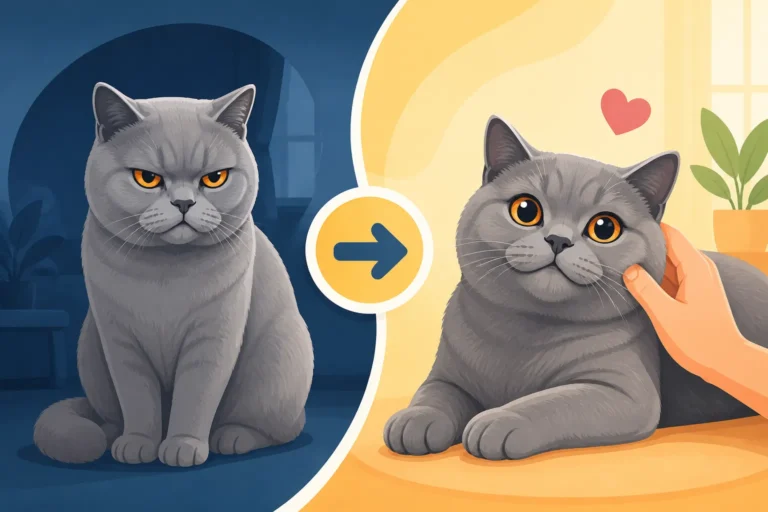
This is perhaps the most crucial aspect of bonding with a British Shorthair. Always respect their need for personal space. Avoid forcing interactions or holding them when they clearly want to be let down. Let them come to you on their own terms. Offer a gentle hand for a head scratch or cheek rub, and if they lean into it, continue. If they pull away, understand that they've had enough for now. Building trust means showing them that you understand and respect their signals. Over time, this consistent respect will lead to them seeking out your presence more often, knowing that you won't overwhelm them.
Gentle Handling and Positive Reinforcement
When you do need to handle your British Shorthair, whether for grooming, nail trims, or a vet visit, do so gently and calmly. Support their body fully when picking them up, ensuring they feel secure. Use positive reinforcement techniques – gentle praise, soft voices, and maybe a favorite treat – to make these necessary interactions less stressful. For example, if you need to comb their dense coat, make it a pleasant experience with short sessions and a reward afterwards. This builds a positive association with your touch, even if it's not always for cuddles. How a British Shorthair Takes to Brushing has some excellent tips.
Consistent Routine and Predictability
As mentioned earlier, British Shorthairs thrive on routine. A predictable schedule for feeding, playtime, and quiet time helps them feel secure and reduces anxiety. When they know what to expect from their day and from you, they are more relaxed and open to showing affection. This consistency builds a strong foundation of trust. For instance, if you consistently have a short play session every evening before bed, they might start waiting for you, which is a lovely indicator of their bond and anticipation.
Comparison of Affection Styles: British Shorthair vs. Traditional Lap Cat
To further illustrate the difference, here's a table comparing common affectionate behaviors.
| Characteristic | Traditional "Lap Cat" | British Shorthair (Typical) |
|---|---|---|
| Physical Contact | Jumps onto lap frequently, enjoys long cuddles. | Prefers to be near, often touching lightly, may briefly visit lap. |
| Proximity | Seeks direct contact, wants to be held. | Follows owner, settles in same room but maintains personal space. |
| Vocalization | Often vocal, meows for attention, demanding. | Generally quiet, uses soft chirps, trills, purrs when content. |
| Greeting Style | Rubs against legs, purrs, may jump up for attention. | Head butts, slow blinks, quiet purrs, tail held high in greeting. |
| Tolerance for Holding | Enjoys being picked up and carried for periods. | Tolerates short periods of being held, prefers to be set down quickly. |
| Showing Trust | Relaxed posture on lap, kneading, purring heavily. | Relaxed nearby, slow blinks, stretching out, comfortable napping in your presence. |
In conclusion, while your British Shorthair might not be the quintessential lap cat, they are incredibly loving and devoted companions. Their affection is often expressed in a quieter, more dignified manner. By understanding and respecting their unique personality, providing a comfortable and predictable environment, and engaging in interactive play, you will build a strong, lifelong bond with your plush feline friend. They may not live on your lap, but they will certainly live in your heart.
Disclaimer
This article is for general informational purposes only and does not constitute professional advice. Laws, prices and regulations vary by location and change over time. Consult a qualified professional for guidance on your specific situation.