Whether a British Shorthair Rescue Fee Covers a Dental
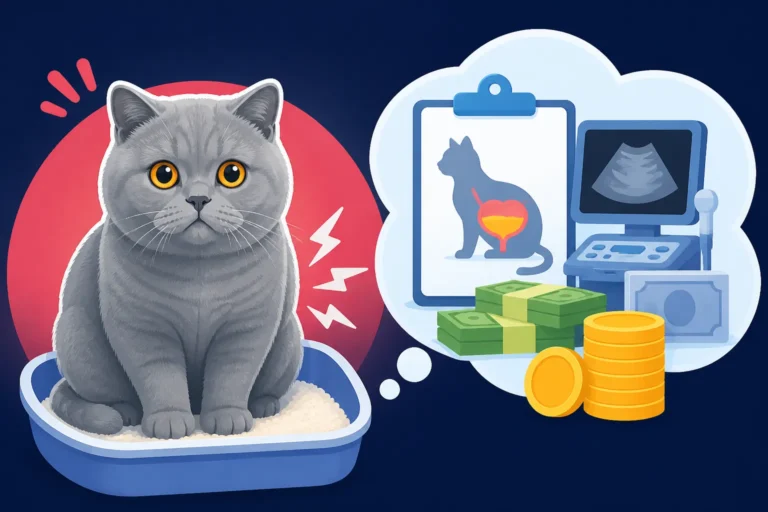
Bringing a rescue British Shorthair into your home is such a heartwarming experience, filled with anticipation and love. However, the financial aspect can sometimes be a bit of a mystery, especially when it comes to understanding exactly what that adoption fee covers. Many prospective adopters worry about hidden costs, and dental care, which is often crucial for adult cats, is a huge concern. This guide aims to demystify British Shorthair rescue fees and specifically address whether they typically include dental work, so you can adopt your new family member with confidence and a clear understanding of their health needs.
Understanding British Shorthair Rescue Fees
When you decide to open your home to a British Shorthair from a rescue organization, you're not just "buying" a cat. The fee you pay, often called an adoption fee, is a vital contribution that helps the rescue continue its invaluable work. It's easy to look at a number and wonder why it's so high, but once you peel back the layers, you realize it’s an investment in saving lives and ensuring these wonderful cats get the best possible second chance.
What the Adoption Fee Typically Covers
The adoption fee isn't designed to make a profit; rather, it helps offset a fraction of the costs incurred in rescuing, rehabilitating, and rehoming each animal. Typically, this fee includes a range of essential veterinary care and preparatory steps that ensure your British Shorthair is ready for their new life. This almost always means up-to-date vaccinations, which protect your new cat and other pets in your home from common diseases. You're looking at core vaccines like rabies and distemper (FVRCP). Additionally, most reputable rescues will ensure your British Shorthair is spayed or neutered before adoption. This is not only crucial for population control but also prevents a host of health and behavioral issues down the line.
Beyond these basics, the fee usually covers a thorough veterinary check-up upon intake, deworming, and often microchipping. Microchipping is a lifesaver, providing permanent identification should your British Shorthair ever get lost, giving you a much better chance of a reunion. Think of it as a starter kit for health and safety, making sure your new companion is entering your home with a clean bill of basic health, or at least with any immediately obvious issues addressed.
Why Rescue Organizations Charge Fees
Rescue organizations operate on tight budgets, relying heavily on donations, volunteers, and these adoption fees. Every British Shorthair that comes through their doors represents a significant financial commitment. Imagine a cat arriving needing emergency medical attention, extensive rehabilitation, or even just weeks of food and litter. The adoption fee helps to cover these variable costs. It's a pooled resource, meaning the fee from one adoption might help subsidize the more extensive care needed for another cat in their system, one who perhaps arrived with severe injuries or chronic conditions.
These fees also support the day-to-day operations of the rescue, from facility overheads if they have a physical shelter, to administrative costs, transport, and essential supplies. It's a common misconception that since the cats are "rescued," all costs are donated. While many vets offer reduced rates, and volunteers give their time freely, there are still unavoidable expenses that these fees help to cover, allowing the rescue to continue its mission.
Common Health Screenings Included
While most rescues do an excellent job of ensuring general health, the scope of "health screenings" can vary. Almost all will perform basic blood tests to check for common feline viruses like Feline Leukemia Virus (FeLV) and Feline Immunodeficiency Virus (FIV). These are crucial for the health of your new cat and any existing pets in your home. They'll also typically conduct a general physical exam to check for obvious signs of illness, listen to the heart and lungs, and assess overall condition.
However, more specialized or costly screenings, like comprehensive cardiac echoes to check for conditions such as HCM (Hypertrophic Cardiomyopathy), which British Shorthairs can be prone to, or extensive dental procedures, are less universally included. While some high-profile breed-specific rescues might invest in more in-depth testing if a cat's history warrants it, it's not a standard expectation for every single rescue British Shorthair, especially if they came in as a stray with no known history. You might find a rescue has done bloodwork, checked for parasites, and given routine vaccinations, but a full dental cleaning might only be done if absolutely necessary or if funds permit.
The Reality of Dental Health in Rescue British Shorthairs
Dental issues are incredibly common in adult cats, and British Shorthairs are no exception. Their calm, sometimes sedentary nature and predisposition to weight gain can contribute to issues, but often, it's simply a matter of age and previous lack of care. When you adopt a rescue, particularly an adult, there's a higher chance they'll need some level of dental attention.
Why Dental Problems Are So Common in Adult Cats
It’s a sad truth that dental disease is one of the most prevalent health issues affecting adult cats. Just like humans, cats accumulate plaque and tartar on their teeth. If not regularly removed, this leads to gingivitis, which is inflammation of the gums. Left untreated, gingivitis can progress to periodontitis, a more severe form of dental disease that causes irreversible damage to the structures supporting the teeth. This can result in painful tooth resorption, loose teeth, infections, and even bone loss.
Many rescue cats come from situations where dental care was simply not a priority, or they may have spent time as strays with no access to any form of dental hygiene. Even cats who have always lived indoors can develop significant dental issues by the time they are a few years old if their owners haven't focused on preventive care. An adult British Shorthair, particularly one over the age of five or six, is highly likely to have some degree of dental disease. You'll often see this noted on their intake vet report, even if it's just "mild tartar."
Signs a British Shorthair Might Need Dental Work
Cats are masters at hiding pain, and dental pain is no exception. This makes it challenging for owners, and certainly for rescue staff, to always spot the signs quickly. However, there are some indicators to watch for. The most obvious, and unfortunately, often the one owners notice first, is bad breath. That distinct "cat breath" isn't normal; it's usually a sign of bacteria buildup and dental disease.
Beyond bad breath, observe their eating habits. Are they hesitant to eat hard kibble, preferring softer foods? Do they chew on one side of their mouth or drop food? You might also notice redness or swelling of the gums, visible tartar buildup (which looks like yellow-brown crust on the teeth, especially the canines and back molars), or even a pawing at their mouth. Some cats might become withdrawn or irritable due to discomfort. For a British Shorthair, known for their calm demeanor, any change in eating habits or noticeable facial swelling is a red flag that warrants immediate veterinary attention. You can read more about Gingivitis in a British Shorthair to understand the early signs.
The Scope of a Comprehensive Dental Procedure
A comprehensive dental procedure for a cat is far more than just a quick brush-up. It's a veterinary procedure that requires general anesthesia, allowing the vet to thoroughly examine the entire oral cavity, including below the gumline. This typically involves dental X-rays to assess the health of the tooth roots and jawbone, which are crucial for identifying hidden problems like tooth resorption or abscesses.
Once under anesthesia, the vet will meticulously scale away plaque and tartar, both above and below the gumline, using ultrasonic scalers. The teeth are then polished to smooth the surfaces, making it harder for new plaque to adhere. If any diseased or damaged teeth are found, extractions may be necessary. This entire process can be lengthy and involves pre-anesthetic blood work to ensure the cat is healthy enough for the procedure, as well as pain management and antibiotics if infections are present. It's a significant undertaking, both in terms of medical care and cost.
What to Ask and Look For in a Rescue's Health Protocol
Navigating the adoption process means being proactive and asking the right questions. Understanding a rescue's health protocol, especially concerning dental care, is paramount to ensuring you're fully prepared for your British Shorthair's needs.
Direct Questions to Ask About Dental Coverage
When you're speaking with a rescue organization about a British Shorthair you're interested in, don't be shy about asking specific questions about their health checks, especially regarding dentals. Start by asking, "Has this cat had a full dental cleaning, including scaling and polishing, under anesthesia?" If the answer is yes, inquire about when it was performed and whether any extractions were needed. Ask if dental X-rays were taken. If the answer is no, or if they only did a visual check, ask about the vet's assessment of the cat's dental health. Did the vet note any tartar or gingivitis? Are there any recommendations for future dental work?
It’s also important to clarify if the rescue offers any post-adoption support for dental issues that might arise shortly after adoption. Some rescues might have a grace period or a partnership with a local vet that offers discounted rates. Be prepared for the possibility that a full dental may not have been included, especially for cats without obvious, severe dental disease. Most British Shorthairs will need a dental at some point, so understanding How Often a British Shorthair Needs a Dental is wise.
Reviewing Health Records and Vet Reports
Any reputable rescue will provide you with comprehensive health records for your adopted British Shorthair. These records should detail all vaccinations, deworming dates, spay/neuter surgery, microchip information, and any medications administered. Crucially, they should also include the veterinary examination reports from their intake and any subsequent vet visits.
Carefully review these reports. Look for specific notes from the veterinarian regarding the cat's teeth and gums. Even if a full dental wasn't performed, a vet will usually note "mild tartar," "gingivitis present," or "needs dental work." This will give you a clear picture of what to expect. If the records seem sparse or lack detail regarding a vet's examination of the oral cavity, that's a good reason to ask for more clarification. A transparent rescue will be happy to share all available health information, as their goal is to ensure a successful, healthy adoption.
Understanding "As Is" Adoption vs. Guaranteed Health
It’s important to understand that most rescue adoptions are typically "as is," meaning you're accepting the animal in its current health condition, with the understanding that the rescue has done its best to provide initial care. This doesn't mean they're selling you a sick cat, but rather that they can't guarantee against every potential future health issue. They do, however, guarantee that they've been transparent about what they know.
Some rescues might offer a limited health guarantee for a short period post-adoption, perhaps covering common illnesses that manifest within the first week or two. However, extensive or chronic conditions that require costly procedures, such as a major dental surgery that wasn't immediately apparent or deemed urgent at intake, are usually the responsibility of the new owner. This is where asking those direct questions about dental care upfront becomes so critical. It helps set realistic expectations and allows you to budget accordingly for potential follow-up care.
Beyond the Rescue Fee: Planning for Future Dental Costs
Even if your British Shorthair arrives with a sparkling clean bill of dental health, or if the rescue fee does cover their initial dental, ongoing care is a lifelong commitment. Dental health isn't a one-and-done issue; it requires consistent attention to prevent future problems and ensure your beloved companion stays comfortable and healthy.
Proactive Dental Care at Home
The best defense against costly dental procedures is a good offense: proactive home care. While it might sound daunting, teaching your British Shorthair to tolerate regular tooth brushing can significantly extend the life of their teeth and reduce the frequency of professional cleanings. Start slowly, using a pet-specific toothbrush and toothpaste (never human toothpaste!) and make it a positive experience with treats and praise. Even a few seconds of brushing a few times a week can make a difference.
If brushing isn't feasible, there are other tools. Dental wipes, oral rinses, and specialized dental treats can help reduce plaque buildup. Look for products that carry the Veterinary Oral Health Council (VOHC) seal of acceptance, which indicates they meet certain standards for plaque and tartar control. Brands like Chewy often stock a wide range of these products, making it easier to find something that your British Shorthair might accept. While these methods are helpful, they are usually supplementary to, not a replacement for, professional veterinary care.
Budgeting for Ongoing Veterinary Dentals
Regardless of how diligent you are with home care, most cats will need professional dental cleanings throughout their lives. The frequency depends on individual genetics, diet, and oral hygiene efforts, but many cats benefit from a dental cleaning every one to three years. These procedures, as discussed, involve anesthesia, X-rays, and potentially extractions, which means they can be a significant expense. Knowing What a British Shorthair's First Dental Costs can help you prepare for subsequent ones.
It's wise to start a "pet dental fund" or simply factor these costs into your annual pet budget. Just like with routine wellness exams and vaccinations, professional dental care is a non-negotiable part of responsible pet ownership, especially for a breed like the British Shorthair that can live The Twelve to Seventeen Years a British Shorthair Gets. Being prepared for these expenses ensures you can provide the best care without financial stress down the line.
Exploring Pet Insurance Options for Dental Coverage
Pet insurance can be a fantastic way to mitigate unexpected veterinary costs, and many policies offer coverage for dental procedures. However, it's crucial to understand the specifics of different plans. Most comprehensive pet insurance policies will cover dental disease treatment, including cleanings, extractions, and even anesthesia, as long as it's not a pre-existing condition. This is why getting insurance early in your British Shorthair's life, or immediately after adoption if they have a clean dental bill, is often recommended.
Some plans, like those from Healthy Paws, focus on accident and illness coverage, which typically includes dental disease as an illness. Other providers might offer optional wellness packages that include routine cleanings. Always read the policy details carefully to understand waiting periods, deductibles, reimbursement percentages, and any exclusions. For example, some policies might not cover routine preventative cleanings unless part of a specific wellness rider, but they will cover necessary extractions due to injury or disease.
| Aspect | Typically Included in Rescue Fee | Rarely Included / May Be Extra |
|---|---|---|
| Basic Vet Exam | Yes | No |
| Vaccinations (Core) | Yes | No |
| Spay/Neuter Surgery | Yes | No |
| Microchipping | Yes | No |
| FeLV/FIV Testing | Yes | No |
| Deworming | Yes | No |
| Dental Cleaning (Routine) | No (unless severe problem) | Yes (often new owner's cost) |
| Dental X-rays | No | Yes |
| Tooth Extractions | No (unless emergency on intake) | Yes |
| Prescription Dental Diets | No | Yes |
| Specialized Screenings (e.g., Echo) | No (unless specifically noted) | Yes |
Ultimately, while British Shorthair rescue organizations strive to provide the best possible initial care, a full dental cleaning is often a significant additional expense that isn't automatically covered by the adoption fee. It’s an investment that typically falls to the adopter, so be prepared to ask questions, review records, and budget for this essential aspect of your new cat's long-term health. Knowing what to expect means you can give your British Shorthair the healthiest, happiest life possible. Caring for a British Shorthair Past Ten often means more frequent dental care.
Disclaimer
This article is for general informational purposes only and does not constitute professional advice. Laws, prices and regulations vary by location and change over time. Consult a qualified professional for guidance on your specific situation.