How Many Dentals a British Shorthair Needs
It’s a common scenario for British Shorthair owners: you lean in for a cuddle, and suddenly, you’re hit with a less-than-pleasant whiff. That distinctive "cat breath" isn't always just cat breath; often, it's a glaring red flag for dental disease, a silent and insidious problem that far too many felines suffer from. Many of us wonder how often our British Shorthairs truly need a professional dental cleaning, and the truth is, it’s not a one-size-fits-all answer. This guide will help you understand the factors involved and how to keep your cherished furball's pearly whites healthy.
Understanding British Shorthair Dental Health: More Than Just Bad Breath
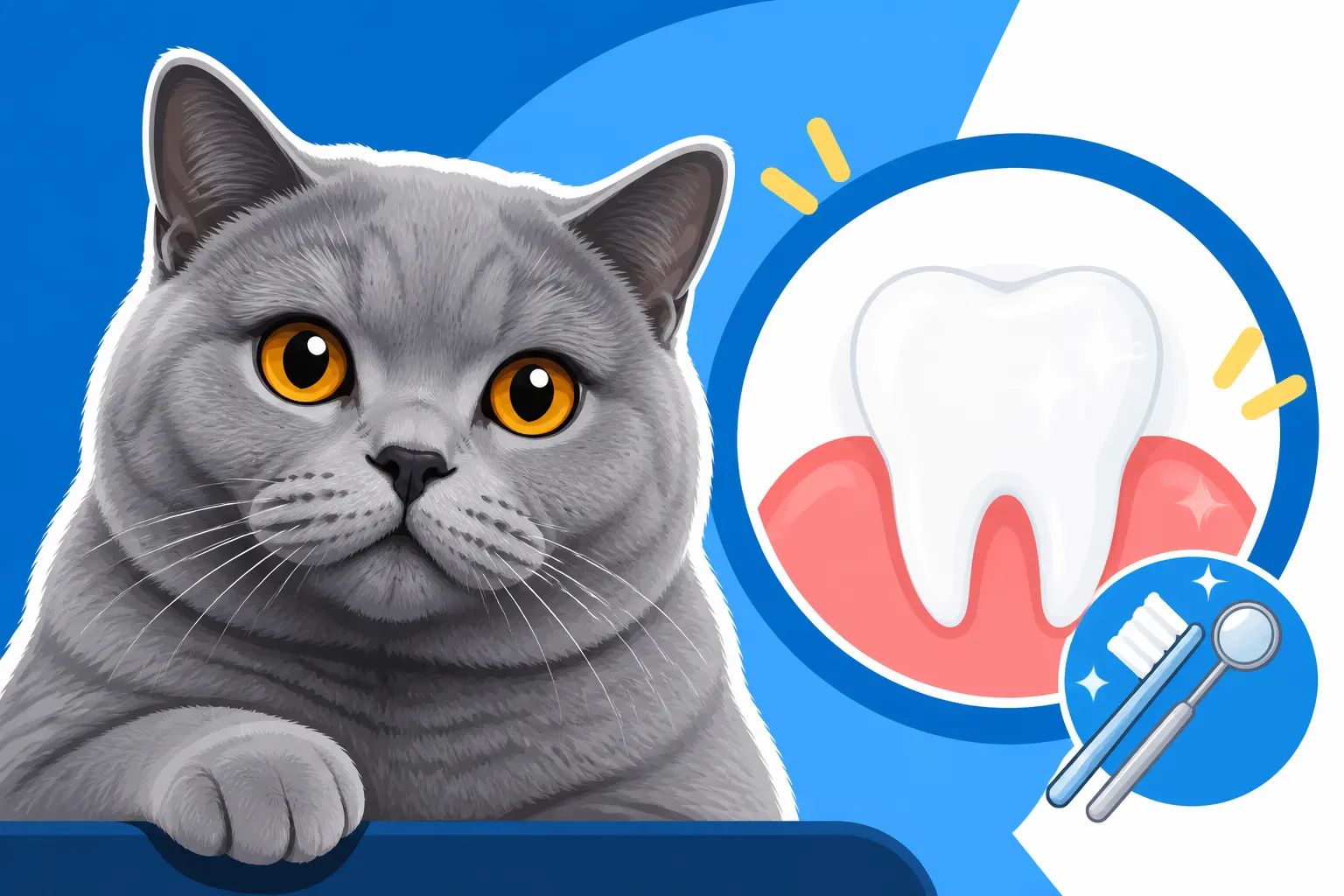
When you think about your British Shorthair, you probably picture their magnificent round face, plush coat, and calm demeanor. What often gets overlooked is what's happening inside that adorable mouth. Dental disease in cats, much like in humans, can range from mild gingivitis to severe periodontitis, which can lead to pain, infection, and even systemic health problems. For British Shorthairs, their unique breed characteristics can sometimes play a role in how prone they are to these issues.
The Unique Challenges of a British Shorthair's Mouth
British Shorthairs tend to have broad, well-developed heads, which can sometimes lead to slight crowding of their teeth. This isn't universally true for every single cat, of course, but it's a common trait of the breed's structure. When teeth are a bit too close together, it creates more nooks and crannies where food particles can get trapped and plaque can accumulate. This makes it harder for their natural chewing action, or even your attempts at home brushing, to effectively clean all tooth surfaces. Over time, that soft plaque hardens into tartar, which cannot be removed by brushing alone and requires professional intervention. The heavy, muscular jaw of a British Shorthair can also mean they chew quite robustly, potentially leading to specific wear patterns or even more aggressive plaque buildup in certain areas if their diet isn't conducive to dental hygiene.
Why Dental Health Is Often Overlooked Until It's Too Late
One of the most frustrating aspects of feline health is how incredibly adept cats are at hiding pain. A British Shorthair, with its stoic and independent nature, is especially good at this. You might not notice your cat is in discomfort until the dental disease is quite advanced, which is why routine check-ups are so crucial. Subtle signs like a slight decrease in appetite, chewing on one side of their mouth, drooling, pawing at their face, or just being a little less enthusiastic about their favorite crunchy treats can all indicate dental pain. But let's be honest, who among us always catches these incredibly subtle cues right away? It's easy to dismiss them as a "mood" or a temporary pickiness, especially when your British Shorthair usually has such a robust appetite. By the time you notice truly foul breath or visibly red, swollen gums – classic signs of Gingivitis in a British Shorthair – the problem has likely been brewing for a while, causing your beloved pet silent agony.
The Link Between Dental Health and Overall Well-being
It’s not just about bad breath and sore gums; dental disease can have far-reaching consequences for your British Shorthair's overall health. The bacteria present in plaque and tartar can, over time, enter the bloodstream through inflamed gums. Once in the bloodstream, these bacteria can travel to vital organs like the heart, kidneys, and liver, causing secondary infections or exacerbating existing conditions. For a breed like the British Shorthair, which can be prone to conditions like Hypertrophic Cardiomyopathy (HCM) or Polycystic Kidney Disease (PKD), adding the stress of chronic infection from severe dental disease is simply adding fuel to the fire. Good oral hygiene is an integral part of preventative care, contributing significantly to their quality of life and potentially even their longevity. It's truly a foundational aspect of ensuring your British Shorthair lives The Twelve to Seventeen Years a British Shorthair Gets.
The Lifespan of British Shorthair Dental Care: From Kitten to Senior
Just like people, cats need dental care throughout their lives, but the intensity and frequency change as they age. What starts as preventative measures in kittenhood can evolve into regular professional interventions for senior cats. Understanding this progression helps you anticipate your British Shorthair's needs and plan accordingly.
Early Prevention: Building Good Habits from Kittenhood
The best time to start thinking about your British Shorthair's dental health is when they're still a tiny, fluffy kitten. Introducing them to gentle tooth brushing early can make a world of difference in their adult compliance. Even if you can only manage a few seconds a day with a finger brush and cat-specific toothpaste (never human toothpaste!), it helps them get used to the sensation and the routine. Think of it as a crucial bonding activity, not just a chore. Most kittens will have their adult teeth by around six months of age. Your vet should do an initial dental check during their kitten vaccinations. This is a prime opportunity to discuss proper home care techniques and get professional advice on starting on the right foot. You can learn more about this by reading How Young to Start Brushing a British Shorthair's Teeth. Establishing these habits when they're young and impressionable is much easier than trying to introduce them to brushing when they're a grumpy adult with already sensitive gums.
The Adult Years: Maintaining Vigilance
As your British Shorthair matures, typically between one and seven years of age, their dental needs usually settle into a maintenance phase. This is where consistent home care becomes paramount. Daily or at least every-other-day brushing is ideal, but let's be realistic – not every cat (or owner!) is on board with that. If brushing is a battle, explore other options like dental rinses, water additives, or veterinary-approved dental diets and treats. Brands like Chewy often carry a variety of these specialized dental care products, making it easier to find something that might work for your cat.
Even with excellent home care, most adult British Shorthairs will likely need a professional dental cleaning at some point. The average recommendation for many cats is to start considering professional cleanings every one to three years, depending on individual factors like genetics, diet, and the effectiveness of home care. Your annual vet check-up is the perfect time for your veterinarian to assess their oral health and make a recommendation. They can spot early signs of plaque buildup, gingivitis, or even hidden issues like resorptive lesions that you might miss at home.
Senior British Shorthairs: Increased Risk, Increased Care
When your British Shorthair enters their golden years – typically around ten years old and beyond, as detailed in The Age a British Shorthair Is Considered Senior – dental problems often accelerate. Just like in humans, teeth can wear down, gums can recede, and the risk of infection and tooth loss increases significantly. At this stage, your vet might recommend more frequent professional dental cleanings, perhaps annually or every other year, especially if your cat hasn't had consistent dental care throughout their life.
Older cats can also be more susceptible to other health issues, such as kidney disease or heart conditions, which means careful pre-anesthetic screening is even more crucial before a dental procedure. However, the benefits of removing sources of infection and alleviating pain often far outweigh the risks of anesthesia for a senior cat with significant dental disease. Ignoring dental issues in an older British Shorthair can drastically impact their comfort, ability to eat, and overall health, turning what should be a peaceful retirement into a painful struggle. It’s a part of Caring for a British Shorthair Past Ten that truly cannot be overlooked.
How Often is "Enough"? Factors Influencing Dental Cleaning Frequency
There's no single answer to "how many dentals" a British Shorthair needs, because every cat is an individual. What might be sufficient for one could be woefully inadequate for another. It truly comes down to a combination of genetics, lifestyle, and how proactive you are as an owner.
Genetic Predisposition and Individual Variation
Some British Shorthairs simply have "bad teeth" from a genetic standpoint. They might be prone to more rapid plaque accumulation, more severe gum inflammation, or develop tooth resorptive lesions (painful erosions on the tooth surface) regardless of how diligently you brush. It's frustrating when you do everything right, and your cat still ends up needing frequent dental work, but it's a reality for some unlucky felines.
Conversely, some British Shorthairs might sail through their entire lives with minimal dental issues, only needing a cleaning every few years, if at all. This variation highlights why regular veterinary check-ups are so important. Your vet can assess your specific cat's mouth and track their dental health over time, giving you personalized recommendations based on their unique predispositions and history. Don't compare your cat directly to your friend's; each one is on their own dental journey.
Diet and Home Care Practices
The type of food your British Shorthair eats can have an impact on their dental health, though perhaps not in the way many people assume. While crunchy kibble was once touted as a “tooth cleaner,” its effectiveness is often overstated. Most kibble shatters upon impact, offering minimal abrasive action against the teeth where plaque accumulates. However, some prescription dental diets are specifically formulated with larger kibble sizes, unique textures, or special coatings that do provide a scrubbing action or help prevent plaque from adhering. Overall good nutrition also supports general well-being, which is foundational to a healthy mouth.
Home care, when done consistently, is arguably the most impactful factor. Daily brushing with a veterinary enzymatic toothpaste is the gold standard. If your British Shorthair tolerates it, even a few minutes a day can significantly reduce the frequency of professional cleanings. If brushing isn't feasible, dental chews (like those often found on Chewy's website), water additives, or oral rinses can help. Just be sure to look for products approved by the Veterinary Oral Health Council (VOHC) for proven efficacy, as not all dental products live up to their claims. Understanding Whether Dental Treats Help a British Shorthair can help you choose wisely.
The Role of Veterinary Exams and Professional Assessment
Ultimately, the decision on how many dentals your British Shorthair needs rests with your veterinarian. During their annual wellness exam, your vet will perform an oral examination. They'll lift your cat's lips, check for gum inflammation, tartar buildup, missing teeth, or any other abnormalities. They might use a grading system (often 0-4) to describe the severity of dental disease present. A cat with Grade 0 or 1 might not need a professional cleaning for a while, especially with good home care. A cat with Grade 2 or higher, however, will likely be recommended for a professional dental soon.
It's important to remember that a conscious oral exam can only tell part of the story. Much of a cat's dental disease hides below the gumline, invisible without dental X-rays. This is why when a professional cleaning is recommended, it involves general anesthesia to allow for a thorough examination, probing of gum pockets, and dental radiographs. Don't be surprised if your vet recommends a dental even if your cat's teeth "look okay" to you; they're often seeing signs that indicate deeper issues. What a British Shorthair's First Dental Costs can be a significant investment, but it's an investment in their long-term health.
The Process and Practicalities of a British Shorthair Dental
Knowing that your cat might need a dental cleaning under anesthesia can feel daunting. There's the worry about the procedure itself, the cost, and then the follow-up. But understanding what to expect can ease some of those concerns and help you prepare to give your British Shorthair the best possible care.
What Happens During a Professional Dental Cleaning
A professional dental cleaning for a British Shorthair, or any cat, is far more involved than a quick brush. It's a full medical procedure performed under general anesthesia. This allows the veterinary team to thoroughly assess every tooth, clean above and below the gumline, and take dental X-rays to check for problems hidden within the jawbone or tooth roots. Many owners worry about anesthesia, and while there are always risks, modern veterinary anesthesia is very safe, especially with appropriate pre-anesthetic bloodwork and monitoring. You might want to read Whether a British Shorthair Tolerates Anesthesia for more peace of mind.
The procedure typically involves:
- Pre-anesthetic Bloodwork: To ensure your cat's organs (kidneys, liver) are healthy enough to process the anesthesia. This is often part of What a British Shorthair's Yearly Bloodwork Should Cover.
- Anesthesia and Monitoring: Your cat will be intubated to protect their airway, and their vital signs (heart rate, respiration, blood pressure, oxygen levels, temperature) will be monitored constantly by a trained veterinary nurse.
- Oral Examination and X-rays: A thorough examination of each tooth and gumline, followed by full-mouth dental X-rays. This helps identify issues like bone loss, abscesses, or tooth resorption.
- Scaling and Polishing: Ultrasonic scalers remove plaque and tartar from above and below the gumline. The teeth are then polished to smooth the surfaces, making it harder for new plaque to adhere.
- Extractions (if necessary): If severely diseased or painful teeth are found, they will be extracted. This is often the most critical part of the procedure, as removing a source of chronic pain dramatically improves a cat's quality of life.
- Pain Management: Pain medication will be administered during and after the procedure to ensure your cat's comfort.
Managing the Costs: Budgeting for Your Cat's Oral Health
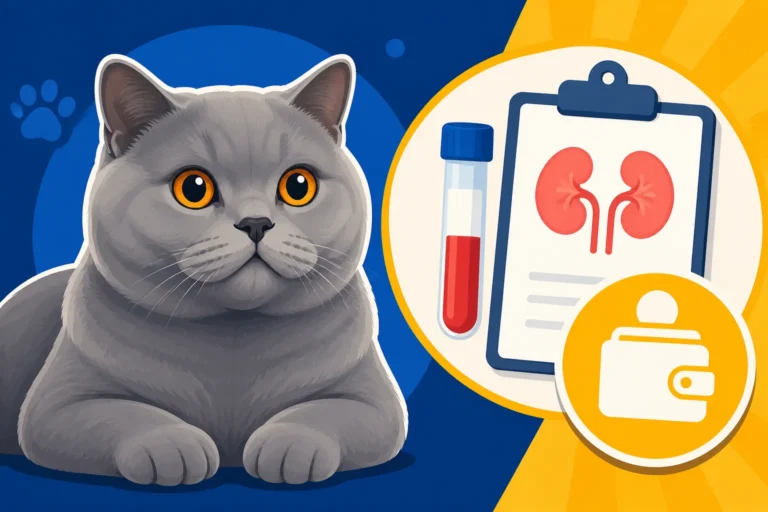
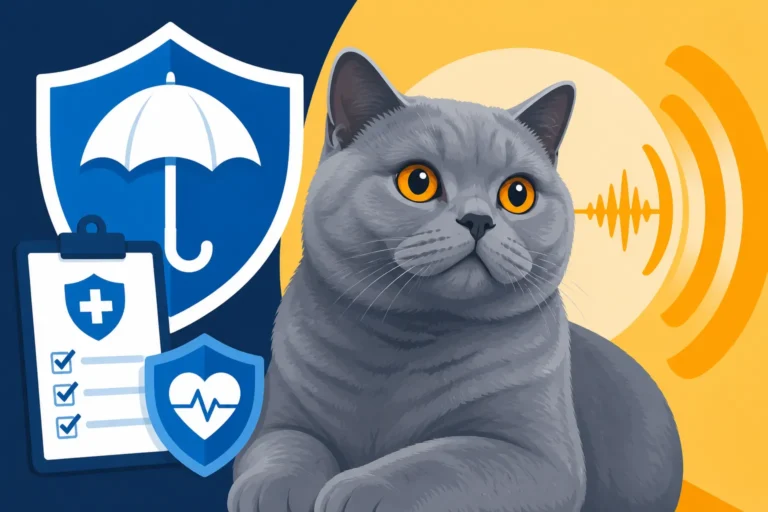
Let’s be frank, veterinary care, especially specialized procedures like dentals, can be expensive. What a British Shorthair's First Dental Costs can come as a surprise if you're not prepared, and those costs increase if extractions are needed. This is where budgeting and planning ahead really come into play. Many owners find that pet insurance can be a lifesaver for unexpected veterinary bills. Companies like Healthy Paws offer various plans that can help cover a significant portion of dental cleaning costs, especially when extractions are medically necessary. It's always a good idea to research different providers and understand what their policies cover when it comes to routine vs. therapeutic dental care.
Beyond insurance, setting aside a dedicated "pet fund" each month can help cushion the blow when a dental is due. Talk to your vet about potential payment plans or if they offer any discounts for multiple procedures or for proactive care. The cost of preventing severe dental disease through regular cleanings and home care is almost always less than the cost of treating advanced disease with multiple extractions, root canals, or even complications affecting other organs.
Post-Dental Care and Long-Term Strategies
After a dental procedure, your British Shorthair might be a bit sleepy or groggy from the anesthesia. They will likely be sent home with pain medication and potentially antibiotics, especially if extractions were performed. Follow your vet's instructions carefully for feeding and medication. Most cats recover quickly and are back to their usual selves within a day or two, often with a noticeable improvement in their demeanor now that their mouth pain is gone.
Long-term, the goal is to prolong the time between professional cleanings as much as possible through consistent home care. Recommit to daily brushing, if tolerated. Explore those VOHC-approved dental treats or water additives. Some vets might recommend prescription dental diets (often available through Chewy or other online retailers if prescribed by your vet) designed to reduce plaque buildup. These foods are a commitment, but they can be incredibly effective in maintaining oral health after a professional cleaning. Regular check-ups remain essential, as your vet will continue to monitor their mouth and advise you on when the next professional cleaning might be necessary. It's an ongoing partnership to keep that magnificent British Shorthair smile healthy and pain-free.
Here's a quick reference guide on potential dental needs by age group:
| Age Group | Typical Dental Health Status | Recommended Care | Potential Frequency of Professional Dentals |
|---|---|---|---|
| Kitten (0-1 year) | Deciduous teeth, then erupting adult teeth; generally healthy. | Introduce brushing/mouth handling; monitor for retained deciduous teeth. | Rarely needed, unless specific issues. |
| Adult (1-7 years) | Plaque/tartar buildup begins; risk of gingivitis. | Daily home brushing, dental treats/additives; annual vet oral exam. | Every 1-3 years, depending on individual. |
| Mature (7-10 years) | Moderate plaque/tartar; increased risk of gingivitis, periodontitis. | Consistent home care; annual vet oral exam with potential X-rays. | Every 1-2 years is often recommended. |
| Senior (10+ years) | Advanced dental disease, tooth loss, resorptive lesions common. | Dedicated home care (soft brushing); more frequent vet exams; pre-anesthetic screening. | Annually, or as vet advises, is common. |
Ultimately, the number of dentals your British Shorthair needs isn't a fixed figure from a textbook. It's a dynamic assessment based on their individual genetics, your dedication to home care, and your veterinarian's professional evaluation. By being proactive, informed, and diligent, you can ensure your beloved companion enjoys a lifetime of comfortable eating and fresh breath, allowing them to truly thrive.
Disclaimer
This article is for general informational purposes only and does not constitute professional advice. Laws, prices and regulations vary by location and change over time. Consult a qualified professional for guidance on your specific situation.