What a British Shorthair’s First Echo Costs
Bringing home a British Shorthair is a joy, but it also comes with a significant responsibility for their health, and one of the most critical early investments is their first cardiac ultrasound, known as an echo. This essential screening can feel like a financial hit right at the beginning of your journey, leaving many owners wondering what exactly they're paying for and if it's truly necessary. This guide aims to demystify the costs associated with your British Shorthair's initial heart scan, explaining why it's so important, what influences the price, and what you can expect from the process.
The Undeniable Importance of a British Shorthair's First Echo
It's a common misconception that if a kitten looks healthy and is active (or as active as a British Shorthair usually gets!), there's no need for expensive screening tests. However, for British Shorthairs, this couldn't be further from the truth, especially when it comes to their heart health. These magnificent, plush-coated cats are sadly predisposed to a serious genetic heart condition called Hypertrophic Cardiomyopathy, or HCM. It's a silent killer that often shows no outward symptoms until it's far advanced, making preventative screening absolutely vital.
Why HCM Is Such a Threat to British Shorthairs
Hypertrophic Cardiomyopathy causes the muscular walls of the heart's ventricles to thicken, particularly the left ventricle. This thickening makes it harder for the heart to pump blood effectively, reducing its ability to fill properly between beats. Over time, this leads to a cascade of problems, including fluid in the lungs (congestive heart failure), blood clots that can cause paralysis, and even sudden death. Imagine trying to pump water through a hose that's slowly collapsing on itself; that's essentially what HCM does to a British Shorthair's heart. You can learn more about What HCM Does to a British Shorthair's Heart.
What makes HCM particularly insidious in British Shorthairs is its often asymptomatic nature in the early stages. Your beloved companion might appear completely normal, eating, playing (in their own calm way), and cuddling, while their heart is slowly developing a severe condition. By the time visible symptoms like labored breathing, lethargy, or loss of appetite appear, the disease has often progressed significantly, making treatment more challenging and the prognosis less favorable. This is why proactive screening, even in seemingly healthy young cats, is paramount.
Why an Echo is the Gold Standard for HCM Detection
Unlike some other genetic diseases that can be reliably detected with a simple DNA swab, HCM in British Shorthairs is not yet linked to a specific, universally testable gene. There's no single "HCM gene test" that breeders can run to definitively say their cats are clear, unlike in some other breeds like the Maine Coon. This is a source of immense frustration for dedicated breeders and owners alike, who wish there was a simpler, less invasive way to ensure their cats are healthy. This means that the only truly reliable way to diagnose or rule out HCM is through a cardiac ultrasound, or echocardiogram.
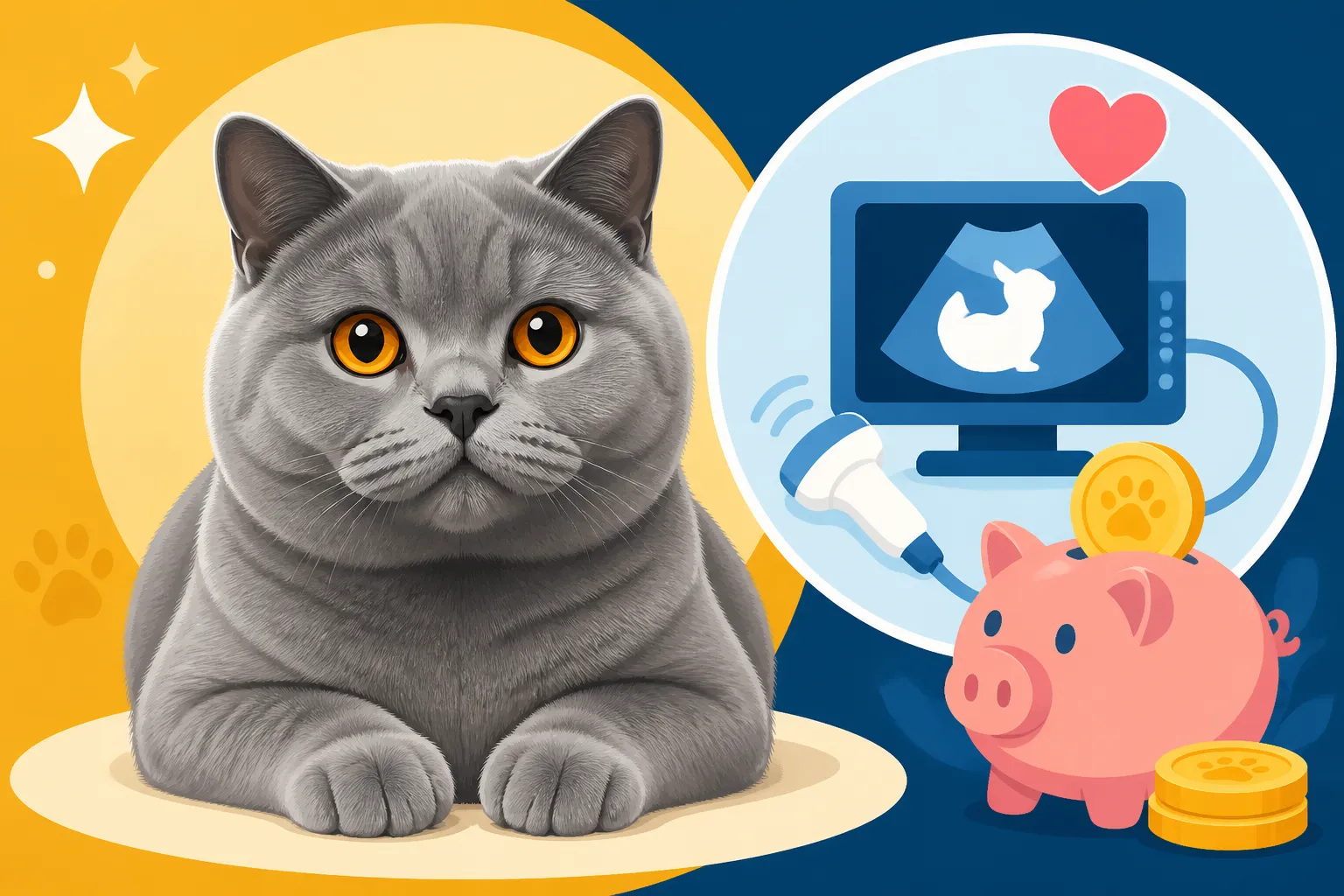
An echocardiogram allows a veterinary cardiologist to visualize the heart's structure, measure the thickness of its walls, assess blood flow, and observe its pumping function in real-time. It's a non-invasive, painless procedure that provides a wealth of critical information that simply cannot be obtained through a stethoscope listen or a general physical exam. While a murmur might be detected during a routine vet visit, a murmur is only a symptom and doesn't tell you the cause or severity; an echo provides the definitive diagnosis.
Deconstructing the Cost of Your British Shorthair's First Echo
The cost of a British Shorthair's first echocardiogram can be a bit of a shock, and it's certainly not a one-size-fits-all figure. Several factors play a significant role in determining the final price tag. Understanding these elements can help you anticipate the expense and make informed decisions about your cat's care.
Factors Influencing the Price of a Cardiac Scan
When you're looking at the bill for a specialized procedure like an echo, it's easy to wonder why it costs what it does. The primary factors influencing the price include the location of the veterinary practice, the type of facility, and the credentials of the veterinary professional performing the scan. A board-certified veterinary cardiologist, for instance, has undergone extensive additional training beyond general veterinary school, specializing specifically in heart conditions. Their expertise comes at a premium, but it also offers the highest level of diagnostic accuracy and interpretation.
Consider the difference between a scan performed by your general practice vet versus a specialist. While your general vet might be capable of performing an echo, a cardiologist has dedicated equipment, more advanced training in subtle cardiac abnormalities, and unparalleled experience in interpreting feline echoes. It's like comparing a family doctor reading an X-ray to a radiologist – both can do it, but the specialist's depth of knowledge is vastly greater. The actual equipment itself is also a significant investment for any clinic, and that cost is naturally factored into the service fees.
What's Typically Included in the Cost
When you pay for a cardiac echo, you're not just paying for the few minutes your cat is on the table. The cost typically covers several components:
- The Scan Itself: This is the time spent by the specialist performing the ultrasound, capturing all the necessary images and measurements.
- Sedation (if necessary): While many British Shorthairs are calm enough for an echo without sedation, some may require a mild sedative to ensure they remain still, especially if it's their first time or they are particularly anxious. The cost of the sedative and its administration will be added.
- Interpretation and Report: The cardiologist doesn't just perform the scan; they meticulously review all the images, compile a detailed report of their findings, and often provide recommendations for follow-up care or monitoring. This expertise is a significant part of the value.
- Brief Consultation: Often, the price will include a brief consultation with the cardiologist to discuss the findings immediately after the scan, or with your primary vet who then interprets the report for you.
Here's a simplified breakdown of potential cost factors:
| Factor | Lower Cost Scenario | Higher Cost Scenario |
|---|---|---|
| Location | Rural area, smaller town | Major metropolitan area, large city |
| Facility Type | General veterinary practice, screening day event | Specialty veterinary cardiology clinic, university hospital |
| Provider | General veterinarian with ultrasound experience | Board-certified veterinary cardiologist |
| Sedation | Not required, cat is calm | Required due to anxiety or movement |
| Follow-up Needs | Healthy cat, annual check-up recommended | Abnormal findings, more frequent re-scans, medication |
It's also worth asking if your breeder offers any kind of health guarantee or assistance with initial screening costs. Reputable breeders often invest heavily in health testing their breeding cats and may provide clarity on What a British Shorthair's First Echo Costs within their kitten contract or offer specific recommendations for affordable, qualified scanning facilities.
Exploring Ways to Manage the Expense
While the cost might seem daunting, there are strategies to help make it more manageable. One common approach is to look for "cardiac screening days" often hosted by specialty clinics or breed clubs. During these events, a cardiologist may offer a reduced rate for quick screening echoes for multiple cats. This can be a significant saving compared to a full diagnostic workup at a regular appointment.
Another consideration is pet insurance. Many owners look into pet insurance providers like Healthy Paws early on in their cat's life. While pre-existing conditions are typically excluded, enrolling your British Shorthair before any heart issues are detected means that future diagnostic tests and treatments for conditions like HCM could be covered, at least partially. It's important to read the policy details carefully to understand what is covered, waiting periods, and deductibles. Thinking ahead about these costs is part of responsible ownership. Whether Insurance Covers a British Shorthair's HCM is a common question, and it usually depends on when you enroll.
Preparing for Your British Shorthair's First Echo
Knowing what to expect can help ease both your and your cat's anxiety about the appointment. A smooth experience not only benefits your British Shorthair but can also contribute to a clearer scan, which means more accurate diagnostic results.
What to Expect at the Appointment
When you arrive for your British Shorthair's echo, the veterinary team will usually take your cat's weight and vital signs. You'll likely be asked about their medical history, any symptoms you've noticed (even subtle ones), and their general demeanor. For the echo itself, your cat will lie on a special table with a cutout, allowing the cardiologist to access their chest with the ultrasound probe. A small area of fur on their chest might be shaved or alcohol applied to ensure good contact for the ultrasound gel, which helps transmit the sound waves.
The procedure itself is non-invasive and generally well-tolerated. Most British Shorthairs, with their typically calm disposition, can undergo the echo without sedation. The room is usually quiet and dimly lit to help keep them relaxed. The cardiologist will methodically scan different views of the heart, taking measurements and capturing images. The entire process usually takes between 20 to 45 minutes, depending on your cat's cooperation and the complexity of the heart's structure. Understanding How a British Shorthair's Echo Is Performed can help you prepare.
How to Help Your British Shorthair Stay Calm
Preparing your British Shorthair for their first echo can make a big difference. The most crucial thing is to ensure they are comfortable with being handled. Practice holding them gently on their side, touching their chest, and generally getting them used to restraint. If your cat is prone to anxiety, discuss this with your vet beforehand. They might recommend a mild calming supplement or a prescription sedative to administer at home before the appointment.
Bringing along a favorite blanket or toy can provide comfort. Keeping your own demeanor calm and reassuring will also rub off on your cat. Remember, cats are highly attuned to our emotions. If you're stressed, they're more likely to be stressed too. Some cats respond well to pheromone sprays or diffusers in the carrier and the examination room. While the echo is being performed, your role is often to simply be a comforting presence, offering quiet praise and gentle strokes.
Beyond the First Echo: Ongoing Screening and Costs
While the first echo is a critical baseline, HCM is a progressive disease, meaning it can develop and worsen over time. Therefore, ongoing screening is an essential part of responsible British Shorthair ownership, especially if your cat is from a breeding line with known HCM or if they show any suspicious signs.
The Schedule for Future Echocardiograms
The recommended frequency for follow-up echocardiograms largely depends on the initial findings and your British Shorthair's age. For a young British Shorthair with a completely clear first echo, annual screening is often recommended, especially for breeding cats. This regular check allows for early detection of any changes, giving you the best chance to intervene if the disease starts to manifest. How Often a British Shorthair Needs an Echo will vary based on individual circumstances.
If the first echo reveals any "equivocal" or borderline changes, your cardiologist might recommend a re-scan in six months rather than a full year to monitor for progression more closely. Cats diagnosed with HCM will require more frequent monitoring, often every 3-6 months, to assess the disease's progression and adjust medication as needed. This long-term commitment to screening means that the "first echo cost" is just the beginning of a potential journey.
Managing Long-Term Heart Health and Associated Costs
Long-term management of HCM can involve various costs, beyond just the echo itself. If your British Shorthair is diagnosed with HCM, they might need daily medications to help manage symptoms, improve heart function, and prevent complications like blood clots. These medications are an ongoing expense. Regular vet visits for blood work to monitor medication levels and overall health will also be necessary. It's truly a marathon, not a sprint, when it comes to managing a chronic condition.
Preventative measures also play a huge role. Maintaining a healthy weight with quality, portion-controlled food can lessen the strain on their heart and joints. Ensure they get enough gentle exercise (even if it's just a short wand-toy session daily) to keep them fit. You can find excellent advice on diet and enrichment for British Shorthairs on reputable pet supply sites like Chewy, which often feature articles and community forums. While it won't prevent HCM, a healthy lifestyle can certainly support overall well-being. Thinking about What a British Shorthair's First Year of Screening Totals can give you a clearer picture of the initial financial commitment.
Ultimately, investing in your British Shorthair's first echo and ongoing cardiac health is an investment in their quality of life and longevity. While the costs can feel significant, the peace of mind that comes with knowing you're doing everything possible to protect their precious heart is invaluable.
Disclaimer
This article is for general informational purposes only and does not constitute professional advice. Laws, prices and regulations vary by location and change over time. Consult a qualified professional for guidance on your specific situation.