Whether a British Shorthair Keeps Growing After Two
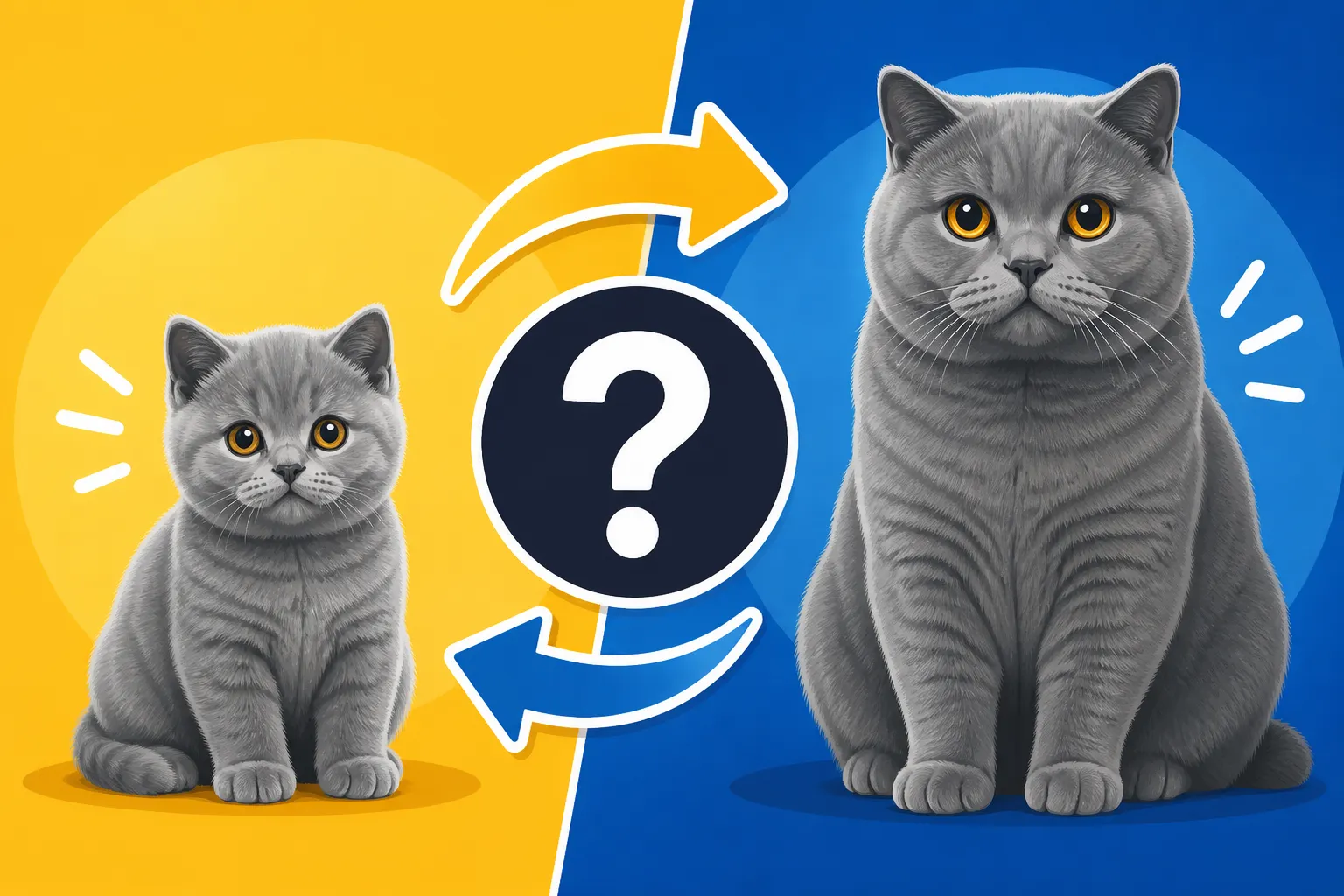
It’s a common moment for British Shorthair owners: you look at your two-year-old, seemingly adult cat, and then you see a photo of a fully mature British Shorthair and think, "Wait, is my cat still growing?" Many people assume that by a year or certainly two, a cat is completely done developing, but with our magnificent, slow-maturing British Shorthairs, that's often just not the case. This guide will delve into the fascinating, extended development of the British Shorthair, explaining what "growing" truly means for them after their second birthday and what to expect as they continue to mature into their iconic, impressive form.
The British Shorthair's Unique Growth Trajectory
When you first bring home a tiny British Shorthair kitten, it seems like they're growing at warp speed, turning from a fluffy little ball into a more substantial young cat almost overnight. You watch them stretch out, gain height, and start to develop that signature roundness. However, if you've been observing closely, you might notice that even at a year old, they don't quite have the full, settled look of an older British Shorthair you see in pictures. This isn't just your imagination; it's a testament to their unique and unhurried development.
Beyond the Kitten Stage: A Slow Burn Development
Most domestic cat breeds reach their full physical height and length by about 12 to 18 months. They might still gain a little muscle or fat, but the basic skeletal structure is typically complete. With British Shorthairs, however, the timeline is notably extended. They are what we call a "slow-maturing" breed, meaning their development takes a more leisurely pace than many of their feline counterparts.
This slow-burn development means that while your British Shorthair might seem outwardly adult at one or even two years, they are far from having fully settled into their mature physique. Owners often feel a bit confused, wondering if they're doing something wrong or if their cat just isn't going to get that classic "teddy bear" look. Rest assured, this extended period of growth is entirely normal for the breed and is part of what makes them so special. It's not about them getting taller or longer, but about a much more nuanced process of filling out and maturing.
The Myth of Two Years: When "Full Size" Is Misleading
The idea that a cat is "full size" by two years old is a pervasive myth, especially when it comes to British Shorthairs. While they might be close to their final height and length by that age, calling them "full size" ignores a significant portion of their physical maturation. Think of it like a human teenager: they might reach their adult height in their mid-teens, but their body continues to develop and fill out with muscle and density well into their early twenties.
For a British Shorthair, the period between two and five years old is absolutely crucial for them to achieve their characteristic cobby body, dense bone structure, and powerful musculature. It’s during these years that they really start to "bulk up" in a healthy, breed-appropriate way, moving beyond a lanky young adult stage into the truly magnificent, substantial cat we all adore. So, if your two-year-old British Shorthair still looks a bit "teenage," don't fret; they're simply taking their sweet time to become their best, most glorious self.
What "Growing" Really Means for a British Shorthair After Two
When we talk about a British Shorthair "growing" after two years, we're not typically discussing linear growth like adding inches to their height. Instead, it's a profound process of refinement, densification, and the development of those iconic breed characteristics that make them so recognizable. It's a maturation that happens on a deeper, more structural level.
Filling Out: The Development of the Iconic Cobby Body
The hallmark of the British Shorthair is its "cobby" body type – a stocky, muscular, well-rounded build that feels surprisingly solid when you pick them up. This isn't something that happens overnight. After the age of two, your British Shorthair will continue to gain muscle mass, their chest will broaden, and their bone structure will become even more substantial. They’ll lose some of that youthful slimness and begin to solidify into the dense, powerful form expected of the breed.
This filling out is a slow, steady process. It’s about building foundational strength and the characteristic heft that contributes to their teddy bear-like appearance. You might notice their paws seem bigger, their legs thicker, and their overall presence more imposing. It's a healthy and natural progression, as long as it's accompanied by good muscle tone and not just an accumulation of excess fat. This is the period when they achieve the ideal What a British Shorthair Should Weigh at Two Years, and then often continue to mature for several more years beyond that initial two-year mark.
Head and Cheek Development: The Beloved "Teddy Bear" Look
Perhaps one of the most charming aspects of a fully mature British Shorthair is their wonderfully round head and full cheeks, which give them that unmistakable "teddy bear" expression. While their head shape is certainly present from kittenhood, the true breadth and roundness, especially the development of prominent jowls in males, takes a considerable amount of time to fully manifest. Many owners are surprised to see just how much their cat's face continues to develop well into their third, fourth, or even fifth year.
For male British Shorthairs, these jowls, which are essentially developed cheek muscles and fat pads, are a sign of robust maturity and testosterone. They contribute significantly to the breed's distinctive appearance and the impression of a powerful, broad-faced cat. Even females, while not developing the same prominent jowls, will see their faces broaden and round out further, enhancing their already adorable expressions. Understanding What Jowls Are on a Male British Shorthair can help you appreciate this particular aspect of their continued growth and maturation.
Coat Maturation: Density and Plushness
The British Shorthair’s coat is another defining feature: short, dense, and wonderfully plush, standing away from the body almost like a velvet cushion. While a kitten's coat is soft and lovely, it continues to thicken and develop in density long after their second birthday. This isn't just about length or texture, but about the sheer volume and resilience of the fur itself.
A truly mature British Shorthair coat feels like a deep pile carpet, offering exceptional insulation and a visually lush appearance. As your cat ages past two, you'll notice their coat becoming even more luxurious, contributing to their overall solid and substantial look. This continued development adds to their aesthetic appeal and also plays a role in their tactile charm, making them even more irresistible to stroke. You can learn more about How Dense a British Shorthair's Coat Is and how it contributes to their unique look.
Factors Influencing Post-Two Year Maturation
While the extended growth period is a hallmark of the British Shorthair, several factors can influence just how and when this maturation takes place. It’s not a one-size-fits-all process, and understanding these influences can help you appreciate your individual cat’s journey.
Genetics and Lineage: The Blueprint for Growth
Just like with humans, genetics play a monumental role in determining a British Shorthair's ultimate size, shape, and developmental timeline. The lineage of your cat, including the size and conformation of its parents and even grandparents, provides a strong blueprint for how they will mature. Cats from lines known for larger, more cobby builds will typically continue to fill out longer and more substantially than those from smaller lines.
A responsible breeder will be able to give you insights into the typical growth trajectory of their lines, often showcasing pictures of mature cats from previous litters or the parents themselves. They understand that patience is key when it comes to British Shorthair development. Knowing Whether Parents Predict a British Shorthair's Size can give you a good indication of what to expect, though individual variation is always possible. This genetic predisposition means that some British Shorthairs will truly peak in their development closer to four or five years of age.
Nutrition and Diet: Fueling Healthy Development
Proper nutrition is absolutely critical throughout a British Shorthair's life, and especially during these extended maturation years. While they might no longer be on kitten food, their diet still needs to support muscle development, bone density, and overall health without promoting unhealthy weight gain. High-quality protein is essential for muscle growth, and a balanced diet ensures they get all the necessary vitamins and minerals for robust development.
The challenge, as many British Shorthair owners know, is that these cats love to eat. They will quite literally eat whatever you put down, making portion control a critical aspect of their care. Providing appropriate adult cat food, whether it’s a high-quality kibble or a balanced wet food, is key. Many owners find great options at online retailers like Chewy, offering a wide range of specialized diets. Discussing How Many Calories a British Shorthair Needs a Day with your vet can help you tailor their meals to their specific needs during this filling-out phase, ensuring they gain muscle and density, not just fat.
Spay/Neuter Status: Hormonal Impact on Development
The timing of spaying or neutering can also have an impact on a British Shorthair's development, particularly in males. Intact males will often develop more prominent jowls and a broader head due to the influence of testosterone. While neutering at the recommended age (typically around 6 months) is essential for health and preventing unwanted litters, it can subtly alter the extent of this specific facial development.
Neutered males may still develop good jowls, but they might not reach the sheer magnitude seen in some intact males. More significantly, neutering affects metabolism, often leading to a propensity for weight gain. This means that while your British Shorthair is still filling out and maturing, you must be extra vigilant about their diet and activity levels to ensure this development is healthy muscle and bone, not excess fat. Whether Neutering Early Stunts a British Shorthair is a common concern, but while it can influence proportions or metabolism, it doesn't generally prevent them from achieving their full, cobby adult form over time.
Monitoring Your British Shorthair's Continued Development
Since British Shorthairs continue to fill out well past their second birthday, monitoring their development becomes an ongoing process. It’s about ensuring they’re achieving that healthy, cobby build without veering into obesity, a common challenge for this breed.
Weight Management: Distinguishing Growth from Excess
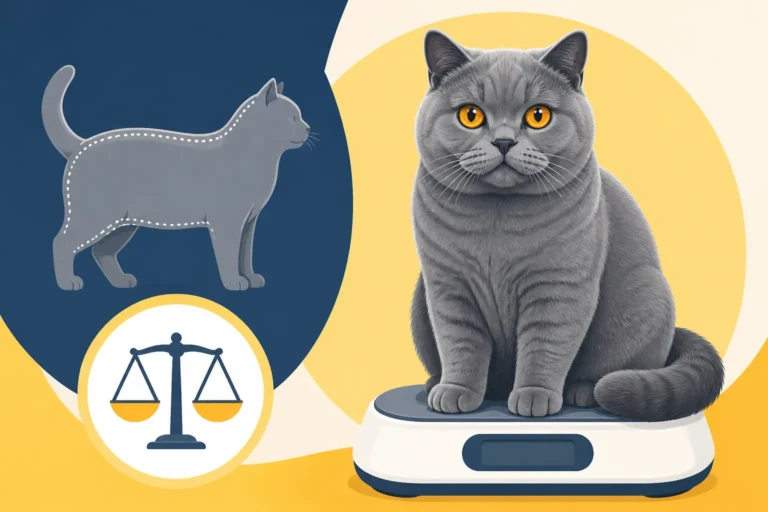
This extended period of filling out makes diligent weight management absolutely paramount for British Shorthair owners. It’s easy to confuse healthy, breed-typical weight gain and muscle development with the onset of obesity. The key is to understand the difference between a naturally substantial cat and one that is simply overweight. A healthy British Shorthair feels solid and muscular, but you should still be able to feel their ribs with gentle pressure, and they should have a discernible waist when viewed from above, even if subtle due to their plush coat.
Regularly weighing your cat and performing a body condition score (BCS) at home can help you stay on track. If you notice a sudden or excessive increase in weight, or if you can no longer easily feel their ribs, it’s time to adjust their diet and activity. It’s a fine line to walk, as you want them to fill out appropriately, but not become fat. Learning How to Tell a Chunky British Shorthair From a Fat One is a crucial skill for every owner of this breed.
Regular Vet Check-ups: Professional Insights
Routine veterinary check-ups are always important, but they become especially valuable during these prolonged developmental years. Your veterinarian can offer objective insights into your British Shorthair's body condition, distinguishing between healthy growth and problematic weight gain. They can also advise on appropriate caloric intake for a maturing adult cat and suggest ways to encourage activity without overexerting your usually calm companion.
Beyond weight, these check-ups are opportunities to monitor overall health, dental hygiene, and any potential breed-specific health concerns. For a slow-maturing breed, ensuring their joints, heart, and other systems are developing well is vital. Pet insurance, such as Healthy Paws, can be incredibly beneficial in managing the costs associated with these regular health screenings and any unexpected issues that might arise during their extended developmental phase. These professional assessments, at least once a year, are critical for How Often a British Shorthair Needs a Wellness Exam to ensure a long, healthy life.
British Shorthair Growth Stages: A Comparison
To help clarify the extended development of the British Shorthair compared to a typical domestic cat, here's a brief overview of their general growth milestones. Remember, these are averages, and individual cats will vary.
| Age | Typical Domestic Cat Growth | British Shorthair Growth | Key Difference |
|---|---|---|---|
| 0-6 Months | Rapid growth in height & length | Rapid growth in height & length, but often slower to gain "chunky" appearance. | Both grow fast, but BSH start to show early signs of a more substantial frame. |
| 6-12 Months | Reaches near-adult height/length; starts to fill out slightly. | Nears final height/length, but still lean; begins to show hints of future cobby body. | BSH often remain "lanky" or "teenage" longer. |
| 1-2 Years | Considered fully grown; minor filling out. | Still actively filling out in muscle and bone density; head and jowls (males) developing further. | Most cats are done; BSH are just hitting their stride in physical maturation. |
| 2-5 Years | Maintains adult size and weight. | Peak maturation period. Significant development of cobby body, broad chest, dense musculature, full jowls (males), and plush coat. | This is the crucial window where BSH achieve their iconic, fully developed appearance. They don't just maintain; they actively build. |
| 5+ Years | Mature adult. | Fully mature adult; maintains peak physique, often becomes even more substantial and impressive. | Continues to look robust and powerful, a testament to their slow and steady development. |
The most important takeaway from this table is that while other breeds might be "done" by two, your British Shorthair is simply enjoying a longer, more gradual journey to their full majestic potential.
Conclusion
So, does a British Shorthair keep growing after two? The answer is a resounding yes, though perhaps not in the way you might initially imagine. While their linear growth in height and length largely tapers off around this time, their true maturation, the process of filling out into that distinctively cobby, muscular, and round-headed "teddy bear" physique, is a journey that continues for several more years. They are a breed that truly takes their time, blossoming into their full glory around three to five years of age. This extended development is part of what makes them so captivating and unique. With proper nutrition, regular veterinary care, and diligent weight management, you can help your beloved British Shorthair mature into the magnificent, solid companion they are destined to be.
Disclaimer
This article is for general informational purposes only and does not constitute professional advice. Laws, prices and regulations vary by location and change over time. Consult a qualified professional for guidance on your specific situation.