What a Cinnamon British Shorthair Costs
If you’ve been scrolling through pictures of British Shorthairs, you've probably fallen head over heels for their adorable teddy bear looks and calm demeanor. But if a rare, striking cinnamon-colored British Shorthair has caught your eye, you're likely wondering what sort of financial commitment comes with bringing home such a uniquely beautiful feline. It's a valid question, as the cost can vary significantly, and understanding those nuances is key to making a responsible and joyful decision.
The Allure of the Cinnamon British Shorthair
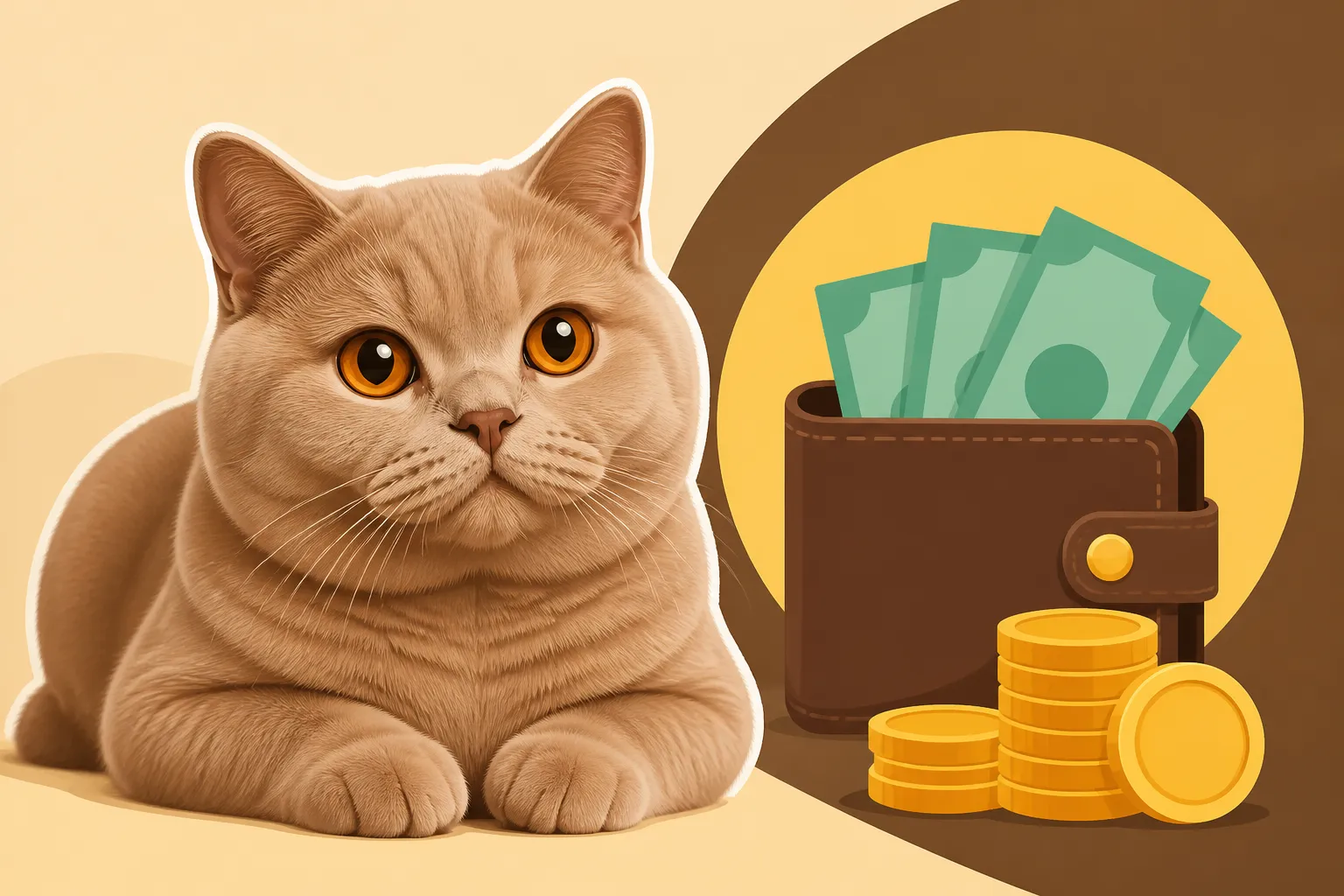
There’s something truly captivating about a cinnamon British Shorthair. It’s not just their plush, dense coat that draws you in, but the rich, warm, reddish-brown hue that makes them stand out in a crowd of blues and lilacs. This isn't a color you see every day, and that rarity alone makes them incredibly desirable to enthusiasts and prospective pet parents alike. When you envision the classic British Shorthair, often it's a solid blue that comes to mind, but the cinnamon offers a delightful twist on that familiar charm, radiating a certain warmth and distinctive elegance that's hard to ignore.
Why Cinnamon Stands Out
The cinnamon color is a true showstopper. Unlike the ubiquitous blues and increasingly popular lilacs, cinnamon offers a distinct, almost spicy warmth to the British Shorthair's already endearing appearance. It’s a color that evokes images of cozy autumn days and warm spices, making it incredibly appealing to those looking for something a bit different. This unique shade isn't just about aesthetics; it tells a story of careful breeding and genetic understanding. Because it's less common, a cinnamon British Shorthair automatically carries an air of exclusivity, making it a highly sought-after variant within the breed.
The visual impact of a cinnamon British Shorthair is undeniable. Their eyes, often a brilliant copper, really pop against the rich, reddish-brown fur, creating a stunning contrast. This isn't just a slightly different shade; it's a completely different aesthetic that offers a fresh take on the classic British Shorthair look. Many people are genuinely surprised and delighted when they first encounter a cinnamon British Shorthair, often exclaiming about its unusual beauty. This "wow" factor contributes significantly to their demand and, consequently, their perceived value.
Understanding Color Genetics and Rarity
The reason cinnamon British Shorthairs aren't as common as their blue or lilac counterparts lies deep within their genetics. Cinnamon is actually a dilute of the chocolate gene, and both chocolate and cinnamon are recessive colors. This means that a cat needs to inherit two copies of the gene (one from each parent) to express the cinnamon color. If a cat only inherits one copy, it will be a carrier, capable of passing the gene on, but not displaying the color itself. This genetic lottery makes consistently breeding cinnamon cats a challenge, requiring breeders to have a deep understanding of feline genetics and carefully selected breeding pairs.
This inherent genetic rarity translates directly into availability and cost. Fewer breeders are working with the chocolate and cinnamon lines, meaning fewer kittens are born with this specific coat color. When supply is limited and demand is high for a unique trait, the price naturally reflects that scarcity. Breeders who successfully produce healthy, well-typed cinnamon British Shorthairs have invested significant time, resources, and knowledge into achieving those results, and this specialized effort is naturally factored into the kitten's price. It's not just about the color; it's about the expertise required to produce it.
Factors Influencing the Price of a Cinnamon British Shorthair Kitten
The price tag on a British Shorthair kitten, especially one as rare as a cinnamon, isn't just pulled out of thin air. It’s a reflection of a multitude of factors, each contributing to the overall cost and, more importantly, to the quality and health of the kitten you bring home. Understanding these factors can help you appreciate why responsible breeders price their kittens the way they do, and why a "bargain" often comes with hidden, heartbreaking costs later on.
Breeder Reputation and Ethics
The cornerstone of a healthy, well-adjusted British Shorthair kitten is a reputable and ethical breeder. These aren't hobbyists who just let their cats have kittens; they are dedicated individuals who invest heavily in their breeding program. This includes extensive health screening of parent cats, ensuring proper nutrition for queens and kittens, providing a clean and enriching environment, and socializing kittens from birth. All these efforts, which are absolutely crucial for the well-being of the cats, add to the breeder's overhead and are ultimately reflected in the kitten's price. When a breeder can show you transparent health records and discuss their practices openly, you know your investment is going towards a kitten bred with integrity.
A reputable breeder will often have a waiting list, especially for rarer colors like cinnamon, because their kittens are in high demand due to their proven quality and health. They prioritize the long-term health and temperament of their cats over quick sales. They’ll also be a valuable resource for you throughout your cat's life, offering guidance and support. It's truly a disservice to the breed and prospective owners to cut corners on these crucial aspects. Remember, a British Shorthair can live for The Twelve to Seventeen Years a British Shorthair Gets, and you want those years to be as healthy and happy as possible, which starts with an ethical breeder.
Health Screening and Veterinary Care
One of the most significant investments a responsible British Shorthair breeder makes is in comprehensive health screening for their breeding cats. This isn't just a simple vet check-up; it involves specific tests for breed-predisposed conditions. For British Shorthairs, this includes regular echocardiograms (heart ultrasounds) to screen for Hypertrophic Cardiomyopathy (HCM), a prevalent heart disease. They should also be tested for Polycystic Kidney Disease (PKD), though thankfully a DNA test for PKD1 has largely eradicated this from responsible lines. Blood typing is also essential, especially given Blood Type B and the British Shorthair Kittens It Kills.
These health tests are expensive, and a breeder typically performs them yearly or biennially on all breeding adults. For example, What a British Shorthair's Yearly Echo Costs can be substantial. Beyond genetic screening, kittens receive their initial veterinary check-ups, necessary vaccinations (like those outlined in What a British Shorthair Kitten's Vaccination Course Costs), deworming treatments, and often a microchip. Many ethical breeders also include the cost of early spay or neuter in their kitten price, ensuring that pet-quality kittens go to homes already altered, preventing accidental or irresponsible breeding. This extensive upfront veterinary care drastically reduces the likelihood of future health problems, saving you heartache and potentially enormous vet bills down the road.
Pedigree and Registration
A British Shorthair with a verifiable pedigree from a recognized cat registry (such as the CFA, TICA, or GCCF) offers assurance of its purebred lineage and adherence to breed standards. This registration means the cat's ancestry can be traced back through generations, confirming that it is indeed a true British Shorthair, not a mixed breed or a cat simply resembling the breed. For a rare color like cinnamon, this pedigree is even more crucial, as it validates the specific genetic line that produces the desired coat. The cost of maintaining a registered cattery, including registration fees for individual cats and litters, contributes to the overall price of a kitten.
Furthermore, the quality of a kitten's pedigree, often reflected by the success of its ancestors in cat shows, can influence its price. A kitten from a line of Grand Champions or Regional Winners will typically command a higher price than one from a less decorated lineage, even if both are pet quality. This isn't just about bragging rights; it indicates that the breeder is consistently producing cats that meet or exceed the breed standard, which is particularly important for less common colors to maintain their specific traits. While most buyers are looking for a beloved pet, the value of a strong pedigree signifies the breeder's dedication to the breed's excellence, which is a testament to the overall quality of your future companion.
Location and Availability
Where you are located, and where the breeder is located, can also play a significant role in the price of a cinnamon British Shorthair. Breeders in areas with a higher cost of living may have higher operational expenses, which can be reflected in their kitten prices. Similarly, if there are very few breeders specializing in cinnamon British Shorthairs in your region, the limited local supply can drive prices up due to less competition and higher demand from local buyers. Sometimes, you might find breeders in different states or even countries, which introduces the additional costs and complexities of travel or shipping, quarantine, and import regulations.
The inherent rarity of the cinnamon color itself makes these kittens less available than more common colors like blue or cream. You might find fewer breeders advertising cinnamon kittens at any given time, leading to potentially longer waitlists. This scarcity means that when a cinnamon litter is available, breeders are less likely to discount the price, knowing that there's a strong demand for these unique cats. It's often a waiting game, and patience is a virtue when seeking a specific, rare color from a reputable source.
Expected Price Range and Value for Money
When considering a British Shorthair, particularly a rare and stunning cinnamon, it's natural to wonder about the financial outlay. While I can't give you exact figures, I can certainly describe the landscape of pricing, helping you understand where a cinnamon falls within the overall spectrum. Remember, what you pay upfront is often just the beginning of your financial journey with your feline friend.
The General Cost Spectrum for British Shorthairs
Generally speaking, What a British Shorthair Kitten Costs From a Breeder can vary quite a bit, but it’s rarely a small sum. For a healthy, well-socialized British Shorthair kitten from a reputable breeder, you should expect a significant investment. Common colors like blue or lilac often represent the mid-to-high range of this investment, as these are the most frequently bred and recognized shades. As you move into rarer or more specialized colors, such as chocolate, golden, or particularly cinnamon, the price tends to climb towards the upper end of that spectrum. This isn't just arbitrary; it reflects the specialized breeding knowledge and often the extended wait times associated with producing these unique colors.
It's also crucial to remember that the initial purchase price is merely the first financial step. The true cost of ownership spans Fifteen Years of a British Shorthair, Priced Out, covering everything from food and litter to annual vet check-ups and potential medical emergencies. Investing in a kitten from health-tested parents minimizes the risk of expensive health issues later on, offering a form of "insurance" against significant future costs. A lower upfront price often signals that essential screenings or care might have been skipped, leaving you vulnerable to much larger expenses.
Why Cinnamon Commands a Premium
As we've discussed, the cinnamon British Shorthair isn't just pretty; it's a testament to specific genetic lines and dedicated breeding. Because the genes for chocolate and cinnamon are recessive, it requires a careful understanding of lineage and often the retention of specific breeding cats to consistently produce this color. This specialization means fewer breeders can offer cinnamon kittens, creating a higher demand for the limited supply. The exclusivity and unique appeal of the color also contribute to its premium pricing. It's similar to how certain rare gems command higher prices than more common stones – the beauty is part of it, but the rarity and effort to find or produce it are major drivers.
To illustrate the difference in typical price positioning, here's a general overview:
| British Shorthair Color | Availability | Typical Price Positioning |
|---|---|---|
| Blue | High | Mid-High |
| Lilac | Medium | Mid-High |
| Cream / Red | Medium | Mid-High |
| Black / White | Medium | Mid-High |
| Silver Tabby | Medium | Mid-High |
| Chocolate | Low | High |
| Cinnamon | Very Low | Premium High |
| Golden | Very Low | Premium High |
| Colorpoint | Low | High |
Note: This table reflects relative availability and general price positioning, not specific figures.
Beyond the Purchase Price: Lifetime Costs
Bringing home any cat, especially a purebred British Shorthair, is a long-term commitment that extends far beyond the initial purchase. You'll need to factor in ongoing expenses for quality food that caters to their nutritional needs, and the right kind of litter for a substantial cat. Then there are the regular veterinary visits for preventive care, vaccinations, and dental health. Don't forget toys, scratching posts, and cozy beds for your calm companion. Over What a British Shorthair Costs Over Its Lifetime, these essentials truly add up.
Many owners opt for pet insurance, which can be a lifeline if unexpected health issues arise. Companies like Healthy Paws offer various plans that can help manage the costs of unforeseen accidents or illnesses, easing the financial burden should your beloved cat need extensive medical treatment. Consider the peace of mind knowing you're prepared for major expenses, such as managing potential heart issues or other breed-specific conditions that might come up over time, like What a British Shorthair's Heart Failure Costs at the End. Stocking up on everyday essentials from online retailers like Chewy can also help you manage your budget and ensure you always have what your British Shorthair needs. It's about budgeting not just for the cat, but for a lifetime of care.
Making an Informed Decision
Deciding to welcome a cinnamon British Shorthair into your home is a big step, filled with excitement and anticipation. However, making an informed decision is paramount to ensuring both your happiness and the well-being of your future feline family member. This means doing your homework, asking the right questions, and understanding the protections you should expect from a reputable breeder.
Questions to Ask a Breeder
When you're speaking with a breeder, especially one who breeds rarer colors like cinnamon, it's important to come armed with a list of thoughtful questions. Don't be shy; a good breeder welcomes your curiosity and transparency. Ask them about their specific breeding goals for the cinnamon color, and what efforts they put into maintaining good health and temperament within their lines. Inquire about the health testing protocols for both parents – specifically asking to see recent echocardiogram results for HCM, and DNA test results for PKD. They should be transparent and proud of their health screening efforts. You should also ask to see where the kittens are raised and how they are socialized, as early experiences profoundly shape a kitten's personality and confidence.
Other important questions, as highlighted in Which Questions to Ask a British Shorthair Breeder, include asking about the kitten's vaccination and deworming schedule, what food they are currently eating, and whether they will be spayed or neutered before going home. A reputable breeder will provide you with a comprehensive kitten package, often including a health guarantee, vet records, and perhaps even a small bag of their current food. Be wary of any breeder who is reluctant to answer your questions thoroughly, cannot provide health documentation, or pressures you into a quick sale without proper vetting. These are significant red flags that could indicate a less-than-ethical operation, potentially leading to heartache and financial strain down the road.
The Importance of a Contract
A well-written contract from a breeder isn't just a formality; it's a vital document that protects both you, the buyer, and the kitten you're adopting. This contract should clearly outline the responsibilities of both parties. For instance, it should detail the health guarantee provided by the breeder, specifying conditions under which a kitten can be returned or replaced if a serious genetic health issue arises within a certain timeframe. Many contracts also include a spay/neuter clause, stipulating that a pet-quality kitten must be altered by a certain age, with proof provided to the breeder. This is crucial for preventing irresponsible breeding and protecting the integrity of the breed.
Beyond health and alteration clauses, a good contract might also include provisions about what to do if you can no longer care for the cat at any point in its life, often requiring that the cat be returned to the breeder or that the breeder be involved in finding a new home. This demonstrates a breeder's lifelong commitment to their cats, ensuring none of their charges end up in shelters. Reviewing this document carefully and asking for clarification on any points you don't understand is essential. It's a legal agreement that safeguards your investment and, most importantly, secures the future well-being of your beloved cinnamon British Shorthair.
Is a Cinnamon British Shorthair Worth the Investment?
Ultimately, the question of whether a cinnamon British Shorthair is "worth" its price tag is deeply personal. For many, the unique beauty, calm temperament, and loyal companionship of a well-bred British Shorthair are priceless. They become cherished family members, bringing joy and a quiet presence to the home. The initial investment, particularly for a rare color like cinnamon, is a reflection of the dedicated work, genetic understanding, and extensive health precautions undertaken by responsible breeders. This upfront cost is, in essence, an investment in a healthy, well-socialized pet with a predictable temperament and a long, happy life ahead.
While the numbers can seem daunting at first, consider the long-term perspective. A healthy cat from a reputable breeder minimizes the risk of costly medical issues that can arise from poor breeding practices. Furthermore, the unique aesthetic appeal and charming personality of a British Shorthair, especially one as distinctive as a cinnamon, contribute to an enrichment of your life that truly can’t be quantified in monetary terms. When you weigh all the factors, from the genetic rarity and breeder's expertise to the lifelong companionship and joy, many British Shorthair owners would unequivocally agree that Whether a British Shorthair Is Worth the Money is a resounding yes. The warmth, the cuddles, and that distinctive teddy bear gaze from your cinnamon companion will undoubtedly prove to be a treasure beyond measure.
Disclaimer
This article is for general informational purposes only and does not constitute professional advice. Laws, prices and regulations vary by location and change over time. Consult a qualified professional for guidance on your specific situation.