Why a Male British Shorthair Blocks
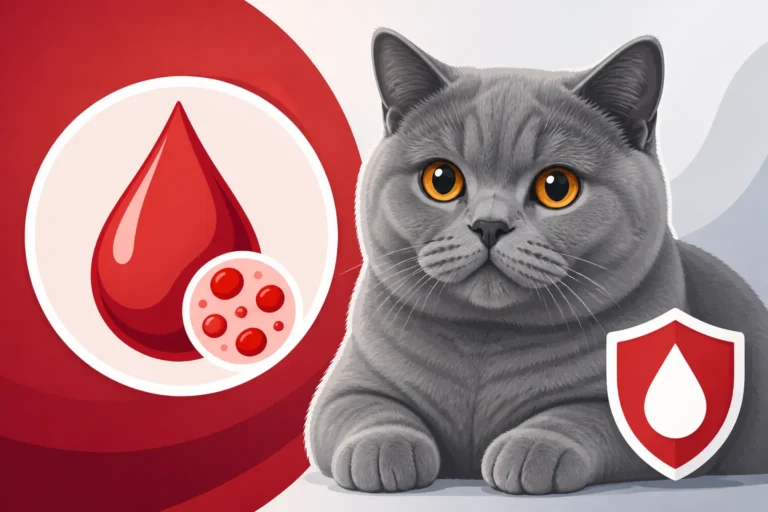
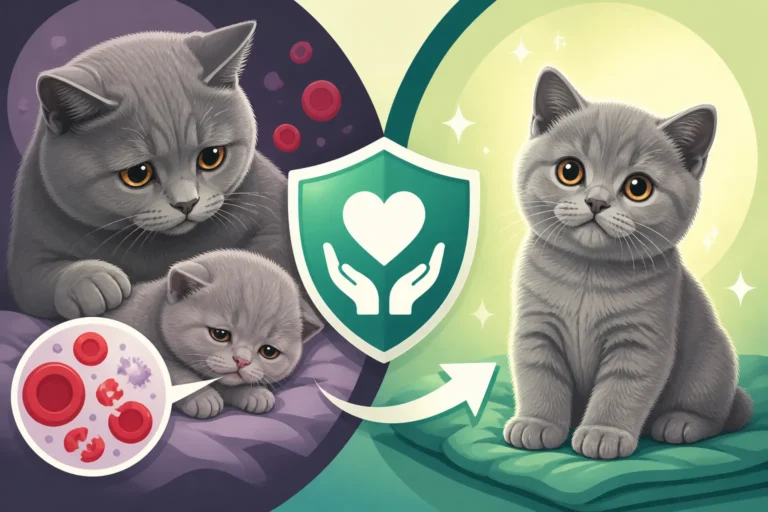
It's every cat parent's worst nightmare: you find your beloved male British Shorthair straining in the litter box, crying out, or perhaps worse, not producing any urine at all. This terrifying situation, often signaling a urinary blockage, is a life-threatening emergency that can strike quickly and without much warning. It's a truly gut-wrenching experience to see your typically stoic companion in such distress, and it leaves you desperate for answers and swift solutions. This guide will walk you through why male British Shorthairs are particularly susceptible to this issue, how to spot the critical signs, and what urgent steps you need to take to save your cat’s life, alongside strategies for prevention.
The Unique Vulnerability of Male British Shorthairs
Male cats, especially those with broader builds like our British Shorthairs, are unfortunately more prone to developing urinary blockages than their female counterparts. This isn't just bad luck; it's rooted in their anatomy. Understanding this inherent vulnerability is the first step in recognizing and preventing a potential crisis.
Anatomical Factors and Breed Predisposition
The urethra, the tube that carries urine from the bladder out of the body, is naturally narrower and longer in male cats compared to females. Imagine trying to push a larger object through a smaller, longer pipe – it’s just more likely to get stuck. For a British Shorthair, who might already have a slightly more "cobby" body type that sometimes correlates with other anatomical nuances, this becomes a critical consideration. While there's no specific genetic link to blockages unique to the British Shorthair, their calm, sometimes sedentary nature can also contribute, as less activity can mean less frequent urination and a higher chance for sediment to build up.
This anatomical difference means that even a small crystal, a plug of mucus, or some inflammatory debris can completely obstruct the flow of urine in a male British Shorthair, leading to a dangerous backup. In contrast, a female cat’s wider, shorter urethra often allows these small blockages to pass more easily, reducing the risk of a full obstruction.
Common Underlying Causes of Blockages
Urinary blockages are almost always a symptom of Feline Lower Urinary Tract Disease (FLUTD), a broad term encompassing several conditions affecting the bladder and urethra. It's not a single disease but rather a collection of issues that manifest with similar, distressing symptoms.
Feline Idiopathic Cystitis (FIC)
One of the most frequent culprits, especially in younger to middle-aged cats, is Feline Idiopathic Cystitis (FIC). "Idiopathic" is just a fancy way of saying "we don't know the exact cause." What we do know is that FIC is often linked to stress. Changes in routine, new pets, visitors, even moving furniture can trigger a flare-up in sensitive British Shorthairs. When FIC strikes, the bladder lining becomes inflamed, causing pain, frequent urination, and sometimes the production of mucus plugs. These plugs, especially when combined with tiny crystals, can become firm enough to lodge in the narrow male urethra, leading to a blockage. The stress response itself seems to impact the bladder, making it more permeable and allowing irritants to cause inflammation. It’s a vicious cycle where discomfort can lead to more stress, exacerbating the problem.
Urinary Crystals and Stones
Another significant cause involves urinary crystals or stones. These form in the bladder when certain minerals in the urine become too concentrated. Struvite crystals, composed of magnesium ammonium phosphate, are common and often associated with alkaline urine. Calcium oxalate crystals, on the other hand, tend to form in more acidic urine. While crystals are not always problematic on their own, when they clump together with mucus and cellular debris, they form a urinary plug, which is a major cause of blockages. If these crystals grow large enough, they can form stones (calculi) that can also cause obstructions or severe inflammation. Diet plays a massive role here, as certain foods can predispose cats to forming specific types of crystals. Regularly ensuring your cat drinks enough water, which we cover in How Much Water a British Shorthair Should Drink, is crucial in preventing crystal formation.
Bacterial Infections and Tumors
Though less common as primary causes of blockages in male cats, bacterial urinary tract infections (UTIs) can occur, leading to inflammation and debris that contribute to a blockage. In older cats, urinary blockages can sometimes be caused by urethral or bladder tumors. These growths, benign or malignant, can physically obstruct the urethra or lead to significant inflammation and bleeding, creating plugs. While less frequent, these possibilities underscore why a thorough veterinary diagnosis is absolutely essential when a blockage occurs.
Recognizing the Critical Signs of a Blockage
Identifying the signs of a urinary blockage quickly is literally a matter of life or death. British Shorthairs are notoriously stoic, often hiding their pain and discomfort until a situation becomes dire. This makes it even more crucial for owners to be vigilant and aware of subtle changes in behavior.
Behavioral Changes to Watch For
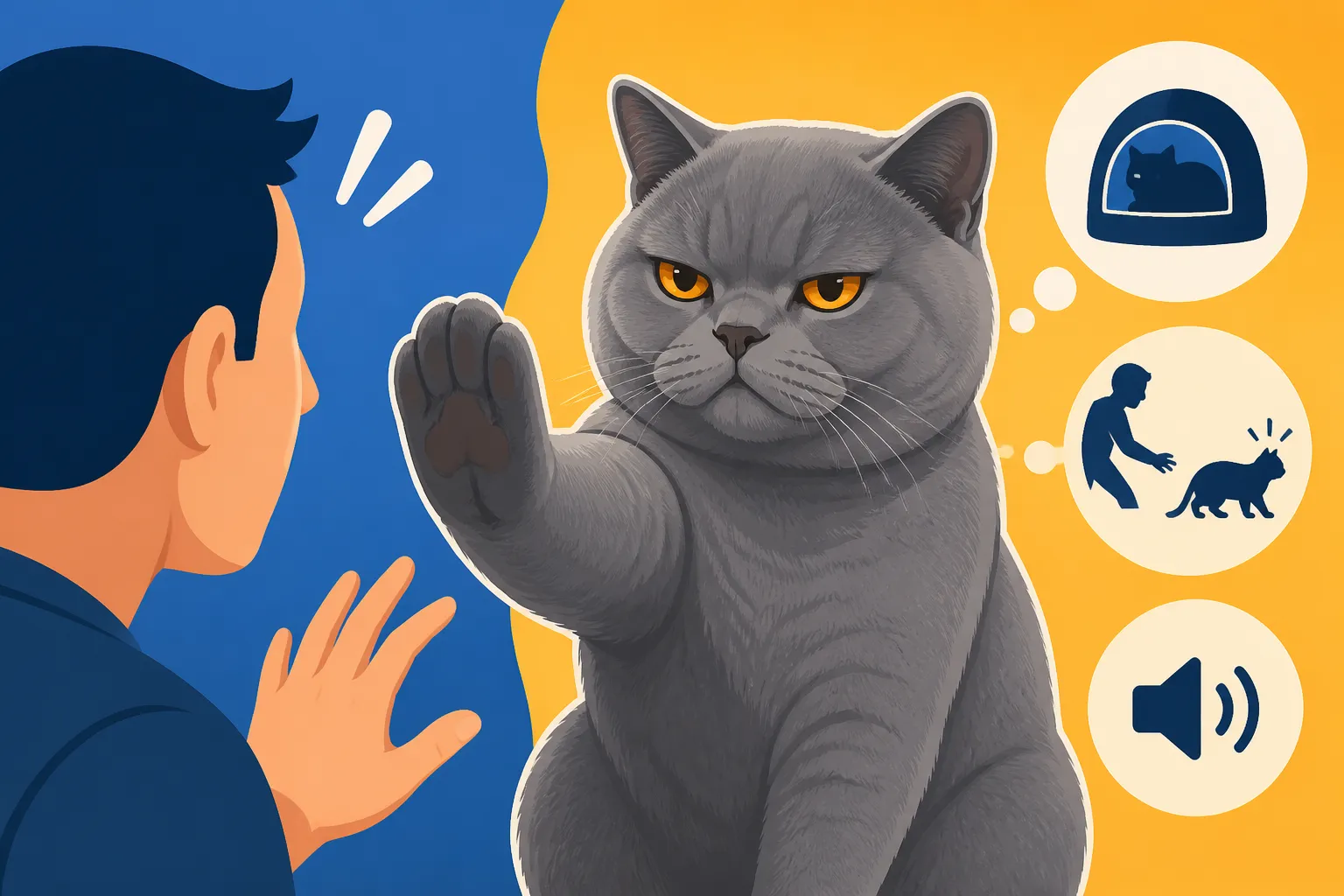
The first place most owners notice a problem is around the litter box. Your British Shorthair might start making frequent trips, straining hard, but producing little to no urine. It’s heart-wrenching to witness. They might cry out in pain while attempting to urinate, or even start urinating outside the box in unusual places, not out of spite, but because the intense discomfort makes them associate the litter box with pain.
Beyond the litter box, you might see a general shift in their demeanor. They could become withdrawn, lethargic, and less interested in food or play. Hiding more than usual, an increased reclusiveness, or becoming unusually irritable when touched, especially around their abdomen, are all major red flags. Remember, a British Shorthair is usually a calm, affectionate cat, so any marked change in their typical behavior, particularly combined with litter box issues, demands immediate attention. Even seemingly unrelated signs like changes in appetite, as detailed in Signs a British Shorthair Is Unwell, can sometimes point to a systemic problem.
Physical Indicators of Distress
As the blockage progresses, more severe physical signs will become apparent. Your cat's abdomen might feel tense and painful to the touch, especially around the bladder area. If you gently feel their lower belly, you might even detect a firm, enlarged bladder, which indicates urine is building up. Vomiting can occur as toxins accumulate in the bloodstream, and they might appear generally weak or unsteady.
Perhaps the most alarming sign is difficulty breathing, which can manifest as rapid, shallow breaths or open-mouthed breathing, indicating that their kidneys are failing to filter toxins, and these toxins are now affecting their entire system. Their gums might also appear pale or bluish. These are all signs of a full-blown emergency, indicating kidney failure and a build-up of potassium, which can lead to cardiac arrest. At this stage, time is of the absolute essence.
Here's a quick reference table for key signs:
| Symptom Category | Specific Signs | Urgency Level |
|---|---|---|
| Litter Box Habits | Frequent trips to the litter box | High |
| Straining to urinate with little or no urine produced | Immediate Vet | |
| Crying or vocalizing in pain while attempting to urinate | Immediate Vet | |
| Urinating outside the litter box | High | |
| Behavioral Changes | Lethargy, withdrawal, hiding | High |
| Loss of appetite or thirst | High | |
| Restlessness or agitation | High | |
| Increased irritability, especially when touched | High | |
| Physical Symptoms | Painful or tense abdomen | Immediate Vet |
| Enlarged, firm bladder (can be felt gently on lower abdomen) | Immediate Vet | |
| Vomiting | Immediate Vet | |
| Weakness, stumbling, collapse | Immediate Vet | |
| Difficulty breathing (rapid, shallow, or open-mouthed) | CRITICAL EMERGENCY | |
| Pale or bluish gums | CRITICAL EMERGENCY |
Emergency Response and Veterinary Care
If you suspect your male British Shorthair has a urinary blockage, do not wait. This is a veterinary emergency requiring immediate attention. Every minute counts, as the build-up of toxins can quickly become irreversible.
Immediate Action and Transport
Your first step is to call your veterinarian or the nearest emergency animal hospital immediately. Describe your cat’s symptoms clearly and let them know you're on your way. Do not attempt to express your cat's bladder yourself; this can cause severe damage. Handle your cat gently, as they will likely be in considerable pain and stress. Place them in a comfortable, secure carrier, and drive them to the clinic as safely and quickly as possible. Don't delay, even if it's late at night or a weekend; emergency veterinary care is designed for situations just like this. Knowing the potential costs associated with such emergencies, like those covered in What an Aging British Shorthair's Bills Look Like, can prepare you, but saving your cat's life is the priority.
The Unblocking Procedure
Once at the veterinary clinic, the veterinary team will perform a physical examination, likely feeling your cat's bladder to confirm the blockage. Blood tests will be run to assess kidney function and electrolyte levels, especially potassium, which can reach dangerous levels with prolonged obstruction. An intravenous (IV) catheter will be placed to administer fluids, which help flush toxins and support kidney function, and pain medication will be given to alleviate your cat's intense discomfort.
To unblock your cat, they will typically be sedated or anesthetized. A urinary catheter is then gently inserted into the urethra to dislodge the plug and allow urine to flow. Once the blockage is cleared, the bladder will be flushed to remove any remaining crystals or debris. The catheter is often left in place for a few days to ensure the urethra remains open and to monitor urine output. This often involves careful monitoring, sometimes at an overnight emergency clinic. The costs of this emergency care, including the procedure and hospitalization, can be significant, so having pet insurance like Healthy Paws can be a lifesaver, helping to cover these unexpected and substantial veterinary bills.
Post-Procedure Care and Monitoring
After the catheter is removed and your cat is stable enough to go home, meticulous aftercare is essential. Your vet will prescribe medications, which typically include pain relievers, anti-inflammatories, and sometimes muscle relaxants for the urethra. It's vital to administer all medications exactly as directed. You'll need to closely monitor your cat’s litter box habits to ensure they are urinating freely and frequently. Any return of straining or difficulty requires an immediate call to your vet.
Your cat will also need a special diet, often a prescription urinary diet formulated to prevent the recurrence of crystals (e.g., specific pH-modifying diets) and to encourage increased water intake. These diets, which we discuss in What a Prescription Urinary Diet Costs a British Shorthair Owner, are not just food; they are a critical part of their ongoing medical management. Your vet will also advise on increasing water intake, which is paramount.
Preventing Future Blockages in Your British Shorthair
Preventing a recurrence of urinary blockages is a long-term commitment, but one that is well worth the effort to ensure your British Shorthair lives a long, healthy, and happy life. It involves a multi-faceted approach addressing diet, hydration, stress, and regular health checks.
Dietary Management and Hydration
Diet plays a crucial role in preventing urinary issues. Your veterinarian will likely recommend a prescription urinary diet specifically designed to prevent crystal formation, usually by adjusting urine pH. These diets often come in both wet and dry forms. For British Shorthairs, who are prone to obesity and can be picky, finding the right balance is key. Many vets strongly recommend a wet food diet for cats with a history of urinary issues, as the higher moisture content helps dilute urine and makes crystal formation less likely. This is a point emphasized in Whether a British Shorthair Needs Wet Food. If your cat is accustomed to dry food, gradually transition them to the new diet.
Beyond diet, maximizing water intake is perhaps the single most important preventative measure. Provide multiple water bowls in different locations, consider a cat water fountain to encourage drinking, and refresh water frequently. Adding a little low-sodium chicken broth or tuna juice (in water, not oil) to their water can also entice them to drink more. Remember, dilute urine is happy urine when it comes to preventing crystal formation and flushing out debris.
Stress Reduction and Environmental Enrichment
Since stress is a major trigger for Feline Idiopathic Cystitis (FIC), creating a calm, predictable environment is paramount for your British Shorthair. Cats thrive on routine, so try to keep feeding times, play times, and litter box cleaning consistent. Provide plenty of safe, quiet spaces for your cat to retreat to, such as cozy beds, cat trees, or even a simple box.
Environmental enrichment is also key. Even a low-energy British Shorthair needs mental stimulation and appropriate outlets for natural behaviors. Offer a variety of toys, rotate them regularly to keep things interesting, and engage in short, gentle play sessions daily. Consider puzzle feeders to make mealtime more stimulating. Pheromone diffusers, like Feliway, can also help reduce anxiety in sensitive cats. Minimizing loud noises and sudden changes in the household can significantly lower stress levels. For managing a larger cat and maintaining weight, understanding topics like How Much of a British Shorthair's Food Bill Is Portion Size can also play into overall health and stress.
Regular Veterinary Check-ups and Monitoring
Consistent veterinary care is vital for long-term prevention. Regular wellness exams, as outlined in How Often a British Shorthair Needs a Wellness Exam, allow your vet to monitor your cat’s overall health, including any signs of urinary issues. They may recommend periodic urine analyses to check for crystals, infection, or changes in urine pH before a full-blown blockage occurs.
Open communication with your vet about any subtle changes in your cat’s behavior or litter box habits is essential. If your cat has had a previous blockage, your vet might recommend more frequent check-ups or specific monitoring at home. Even with the best preventative care, recurrences can happen, and early detection is always the best defense. This is another area where a comprehensive pet insurance plan, such as one from Healthy Paws, can provide peace of mind, knowing that ongoing monitoring, prescription diets, and potential future treatments for chronic conditions like FLUTD are financially manageable. Pet insurance helps ensure you can always make the best health decisions for your beloved British Shorthair without the added burden of overwhelming costs.
Disclaimer
This article is intended for informational purposes only and does not constitute veterinary advice. If you suspect your British Shorthair has a urinary blockage or any other health concern, please contact your veterinarian immediately. Always seek the advice of a qualified veterinary professional for any medical questions or conditions affecting your pet.