How Fast Isoerythrolysis Kills a British Shorthair Kitten
It's an utterly heartbreaking scenario that no British Shorthair breeder or owner ever wants to face: the inexplicable fading of a newborn kitten. One moment, they seem to be thriving, snuggled up to their mother, and the next, they're weak, refusing to nurse, and slipping away. This devastating condition, known as neonatal isoerythrolysis (NI), can claim a tiny life with terrifying speed, leaving you with little to no time to react. This guide is here to shed light on just how rapidly NI progresses in British Shorthair kittens, what signs to look for, and most importantly, how to prevent this tragedy from ever occurring.
Understanding Neonatal Isoerythrolysis in British Shorthairs
Neonatal isoerythrolysis (NI) is a severe immune-mediated hemolytic disease that affects newborn kittens. It's not a common ailment across all cat breeds, but it holds a particular and painful relevance for British Shorthairs due to their genetic predisposition to certain blood types. When specific blood types in the queen (mother cat) and the tom (father cat) clash, it creates a dangerous situation for their offspring, leading to a rapid and often fatal decline.
What Happens When Blood Types Clash?
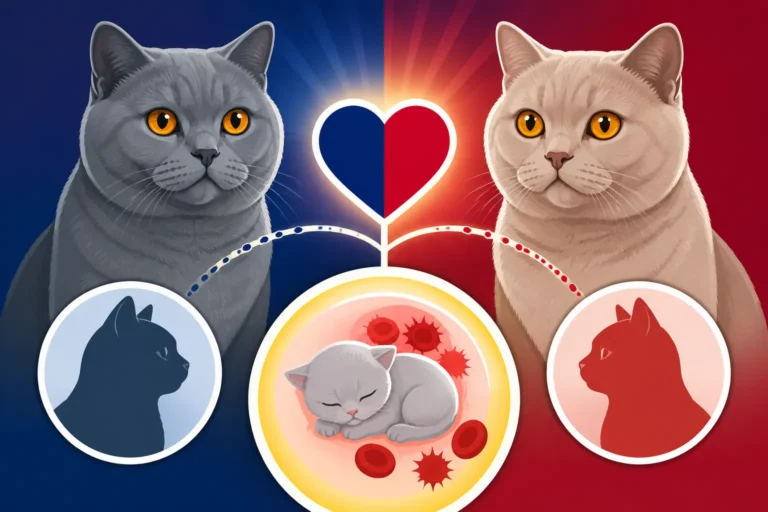
At its core, NI is a catastrophic immune reaction. It occurs when a queen with type B blood is bred to a tom with type A or AB blood. While the queen herself is perfectly healthy with her type B blood, her body naturally produces strong antibodies against type A red blood cells. These anti-A antibodies are usually harmless to her. However, the kittens she carries might inherit type A or AB blood from the father. If these kittens are born with type A or AB blood, they are perfectly healthy in utero because the antibodies from the mother typically don't cross the placental barrier in cats.
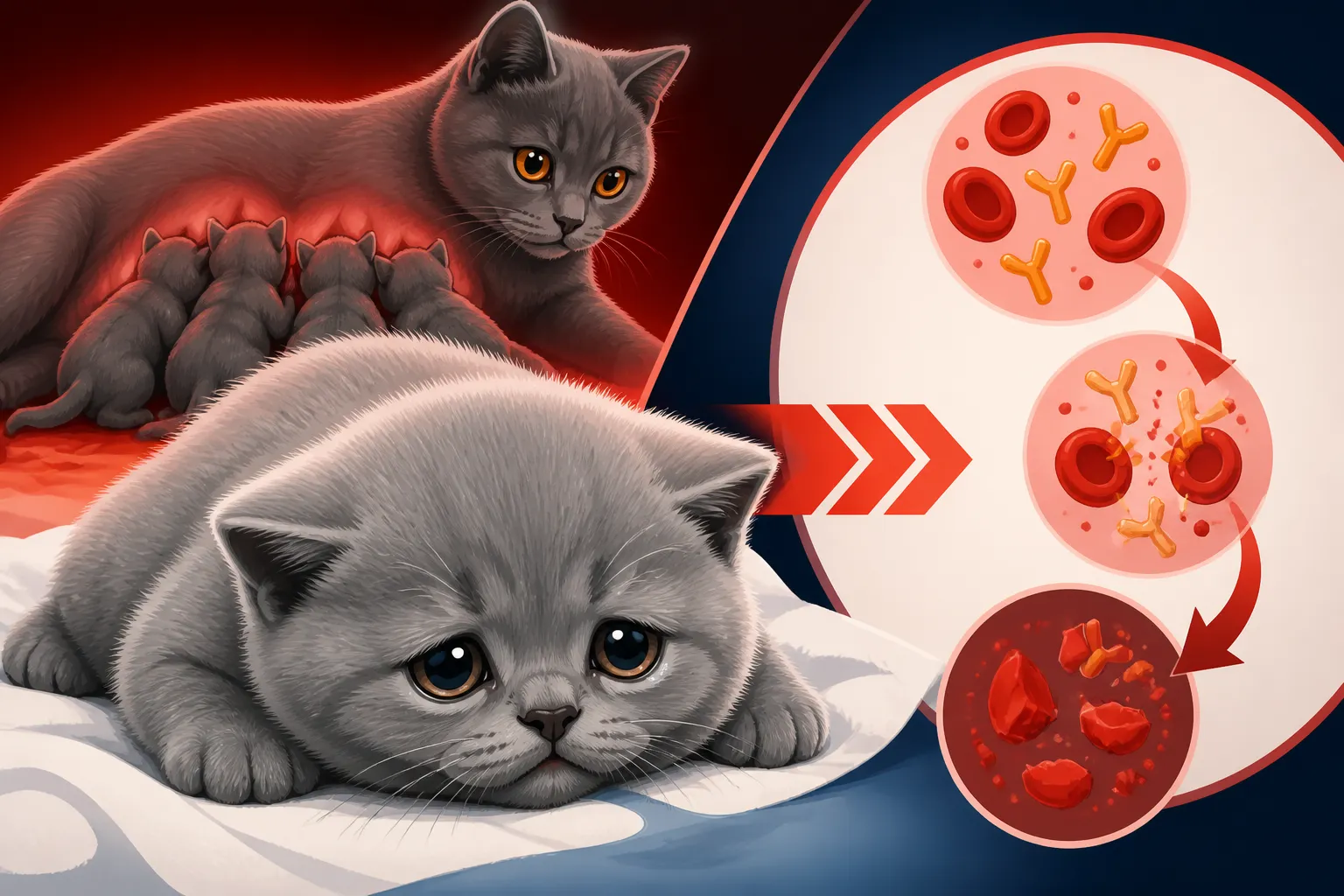
The problem starts after birth. When these type A or AB kittens nurse, they ingest their mother's colostrum – the vital first milk. This colostrum is rich in the very anti-A antibodies that the type B queen naturally produces. Once ingested, these maternal antibodies enter the kitten's bloodstream and immediately attack and destroy the kitten's type A or AB red blood cells. It's a cruel twist of nature where the mother's protective antibodies turn into a deadly weapon against her own offspring, leading to severe anemia and organ damage. To truly grasp the risk, it's crucial to understand what Blood Type B Means in a British Shorthair and how prevalent it is within the breed.
The Role of Colostrum in NI Development
Colostrum is absolutely essential for newborn kittens. It provides them with passive immunity, equipping their tiny, undeveloped immune systems with the defenses they need to fight off infections in their first vulnerable weeks of life. However, in cases of blood type incompatibility, this life-giving colostrum becomes the vector for disaster. The antibodies in the colostrum are large protein molecules that can be absorbed intact through the kitten's intestinal lining during the first 24 to 48 hours after birth. This period is often referred to as "gut closure," after which the intestinal wall loses its ability to absorb these large molecules.
For type A or AB kittens born to a type B queen, this means that every gulp of colostrum delivers more of the destructive anti-A antibodies directly into their system. The more they nurse in those critical first hours, the more severe the reaction, and the faster the disease progresses. This is precisely why the first day of colostrum matters to a British Shorthair kitten and can be a matter of life or death. The devastating irony is that without colostrum, kittens are at risk of other infections, but with it, in this specific scenario, they face an almost immediate threat.
Why British Shorthairs Are Prone to This Issue
British Shorthairs, unfortunately, carry a higher predisposition to NI compared to many other cat breeds. This is directly linked to the distribution of blood types within the breed. While type A blood is the most common among domestic cats, the British Shorthair breed has a notable incidence of type B blood. In fact, studies show that a significant percentage of British Shorthairs carry the B allele, making them either type B or carriers of the B allele.
This higher prevalence of type B blood means that the specific, incompatible pairing – a type B queen with a type A or AB tom – is statistically more likely to occur in British Shorthair breeding programs if blood typing is not meticulously performed. It’s a genetic lottery that no responsible breeder would want to play, knowing the devastating consequences. Without careful screening, a breeder might unknowingly create a pairing that puts an entire litter at risk. Understanding How Many British Shorthairs Are Blood Type B truly highlights the importance of proactive blood typing.
The Rapid Progression and Grim Timeline of NI
The speed at which neonatal isoerythrolysis can kill a British Shorthair kitten is truly shocking and one of the most heartbreaking aspects of the condition. Unlike some illnesses that offer a gradual decline, NI often presents as a sudden, overwhelming crisis. The damage begins almost immediately upon the ingestion of colostrum and accelerates from there, leading to a very narrow window for any potential intervention.
Initial Signs and Early Onset
The initial signs of NI typically appear within hours, sometimes even minutes, after a susceptible kitten starts nursing. This swift onset is due to the rapid absorption of maternal antibodies through the gut. Affected kittens may appear perfectly healthy at birth, full of vigor, and eager to nurse. However, within a short period, often within the first 12 to 24 hours, subtle but critical changes begin to manifest.
You might notice affected kittens becoming weak, lethargic, and less interested in nursing, even though they were strong sucklers moments before. They may detach from the nipple frequently, cry weakly, or show signs of discomfort. Their gums and mucous membranes might appear pale due to the onset of anemia, although this can be difficult to spot in the first few hours. Some might pass reddish-brown urine (hemoglobinuria) as their red blood cells are destroyed and hemoglobin is released. These early indicators, while subtle, are the first desperate cries for help from a kitten whose system is already under attack.
The Critical First 24-72 Hours
This period is absolutely critical and, tragically, often marks the point of no return for affected kittens. Once the colostral antibodies are absorbed, they begin their relentless assault on the kitten's red blood cells. The rate of red blood cell destruction increases, leading to progressive and severe anemia. This acute anemia deprives the kitten's tissues and organs of vital oxygen, causing widespread damage.
Within 24 to 72 hours, kittens suffering from NI will typically show a marked deterioration. Their lethargy will deepen, they will refuse to nurse entirely, and their breathing may become labored as their body struggles to compensate for the lack of oxygen-carrying red blood cells. Jaundice (yellowing of the gums, skin, or whites of the eyes) may become apparent as the liver struggles to process the excessive bilirubin released from destroyed red blood cells. Sadly, for many kittens, death occurs within this window. It's a cruel race against time, where every hour counts, and the tiny bodies simply cannot withstand the onslaught. This is why understanding Signs a Newborn British Shorthair Kitten Is Fading is so vital.
Irreversible Damage and Fatal Outcomes
The speed of NI's progression means that by the time overt and unmistakable symptoms appear, irreversible damage has often already occurred. The massive destruction of red blood cells leads to severe, acute anemia, which can cause multi-organ failure. The kidneys, liver, and heart are particularly vulnerable to the lack of oxygen and the metabolic byproducts of red blood cell destruction.
Kittens who survive the immediate onslaught might suffer from lasting damage. However, the reality is that the vast majority of severely affected kittens do not survive. Even with aggressive veterinary intervention, the prognosis is extremely poor once significant clinical signs have developed. The best possible outcome is often achieved only through immediate removal from the mother before colostrum is absorbed, highlighting that prevention, not treatment, is the true solution. This rapid and often fatal timeline underscores why breeders must be acutely aware of Which British Shorthair Pairing Causes Neonatal Isoerythrolysis.
Recognizing the Signs and What Little Time You Have
Given the lightning-fast progression of neonatal isoerythrolysis, recognizing the signs immediately is paramount, even though the window for successful intervention is incredibly small. Many of these symptoms can unfortunately be mistaken for other common newborn kitten ailments, making accurate and rapid diagnosis even more challenging. Being vigilant and knowing exactly what to look for can make a slim difference.
Subtle Early Indicators
The very first signs of NI are often subtle and can be easily missed, especially in a busy whelping box with a litter of active kittens. A healthy newborn kitten is usually very vocal when hungry, nurses vigorously, and gains weight steadily. In contrast, a kitten affected by NI might:
- Be less active or alert than its littermates: It may sleep more or not move around as much.
- Exhibit reduced suckling reflex or difficulty latching: It might try to nurse but seem unable to get a good latch or tire quickly.
- Show signs of weakness or lethargy: While not completely still, it won't have the robust energy of its siblings.
- Have pale mucous membranes: Gently check their gums; they might appear lighter pink than normal, indicating early anemia.
- Cry weakly or make unusual noises: A kitten with NI might whimper or have a weaker cry than other kittens.
- Be disoriented or confused: In very severe cases, neurological signs can appear quickly due to oxygen deprivation.
These initial signs typically develop within the first 6 to 12 hours after the kitten has ingested colostrum. It's a race against the clock, and the more colostrum absorbed, the faster and more severe the symptoms will become. This is why understanding what Neonatal Isoerythrolysis Does to a British Shorthair Kitten is so important for early detection.
Alarming Symptoms as the Disease Progresses
As NI progresses, the symptoms become far more pronounced and alarming. The widespread destruction of red blood cells leads to severe systemic effects. By the time these signs are obvious, the kitten is in critical condition, and the prognosis becomes increasingly grim. Look out for:
- Severe lethargy and complete refusal to nurse: The kitten will be too weak to seek out the nipple or even swallow if offered milk.
- Marked pallor of mucous membranes: Gums will be very pale, almost white.
- Jaundice: A yellowish tint to the skin, gums, or the whites of the eyes (sclera) due to the buildup of bilirubin from red blood cell breakdown. This is a very serious sign.
- Reddish-brown urine: This is hemoglobinuria, meaning hemoglobin from burst red blood cells is being excreted through the urine. This is a clear indicator of massive red blood cell destruction.
- Rapid breathing (tachypnea) or difficulty breathing (dyspnea): The kitten's body tries to compensate for severe anemia by increasing oxygen intake.
- Rapid heart rate (tachycardia): Another compensatory mechanism for anemia.
- Swollen abdomen (pot-bellied appearance): This can be due to fluid accumulation or internal organ swelling.
- Seizures or tremors: Due to neurological damage from severe anemia and lack of oxygen.
When these more advanced symptoms appear, the kitten is likely in the later stages of NI, and unfortunately, the chances of survival are extremely low, even with intensive veterinary care. The kitten is essentially fading fast, and it can happen within 24 to 72 hours from the first colostrum intake.
The Urgency of Veterinary Intervention
Even with the rapid and often fatal nature of NI, immediate veterinary attention is always warranted if you suspect a kitten is affected. While a cure for advanced NI is virtually non-existent, supportive care can sometimes be attempted, though it rarely changes the ultimate outcome. Your veterinarian may attempt:
- Removal from the queen: This is the most crucial first step if the kitten is still alive but showing symptoms, to prevent further antibody ingestion.
- Fluid therapy: To combat dehydration and support organ function.
- Oxygen therapy: To help with respiratory distress.
- Warmth and nutritional support: Hand-rearing with a suitable kitten milk replacer (and critically, no colostrum from the type B mother) is essential.
- Blood transfusion: In rare, desperate cases, a blood transfusion from a compatible type B donor cat (since the kitten's remaining cells are type A/AB, but you want to give cells that won't be immediately destroyed by the circulating maternal antibodies) might be considered, but it's complex and often too late.
The financial and emotional toll of trying to save an NI-affected kitten can be immense, and it’s important to be realistic about the prognosis. This is where having comprehensive pet insurance like Healthy Paws might offer some peace of mind regarding the costs of emergency care, though prevention remains the far superior approach. Ultimately, for NI, the best "treatment" is to prevent it from happening in the first place, as the window for effective intervention once symptoms appear is tragically brief. Knowing How to Save a British Shorthair Kitten From Isoerythrolysis requires understanding these limitations.
Prevention: The Only True Solution
Given the devastating speed and near-universal fatality of neonatal isoerythrolysis once symptoms manifest, it becomes starkly clear that prevention is not just the best course of action, but essentially the only effective solution. Responsible breeding practices are paramount to ensuring the health and survival of British Shorthair kittens. Avoiding incompatible matings altogether is the key to sidestepping this heartbreak entirely.
Importance of Pre-Breeding Blood Typing
The single most critical step a British Shorthair breeder can take to prevent NI is to blood type all breeding cats before they are ever paired. This isn't an optional test; it's a fundamental responsibility. Blood typing identifies whether a cat is type A, B, or AB. Since type B queens bred to type A or AB toms are the root cause of NI, knowing your cats' blood types allows you to avoid these dangerous pairings.
There are several reliable methods for blood typing cats, including in-clinic card tests and laboratory DNA tests. The results are straightforward and permanent. For a British Shorthair breeder, this investment in pre-screening is invaluable. It protects their litters from a preventable tragedy and upholds the health standards of the breed. Waiting until kittens are fading is far too late, making proactive blood typing a non-negotiable step in ethical breeding. This is why Whether a British Shorthair Breeder Shows Echo Results and blood typing is such a critical question for prospective owners.
Strategic Mating to Avoid Incompatibility
Once you have the blood typing results for your breeding British Shorthairs, you can strategically plan matings to completely eliminate the risk of NI.
Here's a simple guide:
| Queen's Blood Type | Tom's Blood Type | Risk for Kittens | Recommended Pairing? |
|---|---|---|---|
| Type A | Type A | No Risk | Yes |
| Type A | Type B | No Risk | Yes |
| Type A | Type AB | No Risk | Yes |
| Type B | Type A | HIGH RISK | NO (Will cause NI) |
| Type B | Type B | No Risk | Yes |
| Type B | Type AB | HIGH RISK | NO (Will cause NI) |
| Type AB | Type A | No Risk | Yes |
| Type AB | Type B | No Risk | Yes |
| Type AB | Type AB | No Risk | Yes |
(Note: Type AB is rare in British Shorthairs but included for completeness.)
As you can see, the only dangerous pairing involves a type B queen. Therefore, if you have a type B queen, she must only be bred to a type B tom. This ensures that all her kittens will also be type B, and thus, no anti-A antibodies from her colostrum will cause harm. This completely eliminates the risk of NI for her offspring. Responsible breeders are diligent about this, and it’s a key part of their health management. This knowledge directly addresses Whether a Type B British Shorthair Queen Can Be Bred Safely and Which Tom a Type B British Shorthair Should Be Bred To.
Emergency Measures for At-Risk Kittens
Despite the best preventative efforts, sometimes unforeseen circumstances arise, or a rescue situation involves kittens from an unknown pairing. If a known incompatible mating has occurred, or if kittens are born to a Type B queen and a Type A/AB tom before blood typing was complete, emergency measures can be taken immediately after birth to prevent antibody absorption:
- Remove Kittens from the Queen: The absolute first step is to prevent them from nursing. Separate the at-risk kittens from the queen as soon as they are born, ideally before they even have a chance to take their first suckle.
- Provide a Safe Colostrum Source (if needed): If colostrum is deemed necessary for immunity, it must come from a type A or AB queen (who does not produce anti-A antibodies) or be obtained from a commercial colostrum substitute. Never allow them to ingest colostrum from their biological Type B mother.
- Hand-Rearing: For the first 24-48 hours (until gut closure occurs), these kittens must be hand-reared using a commercial kitten milk replacer. After the gut has closed, typically around 24-48 hours, the kittens can usually be safely returned to their biological mother to nurse. The maternal antibodies will no longer be absorbed through their digestive tract. This process, including How Long British Shorthair Kittens Stay Off a Type B Queen, is critical for survival.
- Supportive Care: Ensure warmth, hydration, and careful monitoring for any signs of illness, as hand-reared kittens are always more vulnerable.
This rapid, immediate intervention, detailed in How British Shorthair Kittens Are Hand Reared to Survive, is the only way to save kittens born into an incompatible pairing. It requires constant vigilance and swift action, but it offers a chance of survival where waiting for symptoms guarantees tragedy.
Disclaimer
This article is intended for informational purposes only and is not a substitute for professional veterinary advice. If you have concerns about your British Shorthair or suspect they are ill, please consult with a qualified veterinarian immediately.