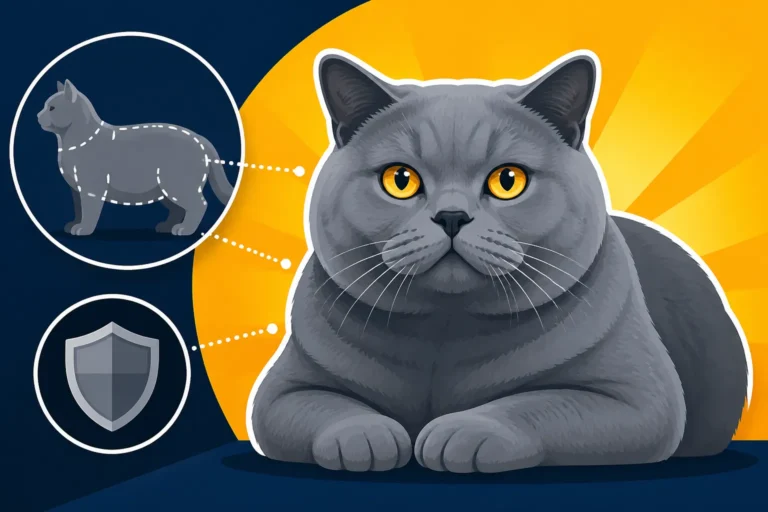
What a British Shorthair Echo Costs
It's a tough truth that loving our British Shorthairs comes with financial realities, and when your vet suggests a specialized diagnostic like an echocardiogram, it's completely natural to feel a pang of worry about the cost. You want what's best for your furry family member, but vet bills can quickly add up. This comprehensive guide will walk you through the various costs associated with a British Shorthair echocardiogram, what influences these prices, and practical ways to manage these essential health investments.
Understanding the Importance of British Shorthair Echocardiograms
Bringing a British Shorthair into your life means embracing their unique charm, but it also means being aware of certain breed-specific health considerations. When it comes to their hearts, an echocardiogram isn't just a fancy procedure; it's a vital tool for their long-term well-being.
Why Echocardiograms Are Critical for British Shorthairs
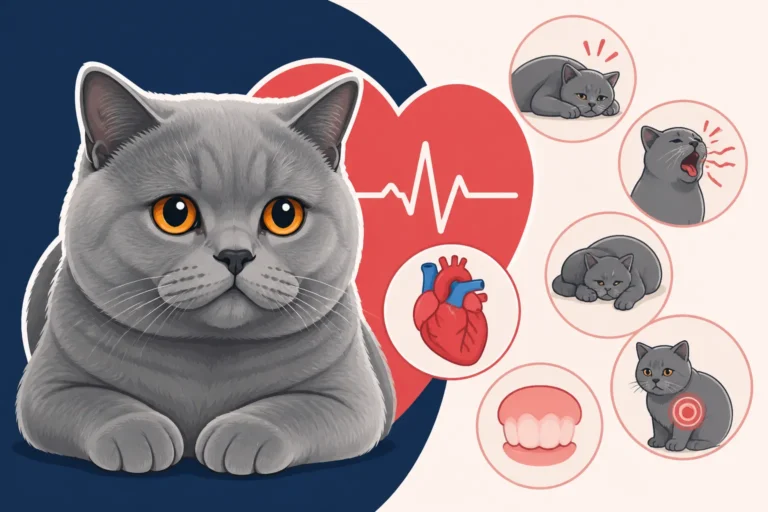
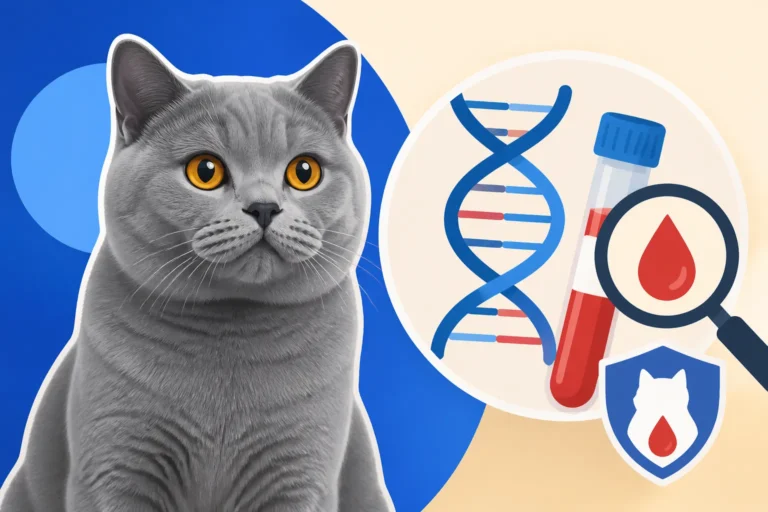
British Shorthairs, much like many purebred cats, have a predisposition to certain genetic health conditions, and one of the most concerning is Hypertrophic Cardiomyopathy (HCM). This is a disease where the heart muscle thickens, making it harder for the heart to pump blood effectively. It's truly heartbreaking because it can often be a silent killer, progressing without obvious symptoms until it's quite advanced or even causes sudden, tragic events. Unlike some other breeds where there's a reliable DNA test for HCM, the British Shorthair doesn't currently have one. This means that regular echocardiograms are the gold standard for monitoring heart health. They allow veterinarians, especially board-certified cardiologists, to directly visualize the heart's structure and function, catching any changes early before they become critical. It's all about proactive care, giving your beloved cat the best chance at a long and healthy life. For more detail, you might want to read about How Common HCM Is in British Shorthairs.
When Your British Shorthair Might Need an Echo
So, when exactly does an echo come into play? It's not just when a cat is showing symptoms. There are several scenarios where this diagnostic tool becomes essential.
Firstly, for responsible breeders, regular screening is non-negotiable. Breeding British Shorthairs means ensuring the health of future generations, and this includes yearly echocardiograms for breeding cats to detect any signs of HCM before they can be passed on. This commitment helps to safeguard the breed's health. You can learn more about The Yearly Echo That Replaces a British Shorthair Gene Test.
Secondly, even for pet British Shorthairs, an initial baseline echocardiogram, often around 1-2 years of age, is highly recommended. This establishes a healthy baseline against which any future changes can be compared. If a British Shorthair develops a heart murmur, an echo is absolutely critical. What a British Shorthair's Murmur Means can be complex, and only an echocardiogram can determine if that murmur signifies underlying heart disease or is simply an innocent flow murmur. Beyond murmurs, if your British Shorthair starts exhibiting subtle signs like decreased energy, reduced appetite, coughing (though less common in cats with heart disease), or changes in their breathing, particularly faster or labored breathing, an echo would be a primary diagnostic step. Lastly, some vets might recommend a pre-anesthetic echocardiogram, especially for older British Shorthairs or those with suspected heart issues, to assess cardiac function before any surgical procedures.
Breaking Down the Cost of a British Shorthair Echocardiogram
Let's face it, veterinary care is an investment, and specialized diagnostics can carry a significant price tag. Understanding what goes into that cost can help you prepare and make informed decisions.
Factors Influencing the Price Tag
The cost of a British Shorthair echocardiogram isn't a fixed number; it's a dynamic figure influenced by several key factors, much like real estate prices vary wildly from city to city.
Firstly, location plays a huge role. Clinics in bustling metropolitan areas like New York City or Los Angeles typically have higher overheads, leading to higher prices compared to a veterinary practice in a rural town in, say, Nebraska. The cost of living in an area directly impacts staff salaries, rent, and equipment maintenance, all of which get factored into your bill.
Secondly, the veterinarian's expertise is a major differentiator. If your regular family vet performs the echo, it might be on the lower end of the spectrum. However, for the most accurate and thorough assessment, especially when HCM is suspected, a board-certified veterinary cardiologist is truly the expert you want. These specialists have undergone years of additional, rigorous training focused solely on animal hearts. Their advanced knowledge and experience are invaluable, and naturally, their services come at a premium.
Thirdly, the type of clinic matters. A general practice veterinary clinic will usually charge less than a large, multi-specialty veterinary hospital, which often houses cutting-edge equipment and a team of specialists. These specialty hospitals offer a higher level of diagnostic capability and care but at a corresponding cost.
Finally, additional services can tack onto the base price. Does the echo include an initial consultation with the cardiologist? Is sedation required for your cat to remain still during the procedure? While many British Shorthairs are quite amenable to lying still, some anxious cats may need a mild sedative, which will be an extra charge. Follow-up consultations to discuss the results in detail are also often a separate fee.
What the Cost Typically Covers
When you pay for a British Shorthair echocardiogram, you're not just paying for a few minutes of ultrasound time. It's a comprehensive service that includes several components.
The core of the cost covers the actual ultrasound scan itself. This involves the specialized equipment and the skilled technician or veterinarian who performs the scan, meticulously capturing images and videos of your cat's heart from various angles. They'll measure chamber sizes, wall thickness, blood flow velocity, and assess valve function.
Following the scan, a critical part of the cost is the cardiologist's interpretation and report. This is where the expert eye comes in. The cardiologist reviews all the images and data, looking for subtle abnormalities that might indicate early disease or confirming a diagnosis. They then write a detailed report, which is usually sent to your primary veterinarian.
Finally, the cost often includes a consultation fee with either your general vet or the cardiologist to discuss the findings, explain the implications, and outline any recommended next steps or treatment plans. This could involve medication, dietary changes, or further monitoring. It's worth remembering that if sedation is necessary, this is typically an additional line item on your bill, covering the medication and the time required for monitoring your cat during and after sedation.
Average Cost Ranges Across Regions
Given all these variables, it's hard to give an exact figure, but we can provide some realistic ranges based on current veterinary pricing. Generally, for a basic echocardiogram performed by a general veterinarian, you might expect to pay anywhere from $300 to $700. This can vary significantly, with prices closer to $300-$400 in more rural or lower cost-of-living areas, and creeping up towards $600-$700 in moderately sized cities.
However, if you're taking your British Shorthair to a board-certified veterinary cardiologist at a specialty hospital, the costs will be higher, reflecting their advanced training and specialized equipment. In these settings, you could be looking at a range of $500 to $1,000 or even more. For instance, in a highly competitive and expensive market like Southern California or the Northeast US, a comprehensive cardiology workup including an echo could easily exceed $800-$1000. It's always best to call your chosen clinic or specialist beforehand to get a precise estimate.
| Factor | Lower Cost Range (Estimate) | Higher Cost Range (Estimate) | Notes |
|---|---|---|---|
| General Practice Vet | $300 – $500 | $500 – $700 | Performed by a regular vet, often less detailed reports. |
| Specialty Hospital/Cardiologist | $500 – $750 | $750 – $1,000+ | Performed by a board-certified expert, highly detailed. |
| Rural Area | $300 – $450 | $450 – $600 | Lower overheads, fewer specialists. |
| Major City | $600 – $800 | $800 – $1,200+ | Higher cost of living, access to more specialists. |
| Includes Sedation | Add $50 – $150 | Add $150 – $300 | Dependent on medication, monitoring, and cat's temperament. |
| Emergency/Urgent Care | Potentially 25-50% higher | Potentially 25-50% higher | After-hours fees, immediate availability. |
Managing and Mitigating Echocardiogram Expenses
The cost of an echo can feel daunting, but there are strategies and resources available to help make this essential diagnostic more manageable.
Pet Insurance and What It Covers
One of the most effective ways to cushion the blow of unexpected veterinary expenses, including echocardiograms, is pet insurance. Providers like Healthy Paws offer various plans that can reimburse you for a significant portion of eligible vet bills. It's a bit like health insurance for humans, often covering accidents, illnesses, and sometimes even routine care, depending on your policy.
However, there are important caveats. Most pet insurance policies have waiting periods before coverage kicks in, so you can't typically sign up the day before an anticipated echo and expect it to be covered immediately. More importantly, pre-existing conditions are almost universally excluded. This means if your British Shorthair has already been diagnosed with HCM or a heart murmur before you get insurance, the costs related to that condition, including future echocardiograms, are unlikely to be covered. This underscores the importance of getting pet insurance early in your cat's life, ideally before any health issues arise. You'll also need to consider your deductible (the amount you pay before insurance starts covering) and your reimbursement rate (the percentage of the bill the insurance company pays back, often 70-90%). Understanding Whether Insurance Covers a British Shorthair's HCM before you need it is crucial.
Discounted Screening Programs and Financial Aid
Beyond conventional pet insurance, there are other avenues to explore for more affordable echocardiograms.
Many British Shorthair breeders participate in or organize breed screening days. These events often bring a traveling board-certified cardiologist to a central location, allowing multiple cats to be scanned in one day at a reduced rate per cat. If you're part of a breed club or community, keep an eye out for these opportunities.
Another option might be veterinary teaching hospitals associated with universities. These institutions often have state-of-the-art equipment and highly qualified specialists (including cardiology residents under supervision), and sometimes their prices for diagnostics can be slightly lower than private specialty clinics, or they may offer payment plans.
For those facing significant financial hardship, some charitable organizations exist that provide aid for veterinary care. While these typically focus on emergency or life-saving treatments, it's worth inquiring. Additionally, many veterinary clinics understand the burden of costs and may offer payment plans or recommend third-party financing options like CareCredit, which functions like a credit card specifically for healthcare expenses, often with deferred interest options if paid within a certain timeframe.
Long-Term Value Versus Upfront Cost
It's easy to focus on the immediate sticker shock of an echocardiogram, but it's vital to consider the long-term value this diagnostic provides for your British Shorthair.
Firstly, there's the invaluable peace of mind. Knowing your cat's heart health status, whether it's perfectly normal or shows early signs of a condition, is priceless. It removes the anxiety of the unknown and allows you to make informed decisions about their care.
Secondly, and perhaps most crucially, early detection leads to better management and quality of life. If HCM or another heart condition is caught early through an echo, your veterinarian can recommend interventions sooner. This might involve medications to slow the progression of the disease, dietary adjustments, or simply closer monitoring. Treating a condition when it's mild is almost always more effective and less invasive than waiting until your cat is in crisis. For example, knowing your cat has early HCM allows you to consider treatments like How a British Shorthair With HCM Is Treated.
Finally, preventing more expensive emergency treatments later is a significant benefit. An untreated or undiagnosed heart condition can lead to severe complications like congestive heart failure or arterial thromboembolism (saddle thrombus), which are not only incredibly distressing for your cat but also require intensive, often extremely costly, emergency veterinary care. Investing in a preventive or early diagnostic echo can potentially save you thousands in future emergency bills and, more importantly, can save your British Shorthair from immense suffering. So, while the upfront cost might seem high, view it as an investment in your cherished companion's health and longevity.
Disclaimer
This article is intended for informational purposes only and does not constitute veterinary advice. Always consult with a qualified veterinarian for any health concerns or before making any decisions about your British Shorthair's medical care or financial planning. Costs provided are estimates and can vary widely based on location, clinic, and individual circumstances.