Why a British Shorthair’s Dense Coat Suited the Climate
Anyone who has ever had the pleasure of stroking a British Shorthair will immediately notice the distinctive texture of their coat. It's not just soft; it's dense, almost plush, standing away from their body, and it's a feature that might leave you wondering why such a luxurious coat developed. The answer lies deep in their ancestry and the environment they originally called home, a climate that demanded a seriously good winter wardrobe. This guide will take you through the historical journey of the British Shorthair's coat, explaining how it became perfectly adapted to the often-chilly and damp British weather, and how those evolutionary traits still impact our beloved teddy bears today.
The British Shorthair's Ancestral Climate and Origins
To truly understand why the British Shorthair boasts such a magnificent, insulating coat, we need to rewind history and picture the lives of their ancestors. These weren't pampered indoor pets, but hardy, working cats that earned their keep in a challenging environment. Their physical characteristics, including their dense fur, were directly shaped by the necessity to survive and thrive in less-than-ideal conditions.
From Roman Settlers to Farm Cats: A Hardscrabble Life
The origins of the British Shorthair are rooted in the domestic cats brought to Britain by the Romans, centuries ago. These felines weren't luxury companions; they were rodent controllers, essential for protecting grain stores and ships. Whether Roman Cats Founded the British Shorthair Once established on the British Isles, these cats spread throughout the countryside, becoming the ubiquitous farm and street cats that would eventually catch the eye of early cat fanciers like Harrison Weir. Their lives were far from easy; they faced exposure to the elements, had to hunt for their food, and needed to be resilient.
Imagine a cat living through a British winter in a drafty barn or navigating a cold, damp village street. There were no heated beds, no gourmet meals delivered twice a day. Survival depended on their innate abilities and physical adaptations. A thin, delicate coat simply wouldn't cut it. Their coat needed to be a fortress, a personal heating system to see them through the long, often brutal, winters. This challenging, working-class existence honed their physical traits over generations, favoring those with the best protection.
Britain's Often Chilly and Damp Environment
The British climate, while varied, is generally characterized by cool temperatures, frequent rainfall, and a fair amount of dampness throughout much of the year. Snowfall can be significant in some regions, and even without snow, the persistent chill and moisture can penetrate to the bone if one isn't adequately insulated. It's rarely extreme heat; rather, it's a sustained coolness that makes good thermal regulation paramount for any animal living outdoors.
Think of those classic, grey, overcast British days, often accompanied by a persistent drizzle that seems to seep into everything. For a cat whose primary defense against the cold was its fur, this dampness posed a significant challenge. A coat that could shed water effectively and prevent the cold, wet air from reaching the skin was not just a comfort; it was a matter of survival. This consistent environmental pressure meant that cats with superior coats were more likely to survive, reproduce, and pass on those desirable traits to their offspring.
Unpacking the British Shorthair's Unique Coat Structure
When you feel a British Shorthair's coat, you're not just feeling fur; you're feeling centuries of adaptation. It's a marvel of natural engineering, perfectly designed for warmth, protection, and resilience. This unique structure is what truly sets their coat apart and made it so effective in their ancestral environment.
The Double Coat: Undercoat and Guard Hairs
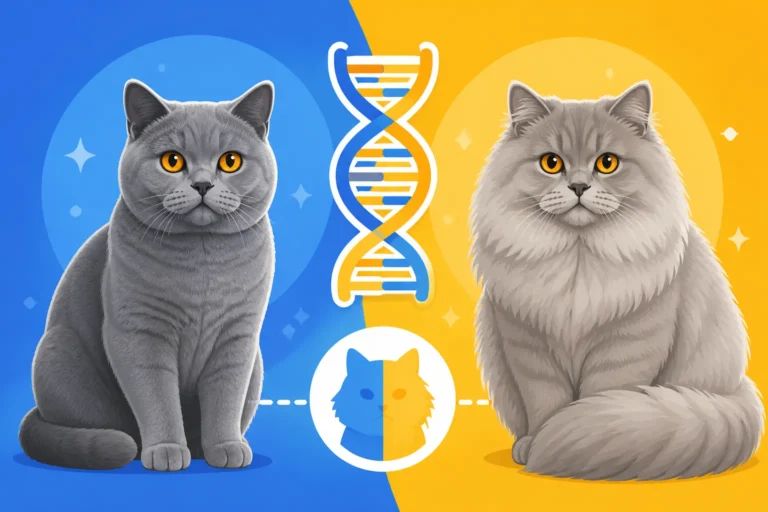
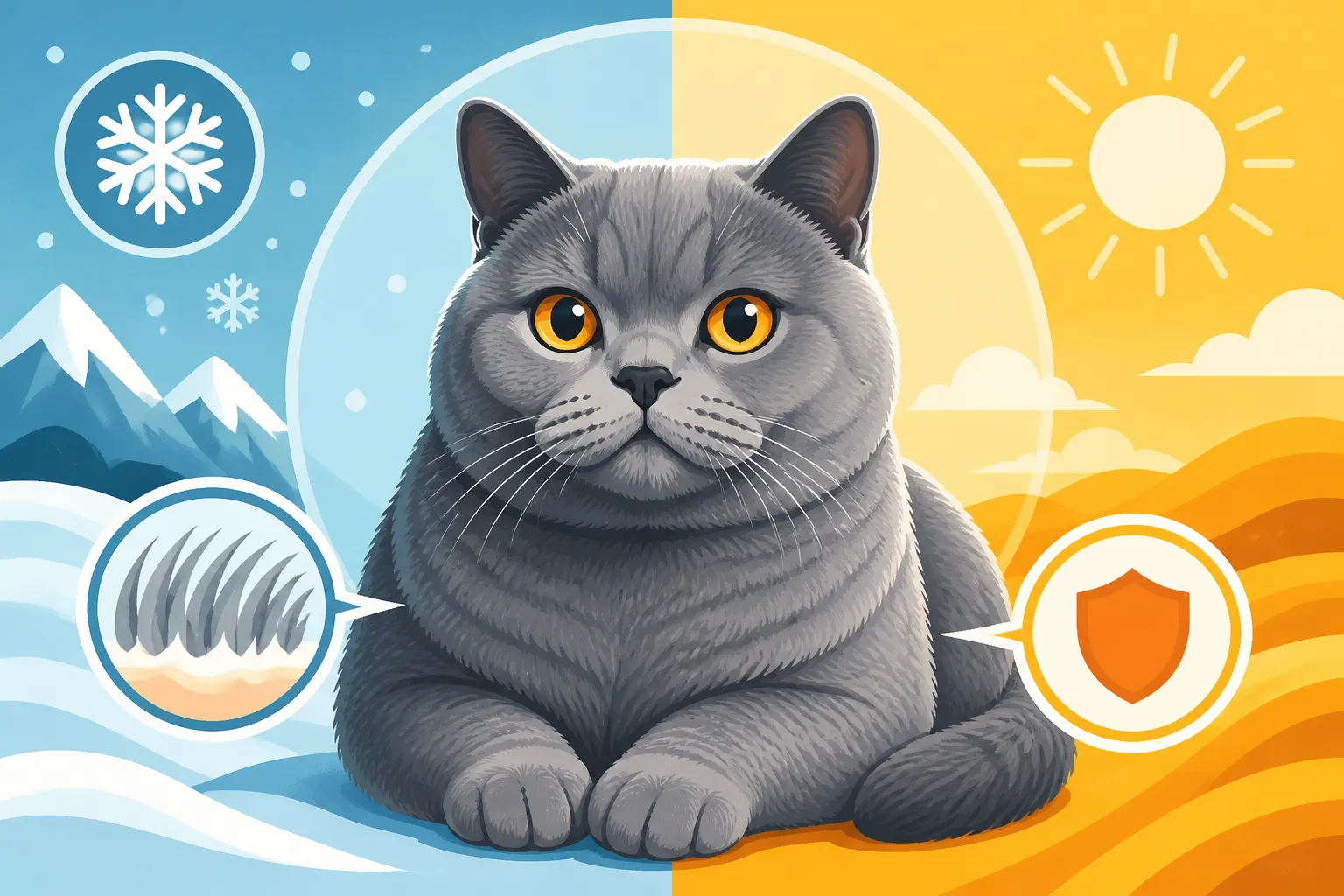
The British Shorthair's coat isn't just one layer of fur; it's a sophisticated double coat system. This system consists of two distinct types of hair, each playing a crucial role in providing warmth and protection. The first layer is the undercoat: incredibly dense, fine, and woolly. This soft, downy layer sits closest to the skin and is responsible for trapping a layer of warm air, creating a natural thermal barrier, much like a down jacket on a human. This trapped air is the key to their superior insulation. A British Shorthair's Coat Stands Away From Its Body because of this dense undercoat.
Above this insulating undercoat lies the second layer: the guard hairs. These are coarser, thicker, and slightly longer hairs that form the outer protective shell of the coat. Their primary job is to provide weatherproofing. They are designed to be water-resistant, helping to shed rain and snow, preventing moisture from reaching the skin and compromising the insulating properties of the undercoat. This dual-layer system ensures that the British Shorthair is well-equipped to handle cold, damp, and even slightly abrasive conditions, keeping them dry and warm from the outside in.
Why the British Shorthair's Coat Feels Crisp
Beyond its density, another defining characteristic of the British Shorthair's coat is its unique "crisp" texture. When you run your hand over it, you'll notice a distinct springiness and resilience, almost like fine wool or velvet, but with a firm, almost "crunchy" feel. This isn't just a quirky breed trait; it's another functional aspect of their protective fur. Why a British Shorthair's Coat Feels Crisp
This crispness comes from the texture and arrangement of the guard hairs. They are not soft and silky like some breeds, but rather robust and slightly stiff, which helps them stand away from the body. This separation creates an air pocket between the guard hairs and the dense undercoat, further enhancing the insulation. Furthermore, the crispness means the hairs are less prone to matting and lie in a way that helps water bead off, rather than soaking into the fur. It's a practical, no-nonsense coat designed for durability and efficiency, a far cry from the delicate, flowing coats of more ornamental breeds.
How the Dense Coat Provided Survival Advantages
The development of this particular coat was no accident; it was a direct response to the demands of their environment. For generations of British Shorthair ancestors, their fur wasn't just about looking good; it was a vital tool for survival, offering multiple layers of defense against the elements and the rigors of an outdoor life.
Insulation Against the Cold and Damp
The most obvious and crucial advantage of the British Shorthair's dense, double coat was its unparalleled insulating ability. For cats living outdoors in Britain, facing biting winds, chilly rain, and occasional snow, staying warm was paramount. Hypothermia is a real danger for animals exposed to cold and wet conditions, and a good coat was their best defense. The thick undercoat, by trapping air, acted like a natural puffer jacket, holding body heat close to the cat's skin.
Consider a cat trying to stay warm on a frosty night. Without adequate insulation, their body would rapidly lose heat, forcing their metabolism to work overtime just to maintain core temperature, draining vital energy needed for hunting and other survival activities. The British Shorthair's coat minimized this heat loss, allowing them to conserve energy and remain active even in cool weather. The water-resistant guard hairs also meant that even during a persistent drizzle, they wouldn't get soaked to the skin, which would drastically reduce their ability to stay warm. It was a perfect natural solution to the challenges of their damp and often cold environment.
Protection from Scratches and Minor Injuries
Beyond insulation, the sheer density and robustness of the British Shorthair's coat offered another significant survival advantage: physical protection. Imagine these cats navigating dense undergrowth, squeezing through fences, or even engaging in skirmishes with other animals in defense of their territory or a meal. A thick coat acts as a buffer.
The dense guard hairs and thick undercoat provided a protective layer against thorns, brambles, and minor scrapes that would easily puncture the skin of a thinner-coated animal. It also offered a degree of padding during a fall or a minor impact, potentially reducing the severity of bruising or skin damage. While not impenetrable, this natural armor meant fewer superficial wounds, which in a time before easy access to veterinary care, could easily become infected and life-threatening. This made them tougher, more resilient, and better equipped to handle the physical demands of an outdoor, working existence.
| Coat Feature | Description | Survival Advantage in UK Climate |
|---|---|---|
| Double Coat | Consists of a dense, woolly undercoat and coarser guard hairs. | Provides superior thermal insulation by trapping warm air close to the body, essential for surviving cold, damp British winters. The guard hairs offer a protective outer layer. |
| Dense Undercoat | Fine, soft, and thick layer of fur close to the skin. | Creates an insulating air pocket, minimizing heat loss and allowing the cat to maintain body temperature with less metabolic effort. Crucial for energy conservation in chilly weather. |
| Coarse Guard Hairs | Stiffer, slightly longer hairs forming the outer layer. | Repels water and snow, keeping the undercoat dry and effective. Also provides a physical barrier against minor abrasions, scrapes, and environmental hazards like thorns or rough terrain. |
| "Crisp" Texture | Springy, resilient feel that stands away from the body. | Enhances the air-trapping capability for better insulation. Helps shed moisture more effectively and prevents the coat from matting easily, maintaining its protective function. |
Modern British Shorthairs and Their Heritage Coat
Even though most British Shorthairs today lead pampered indoor lives, far removed from the need to hunt mice in a damp barn, their ancestral coat remains a defining and beloved feature. It's a testament to their heritage and a reminder of the hardy lineage from which they sprung.
The Benefits of a Warm Coat in Indoor Life
While the modern British Shorthair may no longer need their coat to ward off freezing winds, the insulating properties are still appreciated. Most homes are climate-controlled, of course, but even indoors, temperatures can fluctuate. A cat's body temperature is slightly higher than a human's, and they still benefit from effective thermal regulation. Their dense coat helps them maintain a comfortable body temperature without expending excessive energy, whether they're napping in a sunny spot or curled up on a cool tile floor.
Owners often comment on how warm and comforting their British Shorthair feels to the touch, especially during cooler months. This natural warmth means they are generally very content indoors, rarely seeming bothered by drafts or slightly cooler room temperatures that might send a thinner-coated cat burrowing under blankets. It's a comforting reminder of their robust health and adaptability, allowing them to enjoy their calm, dignified lives in comfort.
Shedding and Grooming Considerations
The density that once served as vital protection does come with some responsibilities for modern British Shorthair owners. That beautiful, thick coat isn't maintenance-free! British Shorthairs do shed, particularly during seasonal changes, when they "blow" their undercoat to adapt to warmer or cooler temperatures. The Two Weeks a British Shorthair Drops Its Undercoat can be a time of significant shedding, leaving tell-tale tufts of plush fur around the house. How Much a British Shorthair Sheds in Spring will vary from cat to cat, but it's always noticeable.
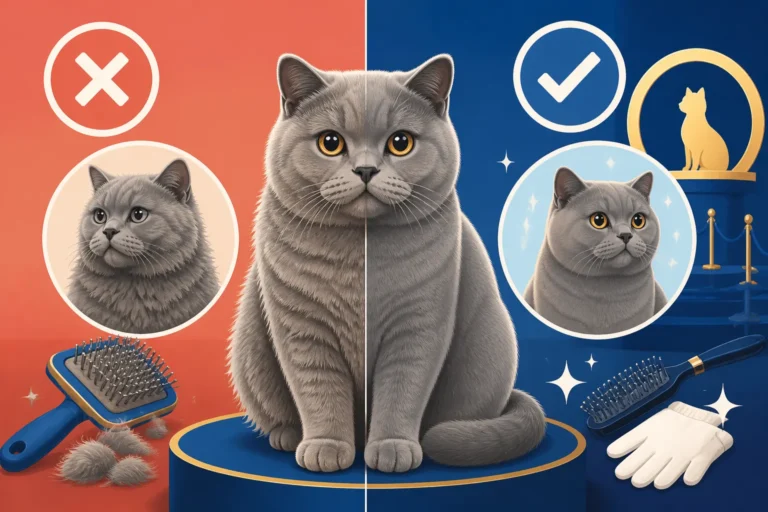
Regular grooming is essential to manage this shedding and keep their coat healthy and free of mats, especially because that dense undercoat can easily tangle. I always recommend a good quality metal comb over a brush, as a comb can penetrate the dense fur better and reach the undercoat without damaging the delicate guard hairs. Why a Comb Beats a Brush on a British Shorthair Tools from places like Chewy are readily available to help with this. While they aren't prone to severe matting like some long-haired breeds, knots can still form, particularly in less-groomed areas or if the cat is overweight and struggles to groom itself effectively. Consistent, gentle combing a few times a week will help remove loose hair, prevent hairballs, and keep their coat in pristine condition, honoring the natural efficiency of their ancestral fur.
The British Shorthair's dense coat is more than just a beautiful feature; it's a living piece of history, a testament to their resilience and adaptation to the challenging British climate. From Roman working cats to cherished household companions, this magnificent fur has served them well, providing warmth, protection, and a unique, tactile quality that makes them utterly irresistible. Understanding its purpose deepens our appreciation for these wonderful felines and reminds us of the practical heritage behind their teddy bear charm.
Disclaimer
This article is for general informational purposes only and does not constitute professional advice. Laws, prices and regulations vary by location and change over time. Consult a qualified professional for guidance on your specific situation.