Why the Blue Is the Best Known British Shorthair
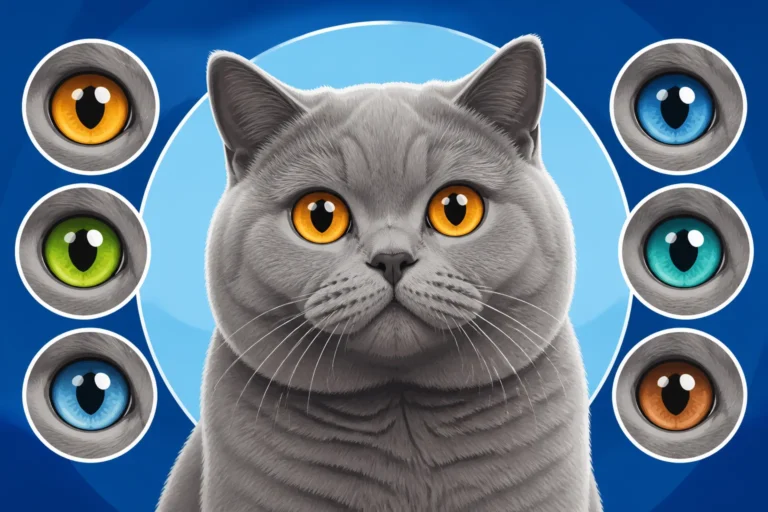
Oh, the classic British Shorthair! When most people picture this magnificent breed, a certain image immediately springs to mind, doesn't it? They envision that sturdy, plush-coated cat with those captivating copper eyes, looking rather like a wise, cuddly teddy bear. And more often than not, that mental picture is decidedly blue – a gorgeous, solid slate grey. But why is this particular shade so universally recognized, almost to the point where many folks mistakenly believe "British Blue" is a separate breed altogether? This guide will dive deep into the history, genetics, and cultural impact that made the blue British Shorthair the icon it is today.
The Enduring Image of the Blue British Shorthair
It’s truly fascinating how a single color can become so utterly synonymous with an entire breed. For the British Shorthair, it’s the stunning blue that has captured hearts and minds across the globe. You can mention "British Shorthair" to almost anyone, even those vaguely familiar with cat breeds, and they'll likely describe a blue one. This isn't just a coincidence; it's the result of decades of careful breeding, prominent historical showcasing, and a sprinkle of savvy media exposure. The image is powerful, almost ingrained.
The "Teddy Bear" Charm and Instant Recognition
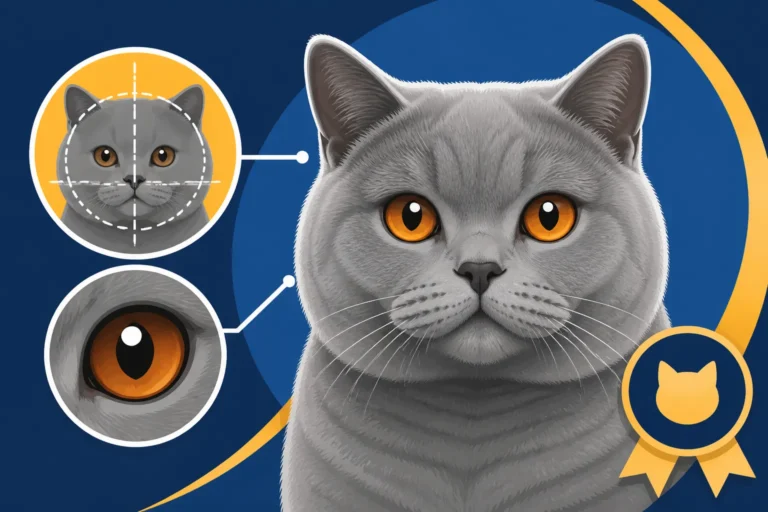
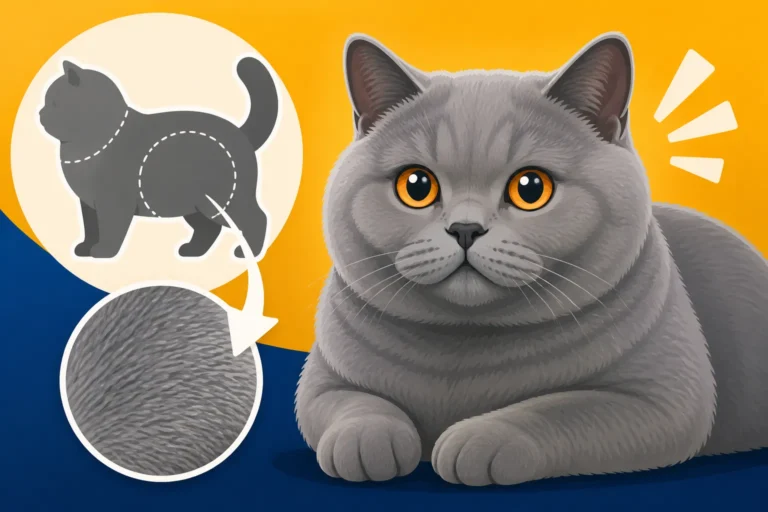
There's something incredibly endearing about a British Shorthair's appearance. Their wonderfully round faces, dense, crisp coats, and substantial bodies contribute to what many affectionately call the "teddy bear" look. Now, imagine that endearing quality cloaked in a serene, uniform blue. It creates an aesthetic that is both striking and incredibly soothing. This particular hue seems to enhance their already calm and dignified demeanor, giving them an almost aristocratic air. It's a color that exudes quiet confidence and elegance, making them instantly recognizable, whether you see them in a book, on a screen, or curled up on a friend's sofa. This unique combination of physical traits and color makes them stand out from the crowd and is likely a huge part of why the blue variety remains so memorable. It’s that immediate visual connection that makes us think, "Ah, a British Shorthair!"
Perhaps it’s the way the light catches their plush, blue fur, making them look like a soft, living sculpture. This is a cat that looks substantial, feels substantial, and the blue just seems to complete that picture of robust health and calm composure. It's a shade that works beautifully with their broad cheeks and large, round eyes, which are often a striking copper or gold in the blue varieties, creating a delightful contrast. The blue isn't just a color; it's a statement, a hallmark of the breed's iconic appearance. It's no wonder that a quick search for British Shorthair images on a platform like Chewy will predominantly display blue cats; it’s simply what people expect to see.
Public Perception and Cultural Influence
The public's perception of the British Shorthair is heavily, if not entirely, influenced by the blue variant. When someone says "British Shorthair," the image that pops into most minds isn't a ginger tabby or a creamy colorpoint, but that classic blue. This deep-seated perception has been nurtured by everything from early cat show victories to modern-day advertising campaigns. Think about it: how many times have you seen a cat in a commercial or a movie that you immediately recognized as a British Shorthair, and it was blue? This consistent portrayal reinforces the idea that this is what the breed looks like.
This cultural saturation isn't accidental. The blue British Shorthair has graced countless calendars, postcards, and even children's books. Its photogenic qualities and serene expression make it an ideal model, further cementing its place in our collective consciousness. It’s a bit of a self-fulfilling prophecy: the more visible the blue British Shorthair becomes, the more people associate the breed solely with that color. It leads to a situation where potential owners might even be surprised to learn that the breed comes in other magnificent shades, simply because the blue has dominated the visual landscape for so long.
A Deep Dive into British Shorthair History and the Blue's Ascendancy
To truly understand the blue British Shorthair's enduring fame, we have to journey back in time, to the very origins of the breed. This isn't just about a pretty color; it's about historical decisions, the perseverance of dedicated breeders, and the inherent appeal of a specific genetic trait. The blue wasn't just a color; it was the color in the breed's formative years.
Harrison Weir's Vision and Early Breed Development
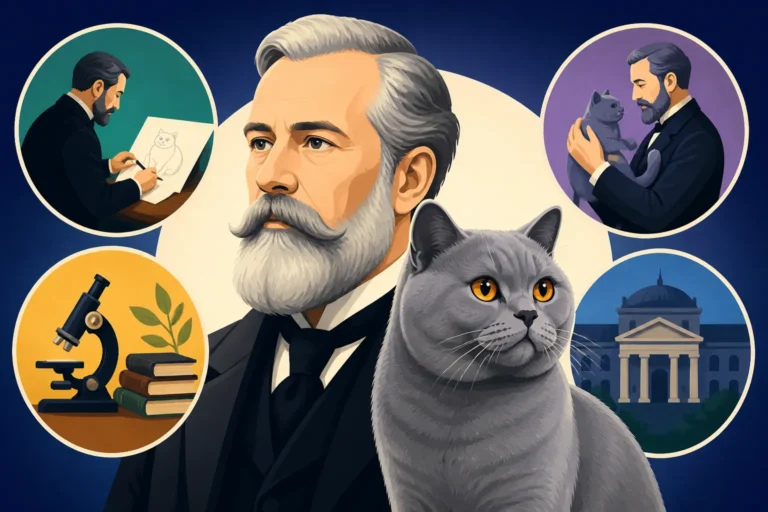
The story of the modern British Shorthair often begins with Harrison Weir, widely regarded as the "Father of the Cat Fancy." In the mid-19th century, Weir took the humble British street and farm cat – a robust, intelligent, and often short-haired feline – and envisioned it as a pedigreed breed worthy of exhibition. He curated these common cats, selecting for specific traits that would eventually define the British Shorthair as we know it today. And guess what color was incredibly prominent among these early "fancy" cats? Blue. Harrison Weir Put a British Shorthair on the Bench in 1871 is a testament to this foundational moment.
Weir himself owned and showed a blue tabby British Shorthair, and he was instrumental in setting the early breed standards. At the first organized cat show at London's Crystal Palace in 1871, blue British Shorthairs were heavily featured and admired. They represented a certain ideal of feline beauty and sturdiness that resonated with the Victorian public. This early success and prominence in the show ring immediately established blue as the quintessential British Shorthair color. It was the color that defined the breed in its infancy, setting a precedent that would last for over a century. The British Shorthair Started as a British Street Cat, and the blue among them quickly rose to prominence.
The Post-War Revival and the Persian Influence
The two World Wars were devastating for many cat breeds, and the British Shorthair was no exception. Breeding programs were severely disrupted, and the breed's numbers plummeted dramatically. After World War II, dedicated breeders faced the monumental task of rebuilding the British Shorthair population. To broaden the gene pool and re-establish the breed's desired characteristics, outcrossing with other breeds became necessary. The Persian was a particularly important choice for this, contributing to the British Shorthair's cobby body, round head, and dense coat. The Persians That Rebuilt the British Shorthair After the War played a significant role.
During this reconstruction period, blue remained a highly favored and intentionally bred color. Breeders painstakingly worked to bring back the "British type," and the blue variant was often at the forefront of these efforts. Its genetic ease of production (which we'll discuss next) likely made it a practical choice for quickly expanding lines, while its historical recognition made it a desirable one. The deep blue color, combined with the plush, resilient coat, meant that these cats were often the shining examples of successful breeding efforts, further solidifying their status as the breed's most iconic representation.
The Simple Genetics Behind the Dominance of Blue
It's not just history and human preference that pushed the blue British Shorthair into the spotlight. There's a fascinating genetic explanation for why this particular color is so prevalent and why it was relatively easy for early breeders to establish. Understanding the underlying science helps to demystify its widespread presence.
Understanding the Dilute Gene
At its core, the blue color in cats is a diluted version of black. Every cat carries genes for various coat colors, and among them is the "dilute" gene, often represented by the lowercase 'd'. If a cat inherits two copies of this recessive dilute gene (dd), it will dilute any solid color it would otherwise express. So, a cat genetically programmed for black fur, if it also inherits two dilute genes, will end up with a beautiful blue (grey) coat instead. Similarly, a red cat with two dilute genes becomes cream, and a chocolate cat becomes lilac.
Because the dilute gene is recessive, both parents must carry at least one copy of it to produce a blue kitten. However, if a parent is blue (meaning they have two copies of the dilute gene, dd), they will always pass on a dilute gene to their offspring. This makes it relatively straightforward for breeders to produce blue cats consistently once they have blue breeding stock. This genetic predictability made blue a reliable color for early breeders who were working to establish the breed and quickly increase its numbers.
Why Blue is a Breeder's Friend
From a breeder's perspective, the blue color can be quite advantageous, particularly in the early stages of breed development or reconstruction. Since blue is simply a diluted black, it's a fundamental color that is relatively easy to work with compared to more complex patterns or less common color genes. When breeders were trying to stabilize the British Shorthair type – focusing on head shape, body conformation, and coat texture – having a predictable and attractive base color like blue was incredibly helpful.
Imagine the challenge of establishing a breed while also trying to develop intricate patterns or rare color combinations. By focusing on blue, breeders could concentrate on refining the physical characteristics of the British Shorthair, knowing that the blue coat would consistently appear as a beautiful and widely accepted outcome. This ease of breeding for blue meant that many foundational lines were rich in the dilute gene, leading to a high proportion of blue cats within the breed right from the beginning. It became a readily available and highly desirable color, making it a "breeder's friend" in ensuring consistent production of visually appealing cats. The sheer volume of blue British Shorthairs produced over generations naturally led to their widespread recognition.
Dispelling the Myth: British Blue is Not a Separate Breed
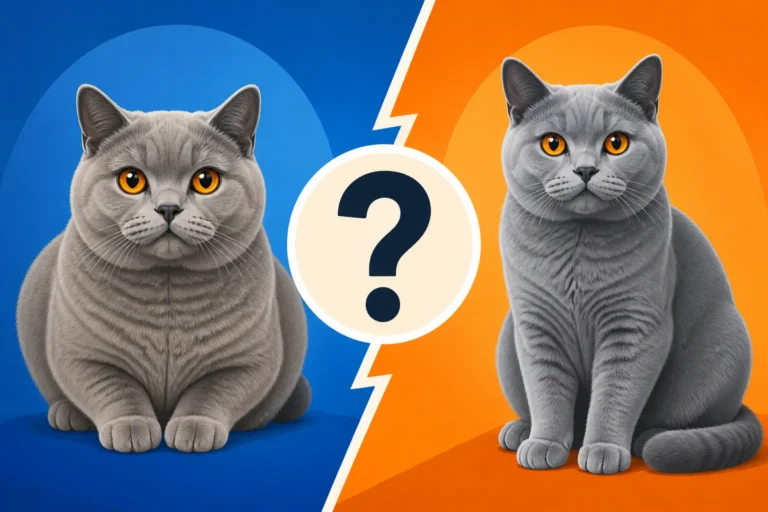
It's a common misconception, isn't it? Many people, even those who adore British Shorthairs, often refer to them as "British Blues," as if it's a distinct breed. You hear it at the vet, from friends, and sometimes even see it in casual online discussions. It's a testament to just how strongly the blue color is associated with the breed, but it's important to set the record straight: there's no such thing as a "British Blue" as a separate breed. It's simply a color variant within the overarching British Shorthair breed.
Clarifying the Breed Standard vs. Color
The official name of the breed is the British Shorthair. Full stop. The "Blue" merely describes its coat color. Think of it like a Labrador Retriever; you can have a yellow Lab, a black Lab, or a chocolate Lab, but they are all still Labrador Retrievers. The same principle applies here. The British Shorthair breed standard, as set by cat registries like the Cat Fanciers' Association (CFA) or The International Cat Association (TICA), describes the ideal physical characteristics and temperament of the cat, regardless of color. This includes their cobby body, round head, broad chest, short, dense coat, and calm disposition.
While blue is a highly recognized and accepted color within the British Shorthair standard, it's just one of many. A British Shorthair could be solid lilac, cream, black, white, chocolate, or even come in various tabby patterns (silver tabby, blue tabby, red tabby), bi-colors, or colorpoints. All these cats, regardless of their fur color, are still British Shorthairs, provided they meet the breed's structural and temperamental requirements. To suggest "British Blue" is a separate breed is to diminish the beautiful diversity within the British Shorthair family. Whether the British Blue Is a Separate Breed From the British Shorthair is a critical point of clarity for new owners.
Historical Terminology and Lingering Confusion
The reason for this common confusion lies partly in history. In the early days of the cat fancy, when breeds were still being established and codified, it wasn't uncommon for a particular color to become so dominant that it almost lent its name to the breed. The British Shorthair's journey began with a strong emphasis on blue cats, as we discussed with Harrison Weir's early efforts. This led to terms like "British Blue" being used, perhaps as a shorthand or to emphasize the most common presentation of the breed.
Even today, in some circles or older texts, you might still encounter the "British Blue" moniker. This historical usage has lingered, perpetuating the idea that it's a distinct entity rather than a color classification. For newcomers to the breed, this can be genuinely perplexing. It’s like hearing someone say "white cat" and thinking it's a different species from a "black cat." It takes a bit of education to untangle this historical linguistic quirk from the actual scientific and breed classification. When you're browsing for British Shorthair supplies on a site like Chewy, you'll see a vast range of products suitable for British Shorthairs of all colors, reinforcing that they are one breed.
Beyond Blue: The Rich Tapestry of British Shorthair Colors
While the blue British Shorthair rightfully holds its place in the spotlight, it's a disservice to the breed not to acknowledge the incredible array of other colors and patterns it comes in. These other variations are equally stunning and possess the same wonderful British Shorthair temperament and physical traits. It's a true rainbow of feline beauty, waiting to be discovered beyond the iconic blue. A British Shorthair Comes in More Colors Than You Think, and it’s a wonderful surprise for many.
From Lilac to Golden: A Rainbow of Possibilities
The British Shorthair breed standard actually permits a remarkable spectrum of colors and patterns. Beyond the popular blue, you can find solid colors such as black, white, cream, red, and chocolate. Then there are the diluted versions of these: lilac (a diluted chocolate, appearing as a pinkish grey), and fawn (a diluted cinnamon, often a warm beige). Imagine a British Shorthair with a coat the color of a dusky rose, that's lilac! Or a rich, warm cream that looks like a dollop of clotted cream.
Beyond the solid colors, the British Shorthair also comes in a myriad of patterns. Tabby patterns are incredibly common and striking, including classic (marbled), mackerel (striped), spotted, and ticked varieties, often seen in silver, brown, blue, red, and cream. There are also beautiful bi-colors (cats with white patches combined with another color), colorpoints (like a Siamese, with darker points on ears, face, paws, and tail), and even the exotic-looking golden and silver shaded varieties, where only the tips of the hairs are colored. Each one is a work of art, with the same signature round head and dense coat. Which Colors a British Shorthair Comes In is a fantastic read for exploring this diversity.
The Challenge for Other Colors to Gain Traction
Given such a magnificent array of colors and patterns, why do the others struggle to gain the same widespread recognition as the blue? Part of it, as we've discussed, is historical precedent and media representation. The blue had a head start and has been consistently reinforced as the image of the breed. For a long time, particularly in the UK, "British Shorthair" almost exclusively meant blue. Other colors, while beautiful, simply haven't had the same amount of exposure.
Another factor might be the sheer elegance and simplicity of the solid blue coat. It's striking without being overtly flashy, and it complements the breed's stocky build and calm demeanor perfectly. More complex patterns, while stunning, might not immediately convey the "teddy bear" image as cleanly as a solid blue. Breeders of other colors often work incredibly hard to highlight their beauty, but they face an uphill battle against decades of established perception. However, as more people discover the breed and its delightful personality, these other colors are slowly gaining appreciation and popularity, allowing the true diversity of the British Shorthair to shine. Finding toys or specific accessories on Chewy for a British Shorthair with a less common color doesn't change the fact that the underlying needs for grooming and play are the same!
Media, Marketing, and the Blue British Shorthair's Stardom
It's hard to deny the power of media and marketing in shaping our perceptions. For the British Shorthair, this influence has been profound, consistently placing the blue variant front and center, further cementing its iconic status. From classic animated characters to modern-day internet sensations, the blue British Shorthair has a knack for stealing the show.
Iconic Appearances in Advertising and Entertainment
Perhaps one of the most famous and enduring examples of the blue British Shorthair's media presence is its association with the "Whiskas Cat" in many parts of the world. For decades, the charming, chunky grey cat with the piercing eyes became the face of Whiskas cat food advertisements. This exposure alone put the blue British Shorthair into millions of homes, making it instantly recognizable even to those who knew nothing about pedigreed cats. That dignified, slightly grumpy yet utterly adorable face became synonymous with quality cat food and, by extension, with the very idea of a contented housecat.
Beyond advertising, blue British Shorthairs have also made appearances in films, television shows, and even as inspirations for beloved characters. Think of the calm, sometimes stoic, feline presence that seems to embody British charm – it’s often a blue British Shorthair. Their unruffled demeanor and distinct appearance make them ideal for roles that require a cat with presence, without being overly dramatic. This constant visual reinforcement in popular culture ensures that the blue image persists, even as other colors gain more exposure within the cat fancy.
How Popular Culture Solidified the Blue Image
The cumulative effect of these media appearances is massive. Each time a blue British Shorthair appears in a commercial, a movie, or even as a popular meme on social media, it subtly, yet powerfully, reinforces the idea that this is the definitive look of the breed. It creates a feedback loop: the blue cats are famous because they're recognizable, and they're recognizable because they're famous. This isn't to say other British Shorthair colors aren't beautiful or worthy of attention; it's just that the blue has had a significant head start in the public eye.
For many potential cat owners, their first introduction to the British Shorthair breed might well be through one of these popular culture references. They see the calm, plush blue cat and fall in love with the image, often leading them to specifically seek out a blue British Shorthair kitten. This demand, in turn, encourages breeders to continue producing blue cats, ensuring their continued prevalence and visibility. It’s a wonderful cycle of admiration and recognition that has firmly established the blue British Shorthair as the undisputed face of the breed. It truly embodies the phrase Why Blue Is the Only British Shorthair Color People Know for so long.
| Feature | Public Perception (Often Blue) | Reality (British Shorthair Breed) |
|---|---|---|
| Associated Color | Primarily blue/grey | Many colors and patterns (blue, lilac, cream, golden, silver, tabby, colorpoint, etc.) |
| Breed Name | Often referred to as "British Blue" | Officially "British Shorthair"; "Blue" denotes only the color |
| Distinctiveness | Blue coat seen as a defining, unique characteristic of the breed | The breed's defining characteristics are its cobby body, round head, dense coat, and temperament – not exclusively blue color |
| Popularity Driver | Iconic blue color in media, advertising, and early show history | Overall calm temperament, plush coat, and sturdy build contribute to popularity, across all colors |
| Availability | Blue kittens are widely recognized and often sought after | Other colors and patterns are equally legitimate and available from reputable breeders, though less universally known |
Disclaimer
This article is for general informational purposes only and does not constitute professional advice. Laws, prices and regulations vary by location and change over time. Consult a qualified professional for guidance on your specific situation.