Whether the British Shorthair Was Once the English Shorthair
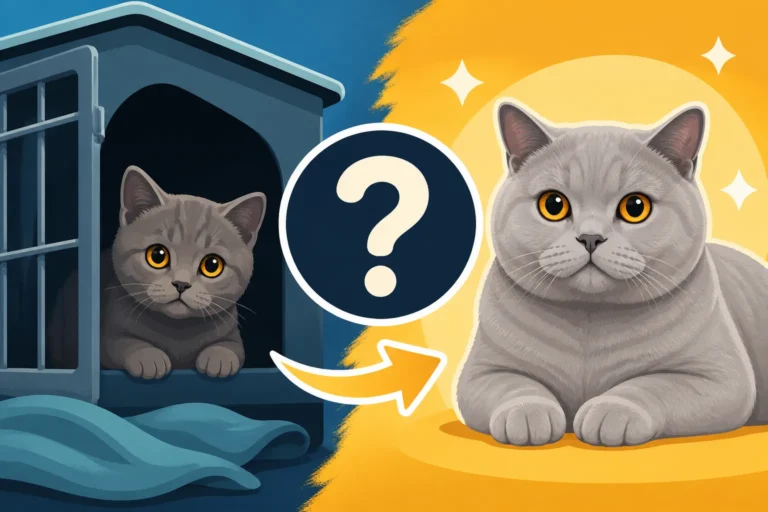
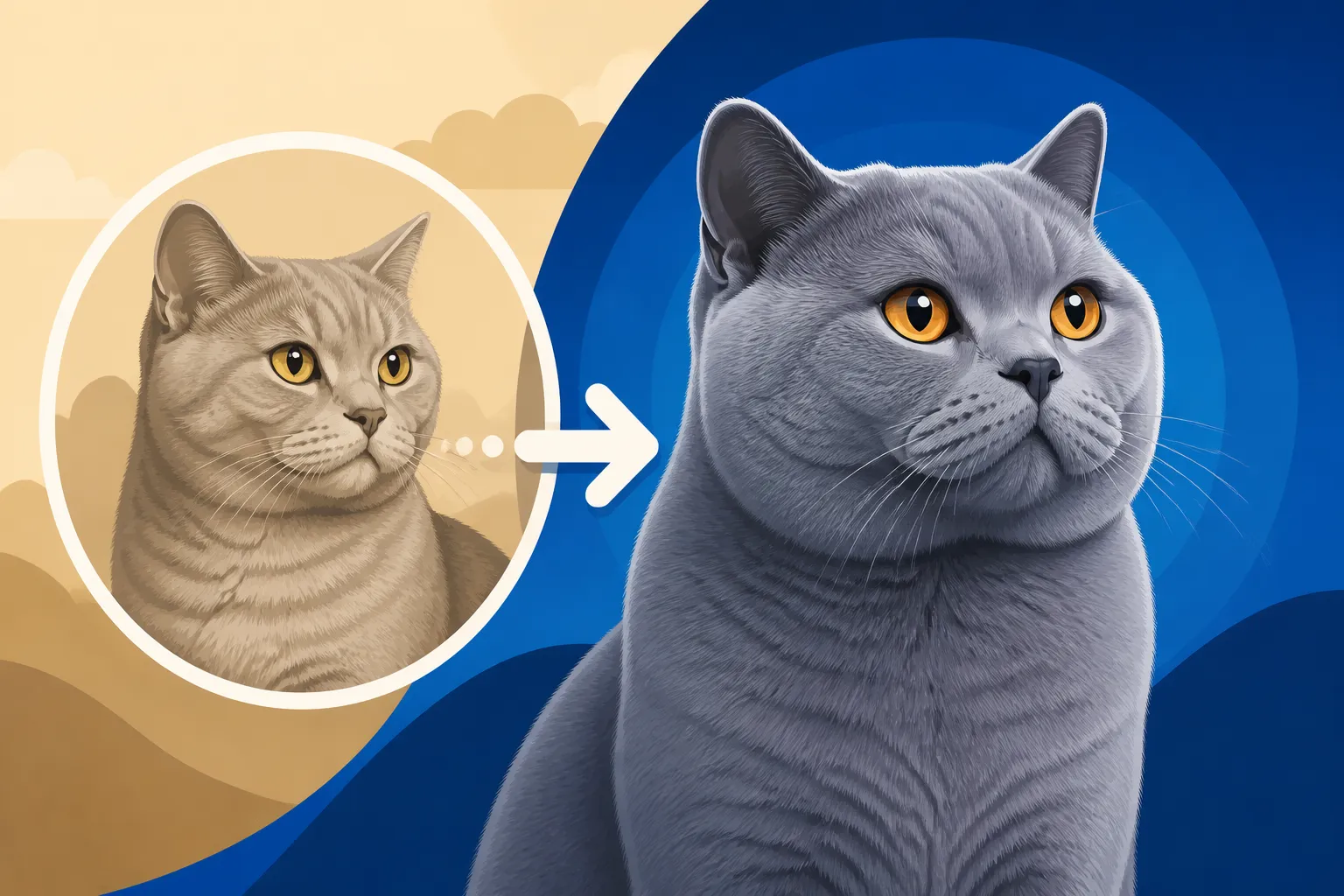
Have you ever heard someone refer to a British Shorthair as an "English Shorthair" and wondered if they were talking about the same magnificent, round-faced cat? It's a common point of confusion, and frankly, it's easy to see why. These plush, teddy-bear-like felines are so iconic that it feels natural to assume they might have had various regional names over their long history. This guide is going to dive deep into the fascinating lineage and official naming of this beloved breed, clearing up whether the "English Shorthair" was ever a formally recognized predecessor to the "British Shorthair" we adore today.
The British Shorthair's True Origins
Before we delve into the formal naming, it's crucial to understand that the British Shorthair didn't just appear out of thin air. This breed, in its essence, represents the indigenous domestic cats of Great Britain, thriving on the island for centuries before anyone ever thought to call them a "breed" in the modern sense. Their history is deeply intertwined with the very fabric of British life.
From Roman Companions to Working Cats
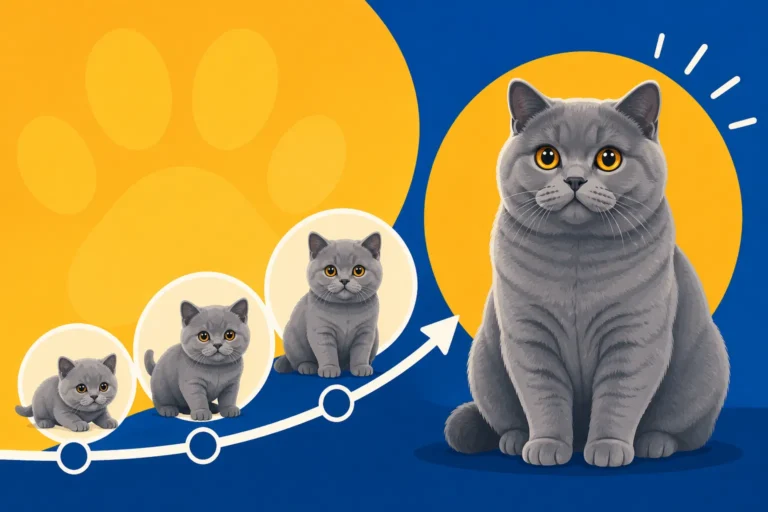
The earliest ancestors of the British Shorthair are believed to have arrived with the Roman legions, brought to Britain to protect grain stores from rodents. These Roman cats were hardy, resourceful, and quickly adapted to the cooler, often damp British climate. Over many generations, they interbred with local wild felines, evolving into a robust, short-haired type perfectly suited to the environment. They became ubiquitous, living alongside people in villages, towns, and on farms across the island, earning their keep as highly efficient pest controllers. They were simply "the cats" of Britain. Whether the British Shorthair Was Ever a Working Cat These were not pampered house pets, but working animals whose survival depended on their natural instincts and sturdy constitution.
These foundational cats developed a dense, weather-resistant coat and a solid, muscular build – traits that are still hallmarks of the breed today. They were survivors, independent and intelligent, perfectly capable of fending for themselves but also forming bonds with humans. This long history of natural selection and adaptation meant that by the time the concept of "cat breeds" began to emerge, there was already a distinct and recognizable type of cat spread throughout the British Isles, ready to be celebrated and formalized.
The Early Days of Cat Fancy in Britain
The mid-19th century saw the burgeoning of the "cat fancy," a movement largely spearheaded by the passionate animal lover and artist Harrison Weir. Before Weir's time, cats were generally viewed through a utilitarian lens or as common household pets, with little distinction made between different types beyond their coloring or coat length. Weir, however, recognized the inherent beauty and distinct characteristics of the native British cats. He saw the potential to elevate these humble, everyday felines to the status of a recognized breed, complete with a carefully defined standard.
It was Harrison Weir's vision to preserve and promote the native British shorthaired cat, which he believed was unique and deserving of formal recognition. He wasn't inventing a new cat; rather, he was identifying, appreciating, and standardizing a type that had existed for centuries. Who Harrison Weir Was to the British Shorthair This was a radical idea for its time, laying the groundwork for how we understand pedigreed cats today. He understood that to gain respect and allow for focused breeding, these cats needed a name that reflected their origins and heritage. Imagine trying to find specific grooming tools or a particular type of food for an "English short-haired street cat" versus a clearly defined "British Shorthair" today on a site like Chewy – the clarity makes all the difference.
Harrison Weir and the First Breed Standard
The late 19th century marked a pivotal moment for the British Shorthair, as the efforts of Harrison Weir and other early enthusiasts led to the formal establishment and recognition of the breed. This period was characterized by a desire to bring order and structure to the burgeoning world of cat breeding, ensuring that distinct types were preserved and developed.
The Birth of the "British Shorthair"
Harrison Weir's primary objective was to create a breed standard for the common, indigenous short-haired cat found across Great Britain. He sought to give these cats a name that accurately reflected their country of origin and their most prominent physical trait – their short, dense coat. The name "British Shorthair" was a deliberate and inclusive choice. It wasn't "English Shorthair," "Scottish Shorthair," or "Welsh Shorthair," but rather "British," signifying that these cats were representative of the entire island nation. This was an important distinction, as it acknowledged the widespread presence of these cats across the United Kingdom and fostered a sense of national pride in their development.
The decision to use "British" rather than a more localized term like "English" was strategic, aiming for a broader appeal and acceptance among all breeders and cat lovers in the UK. It spoke to a unified vision for a truly national breed. This meticulous approach to naming ensured that the breed's identity was clear and robust from its very inception, setting it apart from other emerging breeds and cementing its place in the fledgling cat fancy.
The Crystal Palace Show of 1871
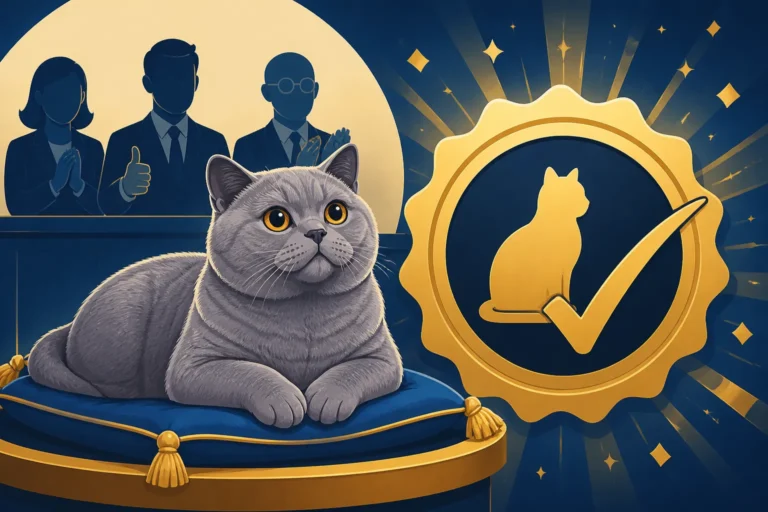
The formal introduction of the British Shorthair to the world of pedigreed cats occurred at the first-ever organized cat show, held at the Crystal Palace in London in 1871. This landmark event, orchestrated by Harrison Weir, was nothing short of revolutionary. It showcased various feline breeds and types, but the British Shorthair held a special place, representing the native cat of the host nation. What Happened to the British Shorthair at Crystal Palace Weir himself exhibited his own British Shorthair, and the breed garnered significant attention, winning Best in Show. This victory was a powerful endorsement, signaling that the humble British street cat could indeed be a champion.
The Crystal Palace show effectively launched the British Shorthair into public consciousness under its chosen, official name. From this point forward, "British Shorthair" became the accepted and recognized term for this distinct type of cat within the organized cat fancy. When the British Shorthair First Appeared at a Cat Show The breed standard, meticulously drawn up by Weir, detailed the desired physical characteristics, ensuring that breeders had a clear blueprint to follow. This event was not just a show; it was a foundational moment that solidified the British Shorthair's identity and set its course as a beloved and internationally recognized breed.
The Shifting Sands of Nomenclature
Despite the formal naming and recognition of the British Shorthair in the late 19th century, it's not uncommon for people to wonder if the term "English Shorthair" might have existed or been used at some point. This confusion often stems from informal language or regional preferences, rather than any official designation.
Regional Preferences and Informal Monikers
It's entirely plausible that, in local parlance or among small, informal groups of cat enthusiasts, the term "English Shorthair" might have been used colloquially. People naturally tend to describe things in terms of their immediate surroundings. Just as we have "American Shorthairs" that are distinct from their British counterparts, it wouldn't be a stretch for someone in, say, Kent or Yorkshire to refer to the local sturdy, short-haired cats as "English Shorthairs." How a British Shorthair Differs From an American Shorthair These informal names, however, would have lacked any official backing from emerging cat registries or established breed standards. They would have been descriptive terms, not formal breed designations.
Such informal monikers typically don't carry the weight or uniformity required for serious breeding programs or competition. They are more akin to nicknames that reflect a geographical origin rather than a globally recognized identity. For instance, you might refer to a specific type of dog as a "mountain dog" in your area, but its official breed name remains the same, regardless of where it resides. Even today, you might hear a local term, but it doesn't change the official designation. This is especially true when a breed gains popularity and its official name becomes widely known, like with British Shorthairs, whose specific needs for sturdy cat trees or specialized diets are easily met through extensive online retailers such as Chewy.
Why "British" Rather Than "English" Prevailed
The definitive choice of "British Shorthair" over "English Shorthair" by Harrison Weir and the early cat fancy was a deliberate and forward-thinking one. Great Britain is composed of England, Scotland, and Wales, with Northern Ireland forming part of the United Kingdom. To name the breed "English Shorthair" would have geographically limited its identity and potentially alienated breeders and enthusiasts from other parts of the island. The "British" designation was inclusive, reflecting that these robust, short-haired cats were indigenous to the entire landmass, not just one constituent country.
This broader terminology fostered a sense of unity and national pride across the nascent British cat fancy, preventing regional rivalries over naming conventions. It ensured that breeders from all corners of Great Britain could feel a sense of ownership and contribution to the breed's development. Ultimately, the comprehensive nature of "British Shorthair" helped it to prevail as the consistent, official, and internationally recognized name, quickly overshadowing any fleeting or informal use of "English Shorthair." This historical context strongly answers the question of Whether the British Shorthair Was Once the English Shorthair.
Post-War Rebuilding and Standardisation
The early successes of the British Shorthair were severely tested by the tumultuous events of the 20th century, particularly the two World Wars. These global conflicts brought cat breeding to a near standstill, threatening the very existence of many pedigreed breeds, including the British Shorthair.
The Impact of World Wars on Cat Breeding
The World Wars, especially World War II, had a devastating impact on cat populations across Europe, and the British Shorthair was no exception. With resources scarce, travel restricted, and the focus of nations squarely on human survival, the luxury of breeding and showing pedigreed cats became an impossible pursuit. Many established catteries were dissolved, breeding lines were lost, and the overall population of British Shorthairs plummeted to dangerously low numbers. Why British Shorthair Numbers Collapsed in the Wars It was a truly desperate time for breed enthusiasts, who feared that their beloved cats might vanish entirely.
Breeders who remained active faced immense challenges. They struggled to find suitable mates for their remaining cats and to maintain the breed's standards amidst such hardship. The gene pool shrank dramatically, necessitating difficult decisions regarding outcrossing. This period represented a severe bottleneck in the breed's history, highlighting its resilience and the dedication of those few who strived to keep it alive through incredibly trying circumstances.
Solidifying the British Shorthair Identity
In the aftermath of the wars, a monumental effort was undertaken by dedicated breeders to revive and restore the British Shorthair. This involved careful planning, selective breeding, and in some cases, outcrossing with other breeds like the Persian and domestic shorthairs to reintroduce genetic diversity and bolster dwindling numbers. Which Breeds Rebuilt the British Shorthair Crucially, throughout this rebuilding phase, the name "British Shorthair" remained the consistent and unifying designation. There was no move to rebrand or rename the breed; the focus was on recovering its lost heritage under its established identity.
As the cat fancy slowly recovered, the British Shorthair gained international recognition from major organizations such as the Cat Fanciers' Association (CFA) in North America and The International Cat Association (TICA). This global acceptance further solidified "British Shorthair" as the official and universally understood name. When the CFA Recognized the British Shorthair This period of post-war recovery and subsequent international recognition effectively put to rest any lingering, informal regional names, ensuring that the breed's identity was clear and consistent across the globe, allowing it to flourish and gain the widespread adoration it enjoys today.
The Enduring Legacy of the British Shorthair
The journey of the British Shorthair, from ancient Roman companion to a globally recognized pedigreed cat, is a testament to its charm, resilience, and the dedication of those who nurtured its development. Its name, "British Shorthair," has stood the test of time, defining its identity for generations.
What the Name "British Shorthair" Signifies Today
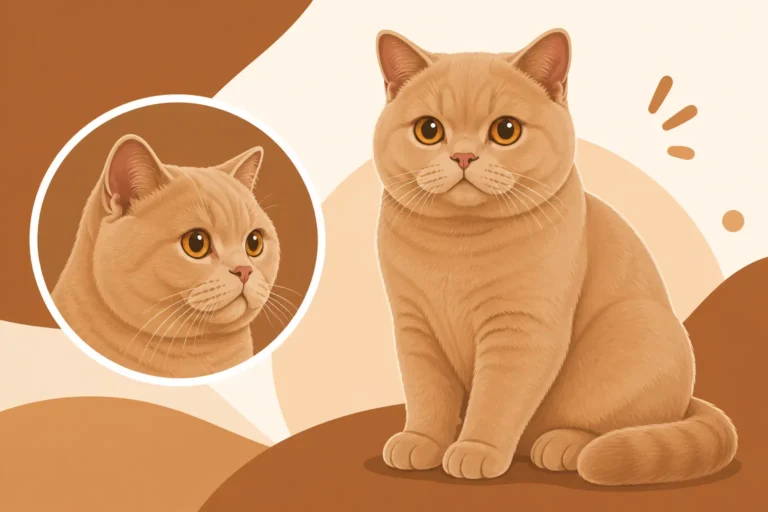
Today, the term "British Shorthair" is universally recognized and understood across the world. It conjures a distinct image: a sturdy, substantial cat with a round face, full cheeks, a dense plush coat, and often large, round copper-colored eyes that give it a perpetually pleasant, albeit sometimes serious, expression. The Round Head and Copper Eye a British Shorthair Is Judged On The name is synonymous with a specific set of characteristics that have been carefully preserved and enhanced over more than a century of selective breeding. It signifies a breed with a deep-rooted history, a unique charm, and a consistent standard that breeders worldwide strive to uphold.
For prospective owners, cat enthusiasts, or even casual admirers, the "British Shorthair" label is clear and unambiguous. It ensures that when someone is looking for this particular breed, whether from a reputable breeder or perhaps seeking specialized products from a trusted retailer like Chewy, they know exactly what they are getting. The name itself has become a brand, representing quality, tradition, and the delightful personality embedded within this iconic feline.
Beyond the Name: The Irresistible Charm of the Breed Itself
While the history of its name is certainly fascinating, what truly endears the British Shorthair to countless individuals is its intrinsic nature and irresistible charm. They are renowned for their calm, placid demeanor, making them wonderful companions for a variety of households. What a British Shorthair's Temperament Is Really Like They are typically not overly demanding or hyperactive; instead, they exude a quiet confidence and gentle affection. They often prefer to be near their human companions rather than directly on their laps, earning them the affectionate description of preferring to "sit near you, not on you." A British Shorthair Sits Near You, Not On You
Their easygoing nature, combined with their striking appearance, has cemented their status as one of the most popular cat breeds globally. The resilience shown in their history, from their ancient origins to their survival through wartime devastation, speaks volumes about their enduring appeal. Ultimately, whether called by their official name or an occasional informal moniker from the past, the British Shorthair's true legacy is the quiet joy and steadfast companionship they bring to homes around the world.
| Feature | "English Shorthair" (Historical/Informal) | "British Shorthair" (Official/Modern) |
|---|---|---|
| Usage | Colloquial, regional, unofficial | Formal, registered, international |
| Recognition | None by major cat registries | Universally recognized by all major cat registries (e.g., GCCF, CFA, TICA) |
| Scope | Likely limited to cats within England | Encompasses cats from all of Great Britain and globally |
| Breed Standard | No formal, unified standard | Governed by strict, detailed breed standards |
| Time Period | Potentially early informal use, pre-1871 | From 1871 to present day |
| Current Status | Obsolete as a formal term | The correct and accepted name |
Disclaimer
This article is for general informational purposes only and does not constitute professional advice. Laws, prices and regulations vary by location and change over time. Consult a qualified professional for guidance on your specific situation.