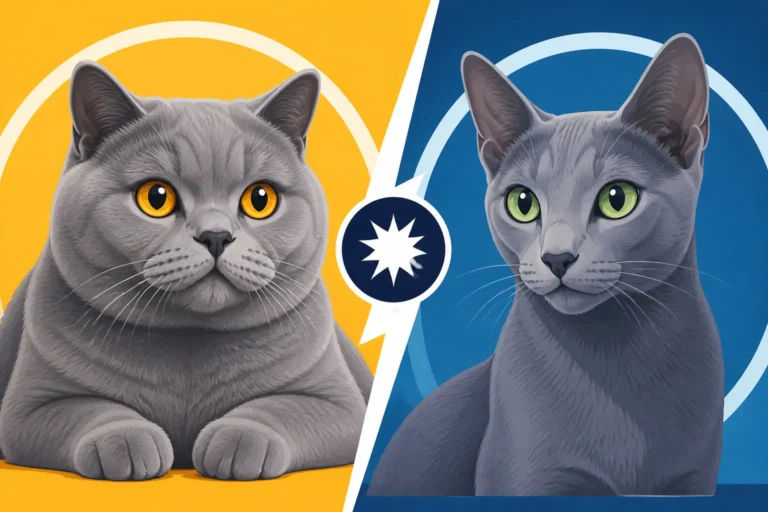
What Happened to the British Shorthair at Crystal Palace
For anyone who has ever gazed at the majestic, calm demeanor of a British Shorthair, it’s hard to imagine a time when these beautiful cats weren't celebrated. But rewind to the mid-19th century, and the world of cats was a very different place. Most cats were simply working animals, valued for their mousing skills, not for their beauty or pedigree. This guide will take you back to a pivotal moment in feline history, exploring the legendary Crystal Palace Cat Show of 1871 and the dramatic impact it had on the British Shorthair, a breed that, against all odds, rose from humble beginnings to become a beloved icon.
The Visionary: Harrison Weir and the First Cat Show
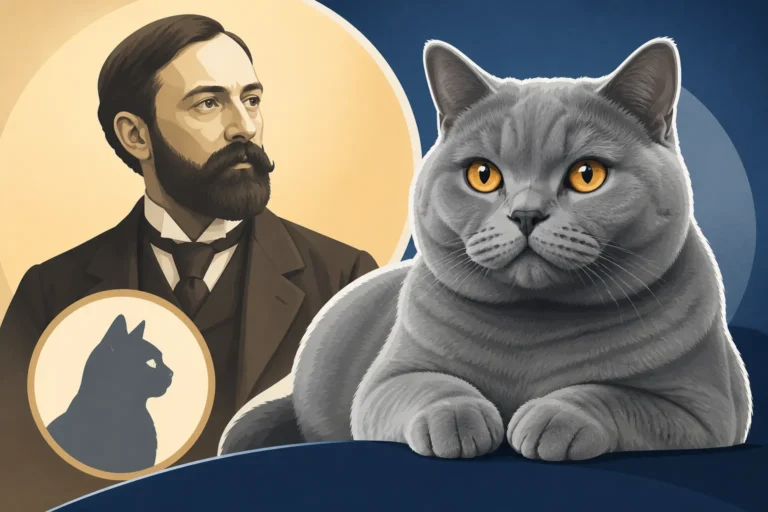
Before the British Shorthair could capture the public's imagination, someone had to imagine a world where cats were more than just barn dwellers. That someone was Harrison Weir, a true pioneer whose passion for felines changed their destiny forever. He didn't just love cats; he saw their inherent beauty and dignity, recognizing that they deserved the same admiration and structured appreciation that dogs and other livestock received.
Weir's Passion for Cats
Harrison Weir was an artist, an author, and above all, an ardent admirer of the common domestic cat. Growing up in a time when cats were largely ignored by high society, he spent countless hours observing them, sketching them, and appreciating their varied forms and personalities. He believed that the native British cats, with their robust builds and dense coats, possessed a unique charm and character that deserved formal recognition. It wasn't just about pretty faces; it was about honoring the very essence of the feline form, something most people simply overlooked. He saw the potential for a structured "cat fancy" where breeds could be defined, improved, and showcased, much like his beloved poultry and pigeons.
He saw the robust, typically tabby, or solid-colored cats that roamed the British streets and farms, and he saw them as something truly special. These weren't just random creatures; they were hardy, intelligent animals that had adapted perfectly to the British climate. Weir felt a deep desire to elevate these cats, to give them a platform where their inherent qualities could be admired. His vision was to take these ordinary, yet extraordinary, cats and introduce them to the world in a way that would change public perception forever. He wanted people to see the beauty in the everyday cat, and to understand that cats, too, could be subjects of pride and selective breeding. This personal conviction was the driving force behind everything that followed.
Establishing the Cat Fancy
Weir's vision wasn't just a fleeting dream; it was a carefully constructed plan to formalize the world of cat breeding and showing. He dedicated himself to developing standards for what he considered the "natural" British cat, meticulously outlining desirable traits like coat texture, body type, and head shape. He championed the idea that cats, like dogs, could have distinct breeds, each with its own unique characteristics. This was a radical concept at a time when most people simply referred to cats by their color or general type.
To bring his dream to fruition, Weir approached various organizations with the revolutionary idea of a cat show. He wanted an event where different types of cats could be exhibited, judged against established criteria, and celebrated. It took considerable effort and persuasion to convince the powers that be that such an event would be popular and, crucially, respectable. His persistence paid off, and in 1871, with the support of the Crystal Palace Company, the first organized cat show in history became a reality. This wasn't just a local gathering; it was a grand affair designed to capture national attention, and it did. The groundwork laid by Weir for this inaugural event was the very foundation upon which the entire modern cat fancy was built, establishing principles that continue to guide breeders and enthusiasts today. You can learn more about his incredible contribution in Harrison Weir Put a British Shorthair on the Bench in 1871.
The Crystal Palace Cat Show of 1871
The date was July 13, 1871. The location: London's magnificent Crystal Palace, a monumental glass and iron structure originally built for the Great Exhibition of 1851. This wasn't just any venue; it was a symbol of Victorian innovation and grandeur, lending an air of immense prestige to what could have otherwise been dismissed as a quirky novelty. For the first time, cats were placed on pedestals, literally and figuratively, for public admiration and scrutiny.
A Groundbreaking Event
The 1871 Crystal Palace Cat Show was an unprecedented spectacle. Imagine the buzz and curiosity among the Victorian public! Newspapers carried announcements, and people flocked to witness this entirely new kind of exhibition. Over 170 cats were entered, representing a surprisingly diverse array of types, from the robust domestic shorthairs that would eventually become the British Shorthair, to more exotic long-haired varieties brought from distant lands. Each cat was housed in its own individual cage, much like a modern cat show, with judging criteria based on Weir's pioneering efforts to define different "breeds" or types.
The sheer novelty of the event was a massive draw. People were accustomed to dog shows, livestock shows, and even bird shows, but a cat show? It was unheard of. The event proved to be a resounding success, drawing thousands of visitors and sparking widespread discussion about the beauty and potential of purebred cats. It elevated the status of cats in the public eye from mere utilitarian animals to creatures worthy of aesthetic appreciation and dedicated breeding. This groundbreaking show set the template for all subsequent cat shows around the world and solidified Harrison Weir's legacy as the "Father of the Cat Fancy." It truly marked the birth of cat breeding as we know it today, a monumental shift in how humans perceived their feline companions.
The British Shorthair's Moment
Among the many cats exhibited at Crystal Palace, it was the native British street and farm cats that Harrison Weir championed most fervently. These were the ancestors of what we now know as the British Shorthair. Weir himself exhibited a magnificent blue tabby British Shorthair, a testament to his belief in the breed's intrinsic quality. This cat, along with others of similar sturdy build and dense coat, was presented as a distinct and valuable "type" – the British Tabby or British Ordinary cat. Weir's intention was to give these common cats a formal identity and to encourage their preservation and improvement through selective breeding.
While there wasn't a formal "British Shorthair" breed name as we use it today, the cats representing this robust, cobby type were very much the stars of the show in Weir's eyes. They embodied his ideal of the hardy, handsome British cat. The judges, guided by Weir's emerging standards, awarded prizes to these substantial, short-coated felines, effectively giving them official recognition and a much-needed boost in status. It was a crucial step in transforming the perception of these cats from anonymous mousers to cherished pedigree animals, laying the foundation for their future as a recognized and admired breed. You can dive deeper into this specific victory in Which British Shorthair Won the First Cat Show.
Judging Standards and Early Recognition
The judging at the 1871 show, while rudimentary by today's sophisticated standards, was revolutionary for its time. Harrison Weir had spent years meticulously documenting the characteristics he believed defined the ideal British cat. He published these detailed descriptions, outlining what a well-proportioned cat should look like, how its coat should feel, and the desired expression of its face. These weren't just personal preferences; they were an attempt to create objective criteria that could be applied across different entries. Judges were tasked with evaluating cats based on these newly formed "standards," looking for qualities such as a broad head, round eyes, a strong, cobby body, and a short, dense coat.
This structured approach to judging was a radical departure from simply admiring a cat's prettiness. It meant that a cat's worth was no longer purely subjective but could be measured against a set of agreed-upon ideals. While the concept of a "pedigree" was still in its infancy, this show marked the first time that cats were assessed not just as individuals, but as representatives of a specific type. The success of the British-type cats at Crystal Palace immediately granted them a level of legitimacy and importance, validating Weir's efforts and sparking widespread interest in formal cat breeding. This initial recognition was critical, providing the impetus for dedicated breeders to continue refining and promoting the nascent British Shorthair breed.
The British Shorthair's Early Success and Subsequent Challenges
The Crystal Palace show catapulted the British Shorthair into the spotlight, but its journey to enduring popularity was far from a straight line. The breed experienced an initial wave of enthusiasm, only to face significant challenges that threatened its very existence.
Initial Popularity and the Blue Variety
In the years immediately following the Crystal Palace show, the British Shorthair enjoyed considerable popularity. People were captivated by their solid, teddy-bear like appearance and calm temperament. The blue variety, in particular, quickly became a favorite. Its striking grey-blue coat and typically copper-colored eyes made it instantly recognizable and highly sought after. These "British Blues," as they became known, were often the most prized and exhibited cats, cementing their image as the quintessential British Shorthair in the public consciousness.
Breeders, inspired by Weir's work, began to focus on selectively breeding for these desirable traits, aiming to produce cats that conformed closely to the emerging standards. The demand for these sturdy, good-natured felines grew, and their presence in cat shows became more prominent. For a time, it seemed the British Shorthair's future was secure, riding high on the wave of its newfound recognition. People were eager to welcome these charming, low-maintenance cats into their homes, appreciating their robust health and generally placid nature. This early success laid a strong foundation for the breed's identity, with the blue color becoming almost synonymous with the British Shorthair itself.
The Rise of Exotic Breeds
However, this early success was eventually overshadowed by a new fascination with more exotic breeds. As global trade routes expanded and travel became more accessible, new and striking cat varieties began to arrive on British shores. The long-haired Persian, with its luxurious flowing coat and dramatic appearance, quickly captured the public's imagination. Its "glamour" often outshone the more understated charm of the British Shorthair, leading to a shift in preferences among breeders and the show-going public.
The cat fancy, still in its nascent stages, was heavily influenced by novelty and aesthetic trends. Breeders began to import and develop other breeds like the Siamese, with its slender build and piercing blue eyes, further diversifying the competitive landscape. These newcomers, with their distinct and often more "dramatic" features, drew attention away from the native British cat. Many breeders who had initially worked with British Shorthairs found themselves drawn to the excitement and prestige associated with these newer, more flamboyant breeds. The British Shorthair, once a pioneer, began to recede into the background, struggling to maintain its foothold in a rapidly evolving cat fancy.
Impact of the World Wars
Just as the British Shorthair was facing an uphill battle against the popularity of more exotic breeds, an even greater threat emerged: the World Wars. These devastating global conflicts had a catastrophic impact on cat breeding, including the British Shorthair. During wartime, resources were scarce, food rationing was common, and simply keeping pets, let alone breeding them, became a luxury that few could afford or justify. Many catteries had to close, and valuable breeding lines were lost as breeders struggled to feed themselves and their families, let alone their animals.
The focus shifted entirely to human survival, and the meticulous work of selective breeding came to a grinding halt. Traveling to shows was impossible, and the infrastructure of the cat fancy crumbled under the weight of wartime conditions. By the end of World War II, the British Shorthair population had dwindled to alarming levels, teetering on the brink of extinction. Why British Shorthair Numbers Collapsed in the Wars details this dire period. It was a truly desperate time, and the breed's very existence hung by a thread, a stark reminder of how fragile even well-established breeds can be in the face of widespread societal upheaval.
Rebuilding the Breed: Post-War Efforts
The aftermath of the World Wars left the British Shorthair in a precarious position. Its numbers were dangerously low, and the breed’s characteristic look was at risk of being lost forever. However, thanks to the unwavering dedication of a handful of passionate breeders, the British Shorthair was brought back from the brink.
Outcrossing and Genetic Diversity
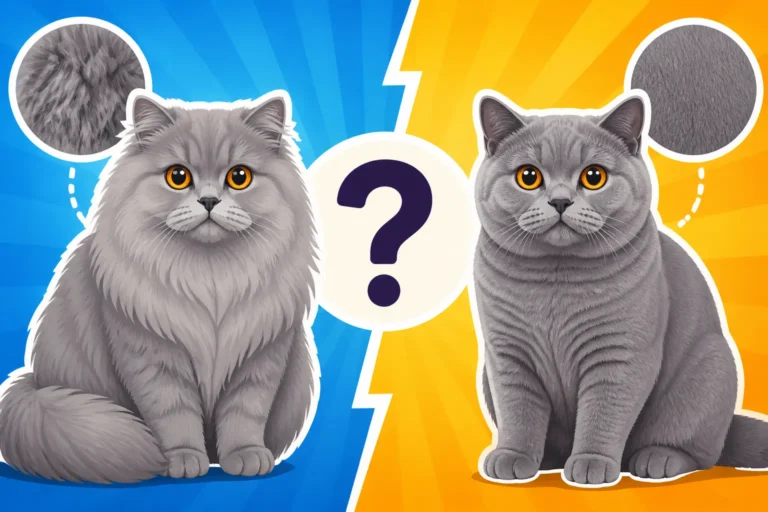
To save the British Shorthair, breeders faced a tough decision: introduce new blood. With so few purebred British Shorthairs remaining, the genetic pool was far too small, leading to concerns about inbreeding and health problems. To widen the gene pool and re-establish the breed's distinct characteristics, carefully planned outcrosses to other breeds were necessary. The most significant of these outcrosses involved the Persian and the Chartreux. The Persian, already popular for its robust body and dense coat, was instrumental in helping to rebuild the British Shorthair’s signature cobby body and plush, short fur. You can delve into the details of this crucial decision in The Persians That Rebuilt the British Shorthair After the War.
These strategic outcrosses were not without controversy, as some purists worried about diluting the original British Shorthair type. However, they were absolutely essential for the breed's survival. The offspring from these crosses were then carefully bred back to purebred British Shorthairs, selected for the traits that conformed most closely to the established standard. This meticulous process, often taking several generations, gradually restored the breed's health, vigor, and characteristic appearance. It was a testament to the breeders' commitment, effectively creating a "new" foundation for the breed while honoring its heritage. This painstaking work, often involving collaboration across different catteries, ensured that the British Shorthair would thrive once more. Even today, responsible breeders continue to consider genetic diversity, often sourcing high-quality food and supplies from trusted brands like Chewy to support the health of their breeding cats and kittens.
Solidifying the Breed Standard
As the breed slowly recovered, there was a renewed focus on solidifying and standardizing its appearance. Breeders worked tirelessly to define the ideal British Shorthair, ensuring that despite the necessary outcrosses, the cats retained their distinctive "teddy bear" look. Key features like the broad, round head, full cheeks, short nose, and large, round copper eyes were emphasized. The coat, too, was a major point of focus: it needed to be dense, plush, and "crisp" to the touch, standing away from the body. These were the hallmarks that Harrison Weir had championed, and they were now being painstakingly re-established.
Cat registries and associations played a crucial role in this process, refining and publishing the breed standard. This provided a clear blueprint for breeders, guiding their breeding programs and ensuring consistency across the breed. It also helped to distinguish the British Shorthair from other similar-looking breeds, such as the Chartreux or Russian Blue. The collective effort to adhere to a precise standard meant that the cats emerging from the post-war rebuilding era were unmistakably British Shorthairs, possessing the iconic characteristics that make them so beloved today. This dedication to the standard continues, with careful consideration given to every pairing and every litter, ensuring the integrity of the breed.
The Enduring Legacy of Crystal Palace for the British Shorthair
The 1871 Crystal Palace Cat Show was more than just a fleeting event; it was a watershed moment that irrevocably shaped the future of the British Shorthair and the entire cat fancy. Its ripples are still felt today, celebrating a transformation that took the British Shorthair from obscurity to international acclaim.
From Street Cat to Show Star
Before Harrison Weir's pioneering show, the British Shorthair's ancestors were largely anonymous street and farm cats, valued solely for their practicality. They were a common sight, blending into the urban and rural landscapes without a second thought from most people. The idea of selecting, breeding, and showing them for their aesthetic qualities was entirely foreign. The Crystal Palace show fundamentally changed this perception. It provided a grand platform, a moment of recognition that elevated these ordinary cats to something extraordinary. Suddenly, their sturdy build, calm demeanor, and unique coat texture were celebrated as desirable traits, not merely incidental ones.
This transformation from a utilitarian animal to a cherished show cat wasn't just about winning ribbons; it was about shifting cultural attitudes. It paved the way for breeders to dedicate themselves to preserving and enhancing the breed's best qualities. The British Shorthair's journey from humble beginnings to a respected show star is a direct legacy of that first show, a testament to Weir's vision and the inherent charm of the breed itself. It demonstrated that even the most common of creatures could be elevated to a position of grace and admiration, inspiring future generations of cat lovers to look more closely at the beauty around them. Many British Shorthair owners today continue to feel a connection to this history, seeking out quality products for their cats, whether it's a specific food type or a sturdy cat tree, often found on platforms like Chewy.
A Foundation of the Modern Cat Fancy
The 1871 Crystal Palace Cat Show wasn't just important for the British Shorthair; it laid the entire groundwork for what we now understand as the modern cat fancy. Before this event, there were no organized breed standards, no formal shows, and no structured approach to cat breeding. Harrison Weir's meticulous efforts to define breeds, establish judging criteria, and organize such a public exhibition created the blueprint that still guides cat registries and shows worldwide. Without Crystal Palace, the entire concept of pedigree cats might never have taken hold, or at least, not in the way it did.
Every cat show held today, every breed standard written, and every breeder striving for excellence can trace its lineage back to that pivotal moment in London. It legitimized the idea of selective breeding for cats, turning what was once a mere hobby into a serious endeavor with defined goals and practices. The show fostered a community of enthusiasts who were passionate about preserving and developing different feline breeds. The British Shorthair, being at the forefront of this inaugural event, holds a special place in this history. Its early recognition and subsequent survival against the odds are powerful examples of the enduring impact of that first grand exhibition, demonstrating how a single event can ignite a passion that spans generations and continents. Even for modern pet owners, understanding this history can add a layer of appreciation to their own British Shorthair, knowing that their plush companion carries a legacy stretching back to this foundational moment.
Crystal Palace Cat Show: British Shorthair Milestones
| Year | Event | Significance for British Shorthair |
|---|---|---|
| 1871 | First Crystal Palace Cat Show | First formal public exhibition of cats; British-type cats (ancestors of BSH) were a focus of Harrison Weir. |
| 1871 | Harrison Weir exhibits a Blue Tabby | Weir champions the native British cats, highlighting their robust qualities and distinct appearance. |
| Late 1800s | Early breed development | Enthusiastic breeders begin to formalize the type, emphasizing the "British Blue." |
| Early 1900s | Rise of exotic breeds | British Shorthair popularity wanes as Persians and other long-haired cats gain favor. |
| WWI & WWII | Wartime devastation | Breed numbers plummet due to resource scarcity and disruption of breeding programs. |
| Post-WWII | Reconstruction efforts | Dedicated breeders use outcrossing (e.g., with Persians, Chartreux) to save and rebuild the breed. |
| Present Day | Enduring Popularity | The British Shorthair is now a highly popular and recognized breed worldwide, a testament to its resilience and the foundation laid at Crystal Palace. |
The Legacy of the "British Blue"
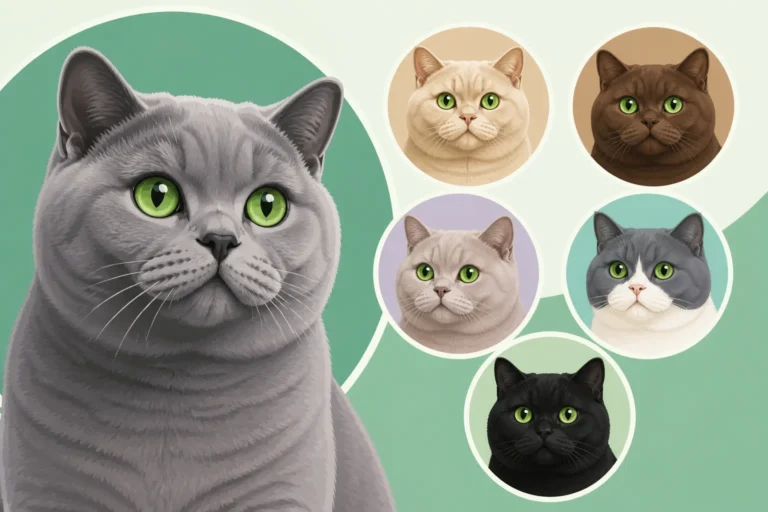
While the British Shorthair comes in a dazzling array of colors and patterns today – from striking silvers to delicate lilacs and vibrant goldens – it’s often the iconic blue variety that first springs to mind. This strong association traces directly back to the Crystal Palace era and the early days of the cat fancy. Harrison Weir himself held a particular fondness for the blue variety, seeing in its uniform, dense grey coat and rich copper eyes an epitome of the British cat’s dignified beauty. This preference, coupled with the striking appearance of early blue winners, firmly established the "British Blue" as the breed’s most recognizable face.
The early success and visual appeal of the blues meant that they were frequently depicted in illustrations, photographs, and literature about the breed. This widespread representation solidified their image in the public consciousness, creating an almost inseparable link between the British Shorthair name and its blue coat. Even after the outcrossing efforts post-wars broadened the gene pool and reintroduced many colors, the blue variety continued to hold a special place. It serves as a living connection to the breed's origins and its initial rise to fame, a testament to the enduring power of that first impression made so long ago at Crystal Palace. For many, the very essence of the British Shorthair is captured in that plush, blue coat.
How Harrison Weir's Vision Endures
Harrison Weir's contribution to the British Shorthair and the cat fancy extends far beyond merely organizing the first cat show. His lasting legacy is embedded in the very philosophy of purebred cat breeding. He was the first to articulate the idea that cats, regardless of their origin, possessed specific traits that could be refined and maintained through selective breeding. He understood that without clearly defined standards, the unique characteristics of a "type" would simply fade away into general domestic cat populations. His meticulous descriptions of what constituted an ideal British cat, from its powerful build to its distinctive coat and round face, formed the bedrock of the breed standard that is still recognized and built upon by cat registries today.
Weir's vision was one of preservation and celebration. He wanted to ensure that the hardy, distinctive British cats were not lost to time or neglected in favor of more "exotic" newcomers. The resilience and resurgence of the British Shorthair after facing near extinction are a direct result of the framework he established. Breeders, even generations later, have continued to strive for the ideal he articulated, ensuring that the essence of the British Shorthair — its cobby body, plush coat, and amiable temperament — remains intact. His pioneering spirit encourages breeders to understand feline genetics and health, ensuring that animals are bred responsibly, which is why quality food and supplies, such as those available from Chewy, remain critical for supporting healthy cats and robust breeding programs. His enduring influence reminds us that even the humblest beginnings can lead to a legacy that reshapes an entire world.
Disclaimer
This article is for general informational purposes only and does not constitute professional advice. Laws, prices and regulations vary by location and change over time. Consult a qualified professional for guidance on your specific situation.