How Young to Start Brushing a British Shorthair’s Teeth
One of the trickiest parts of being a British Shorthair parent is knowing which preventative care steps truly make a difference, and dental hygiene often gets overlooked until there's a problem. We all want our furry companions to live long, healthy lives, but the thought of wrestling a stoic British Shorthair to brush their teeth can feel like an impossible task. This guide is here to walk you through exactly when and how to start brushing your British Shorthair's teeth, setting them up for a lifetime of better oral health and fewer costly vet visits.
Why Dental Care is So Crucial for British Shorthairs
It’s easy to think that if your cat isn't actively showing signs of pain, their teeth must be fine. But beneath that adorable, placid exterior, dental disease can be silently brewing, affecting their overall health in ways you might not even realize. Cats, including our beloved British Shorthairs, are masters at hiding discomfort, a survival instinct that means by the time you notice something is wrong, the problem is often quite advanced. This isn't just about bad breath; it's about their quality of life.
The Silent Threat of Periodontal Disease
Periodontal disease is incredibly common in cats, affecting a vast majority by the time they're three years old. It starts subtly with plaque, a sticky film of bacteria, food particles, and saliva, accumulating on the tooth surface. If not removed, this plaque hardens into tartar. Both plaque and tartar irritate the gums, leading to gingivitis—inflammation of the gums. You might notice redness along the gum line, or perhaps a faint odor from their mouth, but often, nothing at all.
As gingivitis progresses, it can turn into full-blown periodontal disease, where the inflammation spreads beneath the gum line, attacking the supporting structures of the teeth. This is where the real trouble begins. Imagine the discomfort: aching jaws, loose teeth, infection spreading into the bloodstream. It's a painful condition that impacts their ability to eat, play, and simply exist comfortably. The sturdy build and quiet nature of a British Shorthair can actually mask this pain even more effectively, making it even more important for us as owners to be proactive. Untreated, this can lead to severe pain, tooth loss, and systemic health issues. You might be surprised to learn that Gingivitis in a British Shorthair is far more common than many owners realize, and it's something that regular brushing can significantly mitigate.
Connecting Oral Health to Overall Well-being
Beyond the mouth itself, poor dental health has serious implications for your British Shorthair's entire body. The bacteria from infected gums can enter the bloodstream, traveling to vital organs like the heart, kidneys, and liver. This can exacerbate existing conditions or even lead to new ones. For a breed already prone to issues like obesity, which can contribute to other health problems, adding the stress of chronic infection from dental disease is a burden no cat should carry. Ensuring good oral hygiene is a foundational aspect of their long-term health plan, right up there with proper nutrition and regular vet check-ups. It contributes directly to how well they'll thrive in their The Twelve to Seventeen Years a British Shorthair Gets.
Think about it: if your British Shorthair is constantly battling low-grade infection from their mouth, their immune system is working overtime, leaving them potentially more vulnerable to other illnesses. Furthermore, the pain associated with advanced dental disease can lead to behavioral changes, such as reduced appetite, irritability, or withdrawal. These are subtle cues that a British Shorthair, with its generally calm demeanor, might only show when the pain becomes truly unbearable. A proactive approach to dental care can help prevent these cascading effects, ensuring your British Shorthair remains healthy and happy from whisker to tail.
Starting Early: The Golden Rule for British Shorthair Dental Hygiene
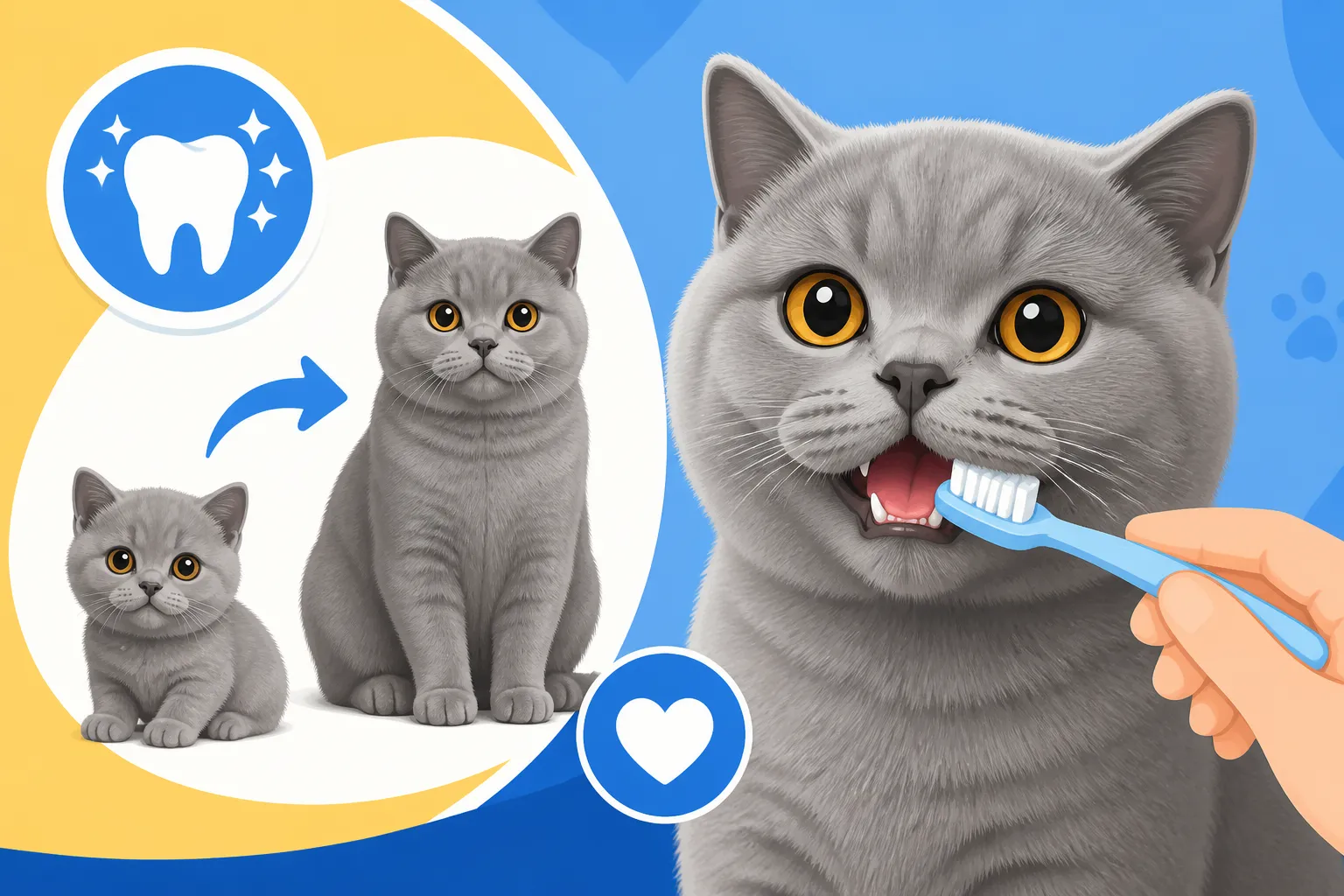
The question of "how young" is one of the most important things you can ask as a new British Shorthair owner. The definitive answer is: as young as possible, ideally while they are still kittens. Just like socializing them to new sounds or people, getting them accustomed to having their mouth handled and a toothbrush introduced early on makes the process infinitely easier in the long run. It's about building a positive association, not forcing a procedure.
Why Kittenhood is the Ideal Time
Kittens are naturally more curious and adaptable than adult cats. Their personalities are still forming, and they're generally more open to new experiences. If you start gently introducing mouth handling and a soft brush during their kitten months, they’re much more likely to accept it as a normal part of their routine. This isn't about deep cleaning their baby teeth, which will eventually fall out, but about building muscle memory and a positive habit. Think of it as dental desensitization. Even a tiny, half-minute session of gentle gum massage with a finger brush can make a world of difference.
By the time their adult teeth fully erupt, usually around six to seven months of age, they will ideally be comfortable with the sensation of brushing. This early conditioning helps prevent the struggle and stress that can come with trying to introduce tooth brushing to an older, less pliable cat. Skipping this crucial window often means battling a fully grown British Shorthair who views your attempts at dental care as an invasion, making the task challenging for both of you. Many owners regret not starting sooner, realizing too late the benefits of early intervention.
The Benefits of Lifelong Brushing
Committing to a regular tooth brushing routine from kittenhood provides benefits that extend throughout your British Shorthair's entire life. Regular brushing mechanically removes plaque before it hardens into tartar, significantly reducing the risk of periodontal disease. This means fewer professional dental cleanings under anesthesia, which can be costly and always carry some inherent risk, especially as your cat ages. Consider What a British Shorthair's First Dental Costs versus the small ongoing cost of a toothbrush and toothpaste.
Beyond prevention, consistent home care allows you to regularly inspect your cat's mouth. You become familiar with what's normal, enabling you to spot potential issues like unusual redness, swelling, or changes in breath early on. Early detection means earlier intervention by your vet, often leading to simpler, less invasive, and less expensive treatments. It's an investment in their long-term health and your peace of mind. While it won't entirely eliminate the need for vet check-ups, it vastly improves their oral health profile.
Step-by-Step: Introducing Tooth Brushing to Your British Shorthair Kitten
Alright, so you’re convinced! Starting early is key. Now, how do you actually go about it without turning into a wrestling match? The trick is patience, positive reinforcement, and a gradual approach. Remember, our British Shorthairs are typically calm and somewhat independent, so a gentle, consistent routine works best. Don't expect perfection on day one, or even day seven!
Gathering Your Tools and Creating a Positive Environment
First things first: you need the right tools. Never use human toothpaste on your cat, as it contains fluoride and other ingredients that are toxic if swallowed. You'll need enzymatic cat toothpaste, which comes in various flavors like poultry or seafood that are appealing to felines. For brushes, start with something very soft and non-intrusive. A finger brush is excellent for beginners, as it allows you to feel what you're doing. As your kitten gets more comfortable, you can graduate to a small, soft-bristled cat toothbrush. You can find a good selection of these products on platforms like Chewy or Amazon.
Choose a time when your kitten is calm and relaxed, perhaps after a nap or a quiet cuddle session. Avoid times when they're playful, hungry, or stressed. Create a calm environment, maybe in a quiet room with soft lighting. Make sure you are relaxed too; cats pick up on our tension. Have some high-value treats ready to reward them immediately after each session. The goal is for them to associate mouth handling with positive outcomes.
The Gradual Introduction Process
This process is all about baby steps, literally.
-
Phase 1: Touch and Acclimation (Days 1-3)
Start by simply touching your kitten's face around their mouth. Gently rub your finger along their cheeks and lips for a few seconds. Do this multiple times a day, always followed by a small treat and praise. The idea is to make them comfortable with your hands near their mouth. Keep it super short and positive. If they pull away, stop immediately and try again later. We don't want to make it a negative experience. -
Phase 2: Introducing the Paste (Days 4-7)
Once they're okay with face touching, put a tiny dab of cat toothpaste on your finger and let them lick it off. Most cats find enzymatic toothpastes quite tasty. Repeat this a few times, letting them get used to the taste and texture. If they enjoy it, great! If not, try a different flavor. This helps create a positive association with the paste itself. You can find various flavors of cat toothpaste on Amazon, so don't be afraid to experiment. -
Phase 3: Finger Brush or Gauze Introduction (Days 8-14)
Now, it's time to introduce a brushing tool. Start with a finger brush or a piece of gauze wrapped around your finger. Apply a small amount of toothpaste. Gently lift your kitten’s lip and rub the finger brush or gauze over just one or two teeth and the gum line. Focus on the outside surfaces, as these are where plaque tends to accumulate most. Again, keep it brief, perhaps 10-15 seconds, and follow with praise and a treat. Gradually work up to covering more teeth and slightly longer durations over the next few days. Remember, consistency over intensity is key. If you find your British Shorthair resists the finger brush, sometimes just using the gauze with paste is a good intermediate step to get them used to the sensation before moving onto something more substantial. -
Phase 4: Transition to a Toothbrush (Weeks 3-4+)
Once your kitten is comfortable with the finger brush, you can transition to a proper cat toothbrush. Choose one with soft bristles and a small head. Repeat the same gentle process: lift the lip, brush a few teeth for a short duration, and reward. Gradually increase the number of teeth you brush and the duration of the session. Aim for 30 seconds to a minute, ideally covering all teeth. It’s better to do a quick, positive brush daily than a long, stressful one once a week. Some British Shorthairs will never truly love it, but with patience, most can tolerate a quick daily brush.
Here’s a quick overview of the progression:
| Step | Duration | Goal | Key Action |
|---|---|---|---|
| 1. Face & Mouth Touching | 1-3 days | Acclimate to hands near face | Gentle rubs on cheeks/lips, treat after. |
| 2. Toothpaste Introduction | 4-7 days | Associate paste with positive taste | Let kitten lick paste from finger, treat. |
| 3. Finger Brush/Gauze Rub | 8-14 days | Acclimate to gum/tooth sensation | Gently rub 1-2 teeth/gums with paste, treat. |
| 4. Small Cat Toothbrush | 3-4 weeks+ | Begin regular brushing | Gently brush more teeth/gums, gradual increase. |
| 5. Daily Routine Establishment | Ongoing | Maintain consistent oral hygiene | Daily brushing for 30-60 seconds, treat. |
Maintaining Dental Health: A Lifetime Commitment
Once you’ve successfully integrated tooth brushing into your British Shorthair’s routine, the key is consistency. Dental care isn’t a one-time fix; it’s an ongoing commitment that will pay dividends in their overall health and happiness. Even with regular brushing, your British Shorthair will still need professional veterinary dental check-ups, but the frequency and intensity of these might be significantly reduced.
Regular Brushing for Long-Term Success
Aim to brush your British Shorthair’s teeth daily, or at least every other day. This frequency is crucial because plaque begins to mineralize into tartar within 24-48 hours. By brushing regularly, you physically remove this plaque before it has a chance to harden, preventing tartar buildup. Consistency reinforces the habit for your cat, making the process less stressful over time. If you miss a day, don't panic or give up; just pick up where you left off. Think of it like brushing your own teeth – it's a routine that keeps problems at bay. This diligent approach can help prevent issues such as What Obesity Does to a British Shorthair's Joints by ensuring they're comfortable enough to stay active and aren't experiencing discomfort from dental pain.
Even if you only manage to brush the outer surfaces of their teeth, particularly the molars and canines, you’re still making a huge difference. These are the areas where plaque accumulates most rapidly. Don't be discouraged if you can't reach every single tooth perfectly every time. Any brushing is better than no brushing!
Beyond the Brush: Other Dental Aids and Vet Care
While brushing is the gold standard, there are other products that can supplement your efforts. Dental diets formulated to reduce plaque and tartar can be very effective, as can certain dental treats and water additives. These are not substitutes for brushing but can offer additional support. Always consult with your veterinarian before introducing any new dental products, as they can recommend options best suited for your British Shorthair's specific needs and health profile. For instance, some water additives may help reduce bacteria in the mouth.
Despite your best efforts with home care, periodic professional dental cleanings under anesthesia will likely still be necessary. Your vet can perform a thorough examination, scale away any existing tartar above and below the gum line, and address any more serious issues like cavities or extractions. How often your British Shorthair needs these professional cleanings will depend on their individual genetics, diet, and the effectiveness of your home care routine. Your vet will assess their oral health during annual check-ups and advise you on the appropriate schedule. Knowing What a British Shorthair's Yearly Bloodwork Should Cover can also help your vet assess their overall health before any anesthesia is performed.
Recognizing Signs of Dental Issues
Even with regular brushing, it’s vital to remain vigilant for any signs of developing dental problems. If you notice any of the following, schedule a vet visit promptly:
- Persistent bad breath: While some "cat breath" is normal, a truly foul odor often indicates infection.
- Red, swollen, or bleeding gums: These are classic signs of gingivitis or periodontal disease.
- Difficulty eating or preference for soft food: Painful teeth can make chewing difficult.
- Drooling: Excessive drooling can be a sign of oral pain or infection.
- Pawing at the mouth: Your cat might be trying to alleviate discomfort.
- Weight loss: If dental pain makes eating difficult, your British Shorthair might lose weight. This is a significant red flag, especially in a breed known for its robust appetite. Why Weight Loss in an Old British Shorthair Is a Warning regardless of the cause.
- Missing or loose teeth: An obvious sign of advanced disease.
By being proactive from kittenhood and consistent throughout their lives, you’re giving your British Shorthair the best chance at a healthy mouth and a happy, long life. It’s a little effort for a big reward.
Disclaimer
This article is for general informational purposes only and does not constitute professional advice. Laws, prices and regulations vary by location and change over time. Consult a qualified professional for guidance on your specific situation.