Whether a British Shorthair Is Hypoallergenic
It’s a heartfelt hope that many prospective British Shorthair owners cling to, especially if someone in the household grapples with cat allergies: could this charming, plush-coated breed be the exception? We dream of welcoming that teddy-bear face and calm demeanor into our homes, imagining a life free from the sneezing, itching, and watery eyes that usually accompany feline companionship. The truth, however, about British Shorthairs and hypoallergenic claims is a bit more nuanced than we might wish. This guide aims to clear up common misunderstandings about cat allergies and provide realistic strategies for living comfortably with a British Shorthair, even if allergies are a concern.
The Truth About Hypoallergenic Cats
The term "hypoallergenic" often conjures images of a magical, allergy-free pet, a furry unicorn that allows even the most sensitive individuals to snuggle without consequence. It's a lovely thought, and one that many cat breeds are sometimes mistakenly associated with.
The Misconception of "Hypoallergenic"
Let's be very clear from the outset: no cat breed is truly 100% hypoallergenic. This might be a difficult pill to swallow if you've been researching "hypoallergenic British Shorthair" and hoping for a definitive "yes." The reality is that "hypoallergenic" simply means "less allergenic," not "non-allergenic." It's a spectrum, and while some breeds may produce fewer allergens than others, all cats produce them to some degree.
This misconception often stems from a misunderstanding of what actually causes cat allergies. It's not the fur itself, but rather proteins found in a cat's saliva, urine, and skin flakes – known as dander. Even a hairless cat, which might seem like the ultimate solution for allergy sufferers, will still produce dander and saliva, thereby still producing allergens. So, if you've heard that British Shorthairs are hypoallergenic because of their coat, it's time to adjust that understanding.
Why the British Shorthair Isn't the Answer
When it comes to the British Shorthair, they really don't fall into the "less allergenic" category in any significant way. Their famous plush, dense double coat is a hallmark of the breed, a beautiful feature that makes them so appealing and teddy-bear-like. However, this dense coat means they do produce dander, and they do shed. While their shedding might not be as dramatic or constant as some long-haired breeds, it's certainly present, especially during seasonal changes when they "blow their coat."
Think about it this way: the more fur a cat has, and the more that fur is shed, the more surface area there is for allergen-laden saliva to cling to, and the more dander can be released into your home environment. The British Shorthair's coat, while magnificent, doesn't offer a reprieve for allergy sufferers. They are just as likely to trigger reactions as many other breeds because they still produce the allergenic proteins that cause the problem in the first place. You might be interested in reading How Much a British Shorthair Sets Off Allergies for more specific details on this.
What Actually Triggers Cat Allergies?
To truly understand why the British Shorthair, or any cat for that matter, isn't truly hypoallergenic, we need to dig into the science of what causes those frustrating sneezes and itchy eyes. It's much more complex than just a simple reaction to cat hair.
It's Not Just the Fur, It's the Protein
The primary culprit behind most cat allergies isn't the fur itself, but a specific protein called Fel d 1. This tiny protein is produced in a cat's salivary glands, sebaceous glands (in their skin), and to a lesser extent, in their urine. When a cat grooms itself – which they do frequently and meticulously – they spread this Fel d 1 protein all over their fur. As the saliva dries, the protein becomes airborne, easily inhaled by sensitive individuals. The same goes for the dander, those microscopic flakes of skin that are constantly shed by your cat. This dander, carrying the Fel d 1 protein, can become airborne and settle on every surface in your home.
It's a subtle but crucial distinction. While the fur acts as a carrier, it's the protein on the fur, skin, and in the environment that causes the allergic reaction. This is why even short-haired or "hairless" breeds still trigger allergies – they still have skin, they still groom, and they still produce the Fel d 1 protein.
The Role of Dander and Shedding
Dander is effectively microscopic dead skin cells that cats, like all animals (including humans!), continuously shed. These tiny flakes are light and easily become airborne, lingering in the air for hours before settling on surfaces. Because Fel d 1 is also produced in the sebaceous glands, the dander itself is coated in these allergenic proteins. When a cat sheds its fur, these dander-coated hairs are released into the environment, further distributing the allergens.
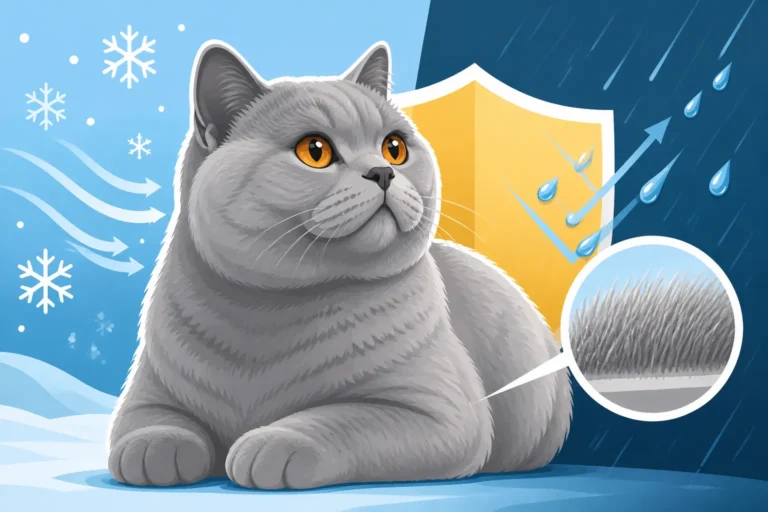
British Shorthairs have a notoriously dense, plush double coat, which is one of their most defining features. While this coat is designed to be protective, you can read more about why a British Shorthair's dense coat suited the climate, it also means there's a lot of surface area for saliva and dander. They do shed, and quite significantly during seasonal "blows" – those times of year when they rapidly lose their old undercoat to make way for a new one. The Two Weeks a British Shorthair Drops Its Undercoat can be a particularly challenging time for allergy sufferers, as the sheer volume of shedding increases the allergen load in the home.
Environmental Accumulation
One of the most insidious aspects of cat allergens is their ability to accumulate and persist in the environment. Fel d 1 is incredibly sticky and resilient. It can cling to clothes, furniture, carpets, walls, and even remain in a home for months after a cat has left. It's often found in places where no cat has ever been, simply transported on people's clothing.
This means that even if you manage to control some aspects of allergen distribution, the cumulative effect over time can still be overwhelming for someone with sensitivities. The air in an allergic person's home often contains airborne Fel d 1, and every surface, from the sofa cushion to the curtains, can be a reservoir. This persistence is why managing cat allergies is a multi-faceted approach, not just a matter of finding a "hypoallergenic" breed.
British Shorthairs and Allergen Production
Given that no cat is truly hypoallergenic, how does the beloved British Shorthair specifically contribute to the allergen load in a home? Understanding their unique physical traits and grooming habits can help set realistic expectations.
Their Coat and Shedding Habits
The British Shorthair's coat is one of its most striking features: short, dense, plush, and standing away from the body, often described as "crisp" to the touch. This magnificent coat, however, is a double-edged sword for allergy sufferers. While it's relatively short compared to a Persian, for example, it's incredibly dense, providing ample surface area for dander and dried saliva to reside. Whether a British Shorthair Has an Undercoat is an important factor here, as the undercoat adds to the density and contributes significantly to shedding.
British Shorthairs are moderate to heavy shedder, particularly during seasonal changes, as mentioned earlier. During these periods, they will "blow" their undercoat, and you'll find a noticeable increase in loose fur around your home. Even outside of these peak shedding times, a British Shorthair will still shed continuously, especially whether an indoor British Shorthair sheds year round. This constant shedding means a regular release of dander and allergen-laden hairs into your living space. You might be surprised by how much a British Shorthair sheds despite their relatively short hair. All this fur, along with its attached dander, can quickly accumulate on furniture and floors, as explored in what British Shorthair fur does to furniture.
Dander Distribution and Grooming
Every cat grooms itself, it’s a natural and essential part of their hygiene. When a British Shorthair meticulously licks its fur, it spreads its saliva – and with it, the Fel d 1 protein – across its entire coat. As the saliva dries, the protein becomes aerosolized, meaning it can float through the air and settle on surfaces. Their calm and somewhat sedentary nature might mean they aren't constantly rubbing against everything in a frenetic burst of energy like some more active breeds, but the regular grooming cycle ensures that allergens are consistently distributed.
The plushness of their coat means that when you pet a British Shorthair, you're not just touching fur; you're also likely dislodging dander and dried saliva particles, which can then become airborne or transfer to your hands and clothes. This direct interaction is often where allergy symptoms become most pronounced for sensitive individuals.
Individual Variation in Allergen Levels
It's also worth noting that there can be individual variations in Fel d 1 production among cats, even within the same breed. Some British Shorthairs might naturally produce slightly less of the protein than others, but this is largely unpredictable and not something you can reliably test for or count on when choosing a kitten. It's also not enough of a difference to classify the breed as "hypoallergenic."
Furthermore, male cats tend to produce more Fel d 1 than female cats, and intact (non-neutered) males produce more than neutered males. This hormonal influence is another layer of complexity when considering allergen exposure. So, while you might find anecdotal evidence of someone with allergies tolerating a specific British Shorthair, it's usually due to a combination of that individual cat's lower-than-average allergen production and diligent environmental management, rather than the breed itself being "hypoallergenic."
Practical Strategies for Allergy Sufferers
If your heart is set on a British Shorthair despite your allergies, hope is not lost entirely. While the breed isn't hypoallergenic, many people successfully manage their symptoms by implementing a strict regimen of environmental control, grooming, and personal hygiene. It requires dedication, but it can be done.
Environmental Control is Key
Since cat allergens are ubiquitous and persistent, controlling your home environment is arguably the most crucial step. This isn't just about cleaning, it's about strategic allergen reduction.
- Frequent and Thorough Cleaning: Make vacuuming with a HEPA filter a regular habit – ideally several times a week. HEPA filters are designed to trap the tiny allergen particles that regular vacuum cleaners might just re-distribute. Dust all surfaces diligently with a damp cloth to pick up settled dander. Washing bedding, curtains, and other washable fabrics frequently is also vital. You can find excellent pet-specific vacuums and cleaning supplies on platforms like Amazon or Chewy.
- Air Purifiers: Investing in high-quality air purifiers with HEPA filters for main living areas and especially bedrooms can make a significant difference. These devices continuously filter airborne allergens, helping to reduce the overall concentration of Fel d 1 in the air.
- Establish "No-Go Zones": Designate certain areas of your home as cat-free sanctuaries, most importantly your bedroom. If your British Shorthair is never allowed in your bedroom, it provides a space where you can sleep and breathe without constant allergen exposure. Keep the bedroom door closed, and consider an air purifier running in there consistently.
- Hard Surfaces Over Carpets: If possible, opt for hard flooring (wood, tile, laminate) over carpets, as carpets are notorious traps for allergens. If you have carpets, ensure they are professionally steam cleaned regularly in addition to frequent vacuuming.
- Washable Furniture Covers: Consider using washable covers for sofas and chairs where your British Shorthair loves to lounge. These can be removed and laundered weekly, effectively removing accumulated allergens.
Grooming and Hygiene for Your British Shorthair
Reducing the amount of dander and saliva on your cat means less allergen distribution. This is where your British Shorthair's care routine plays a direct role in your comfort.
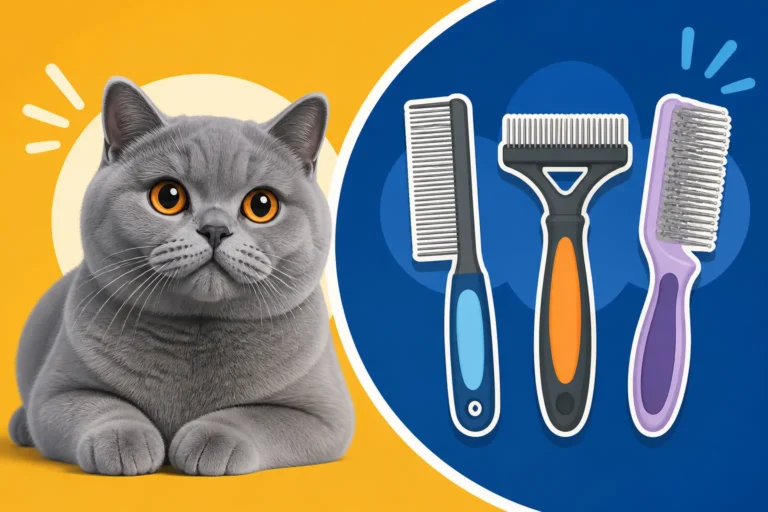
- Regular Combing: This is perhaps the most effective daily measure. Combing your British Shorthair frequently, ideally daily or every other day, with the right tools, helps to remove loose fur and dander before it has a chance to spread throughout your home. A good quality metal comb with varying tooth spacing is usually best for their dense coat. You might find a good selection of these on Amazon. When how often a British Shorthair needs combing, remember that consistency is more important than intensity. You'll want to learn which comb a British Shorthair needs to be most effective. If possible, have a non-allergic family member do this, or do it outdoors to minimize airborne allergens inside.
- Wiping Down Your Cat: Some owners find success using special allergen-reducing wipes or sprays on their cat's fur. These products can help remove loose dander and saliva from the coat.
- Occasional Bathing: While many cats detest baths, some British Shorthairs can be trained to tolerate them from a young age. Bathing your cat can significantly reduce the amount of Fel d 1 on their coat. However, it's a temporary solution as the protein production restarts. If you plan to bathe your cat, do some research on how to bathe a British Shorthair that objects and be prepared for a challenge! Using a veterinarian-approved cat shampoo can help clean the coat effectively. Remember, frequent bathing isn't usually recommended as it can dry out their skin.
- Hand Washing: Always wash your hands thoroughly with soap and water after petting or handling your British Shorthair. Avoid touching your face or eyes before washing your hands.
Personal Management and Medical Options
Beyond managing the environment and your cat, personal strategies and medical interventions can provide additional relief.
- Antihistamines and Nasal Sprays: Over-the-counter antihistamines and nasal corticosteroids can help manage symptoms like sneezing, runny nose, and itchy eyes. Always consult with a doctor before starting any new medication.
- Allergy Shots (Immunotherapy): For severe allergies, a doctor might recommend allergy shots. These involve a series of injections designed to desensitize your immune system to the specific allergens over time. This is a long-term commitment but can be very effective for some individuals.
- Novel Diet Options: Some specialized cat foods are formulated with ingredients that are claimed to reduce the Fel d 1 protein in a cat's saliva, thus potentially lowering the allergen load in the environment. These foods often work by binding to the Fel d 1 protein in the cat's mouth, making it less likely to become airborne. You can explore these options through pet retailers like Chewy, but always discuss any dietary changes with your veterinarian.
- Trial Period: If you are seriously considering a British Shorthair and have allergies, try to spend extended periods (multiple visits, if possible) with the specific cat you are interested in. This "exposure therapy" can help you gauge your reaction to that particular individual cat's allergen level.
Conclusion
While the dream of a truly hypoallergenic British Shorthair remains just that – a dream – living with one while managing allergies is a realistic goal for many determined individuals. It requires a dedicated, consistent, and multi-pronged approach that focuses on minimizing allergen exposure in your home and managing your personal symptoms. It's a testament to the love we have for our feline companions that we're willing to go the extra mile to share our lives with them, even when our bodies protest a little. By understanding what truly causes cat allergies and implementing these strategies, you can increase your chances of enjoying the calm, affectionate presence of a British Shorthair without constant discomfort.
Disclaimer
This article is for general informational purposes only and does not constitute professional advice. Laws, prices and regulations vary by location and change over time. Consult a qualified professional for guidance on your specific situation.