Whether a Deshedding Tool Suits a British Shorthair
It's a common dilemma for British Shorthair owners: you adore that plush, dense coat, but when shedding season hits, it feels like your home is suddenly redecorated in a fine layer of cat fur. The internet is full of tools promising to "deshed" your cat, and it's tempting to grab one, hoping for a magic solution. But before you reach for that popular deshedding tool, let's talk about whether it's truly suited for your British Shorthair's unique coat, and why sometimes, the most aggressive tools aren't always the best choice for preserving that beautiful plushness and your cat's skin health. This guide will walk you through the specifics of the British Shorthair coat, discuss the pros and cons of deshedding tools, and offer more effective, safer alternatives for managing shedding.
Understanding the British Shorthair Coat
The British Shorthair's coat is one of its most defining and beloved features. It's not just fur; it's a meticulously crafted genetic marvel designed for the British climate – thick, dense, and providing excellent insulation. But this very characteristic also means that managing shedding requires a nuanced approach, not a one-size-fits-all solution.
The Anatomy of a British Shorthair's Plush Coat
Imagine a teddy bear, but alive and purring – that's often the description given to a British Shorthair's coat. What makes it so unique? It's a double coat, meaning it has two distinct layers. The outer layer consists of what are called "guard hairs." These are thicker, coarser hairs that give the coat its structure and protect the cat from elements like moisture and dirt. They're also responsible for that distinct "crisp" feel. Beneath these guard hairs lies an incredibly dense, fine, woolly undercoat. This undercoat is what provides the bulk of the insulation, keeping your British Shorthair warm in winter and helping to regulate their temperature.
The guard hairs, in a healthy British Shorthair, are short and springy, preventing the coat from lying flat against the body. This creates that characteristic plush appearance. The sheer density of the undercoat, however, is where the shedding challenge truly lies. When that undercoat starts to release, it can feel overwhelming. Many owners find themselves wondering Why a British Shorthair's Coat Stands Up in the first place, and it's all down to this beautiful, functional design.
Why the British Shorthair Sheds the Way It Does
All cats shed, but the British Shorthair's shedding pattern can feel particularly pronounced due to its dense undercoat. They typically experience seasonal "blows" where they shed a significant amount of their undercoat to adapt to changing temperatures. You might notice a heavier shedding period in spring as they prepare for warmer weather, and again in autumn as they grow in a thicker winter coat. The Two Weeks a British Shorthair Drops Its Undercoat can feel like a never-ending battle against fluff bunnies around the house.
During these periods, the dead undercoat needs to be removed. If it's not, it can become trapped, leading to mats, skin irritation, and even discomfort for your cat. The guard hairs shed too, but it's the sheer volume of fine, downy undercoat that creates the most visible shedding. This natural cycle is why grooming is so crucial for the breed, not just for aesthetics, but for their comfort and skin health. Understanding this shedding mechanism helps us choose the right tools, rather than resorting to ones that might strip the protective guard hairs or irritate the skin.
The Truth About Deshedding Tools and British Shorthairs
Deshedding tools have become incredibly popular, often marketed as the ultimate solution for pet hair. While they can be effective on certain coat types, they come with significant caveats, especially when it comes to the unique, dense, and relatively short coat of a British Shorthair. It's really important to understand how these tools work and why they might not be the best fit for your beloved furball.
How Deshedding Tools Work and What They're Designed For
Most popular deshedding tools feature a finely toothed, serrated blade designed to reach through the topcoat and grab loose, dead undercoat. The idea is to remove this undercoat before it falls out naturally, thus reducing shedding around the house. They are often highly effective on breeds with very long hair or extremely thick undercoats that are prone to severe matting, or on dogs with completely different hair structures. The fine teeth are meant to "comb" out the dead, loose hair without cutting the healthy topcoat.
However, the efficacy and safety of these tools largely depend on the specific design of a cat's coat. For a British Shorthair, whose guard hairs are already quite short and whose undercoat is so incredibly dense and soft, the mechanism of a deshedding tool can sometimes work against the coat's natural structure. They were often designed with dogs or cats with vastly different coat types in mind, and while some people swear by them, the risk to a British Shorthair's coat integrity is real.
The Potential Downsides for a British Shorthair's Coat
Here's the rub with deshedding tools and British Shorthairs:
- Cutting Guard Hairs: The "blade" of a deshedding tool, even when advertised as safe, can sometimes clip or cut the healthy guard hairs, not just remove loose undercoat. This can alter the natural, crisp texture of your British Shorthair's coat, making it feel softer, less dense, and potentially damaging the protective properties of the topcoat. If you accidentally remove too many guard hairs, the coat may look uneven or dull.
- Skin Irritation and Damage: The closely set teeth of these tools, when used with too much pressure or too frequently, can easily scratch or irritate your British Shorthair's delicate skin. Their skin is relatively thin, and repetitive scraping can cause redness, minor abrasions, or even strip natural oils, leading to dryness or flakiness. Cats, being fastidiously clean animals, can then over-groom irritated areas, making the problem worse.
- Over-Stripping the Undercoat: While removing dead undercoat is the goal, over-stripping it can leave your cat's coat too sparse. The undercoat serves a vital function in insulation and protection. If too much is removed, especially outside of heavy shedding seasons, it can compromise their ability to regulate body temperature. It's a fine line between helping shed dead fur and removing essential coat.
- Discomfort for the Cat: Many British Shorthairs are quite sensitive, and the sensation of a deshedding tool can be unpleasant, even painful if not used correctly. This can lead to a negative association with grooming, making future sessions a struggle for both of you. You want grooming to be a bonding experience, not a wrestling match. If your cat squirms or tries to get away, it's a clear sign the tool isn't working for them. This is a big reason Why a British Shorthair Hates Being Picked Up for grooming in the first place.
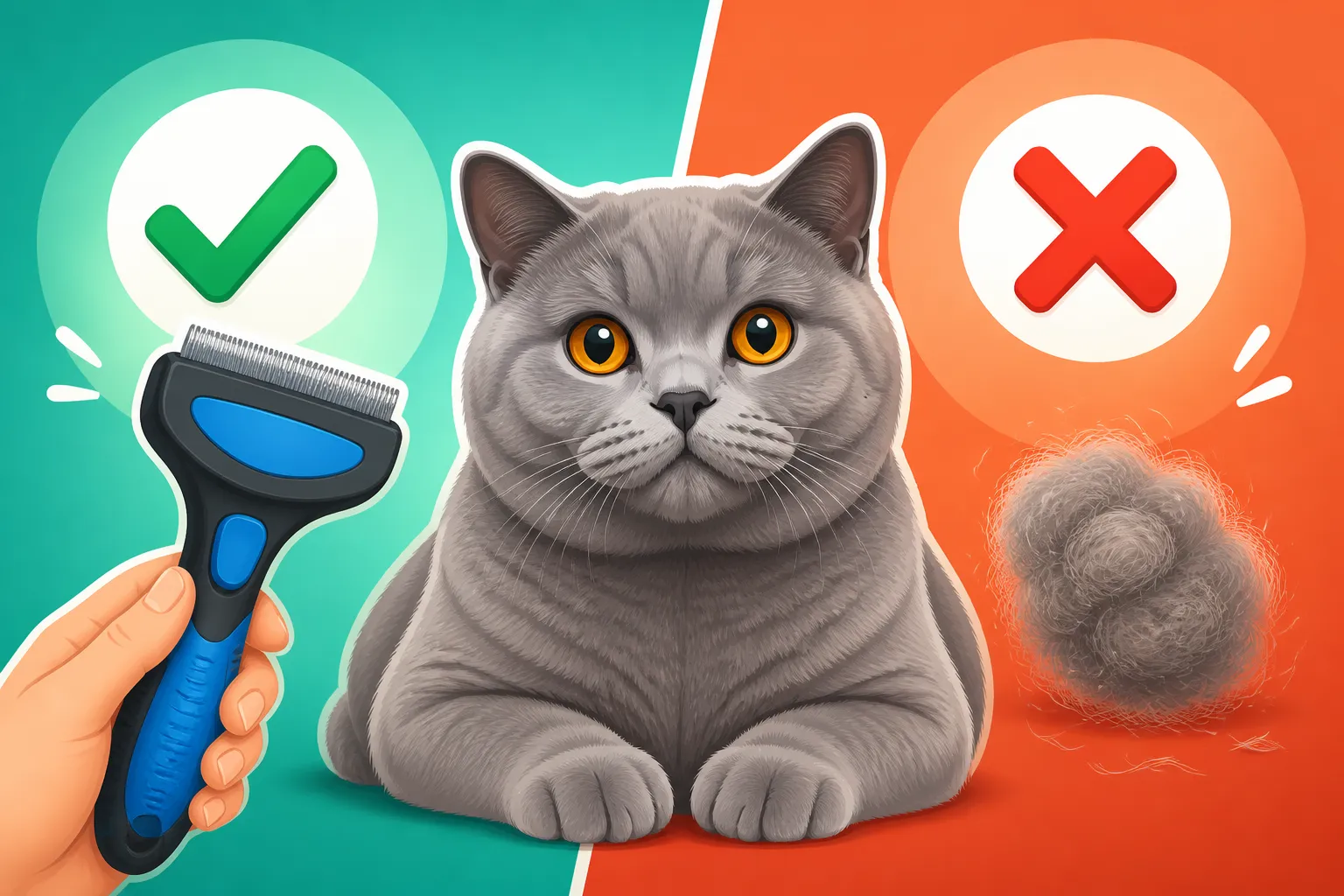
Given these potential drawbacks, many experienced British Shorthair breeders and groomers recommend caution or outright avoidance of aggressive deshedding tools for this particular breed.
Better Alternatives for Managing British Shorthair Shedding
So, if traditional deshedding tools aren't ideal, what is the best way to manage your British Shorthair's gorgeous, dense coat and keep shedding to a minimum? The answer lies in consistency, the right tools, and a gentle approach.
The Power of a Good Metal Comb
For a British Shorthair, your best friend in grooming is a high-quality metal comb. Forget the slicker brushes or rubber mitts for serious shedding work – while those have their place for surface fluff, they won't penetrate the dense undercoat effectively. What you need is a sturdy, stainless steel comb with both wide and fine teeth.
- Wide Teeth: These are fantastic for initially working through the top layers of the coat, gently untangling any minor snags, and starting to lift the looser undercoat without pulling.
- Fine Teeth: Once you've gone over the coat with the wide teeth, the fine teeth can really get into the dense undercoat and pull out the dead, woolly fur that causes most of the shedding. The trick is to use it slowly and carefully.
A good comb, like those often found on platforms such as Amazon or Chewy, allows you to work through the coat systematically, section by section. It removes only the hair that is truly loose and ready to come out, minimizing the risk of cutting healthy guard hairs or irritating the skin. It’s about working with the coat, not against it. Which Comb a British Shorthair Needs is almost always a double-sided metal comb.
Regular Combing Routines and Techniques
Consistency is key when it comes to grooming a British Shorthair. Waiting until your cat is completely matted or shedding profusely makes the job much harder and more uncomfortable for them.
- Start Early and Often: If you have a kitten, get them used to being combed from a young age. Short, positive sessions with treats can build a lifetime of acceptance. Even if you have an adult cat, gentle introduction is vital.
- Frequency: Aim for at least 2-3 times a week, and daily during heavy shedding seasons like spring and autumn. Even a short 5-10 minute session can make a huge difference. How Often a British Shorthair Needs Combing really depends on the time of year and their individual shedding cycle.
- Technique:
- Find a Relaxed Time: Choose a moment when your cat is calm and receptive, perhaps after a meal or a nap.
- Comfortable Surface: Groom them on a stable, comfortable surface, like a soft blanket on your lap or a sturdy table, making sure they feel secure.
- Work in Sections: Start at the head and work your way down the body, covering the back, sides, chest, belly, and tail. Pay special attention to areas like behind the ears, armpits, and around the "bloomers" on their hind legs, which can be prone to matting.
- Gentle Strokes: Use short, gentle strokes, holding the fur at the base if you encounter a tangle to prevent pulling on the skin. Always comb in the direction of hair growth.
- Check for Mats: If you find a mat, don't yank! Try to gently tease it apart with your fingers or the wide-toothed side of the comb. If it's a stubborn mat, it's safer to consult a professional groomer or your vet, as cutting mats too close to the skin can be dangerous.
- Positive Reinforcement: End each session with praise, a gentle stroke, and maybe a small, healthy treat.
This consistent, gentle approach not only removes loose fur effectively but also helps distribute natural skin oils, keeping the coat healthy and shiny. It's a much kinder way to bond with your British Shorthair while keeping their coat in top condition.
Nutritional and Environmental Support
Beyond the comb, your British Shorthair's overall health plays a significant role in coat quality and shedding.
- High-Quality Diet: A diet rich in essential fatty acids (like Omega-3s and Omega-6s) can dramatically improve skin and coat health. Look for cat foods that list real meat as the first ingredient and contain these beneficial oils. Brands that focus on whole, nutritious ingredients can make a difference. Good nutrition can help reduce excessive shedding by promoting stronger, healthier hair follicles.
- Hydration: Ensuring your cat drinks enough water is crucial for overall health, including skin and coat. Some British Shorthairs aren't big drinkers, so consider a water fountain (cats often prefer running water) or incorporating wet food into their diet. Proper hydration helps maintain skin elasticity and can prevent dry, flaky skin that can contribute to shedding.
- Environmental Control: Regular vacuuming (especially with a pet-specific vacuum) and dusting around the house will help control the inevitable shedding. A comfortable home environment, free from excessive stress, also contributes to a healthy cat and coat.
By combining regular, appropriate combing with a healthy diet and good hydration, you'll be well on your way to managing your British Shorthair's shedding effectively and keeping their coat in magnificent, teddy-bear condition.
When a Deshedding Tool Might Be Considered (and with Caution)
While generally not recommended as a primary grooming tool for British Shorthairs, there might be very specific, limited circumstances where a deshedding tool could be considered. This should always be done with extreme caution, understanding the risks, and ideally, under the guidance of a professional. It's never a daily or even weekly solution.
Short-Term, Gentle Use for Extreme Shedding
In rare instances of truly extreme seasonal shedding, where your cat seems to be blowing their entire undercoat at once, and your regular comb just isn't keeping up, you might consider a very light, short-term application of a deshedding tool. However, this comes with stringent conditions:
- Infrequent Use: This means perhaps once or twice during the peak of a shedding cycle, not regularly.
- Very Light Touch: Use minimal pressure. The goal is to skim the surface and gently lift truly loose fur, not to dig deep or pull.
- Short Duration: Keep the session very brief, no more than a few minutes.
- Observe Your Cat: Watch for any signs of discomfort, skin irritation, or changes in coat texture. If you see any adverse reaction, stop immediately.
- Follow Up with a Comb: Always follow up with your regular metal comb to ensure no healthy hairs were damaged and to redistribute oils.
This approach is about carefully assisting a natural process during an unusually heavy period, not forcing it. It's an emergency measure, not routine care. How Much a British Shorthair Sheds can vary, so understanding their normal pattern is important.
Professional Groomer's Discretion
The most appropriate scenario for a deshedding tool on a British Shorthair is often when it's wielded by a professional groomer. Experienced groomers have a keen understanding of different coat types and can assess whether a particular tool, used with expert technique, might be beneficial for a specific cat without causing damage.
- Expert Assessment: A professional groomer will evaluate your British Shorthair's coat condition, skin health, and temperament before deciding on any tools. They might use a deshedding tool as part of a more comprehensive grooming session, but they will know how to use it sparingly and correctly to avoid damage.
- Specialized Training: Groomers are trained to use tools effectively and safely. They can identify mats that need special attention, and they often have a range of tools at their disposal, choosing the least invasive option first.
- Not a DIY Recommendation: Their ability to use such tools safely doesn't translate to recommending them for daily home use. The average pet owner simply doesn't have the same level of training or experience to mitigate the risks.
If you are struggling with your British Shorthair's shedding or coat maintenance, consulting a professional groomer is always a wise step. They can provide tailored advice and demonstrate proper techniques with the right tools, potentially even suggesting a specific shampoo or conditioner to aid in shedding control. Remember, the goal is always to maintain the health and beauty of that magnificent British Shorthair coat, and often, simplicity and consistency are the most effective strategies.
Disclaimer
This article is for general informational purposes only and does not constitute professional advice. Laws, prices and regulations vary by location and change over time. Consult a qualified professional for guidance on your specific situation.