What Neonatal Isoerythrolysis Does to a British Shorthair Kitten
Neonatal isoerythrolysis in British Shorthair kittens explains blood type mismatches, immune reactions, and crucial prevention strategies for breeders.
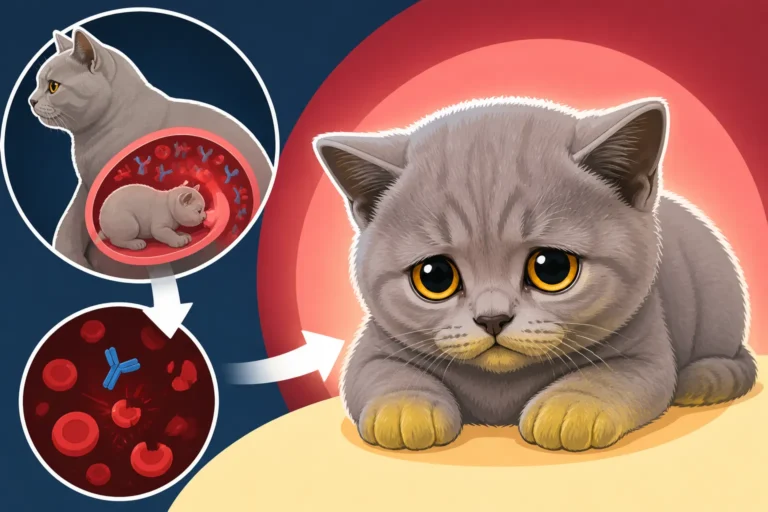
Neonatal isoerythrolysis in British Shorthair kittens explains blood type mismatches, immune reactions, and crucial prevention strategies for breeders.
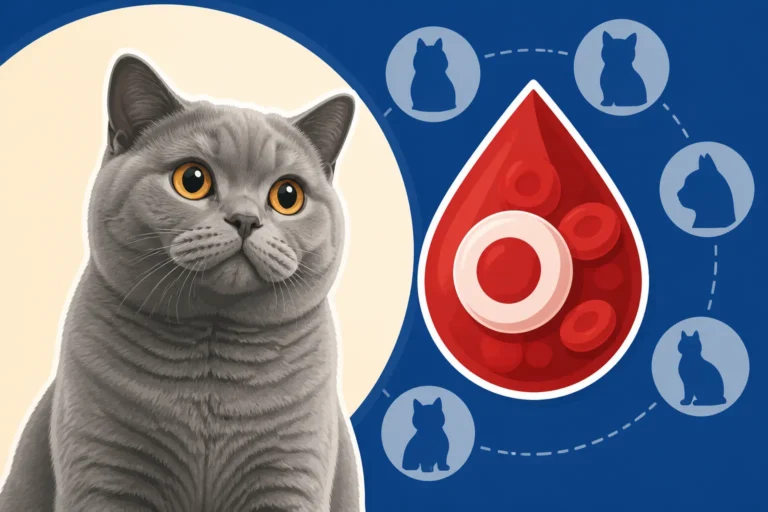
British Shorthair blood type B prevalence, transfusion risks, and fatal neonatal isoerythrolysis in kittens are explained.
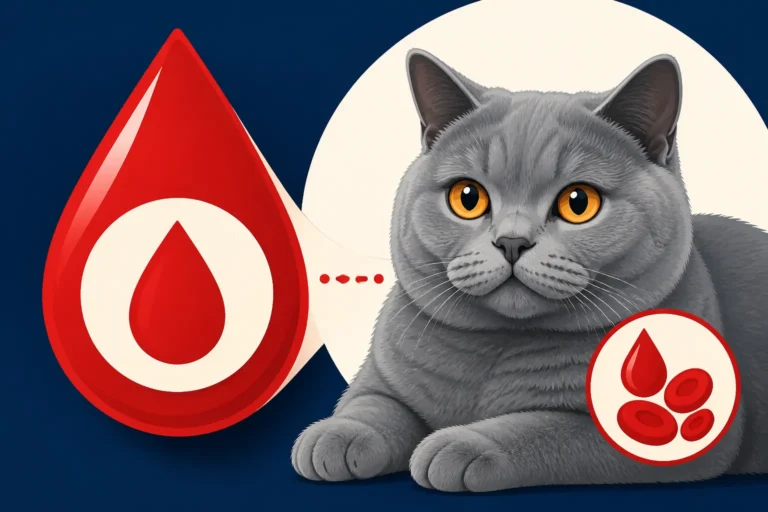
Blood type B in British Shorthair cats requires careful management during breeding and emergency medical transfusions to prevent fatal reactions.
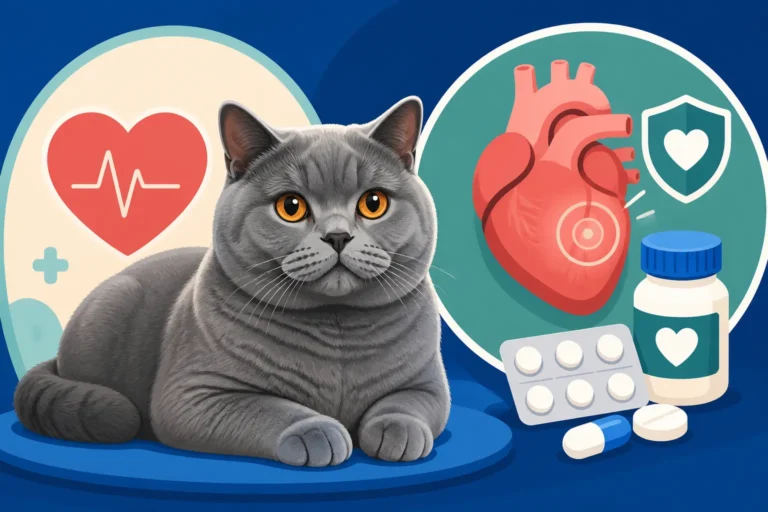
British Shorthair hypertrophic cardiomyopathy treatment options, echocardiogram diagnostics, and proactive care strategies for managing feline heart disease.
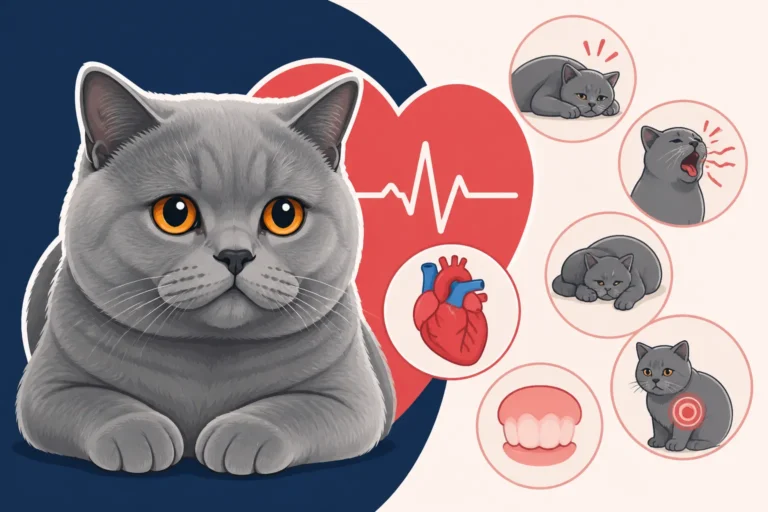
British Shorthair heart disease signs, specifically hypertrophic cardiomyopathy, help owners recognize early symptoms and seek timely veterinary care.
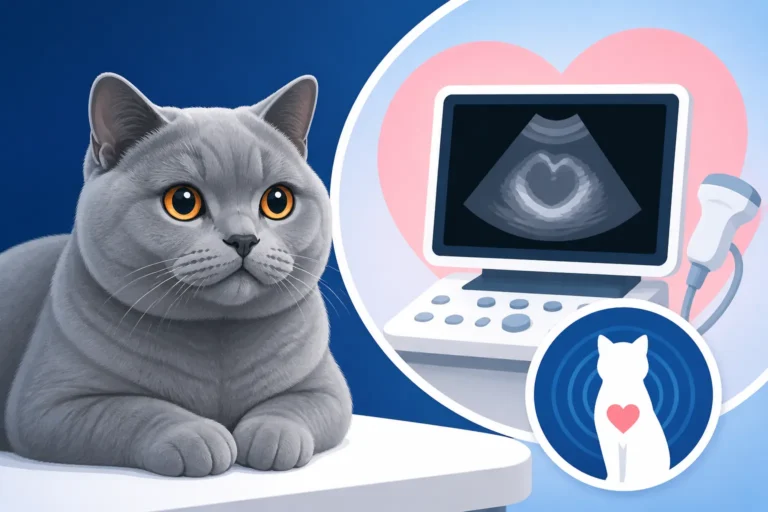
British Shorthair echocardiogram schedules, influencing factors, and screening guidelines for Hypertrophic Cardiomyopathy management.
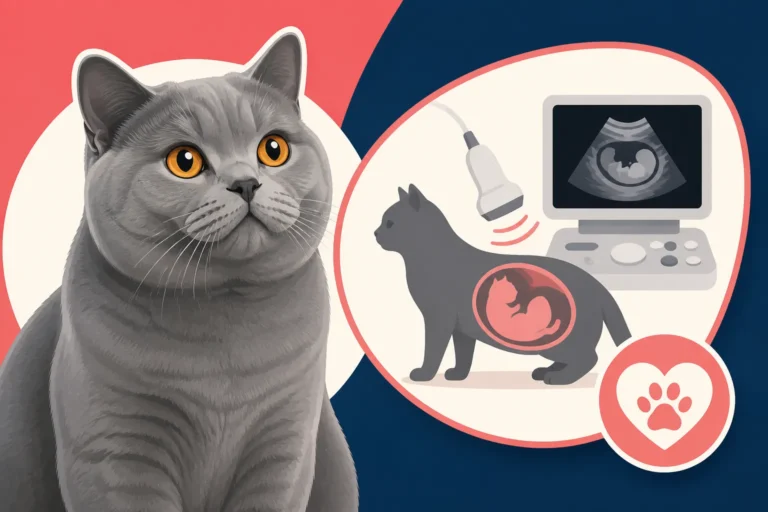
British Shorthair cats need an echocardiogram to detect Hypertrophic Cardiomyopathy because no DNA test exists for the breed.
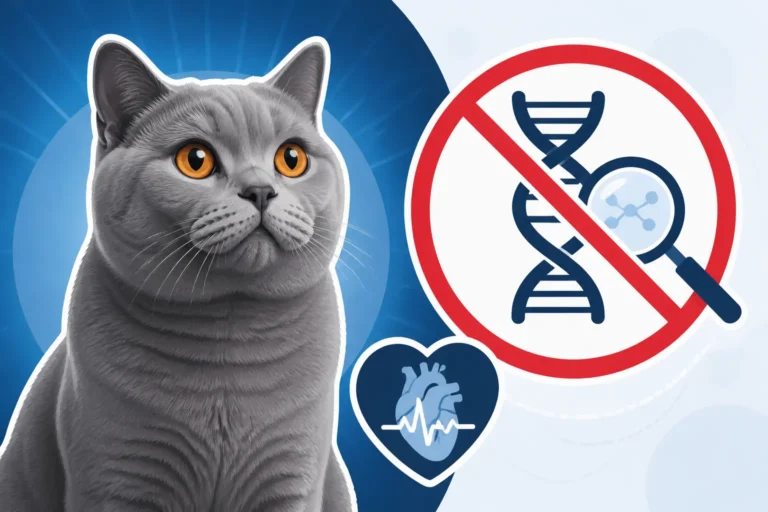
Hypertrophic Cardiomyopathy in British Shorthairs lacks a DNA test because the heart disease involves complex genetic factors.
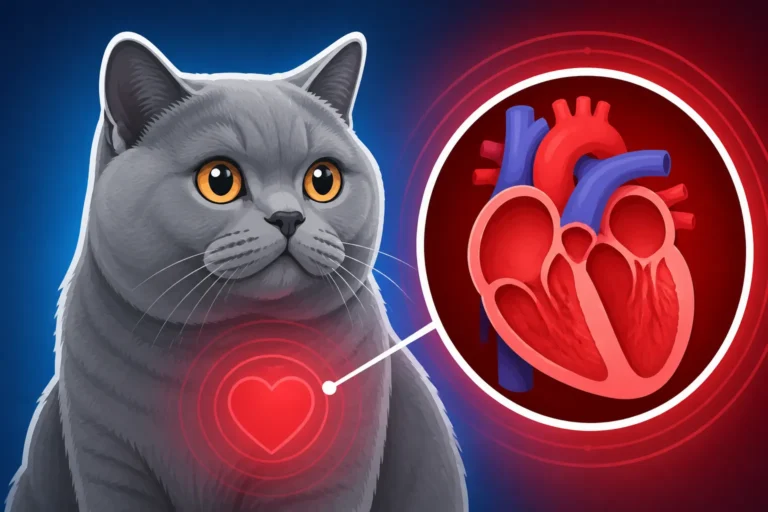
Hypertrophic Cardiomyopathy causes the left ventricular walls of a British Shorthair heart to thicken, reducing internal volume and elasticity.
The average British Shorthair lifespan ranges from 12 to 17 years, depending on genetics, environment, and veterinary care.