How Much a British Shorthair Likes High Places
Many people bring a British Shorthair into their home with visions of a majestic feline gracefully leaping to the highest shelves and surveying their domain from atop the tallest cat tree. However, the reality for this wonderful breed often looks a little different. If you're wondering just how much your lovely, rounded British Shorthair truly enjoys scaling heights, this guide will delve into their unique relationship with vertical space.
The British Shorthair's Relationship with Gravity: Not Always an Acrobat
It's a common misconception that all cats are natural-born acrobats, destined to conquer every vertical surface in your home. While many breeds indeed thrive on high perches and daring leaps, the British Shorthair often prefers a more grounded existence. This isn't to say they can't jump or won't seek a higher spot, but their approach to elevation is distinctly their own, heavily influenced by their physical build and calm temperament.
Their Cobby Build and Low Energy Levels
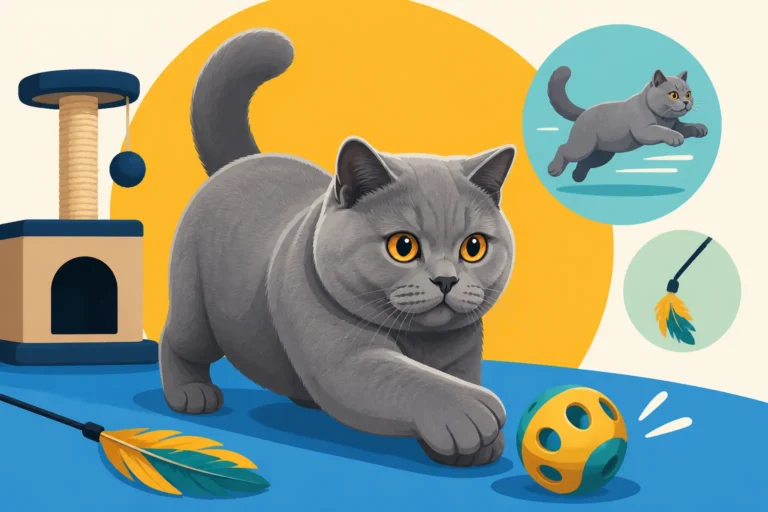
One of the defining characteristics of a British Shorthair is their solid, cobby build. They are robust, muscular cats with powerful, yet relatively short, legs. This physique, while endearing and contributes to their famous "teddy bear" look, isn't exactly built for extreme vertical agility. Think of a champion weightlifter compared to a gymnast – both incredibly strong, but specialized for different types of movement. A British Shorthair can certainly jump onto a sofa, a bed, or even a countertop with ease, especially in their younger years. However, sustained, high-flying antics are generally not their forte. They simply don't have the same lithe, lean body type as some of their more aerial counterparts.
Coupled with their physical build is their famously calm and somewhat sedentary nature. British Shorthairs are not known for being overly energetic or hyperactive. They are often described as placid, dignified, and quite content to observe the world from a comfortable, eye-level vantage point. You'll likely find them napping in a sunbeam on the floor or stretched out on a comfy cushion before you'll spot them clinging precariously to your curtains. This lower energy output means they often don't feel the need to exert themselves with frequent, high-altitude excursions. How Much Exercise a British Shorthair Needs is often less than other breeds, and their play tends to be more sedate.
The Instinct to Observe Versus the Desire to Climb
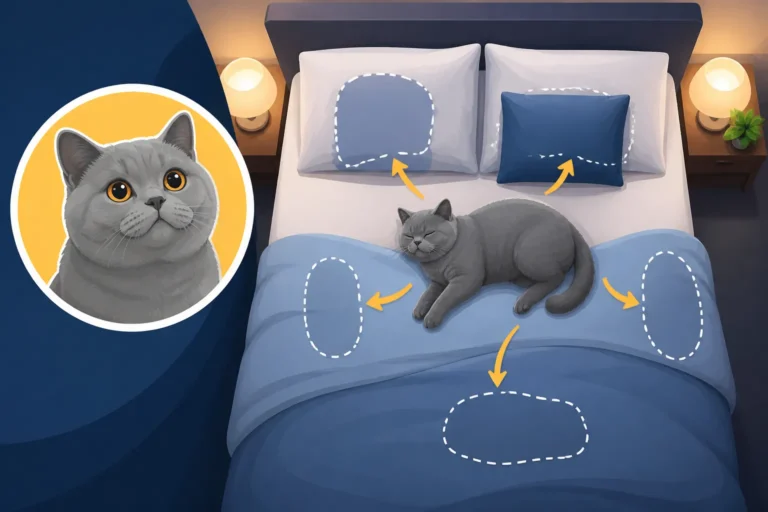
While they might not be scaling bookcases like a mountain goat, British Shorthairs are still cats, and cats inherently appreciate a good vantage point. The difference lies in the intensity of that desire for elevation. For many British Shorthairs, a slightly elevated position that offers a clear view of their surroundings is perfectly sufficient. This could be the back of a sofa, a sturdy armchair, or a low table. It allows them to fulfill their natural feline instinct to observe their territory and feel safe without requiring a monumental effort.
They are masters of quiet observation, often content to watch the household go about its business from a comfortable distance. This doesn't mean they don't appreciate a good "throne" to survey their kingdom from, but that throne might be significantly less elevated than what you'd expect for, say, a Bengal or a Siamese. It's about feeling secure and having a good line of sight, rather than reaching the absolute highest point just because it's there.
Why They Aren't Typically "Shelf-Dwellers"
Given their robust bodies and calmer disposition, British Shorthairs are not usually the breed you'll find balancing precariously on narrow shelves or navigating complex wall-mounted obstacle courses. These types of vertical setups often require a level of agility, balance, and sustained energy that isn't characteristic of the British Shorthair. Their weight means that shelves need to be exceptionally sturdy, and narrow ledges might not offer the sprawling comfort they prefer. Why a Heavy British Shorthair Should Not Jump Down from extreme heights is also a concern, as repeated impacts could strain their joints over time.
Instead, they tend to favor broader, more stable surfaces. If you have wall shelves, they'd likely prefer a wide, deep shelf that feels more like a secure platform than a tightrope. This preference for stability extends to their choice of lounging spots generally; they want to feel completely safe and supported, which a wobbly, high perch might not provide.
Decoding the Desire for Elevation in a British Shorthair
Even with their laid-back nature and sturdy build, British Shorthairs are still fundamentally cats, and certain feline instincts remain. Their desire for elevation, while perhaps less pronounced than in other breeds, stems from deep-rooted needs for security, observation, and comfort. Understanding these motivations can help you provide the perfect vertical solutions for your furry companion.
Safety and Security: A Primal Instinct
For any cat, being in a high place offers a significant sense of security. It provides an escape from potential threats (even if those "threats" are just energetic toddlers or a bouncy dog) and allows them to feel less vulnerable. From a high perch, they can see approaching figures or sudden movements without being caught off guard. This primal instinct is alive and well in the British Shorthair, even if their definition of "high" is relative. A spot just a few feet off the ground, such as on a windowsill or the top of a cabinet, can feel immensely safer than being on the floor, especially in a busy household.
It's about having a private sanctuary, a place where they can retreat and observe without constant interaction. This is particularly important for a breed that values its personal space and quiet time. Offering them these safe havens can greatly contribute to their overall well-being and confidence, especially in multi-pet homes or households with children.
Surveillance: Keeping Tabs on Their Kingdom
British Shorthairs are keen observers. They love to watch the world go by, whether it's the birds outside the window or the daily activities within your home. An elevated position provides an excellent vantage point for this "surveillance." From a higher spot, they can take in the entire room, monitoring everything and everyone in their territory. This satisfies their natural curiosity and helps them feel in control of their environment. What a British Shorthair Does All Day often involves a lot of watching!
Think of it as their personal lookout tower. While they might not be actively "hunting" from this position, they are mentally engaged, processing all the sensory information. This mental enrichment is just as important as physical exercise for a British Shorthair, preventing boredom and fostering a sense of engagement with their surroundings.
Comfort and Warmth: Finding the "Just Right" Spot
Cats are notorious for seeking out the warmest, most comfortable spots in the house, and British Shorthairs are no exception. Heat rises, so elevated perches often offer a slightly warmer microclimate, especially near a window where sunlight can stream in. Combine warmth with a soft, plush surface, and you've found a British Shorthair's paradise. Many British Shorthairs will gravitate towards window sills, the tops of radiators (if safe and not too hot), or even the highest point of a sunny armchair, simply because these spots offer the ultimate in coziness.
Their thick, dense coats provide excellent insulation, but they still appreciate a good warm spot for a long nap. Providing a variety of comfortable, elevated sleeping and lounging areas can cater to this instinct, offering them choices throughout the day as the sun moves or the room temperature changes. How Many Hours a Day a British Shorthair Sleeps means they need plenty of comfortable spots.
Making High Places Appealing and Accessible for Your British Shorthair
Since British Shorthairs aren't typically Olympic high-jumpers, careful consideration should go into choosing and arranging vertical enrichment. The goal isn't necessarily to get them to the highest point possible, but to provide sturdy, comfortable, and easily accessible elevated spaces that cater to their specific needs and preferences.
Choosing the Right Cat Tree for a Sturdy Build
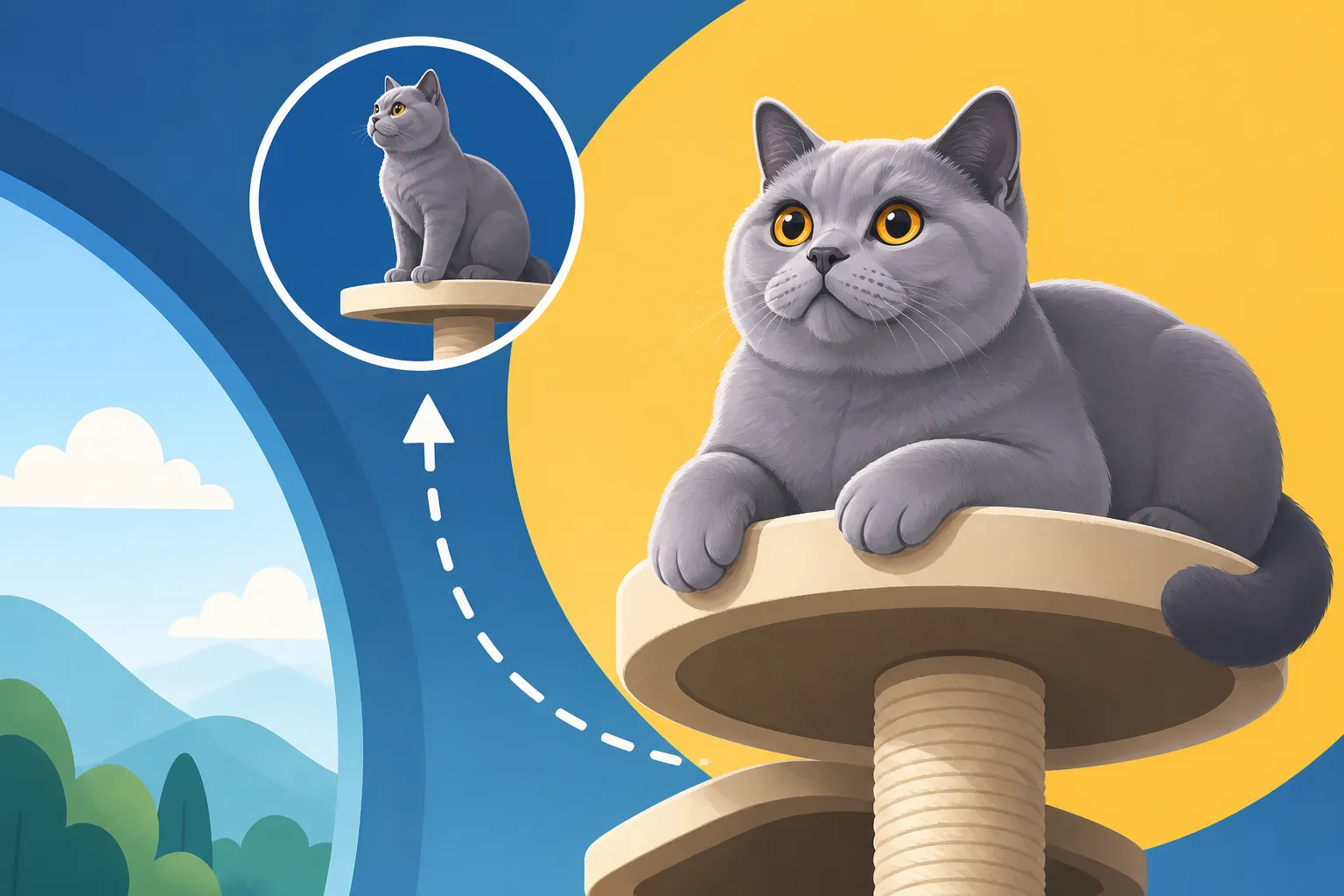
When selecting a cat tree for a British Shorthair, stability is paramount. Forget flimsy, wobbly structures designed for smaller, more agile breeds. Your British Shorthair needs something robust that won't sway or tip when they jump on or off. Look for cat trees with:
- Heavy, wide bases: A broad and substantial base is crucial for preventing tipping.
- Thick posts: Thicker posts provide better structural integrity and are less likely to break or bend over time under their weight.
- Large platforms/beds: British Shorthairs are large cats and need spacious platforms where they can comfortably stretch out, turn around, and nap without feeling cramped. Small, round perches simply won't do.
- Lower heights with multiple levels: Instead of one super-tall pole, consider a tree with several moderately elevated, easily accessible levels. This allows them to ascend gradually without needing to perform dramatic leaps.
Many excellent options can be found on platforms like Amazon, but always prioritize reviews from owners of large breeds to ensure the product's durability. Some British Shorthairs will enjoy a cat tree, while others might view it as an oversized scratching post. Whether a British Shorthair Uses a Cat Tree at All depends entirely on the individual cat and the tree's design.
| Type of High Place | Suitability for British Shorthair | Pros | Cons | BSH Considerations |
|---|---|---|---|---|
| Traditional Cat Tree | Good, if chosen carefully | Offers multiple levels, scratching surfaces. | Can be flimsy; platforms often too small. | Must be extremely sturdy with large, flat platforms. |
| Wall-Mounted Shelves | Excellent, with design thought | Customizable, space-saving, aesthetically pleasing. | Requires careful installation for weight; narrow shelves are unsuitable. | Wide, deep shelves. Consider non-slip surfaces and staggered heights. |
| Window Perches | Very High | Offers outdoor viewing, warmth from sun. | Some attach via suction cups, which can fail. | Choose sturdy, well-secured window beds or built-in sills. |
| Furniture Tops (Bookcases, Cabinets) | Variable | Utilizes existing household items; familiar. | May not be stable; can clutter human space; access may be difficult. | Ensure stability. Add soft bedding. Provide clear, easy access. |
| Ramps and Steps | Excellent for older/less agile cats | Reduces strain on joints, encourages movement. | Can take up floor space; cat may need training to use. | Essential for When a British Shorthair Needs Ramps or for general joint health. |
Exploring Wall-Mounted Options and Window Perches
Wall-mounted cat shelves can be a fantastic way to utilize vertical space, offering a sleek look and customizable options. For a British Shorthair, choose shelves that are at least 12-14 inches deep and wide enough for them to lie down comfortably. They also need to be mounted directly into wall studs to support their substantial weight. Consider arranging them in a staircase pattern or with staggered heights to make ascent and descent easier, minimizing the need for big jumps. You can find robust, large-cat-friendly shelves from various manufacturers, often available through online retailers like Amazon.
Window perches are almost universally loved by British Shorthairs. They offer prime bird-watching real estate and a warm spot in the sun. Again, stability is key. Look for models that securely attach to the windowsill or use strong suction cups (though suction cups should be regularly checked for adhesion). Many British Shorthair owners opt for window shelves that bolt directly into the window frame for maximum safety and peace of mind. Adding a soft, washable pad will make these spots even more inviting.
Considering Ramps and Steps for Easier Access
One of the most thoughtful ways to provide vertical access for a British Shorthair, especially as they get older or if they're particularly large, is to incorporate ramps or steps. These reduce the strain on their joints, which can be significant for a heavier cat jumping repeatedly. Ramps can lead up to a favorite window perch, a high bed, or even a section of a cat tree. Steps can make getting onto a tall bed or sofa much easier.
While a young British Shorthair might not need them, introducing ramps and steps early can prevent future problems and encourage them to use the elevated spaces you've provided. Look for sturdy, wide ramps with a gentle incline and a non-slip surface. There are many pet steps and ramps available on Amazon, often designed with stability in mind.
Observing and Adapting: Your British Shorthair's Unique Vertical Habits
Every British Shorthair is an individual, and while general breed traits give us a good starting point, your specific cat will have their own preferences when it comes to high places. The key to successful vertical enrichment is to observe your cat, understand their signals, and adapt your home to suit their unique needs and desires.
Reading Your Cat's Body Language and Preferences
Pay close attention to where your British Shorthair naturally chooses to rest, observe, and sleep. Do they always gravitate towards the back of the sofa, or do they eye the top of the wardrobe with interest but never make the leap? This can tell you a lot about their comfort level with heights. If they repeatedly try to jump onto a spot but struggle, it might be too high or unstable for them. Conversely, if they ignore a perfectly good cat tree but consistently jump onto a less-ideal surface (like your kitchen counter), it's a sign that the kind of elevated space you're providing might not be meeting their needs.
Observe their posture and relaxation levels on different perches. A cat that feels secure and comfortable will be sprawled out, relaxed, and perhaps even purring. A cat that is tense, hunched, or frequently scanning their surroundings with wide eyes might feel vulnerable or unstable in that spot. Their comfort is paramount, and adapting to their cues will lead to a happier cat. How to Read a British Shorthair's Face can give you clues about their mood and comfort levels.
Encouraging Exploration Without Force
Never force your British Shorthair onto a high perch or into a cat tree they seem reluctant to use. This can create negative associations and make them even less likely to explore vertical spaces. Instead, use positive reinforcement. Place favorite treats, enticing toys, or catnip on the lower levels of a new cat tree or a new window perch. Play with a wand toy around the base of the structure, gradually leading them up if they show interest.
Make the journey as inviting as the destination. Ensure there's a soft bed or a cozy blanket on the perch to make it extra appealing. Sometimes, simply having a clear, accessible path makes all the difference. Remember, British Shorthairs are typically very calm and don't rush into new things. Patience and gentle encouragement will yield much better results than trying to coax or push them.
The Importance of Sturdy and Safe Structures
Ultimately, the most important aspect of providing high places for your British Shorthair is ensuring their safety and comfort. Any structure they use must be incredibly stable and able to support their full adult weight without wobbling or collapsing. This means regular checks of cat trees for loose screws or worn parts, and verifying that wall-mounted shelves remain securely fastened.
An unstable perch can lead to injury, but it can also deter your British Shorthair from using any elevated spaces in the future, associating them with fear or discomfort. Investing in high-quality, sturdy products, whether it's a What a Cat Tree for a Heavy British Shorthair Costs or carefully chosen shelves, is not just about aesthetics; it's about providing a safe and enriching environment that respects their physical characteristics and cautious nature. A well-placed, secure high spot can become a treasured sanctuary for your British Shorthair, offering them the perfect blend of security, observation, and comfort without requiring them to become an aerial daredevil.
Disclaimer
This article is for general informational purposes only and does not constitute professional advice. Laws, prices and regulations vary by location and change over time. Consult a qualified professional for guidance on your specific situation.