What a British Shorthair’s Heart Failure Costs at the End
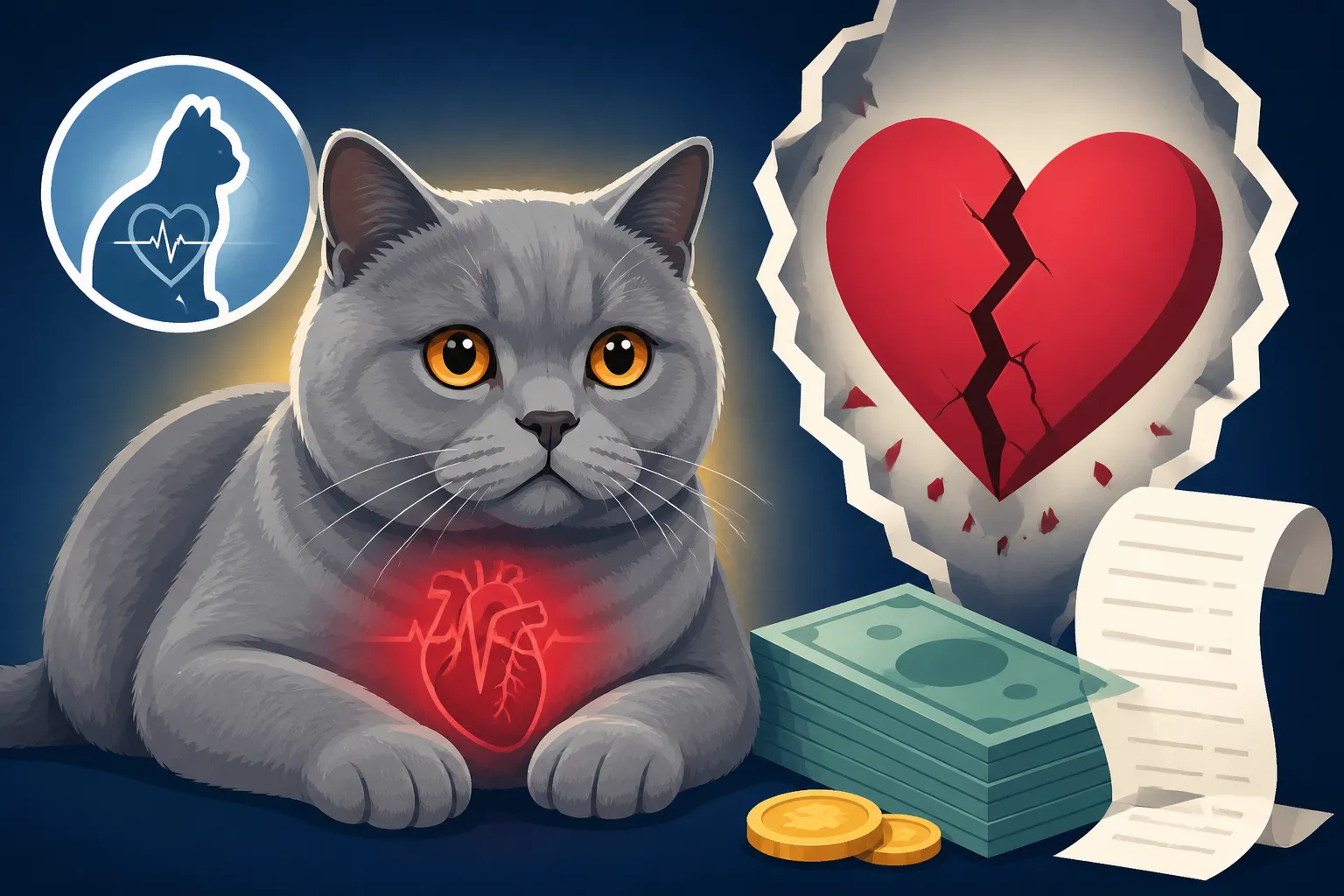
It's absolutely heartbreaking to watch your beloved British Shorthair decline, especially when it's due to a condition as serious as heart failure. As they reach the end stages, the focus shifts from treatment to comfort, but this doesn't always mean the financial burden lessens; in fact, it can often increase dramatically. This guide is here to walk you through the difficult reality of the costs associated with caring for a British Shorthair with end-stage heart failure, from the final vet visits and medications to palliative care and, eventually, euthanasia and aftercare, so you can be as prepared as possible during an incredibly tough time.
The Unavoidable Veterinary Expenses of Advanced British Shorthair Heart Failure
When a British Shorthair is in the advanced stages of heart failure, the veterinary care needed is less about a cure and more about managing symptoms and maintaining comfort. However, even with this shift in focus, the costs for diagnostics, medications, and emergency interventions can be substantial and unrelenting.
Ongoing Diagnostics and Monitoring in Late Stages
You might think that once a diagnosis of heart failure is clear and your cat is nearing the end, extensive diagnostics would cease. Unfortunately, that's rarely the case. Even when the prognosis is poor, ongoing monitoring is crucial to adjust medications and ensure your British Shorthair is as comfortable as possible. This means regular vet visits, which each carry their own examination fee, especially if your cat needs to be seen urgently.
You'll still likely be looking at occasional chest X-rays to monitor fluid accumulation in the lungs, which is a common and distressing symptom of heart failure. These X-rays help your veterinarian determine if diuretic dosages need to be increased or adjusted. Blood tests, particularly those assessing kidney function, become vital. Many heart medications, while life-saving, can impact the kidneys, and a cat in heart failure often faces concurrent kidney issues, exacerbating the complexity and cost of care. Tracking these values is key to avoiding further suffering. Sometimes, an abbreviated echocardiogram might even be recommended to assess the heart's current function and guide medication adjustments, even if a full, detailed scan is no longer the primary goal. You can read more about The Yearly Echo That Replaces a British Shorthair Gene Test and How Often a British Shorthair Needs an Echo to understand the typical schedule, which may intensify at the end. These tests add up, often costing hundreds of dollars for each series, and they might be needed more frequently as your cat's condition fluctuates.
The Mounting Cost of Multiple Medications
Managing end-stage heart failure in a British Shorthair typically involves a cocktail of medications, and as the disease progresses, the dosages may increase, or new medications may be added. Diuretics, such as furosemide, are critical for removing fluid from the lungs and body, preventing the feeling of drowning that accompanies pulmonary edema. You might find yourself giving several doses a day. ACE inhibitors like benazepril help relax blood vessels, reducing the heart's workload. Pimobendan is often a mainstay, improving the heart's pumping ability. And to prevent potentially fatal blood clots, which are a very real risk for British Shorthairs with HCM, anti-clotting agents like clopidogrel (Plavix) are often prescribed.
Each of these medications comes with its own cost. While some generic options exist, specific formulations or compounded medications can be expensive. You might purchase these directly from your vet, or sometimes from human pharmacies, or online pet pharmacies like Chewy. Ordering through services like Chewy can sometimes offer a slight discount or convenience with home delivery, but the cumulative cost remains high. It's a constant expense that you just can't cut corners on if you want to keep your cat comfortable. Understanding Which Medication a British Shorthair With HCM Takes is helpful in anticipating these expenses.
Emergency Interventions and Oxygen Support
One of the most terrifying aspects of advanced heart failure is the sudden onset of acute respiratory distress. Your British Shorthair might suddenly struggle to breathe, panting, gasping, or even collapsing. These are immediate, life-threatening emergencies that require urgent veterinary attention. An emergency vet visit usually starts with a higher examination fee than a regular clinic, simply due to the immediate availability of specialized staff and equipment.
Once there, your cat will likely need to be placed in an oxygen cage to help them breathe. This alone can be expensive, charged by the hour or day. Depending on the severity, they might require stronger diuretics via injection, or even sedation to reduce anxiety and ease their breathing. Hospitalization can quickly run into thousands of dollars for even a couple of days, and for many owners, this is where the stark reality of financial limits hits hardest. You have to make an agonizing decision about how much intervention is truly humane and financially feasible, knowing that even with intensive care, the outcome is often only temporary stabilization.
Palliative Care: Prioritizing Comfort Amidst Declining Health
When treatment can no longer halt the progression of heart failure, palliative care becomes paramount. This stage focuses entirely on ensuring your British Shorthair's remaining time is as comfortable and dignified as possible, even if it means some additional expenses for specialized care and home adjustments.
Specialized Nutrition and Appetite Support
Cats with advanced heart failure often have diminished appetites, which can lead to further weakness and muscle loss. Some veterinarians may recommend specific cardiac diets, which are typically low in sodium to help manage fluid retention. However, if your British Shorthair also develops kidney issues (which is common, especially with diuretic use), they might need a specialized renal diet, or a delicate balance between the two. These prescription diets can be significantly more expensive than regular cat food.
Beyond diet, appetite stimulants like mirtazapine or cyproheptadine might be prescribed to encourage eating. You might find yourself trying various types of wet food, even baby food, just to entice a few bites. Sometimes, highly palatable fresh food options might be considered if approved by your vet, to stimulate appetite. Fresh food can sometimes appeal to picky eaters, but always consult with your vet to ensure it aligns with any necessary dietary restrictions for heart or kidney disease. The emotional toll of hand-feeding a reluctant cat, and the financial cost of discarded food they won't touch, is very real.
Environmental Modifications for Quality of Life
As their heart disease progresses, British Shorthairs often become weaker, less mobile, and more prone to stiffness or pain, especially if they are older and already dealing with Arthritis in an Older British Shorthair. Making simple modifications to their environment can make a huge difference in their quality of life. This might include investing in a comfortable, orthopaedic bed placed in a quiet, easily accessible spot. Ramps or pet stairs can help them reach favorite elevated spots (like a sofa or a low window perch) without straining their weakening heart or joints.
Litter box accessibility is another crucial consideration. A British Shorthair is already a large, cobby cat, and with heart failure, they might find it difficult to climb into high-sided litter boxes. Investing in a low-sided, extra-large litter box can prevent accidents and ensure they maintain good litter habits during a stressful time. You can learn more about finding the right size in Which Litter Box Size a British Shorthair Needs. These items may not seem like direct "medical" costs, but they are essential for your cat's daily comfort and prevent further distress for both of you.
Pain Management and Symptom Control
Beyond directly treating the heart condition, managing the general symptoms and any discomfort your British Shorthair experiences is a significant part of palliative care. This could involve increasing diuretics to keep fluid build-up at bay, or prescribing medications for chronic pain. Older British Shorthairs can develop arthritis, and the weakness associated with heart failure can make this worse. Medications like buprenorphine or gabapentin can provide effective pain relief, making your cat more comfortable and able to rest.
Monitoring for signs of discomfort, such as restless pacing, hiding, or changes in posture, becomes a constant task. You might also need to spend more on absorbent pads for potential accidents if mobility becomes an issue, or even specialized wipes to keep them clean if they struggle with self-grooming. Each of these small additions contributes to the overall cost but is vital for a compassionate end-of-life experience.
The Final Decisions: Euthanasia and Aftercare Expenses
Making the decision for euthanasia is one of the hardest choices any pet owner will ever face. It's a decision born of love, to prevent further suffering when all other options have been exhausted. Even this final, compassionate act comes with its own set of significant costs, as do the choices you make for their aftercare.
The Cost of a Peaceful Passage
The cost of euthanasia itself can vary depending on where and how it's performed. An in-clinic euthanasia is generally less expensive than an in-home service. For a British Shorthair that is stressed by car rides or vet visits, or one that is struggling to breathe, an in-home euthanasia can offer immense peace and dignity. It allows your cat to pass away in the familiar comfort of their own home, surrounded by loved ones, without the added trauma of travel or strange environments. However, the convenience and emotional benefits of an in-home service usually come at a higher price, often several hundred dollars, sometimes more.
The procedure itself typically involves a sedative to ensure your cat is calm and pain-free, followed by an overdose of an anesthetic that gently stops the heart. The cost includes the veterinarian's time, the medications used, and sometimes a keepsake paw print or a lock of fur. While difficult, this final expense is a profound act of kindness. Understanding the trajectory of your cat's condition, such as in How Long a British Shorthair Lives After an HCM Diagnosis, can help you mentally prepare for this inevitable decision.
Aftercare Choices and Memorials
Once your British Shorthair has passed, you'll need to decide on aftercare. The most common options are cremation or burial. Cremation services typically offer two choices: communal or private. With communal cremation, your cat is cremated with other pets, and their ashes are usually scattered or buried at a pet cemetery. This is the more affordable option. Private cremation means your cat is cremated alone, and their ashes are returned to you in an urn. This choice allows you to keep your beloved companion's remains at home, but it is significantly more expensive.
Many pet crematories offer a range of urns, from simple wooden boxes to elaborate ceramic or metal vessels, each at a different price point. You might also choose to have a paw print impression, a nose print, or a lock of fur made into a keepsake, all of which add to the final bill. These memorials can be deeply comforting, but they do contribute to the end-of-life costs.
Financial Preparedness and Support Options
Facing these escalating costs on top of the emotional distress is incredibly challenging. Financial planning is crucial. If you have pet insurance, such as Healthy Paws, it's vital to review your policy. Pet insurance typically helps cover a portion of veterinary bills, but coverage for end-of-life care, especially for pre-existing conditions like heart failure, can vary. Some policies may have limitations or specific clauses regarding chronic illnesses. It's worth looking into Insuring a British Shorthair and Whether Insurance Covers a British Shorthair's HCM well in advance to understand what your specific plan entails.
Many veterinary clinics offer payment plans for larger bills, or you might consider personal loans or credit cards if you have that option. Some animal welfare organizations or breed-specific rescues may offer financial assistance for owners struggling with significant veterinary costs, though this varies greatly by location and availability. Crowdfunding platforms have also become a way for some owners to seek help from their communities.
| Service Category | Typical End-Stage Costs (Estimate) | Notes |
|---|---|---|
| Veterinary Care | ||
| Vet Visits (per visit) | $50 – $150 | Examination fee, more for emergency visits. |
| X-rays (per set) | $100 – $300 | To check for fluid in lungs; may be needed frequently. |
| Bloodwork (per panel) | $100 – $250 | Monitoring kidney function, electrolytes. |
| Echocardiogram (brief) | $200 – $500 | To assess heart function and guide medication, if recommended. |
| Medications (monthly) | $100 – $400+ | Diuretics, heart meds, anti-clotting, pain relief; costs vary by dosage and brand/generic. |
| Oxygen Therapy (per day) | $200 – $1000+ | For acute respiratory distress; may involve hospitalization. |
| Palliative Care | ||
| Prescription Diets | $30 – $80 (per bag/case) | Specialized cardiac or renal foods; can be ongoing. |
| Appetite Stimulants | $20 – $50 (per prescription) | To encourage eating; typically monthly. |
| Comfort Items | $50 – $200 | Orthopaedic beds, ramps, low-sided litter boxes. One-time or as needed. |
| Final Expenses | ||
| In-Clinic Euthanasia | $100 – $300 | Includes procedure, sedation. |
| In-Home Euthanasia | $250 – $600+ | Includes procedure, sedation, travel fee. |
| Communal Cremation | $100 – $300 | Ashes not returned. |
| Private Cremation | $200 – $700+ | Ashes returned in a basic urn. |
| Urns & Keepsakes | $50 – $500+ | Varies widely based on material, size, personalization. |
Note: These are estimated costs and can vary significantly based on geographic location, veterinary clinic, and specific needs of the cat.
Beyond the Bills: The Non-Monetary Costs and Emotional Toll
While we've detailed the financial expenditures, it's crucial to acknowledge that the cost of caring for a British Shorthair with end-stage heart failure extends far beyond monetary figures. The emotional and personal toll on an owner can be just as, if not more, taxing.
Time, Stress, and Emotional Exhaustion
Caring for a seriously ill pet is an incredibly time-consuming endeavor. You'll spend countless hours at vet appointments, often rushing your British Shorthair to the emergency clinic in moments of crisis. Administering multiple medications several times a day can feel like a full-time job, especially if your cat is resistant. There's the constant monitoring of their breathing, appetite, energy levels, and overall comfort, which demands vigilance and can be utterly exhausting.
The stress of watching your beloved companion decline, seeing them struggle, and knowing that there's no cure, is immense. It impacts your sleep, your focus at work, and your interactions with family. You might find yourself cancelling plans or turning down opportunities because your cat's care takes precedence. This isn't just an inconvenience; it's a deep, pervasive emotional drain that can lead to burnout. The sheer volume of emotional labor involved in making daily care decisions, anticipating needs, and managing symptoms cannot be underestimated. You live with a constant knot in your stomach, anticipating the next downturn.
Grief and Loss
The journey through end-stage heart failure is a process of anticipatory grief. You are mourning the impending loss of your British Shorthair long before they are actually gone. Each decline, each new symptom, serves as a painful reminder of what's to come. This type of grief is complex and can be incredibly isolating, as not everyone understands the depth of the bond you share with your pet.
Once your British Shorthair passes, whether through euthanasia or natural causes, the grief becomes acute. This emotional pain can manifest in physical symptoms, sleeplessness, loss of appetite, and a profound sense of emptiness. While there's no financial cost to grief itself, seeking support, such as pet bereavement counseling or joining a grief support group, can be invaluable for processing your feelings. These resources, while beneficial, may come with their own fees, adding another layer to the overall impact of losing your cherished British Shorthair. Recognizing the emotional toll is as important as recognizing the financial one, and allowing yourself to feel and process this grief is a crucial part of the healing journey.
Disclaimer
This article is for general informational purposes only and does not constitute professional advice. Laws, prices and regulations vary by location and change over time. Consult a qualified professional for guidance on your specific situation.