What Glucose Monitoring Costs a British Shorthair Owner
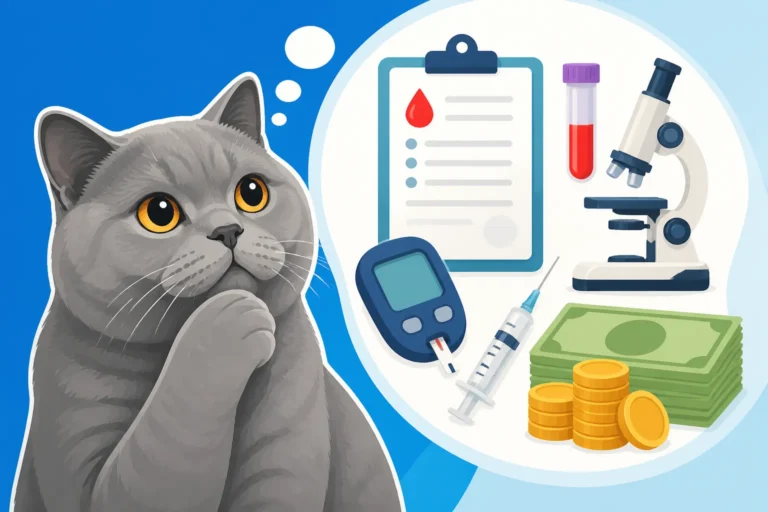
Finding out your beloved British Shorthair has diabetes can be incredibly unsettling. You're suddenly thrust into a world of new terms, medications, and a whole routine that can feel overwhelming, especially when you start to consider the financial implications. One of the biggest pieces of that puzzle is glucose monitoring, which is absolutely crucial for managing this condition. This guide is here to walk you through the various methods of glucose monitoring for your British Shorthair, explaining not just how they work, but also the different types of costs involved, so you can feel a bit more prepared for this journey.
Understanding British Shorthair Diabetes and the Need for Monitoring
When your veterinarian delivers a diabetes diagnosis, it often comes with a lot of heavy information all at once. For us British Shorthair parents, it can feel particularly unfair because our cats are known for their calm, sometimes sedentary, nature. But it's precisely this laid-back lifestyle, combined with their strong appetite for life (and food!), that can sometimes put them at higher risk.
Why British Shorthairs are Prone to Diabetes
Let's be honest, British Shorthairs are built for comfort, not for speed. They're famously chunky, with their dense bones and plush coats giving them that endearing, teddy bear-like appearance. However, this natural build can make it incredibly easy for them to become overweight if their diet and activity aren't meticulously managed. And that, my friends, is where a big piece of the diabetes puzzle often begins. When a British Shorthair carries too much weight, their body can develop insulin resistance. This means their cells don't respond properly to the insulin their pancreas produces, leading to elevated blood sugar levels—the hallmark of diabetes. It's a frustrating cycle because their natural inclination is often to lounge, making it a real challenge to get them moving enough to counteract their love of food. If you're concerned about your cat's weight, you might want to read Obesity Is the British Shorthair's Real Disease.
It's not just about weight, though. Genetics can play a role, and as our British Shorthairs age, their risk factors can increase. Diabetes in a British Shorthair is a condition that requires careful management, and understanding its roots helps us appreciate why diligent monitoring is so important. When you see your lovely round cat, it's easy to overlook that their robust appearance can sometimes mask underlying health challenges.
The Importance of Glucose Monitoring
Once a British Shorthair is diagnosed with diabetes, glucose monitoring becomes the cornerstone of their care. Think of it like this: insulin dosages aren't a one-size-fits-all solution. Every cat responds differently, and their needs can change over time due to diet, activity levels, stress, or even other subtle health shifts. Without regularly checking their blood sugar, you're essentially flying blind. You wouldn't want your cat to receive too much insulin, leading to dangerously low blood sugar (hypoglycemia), or too little, leaving their blood sugar persistently high (hyperglycemia), both of which can have serious health consequences.
Monitoring allows your vet to fine-tune the insulin dosage, ensuring your British Shorthair stays within a healthy glucose range. This personalized approach is what keeps them feeling well, prevents complications, and ultimately, extends their lifespan and improves their quality of life. It’s about more than just numbers; it’s about understanding how your specific cat’s body is reacting and making informed decisions to keep them comfortable and thriving.
What Happens if Diabetes is Untreated
The thought of an untreated diabetic British Shorthair is frankly, a frightening one. Without proper glucose monitoring and insulin administration, the consequences can be severe and rapid. Persistently high blood sugar levels wreak havoc on a cat's body, leading to a cascade of problems. You might notice your cat developing Signs a British Shorthair Is Diabetic, such as excessive thirst, increased urination, and weight loss despite a good appetite. These are just the initial indicators.
Over time, untreated diabetes can lead to cataracts, nerve damage (diabetic neuropathy), and a weakened immune system, making your cat more susceptible to infections. The most critical acute complication is diabetic ketoacidosis (DKA), a life-threatening condition where the body starts breaking down fat for energy, producing toxic byproducts called ketones. This leads to severe dehydration, vomiting, lethargy, and can quickly become fatal if not treated immediately in an emergency veterinary setting. It's a stark reminder that while glucose monitoring might seem like an added burden, it's an indispensable tool for preserving your British Shorthair's health and happiness.
Traditional Veterinary Glucose Monitoring Methods and Their Costs
When your British Shorthair is first diagnosed with diabetes, or if there's a need to reassess their treatment plan, your veterinarian will likely rely on a few traditional monitoring methods. These methods offer a snapshot, or sometimes a curve, of your cat's glucose levels and provide crucial data for adjusting insulin dosages. While effective, they do come with their own set of costs.
In-Clinic Blood Glucose Curves
One of the most common and comprehensive ways vets initially manage diabetes is through an in-clinic blood glucose curve. This involves admitting your British Shorthair to the clinic for a day, where blood samples are taken every one to two hours over a 12 to 24-hour period. Each sample measures the blood glucose level, and when plotted on a graph, these readings create a "curve" that shows how your cat's blood sugar responds to insulin throughout the day. It reveals the insulin's onset, peak action, and duration, which is vital for determining if the current dosage is appropriate.
The cost for an in-clinic curve primarily reflects the veterinary staff's time and labor, the supplies used for each blood draw (syringes, needles, test tubes), and the use of the clinic's specialized glucose analyzers. Because it requires frequent handling and a day-long stay, it's an intensive process. Owners often find the logistical challenge and the associated expense significant, especially if multiple curves are needed to get the dosage just right. It's an essential diagnostic and monitoring tool, but it's not something that can be done daily due to its nature and cost.
Fructosamine Testing
Another important tool in the vet's arsenal is the fructosamine test. Unlike a single blood glucose reading, which can be influenced by stress (and let's face it, many cats, including our stoic British Shorthairs, can get quite stressed at the vet), the fructosamine test provides an average blood glucose level over the previous one to three weeks. It measures glycated proteins in the blood, which form when glucose binds to proteins. The higher the average blood glucose, the higher the fructosamine level.
This test is particularly useful because it gives a broader picture of long-term glucose control, smoothing out the daily fluctuations that might occur. For a British Shorthair who might be a bit anxious at the clinic, providing a "stress-free" reading that accurately reflects their usual glucose levels is a huge benefit. The cost for a fructosamine test typically involves the blood draw itself and the lab analysis fee. While it doesn't provide the hourly detail of a glucose curve, it's an invaluable measure for confirming overall management success or identifying a need for a change in treatment without the constant visits.
Urinalysis
While not a direct measure of blood glucose, urinalysis plays a significant supporting role in both diagnosing and monitoring feline diabetes. When blood glucose levels are consistently high, the kidneys can't reabsorb all the sugar, and it "spills" into the urine. A simple dipstick test of a urine sample can detect the presence of glucose and ketones. Glucose in the urine (glucosuria) is often one of the first indicators of diabetes, especially if accompanied by increased thirst and urination.
For monitoring, regularly checking urine for glucose can help confirm if blood sugar is remaining high enough to spill into the urine, which means the diabetes isn't well-controlled. More critically, the presence of ketones in the urine is a warning sign of potential diabetic ketoacidosis (DKA), signaling an emergency. Collecting a urine sample can sometimes be done at home by owners, reducing a vet visit. However, the interpretation and any necessary follow-up testing, such as a full lab analysis to check for urinary tract infections (which diabetic cats are prone to), will incur veterinary fees. The costs generally involve the collection supplies and the lab analysis. It's a less precise but still useful indicator that complements other monitoring methods.
At-Home Glucose Monitoring: Empowering Owners
For many British Shorthair owners, especially those with cats who find vet visits particularly stressful, the idea of at-home glucose monitoring becomes incredibly appealing. Not only can it reduce the stress on your beloved companion, but it also allows for more frequent checks, providing a clearer, real-time picture of their glucose levels in their comfortable home environment. This empowerment, however, does come with its own set of equipment and ongoing supply costs.
Handheld Glucometers for Cats
The most common method for at-home monitoring involves using a handheld glucometer, similar to what humans with diabetes use, but often specifically calibrated for felines. Cat blood has a different red blood cell structure and glucose concentration compared to human blood, so using a human glucometer can sometimes give inaccurate readings. It's always best to discuss with your vet which feline-specific (or cat-validated human) glucometer they recommend. These devices typically require a tiny drop of blood, often collected from a peripheral ear vein, a paw pad, or sometimes even the lip.
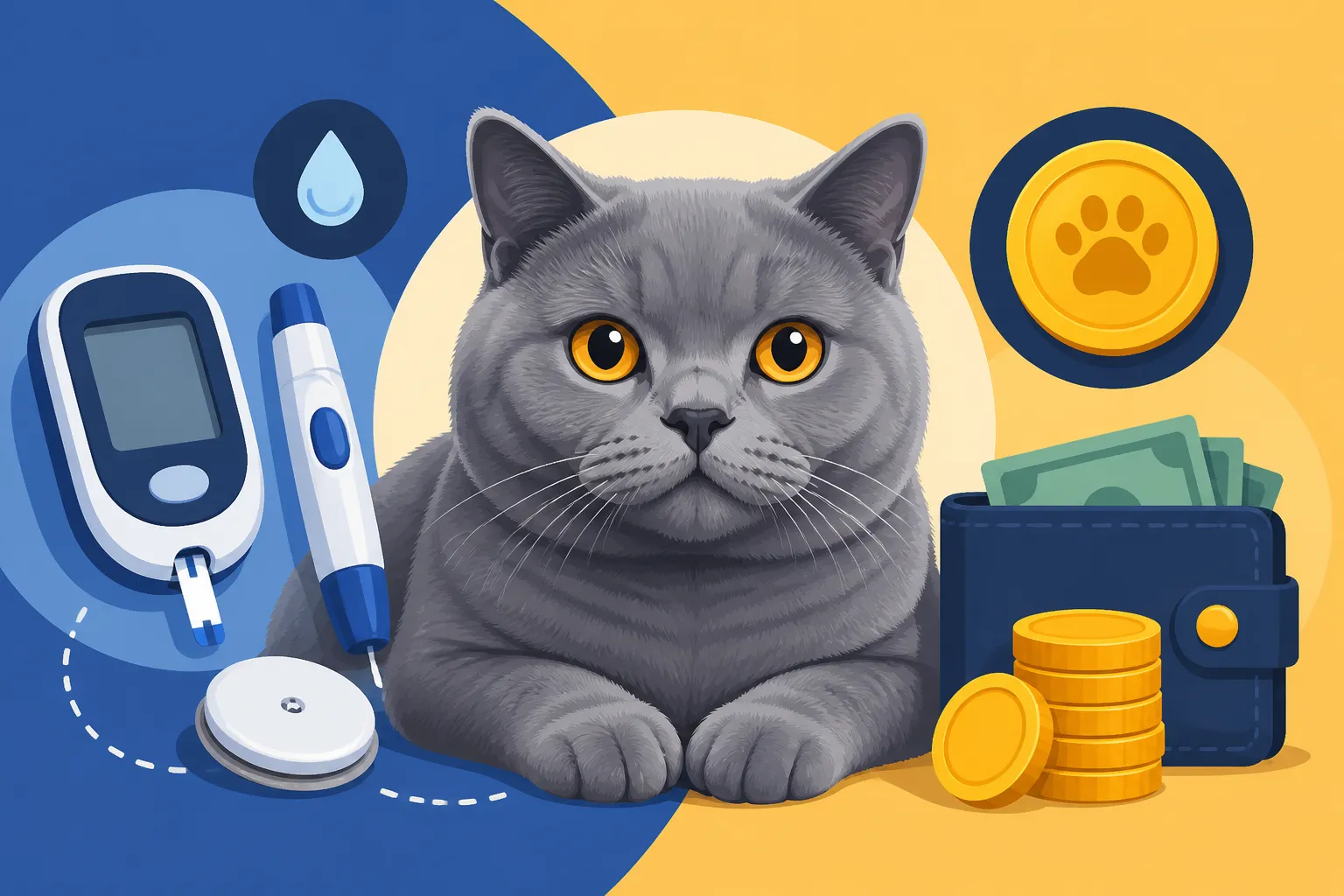
The initial investment for a pet glucometer kit can be a moderate expense, which usually includes the meter itself, a lancet device (to prick the skin), a supply of lancets (the tiny needles), and a starter pack of test strips. The real ongoing cost, however, lies in the test strips. They are specific to each meter, single-use, and can add up over time, especially if you're testing frequently. Calibration solutions are also sometimes needed to ensure accuracy. While these costs might seem daunting initially, they typically break down into smaller, manageable amounts over months, and many owners find the peace of mind and convenience well worth the expense. When managing your British Shorthair's health, this can be an invaluable tool. For more on managing your cat's diabetes, you might find What Insulin Costs a British Shorthair Owner helpful.
Continuous Glucose Monitors (CGMs) for Cats
Stepping up from traditional handheld glucometers, Continuous Glucose Monitors (CGMs) are a game-changer for some diabetic cat owners. Imagine being able to see your British Shorthair's glucose levels continuously, without having to prick them multiple times a day. That's precisely what a CGM offers. A small sensor, typically about the size of a quarter, is applied to your cat's skin (usually shaved, often on the back or flank) and painlessly stays in place for a specified period, often around 10-14 days. This sensor measures glucose in the interstitial fluid, which reflects blood glucose levels.
You then use a reader device, or even a smartphone app, to scan the sensor at any time to get an immediate reading and view trends over hours or days. This continuous data provides an incredibly detailed glucose curve without any stress to your cat or the need for constant blood draws. The upfront cost for a CGM system generally involves the reader device (if not using a phone app) and the recurring cost of replacement sensors. While the individual sensors can have a higher price point than a pack of test strips, the wealth of data, reduced stress for your cat, and convenience for the owner often make it a compelling option for long-term management. These devices represent a significant initial and ongoing investment, but for some cats and owners, they're truly life-changing.
Training and Techniques for At-Home Testing
The idea of pricking your British Shorthair for a blood sample can sound intimidating, even terrifying, to many owners. Our cats are precious, and the last thing we want to do is cause them discomfort or stress. However, with patience, positive reinforcement, and proper technique, most cats can be successfully trained to tolerate, or at least accept, at-home glucose monitoring. Your veterinary team is your best resource here. They can teach you how to properly warm your cat's ear (a common site for blood collection due to its accessible veins), use the lancet device, and obtain a small blood sample. They’ll also advise on how to interpret the results and when to contact them.
The "cost" here isn't monetary, but rather an investment of your time, patience, and emotional energy. You'll likely need to spend time conditioning your British Shorthair, starting with simply touching their ear, then gently holding it, and gradually introducing the lancet device, always paired with praise and high-value treats. Some owners find it helpful to create a calm routine, perhaps in a quiet room, with their cat nestled comfortably on a lap or in a soft bed. It’s a process, not a one-time event, and requires consistency. The goal is to make it as positive an experience as possible, turning a potentially scary procedure into a predictable, treat-filled routine. This commitment ensures you can effectively utilize your monitoring equipment.
| Monitoring Method | Primary Use | Frequency | Invasiveness | Main Cost Components |
|---|---|---|---|---|
| In-Clinic Glucose Curve | Initial diagnosis, insulin adjustment, troubleshooting | Infrequent (as needed) | High | Vet time, blood draws, lab analysis |
| Fructosamine Test | Long-term control assessment, stress-free average | Infrequent (every few months) | Low (single blood draw) | Blood draw, lab analysis |
| Urinalysis | Initial screening, DKA warning, UTI detection | Regular (as advised) | Very low (urine sample) | Collection supplies, lab analysis (if needed) |
| Handheld Glucometer | Daily/frequent monitoring, immediate adjustments | Daily (1-4 times) | Moderate | Meter, lancets, test strips (ongoing) |
| Continuous Glucose Monitor | Continuous 24/7 data, trend analysis | Continuous (sensor lasts ~2 weeks) | Low (sensor application) | Reader (initial), sensors (ongoing) |
Beyond Direct Monitoring: Indirect Costs and Support
It’s easy to focus solely on the direct costs of glucose monitoring, but managing feline diabetes is a holistic endeavor that involves several other financial considerations. These indirect costs are just as crucial to your British Shorthair's long-term health and often work hand-in-hand with effective glucose management.
Prescription Diets and Specialized Food
Diet plays a monumental role in regulating a diabetic British Shorthair's blood sugar. Many veterinarians will recommend a prescription diabetic diet, which is typically high in protein and low in carbohydrates. These specialized foods are formulated to help stabilize glucose levels and can significantly impact the amount of insulin your cat needs. While an essential part of the treatment plan, these foods often come at a higher price point than conventional cat foods.
The cost isn't just about the food itself; it's also about consistency. Once you find a diet that works for your British Shorthair, sticking to it rigorously is key. Many owners find the convenience of ordering these specific foods online through retailers like Chewy invaluable, as it ensures a steady supply delivered right to their door, often at competitive prices. Fresh, customized meal plans can also be tailored to specific dietary needs like diabetes, under veterinary guidance. The subscription model can help manage monthly costs and ensures you never run out, preventing sudden dietary changes that could destabilize your cat’s glucose. Remember that When a Vet Puts a British Shorthair on a Prescription Diet, it's a long-term commitment.
Insulin Costs and Administration Supplies
Glucose monitoring tells you what your British Shorthair's sugar levels are doing, but insulin is often the how of bringing those levels into a healthy range. Insulin itself is a significant ongoing cost, and like any medication, its price can vary. Beyond the insulin vials or pens, you'll also need a steady supply of insulin syringes or pen needles. These are single-use items, crucial for maintaining sterility and accurate dosing.
The type of insulin, its concentration, and the frequency of administration (typically twice a day for cats) will all influence your monthly outlay. It's a non-negotiable expense, and budgeting for it is paramount for your cat's survival and well-being. Coupled with the monitoring equipment, these are the core financial pillars of diabetic management. To understand more about this specific expense, read What Insulin Costs a British Shorthair Owner.
Veterinary Consultations and Adjustments
Even with diligent at-home glucose monitoring, regular veterinary consultations are absolutely essential. Your vet is the expert who interprets the data from your monitoring, makes crucial decisions about insulin adjustments, and monitors for any complications. Initially, after a diabetes diagnosis, these check-ups might be more frequent as your vet works to stabilize your British Shorthair's condition and find the optimal insulin dose.
Over time, if your cat's diabetes is well-controlled, the frequency of these visits might decrease, but they will still be necessary for routine check-ups, blood work, and general health assessments. Each consultation will incur a fee, reflecting the vet's time, expertise, and potentially additional diagnostics like follow-up fructosamine tests or full blood panels. These appointments are not just about adjusting insulin; they're also about monitoring your British Shorthair's overall health, identifying any co-existing conditions, and ensuring their quality of life remains high. This ongoing professional oversight is a critical, though sometimes overlooked, cost of managing diabetes.
Pet Insurance Considerations
Given the significant and ongoing costs associated with managing a chronic condition like diabetes, many British Shorthair owners wisely turn to pet insurance. While it's generally best to enroll in pet insurance before any health conditions arise (as most policies won't cover pre-existing conditions), understanding what is covered can make a huge difference in managing the financial burden of a diabetic cat.
Reputable providers like Healthy Paws offer various plans that might cover diagnostics, medications, emergency care, and even some specialized diets if they are not considered "maintenance." If your British Shorthair developed diabetes after enrollment, a good pet insurance policy could significantly offset the costs of insulin, test strips, vet visits for glucose curves, and emergency treatments related to diabetic complications. It’s vital to read policy details carefully, understand deductibles and reimbursement percentages, and ask specific questions about chronic disease coverage. Investing in insurance, when possible, can transform a potentially overwhelming financial challenge into a manageable one, allowing you to focus on your British Shorthair's health rather than the mounting bills. For a deeper dive, consider Whether Insurance Covers a British Shorthair's Diabetes.
Disclaimer
This article is for general informational purposes only and does not constitute professional advice. Laws, prices and regulations vary by location and change over time. Consult a qualified professional for guidance on your specific situation.