Whether a British Shorthair Tom or Queen Costs More
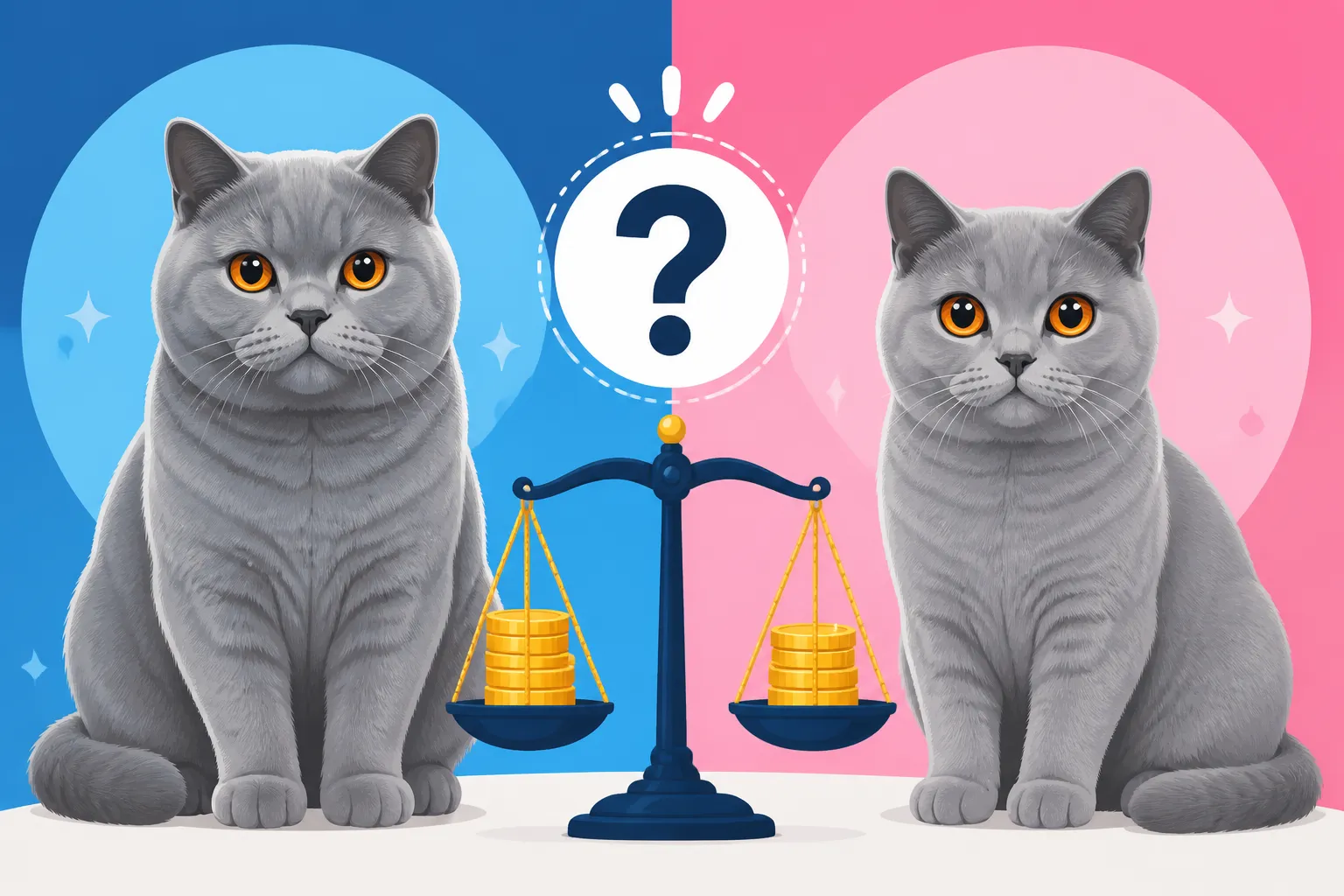
One question that often pops into the minds of prospective British Shorthair owners, especially when they’re budgeting for their new furry family member, is whether a male or a female will end up costing more. It's a valid concern, as initial price tags can sometimes be misleading, and ongoing expenses can really add up. This guide aims to demystify whether a British Shorthair tom or queen truly has a different price point, looking at everything from the initial purchase to lifelong care.
Initial Purchase Price: Is There a Gender Premium?
When you first start looking for a British Shorthair kitten, you might assume there's a gender-based price difference, but for pet-quality kittens, this isn't usually the case. Most reputable breeders price their kittens based on factors like pedigree, color, type, and importantly, the health screening invested in the parents, rather than whether the kitten has a Y chromosome or not. The real cost drivers are far more complex than simple gender.
Breeder Reputation and Health Screening
A breeder's reputation and their commitment to health screening are paramount, and these are often reflected in the price of any kitten, regardless of sex. A responsible breeder will have invested heavily in testing their breeding cats for genetic conditions common in the British Shorthair breed, such as Polycystic Kidney Disease (PKD) and Hypertrophic Cardiomyopathy (HCM). This involves regular The Yearly Echo That Replaces a British Shorthair Gene Test for HCM and DNA testing for PKD. These tests are expensive, and the cost is naturally factored into the kitten's price. Whether you're purchasing a male or female, a kitten from health-tested parents will command a higher, but justifiable, price. You're essentially paying for peace of mind and the reduced risk of inheriting serious health issues. This dedication to health benefits all kittens equally, be they little boys or girls.
Pedigree and Show Potential
The lineage and potential for showing can also heavily influence a British Shorthair's price. A kitten with a champion bloodline, exceptional "type" (meaning it closely adheres to the breed standard in terms of head shape, coat quality, and overall conformation), might be priced higher, regardless of gender. Breeders often assess each kitten's potential, and sometimes a particular male or female might stand out as having show potential. These "show quality" kittens often come with a higher price tag than "pet quality" kittens, irrespective of their sex. This is because a show-quality kitten might be used to further a breeding program or bring prestige in the show ring, and those possibilities add value in the eyes of a breeder.
Coat Color and Rarity
Believe it or not, coat color can sometimes be a bigger factor in price than gender. The classic solid blue British Shorthair is iconic, and sometimes these kittens are in high demand. However, rarer colors or patterns, such as cinnamon, fawn, chocolate, or colorpoints, can sometimes command a premium, simply due to their unique appearance and the effort involved in breeding for those specific traits. It has nothing to do with whether the kitten is a male or female. You might find a stunning rare-colored male priced higher than a standard blue female, or vice-versa. So, while you might have your heart set on a particular shade, remember that rarity often translates to a higher price tag for both genders. Which British Shorthair Colors Cost the Most often illustrates this point very well.
Ongoing Costs: The Male vs. Female Perspective
Beyond the initial purchase, many wonder if the day-to-day or year-to-year costs for a male or female British Shorthair differ. While some factors like appetite and potential health issues can slightly lean one way or the other, it's rarely a dramatic difference that should sway your decision between a tom or a queen.
Neutering vs. Spaying Costs
One of the first significant veterinary expenses after bringing a kitten home is spaying or neutering. Generally, spaying a female (removing ovaries and uterus) is a more invasive surgical procedure than neutering a male (removing testes). This often means that spaying tends to be a bit more expensive than neutering. The cost difference can vary quite a bit depending on your location and veterinary clinic, but it's a one-time expense. Many breeders will actually send kittens home already spayed or neutered, especially pet-quality ones, which means this particular cost is already covered in your initial purchase price. If you adopt from a rescue, they almost always come already fixed. However, if you're getting an unfixed kitten, prepare for this difference.
Health Concerns and Associated Bills
While British Shorthairs are generally a healthy breed, both sexes can be prone to certain conditions. Males, for instance, are statistically more prone to urinary tract issues like blockages, which can become medical emergencies and require intensive, expensive veterinary care. The anatomical structure of the male urethra makes them more susceptible to blockages from crystals or stones. Females, while less prone to blockages, can still develop urinary problems or reproductive issues if not spayed. Urinary Problems in a British Shorthair can be a concern for either sex.
However, many other common health concerns, such as Obesity Is the British Shorthair's Real Disease, Gingivitis in a British Shorthair, or Arthritis in an Older British Shorthair, affect both sexes equally. The preventative measures, such as proper diet, regular dental care, and encouraging appropriate activity, are the same regardless of gender. A good pet insurance policy, like those offered by Healthy Paws, can help mitigate unexpected veterinary costs for either a male or female cat. It's always a smart idea to budget for unforeseen medical expenses, as our feline friends are adept at hiding pain and illness until it's quite advanced.
Size and Appetite Differences
Male British Shorthairs tend to be larger and heavier than females when fully grown. A big, robust tom can sometimes weigh quite a bit more than a dainty queen. This difference in size can translate to a slight difference in food consumption. A larger male might eat a bit more, which could mean slightly higher food bills over their lifetime. However, British Shorthairs are also notoriously prone to weight gain, regardless of sex, so portion control is key for all of them. The caloric needs will be based on their individual metabolism, activity level, and actual body condition, not just their gender. Brands like Chewy offer a wide range of premium cat foods, including weight management formulas, that can help keep either sex at a healthy weight, making the slight size difference less impactful on your overall budget. How Much an Adult British Shorthair Eats will give you a better idea of typical consumption.
Here's a quick comparison of potential cost factors:
| Cost Factor | Male British Shorthair Impact | Female British Shorthair Impact | Overall Influence on Price |
|---|---|---|---|
| Initial Purchase | No inherent premium based on sex for pet quality. | No inherent premium based on sex for pet quality. | Low |
| Breeder Reputation | High influence. Health screening, care, and ethics affect all. | High influence. Health screening, care, and ethics affect all. | High |
| Pedigree/Show Potential | Higher price if considered show quality. | Higher price if considered show quality. | Medium to High |
| Coat Color/Rarity | Can increase price regardless of sex. | Can increase price regardless of sex. | Medium to High |
| Neutering/Spaying | Typically less expensive (neutering). | Typically more expensive (spaying). | Low (one-time) |
| Urinary Tract Issues | Higher risk of blockages, potentially high emergency vet bills. | Lower risk of blockages, but still possible. | Medium to High (if issue occurs) |
| General Health Issues | Similar risk for common breed issues like obesity, dental. | Similar risk for common breed issues like obesity, dental. | Low |
| Food Consumption (Size) | Might eat slightly more due to larger average size. | Might eat slightly less due to smaller average size. | Low |
Special Considerations for Breeding Animals
It’s worth mentioning that if you were to consider purchasing a British Shorthair for breeding purposes, the cost implications become dramatically different, and there can be more distinction between males and females. However, for the vast majority of pet owners, this isn't a concern. Reputable breeders rarely sell breeding animals to inexperienced individuals, and breeding cats comes with immense responsibilities and costs far beyond pet ownership.
Health Testing for Breeding Stock
For a breeding male (stud) or female (queen), the health testing requirements are much more rigorous and ongoing. For example, a breeding queen will need annual cardiac echoes to screen for HCM, sometimes costing hundreds per scan, potentially for many years. Both sexes would require comprehensive genetic testing and possibly blood typing to prevent serious issues like neonatal isoerythrolysis in kittens. What a British Shorthair Breeder Should Have Tested provides a thorough overview. These intensive and repeated screenings are crucial for responsible breeding and add substantial cost, which is then passed on in the price of the breeding animal itself. The purchase price for a breeding quality British Shorthair, regardless of sex, is often significantly higher than for a pet.
Reproductive Care and Complications
For a breeding queen, the costs associated with breeding itself are substantial. This includes stud fees if you're breeding to an outside male, extensive prenatal vet checks, potential complications during pregnancy or birth (such as emergency C-sections), and the intensive care of newborn kittens. Litters can be small, and not all kittens may survive, adding to the financial burden. A breeding male also incurs costs, such as stud maintenance, potential health checks before breeding, and the need to be kept separate from unneutered females unless breeding. These are specialized scenarios and frankly, not something the average pet owner needs to worry about, but they certainly illustrate where gender can influence cost dramatically outside of pet ownership. Whether an Affected British Shorthair Should Be Bred is a key consideration for any breeding program.
Conclusion: Focus on the Cat, Not the Gender
Ultimately, when considering whether a British Shorthair tom or queen costs more, the answer for a pet owner is usually: not significantly. The minor differences in spaying/neutering costs or average food consumption are far outweighed by other factors like the breeder's practices, the kitten's specific characteristics (like a rare coat color), and most importantly, your commitment to preventative care. Choosing a responsible breeder who prioritizes health screening will be your best defense against unexpected high vet bills, regardless of your cat's gender. Instead of focusing on whether a male or female will cost more, concentrate on finding a healthy, well-socialized kitten that perfectly fits into your home and heart. The joy and companionship they bring are truly priceless.
Disclaimer
This article is for general informational purposes only and does not constitute professional advice. Laws, prices and regulations vary by location and change over time. Consult a qualified professional for guidance on your specific situation.