The Age Hyperthyroidism Appears in a British Shorthair
It’s a tough truth that as our beloved British Shorthairs age, they become more susceptible to certain health conditions that can truly worry us. One such concern that often weighs on the minds of devoted cat parents is hyperthyroidism, a sneaky illness that can significantly impact their quality of life. This comprehensive guide will walk you through the typical age of onset for hyperthyroidism in British Shorthairs, what signs to look for, and how to proactively manage their health as they enter their golden years.
Understanding Hyperthyroidism in Our Beloved British Shorthairs
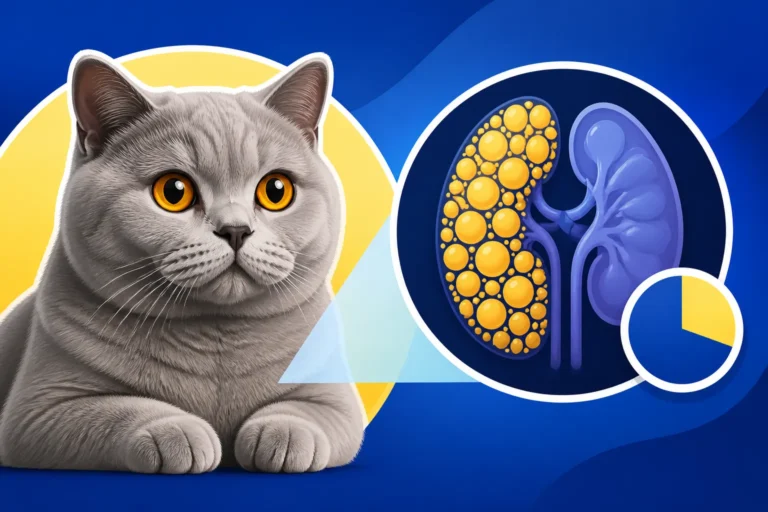
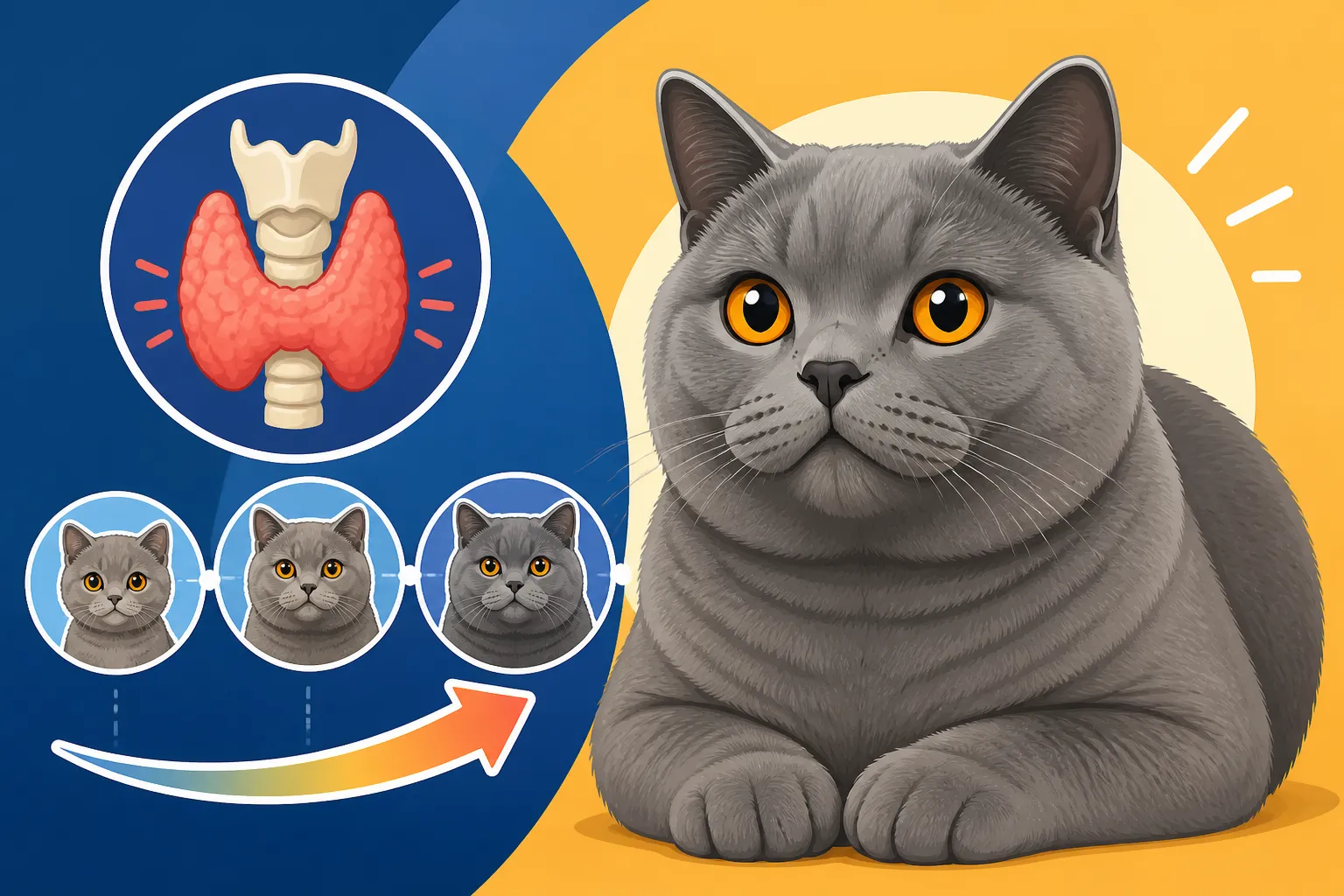
Hyperthyroidism is one of the most common endocrine disorders affecting older cats, and our sturdy British Shorthairs are no exception. It happens when your cat’s thyroid glands, located in their neck, start producing too much thyroid hormone. These hormones are like the gas pedal for their metabolism, so when there’s an excess, everything starts to speed up. It’s like their internal engine is constantly running in overdrive, which, as you can imagine, puts a lot of strain on their body over time.
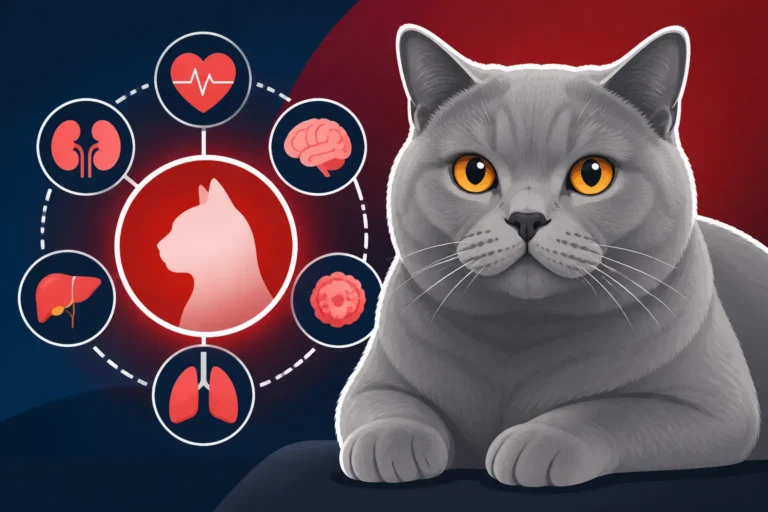
This isn't just a minor inconvenience; chronic excessive thyroid hormone levels can lead to a cascade of problems affecting multiple organ systems. It can put undue stress on the heart, leading to secondary heart disease, and can also impact kidney function, which is already a concern for many senior felines. Recognising this condition early is absolutely crucial for managing it effectively and ensuring your British Shorthair can enjoy their senior years comfortably and with good health.
What Exactly Is Hyperthyroidism?
At its core, hyperthyroidism is primarily caused by a benign (non-cancerous) growth or tumor on the thyroid gland, called an adenoma. In very rare cases, it can be a malignant carcinoma, but thankfully, this is the exception rather than the rule. These growths cause the thyroid gland to enlarge and churn out an excessive amount of T3 and T4 hormones. Think of your cat's metabolism as a finely tuned orchestra; these hormones are the conductor, dictating the tempo for everything from heart rate to digestion to energy levels. When the conductor goes rogue and starts speeding up the music, the whole orchestra struggles to keep up.
The increased metabolic rate forces the heart to work harder, leading to thickened heart muscle (hypertrophic cardiomyopathy or HCM, though it’s a different kind of HCM than the primary genetic one we worry about in British Shorthairs), and can elevate blood pressure. It accelerates food processing, often leading to weight loss despite an increased appetite. All these factors contribute to why early detection is so vital. If left untreated, the strain on the heart and other organs can become severe, leading to serious complications and a significantly reduced lifespan. It's a progressive disease, meaning it tends to get worse over time if no intervention is made, slowly but surely wearing down your cat's body.
Why British Shorthairs Are Susceptible
While hyperthyroidism can affect any cat breed, British Shorthairs, like many purebred cats, sometimes have certain predispositions or health profiles that make us extra vigilant. Although there isn't a specific genetic link proven for hyperthyroidism in British Shorthairs in the same way there might be for other conditions, they are generally a long-lived breed, and hyperthyroidism is overwhelmingly a disease of older cats. The longer a cat lives, the higher their chances of developing age-related conditions like this.
Their calm, stoic nature can also make early detection a challenge. A British Shorthair is less likely to dramatically display discomfort or illness compared to some other breeds. They often suffer in silence, making their parents work harder to spot subtle changes. This means that by the time overt symptoms appear, the condition might be quite advanced. This is why regular veterinary check-ups, especially as they age, and keen observation on your part are so incredibly important. You know your cat best, and noticing those tiny shifts in behavior or routine can be the first step to a diagnosis.
Typical Onset Age and Contributing Factors
The primary question many British Shorthair owners have is, "When should I start worrying about this?" Hyperthyroidism typically manifests in cats during their senior and geriatric years. While there's no hard and fast rule, most cats diagnosed with hyperthyroidism are over the age of eight. However, it's far more commonly seen in cats aged 10 and older, with the average age of diagnosis often falling between 12 and 13 years old. This means that as your British Shorthair crosses into their double-digit birthdays, it's wise to be extra observant and ensure their regular vet visits include screening for this condition.
Just because your British Shorthair is a certain age doesn't mean they will get it, but it does mean the risk becomes significantly higher. This is particularly relevant when you're thinking about the kind of care your British Shorthair past ten might need.
Average Age of Diagnosis
Most veterinarians will tell you that hyperthyroidism is a disease of middle-aged to geriatric cats. It's rare to see a cat under the age of seven diagnosed with it, and even cats between seven and nine are less commonly affected than their older counterparts. For our British Shorthairs, this translates to keeping a close eye on them once they hit about 8-10 years old.
The peak incidence, according to various studies, is truly in the senior cohort. Many veterinary internal medicine specialists report seeing the vast majority of cases in cats aged 10 to 15 years, with some cats being even older. This age range aligns perfectly with when a British Shorthair is considered senior, and when other age-related conditions like arthritis and kidney disease might also begin to appear. It's a period where proactive health monitoring becomes absolutely paramount. Imagine your lovely, placid British Shorthair, perhaps a touch chubbier in their younger years, suddenly starting to lose weight despite eating more – that's often the classic picture of hyperthyroidism unfolding in a senior cat.
Factors Beyond Just Age
While age is undoubtedly the biggest risk factor for hyperthyroidism, it's not the only piece of the puzzle. Researchers are still trying to fully understand all the contributing factors, but several theories and observations exist:
- Diet: Some studies have explored a potential link between certain dietary factors and hyperthyroidism, particularly exposure to iodine. Cats require iodine for thyroid hormone production, but too much or too little can potentially impact thyroid health. Canned cat foods, in particular, have been investigated due to varying iodine levels, but conclusive evidence of a direct causal link between typical commercial diets and hyperthyroidism is still debated. However, ensuring a balanced, high-quality diet, perhaps one that is not excessively high in iodine, is always a good practice for overall feline health.
- Environmental Factors: Environmental endocrine disruptors, such as flame retardants (polybrominated diphenyl ethers or PBDEs) found in household dust, have also been investigated as potential contributors. Cats, with their meticulous grooming habits, ingest a significant amount of household dust, which could expose them to these chemicals. While research is ongoing, minimizing exposure to such compounds in the home environment through regular cleaning and choosing less toxic household items could be beneficial.
- Breed Predisposition: While British Shorthairs aren't specifically singled out as having a higher predisposition than other breeds, it's worth noting that some breeds like Siamese appear to have a slightly lower incidence. For our British Shorthairs, their longevity means they simply have more time to develop age-related conditions. Keeping them a healthy weight throughout their lives can also contribute to their overall well-being, potentially delaying or mitigating the impact of various senior ailments.
It’s about a holistic approach to their care. Regular veterinary check-ups, a balanced diet, a clean environment, and simply being an attentive pet parent all play a role in their long-term health. Don't underestimate your role in noticing subtle changes.
Recognizing the Subtle Signs of Hyperthyroidism
This is where being a British Shorthair parent really comes into its own. Their calm, sometimes reserved nature means they're masters at hiding illness. You might not see dramatic symptoms until the disease is quite advanced. This is why paying attention to even the slightest shifts in their routine or demeanor is absolutely critical as they get older. Early intervention can make a world of difference in managing hyperthyroidism.
Remember, every British Shorthair is an individual, and their symptoms can vary. Some might show classic signs, while others might only display one or two subtle changes. Knowing what a British Shorthair's murmur means can be helpful, but hyperthyroidism can also cause heart changes, so it's always best to have things checked out by your vet.
Common Clinical Signs to Watch For
The symptoms of hyperthyroidism often relate to an increased metabolic rate. Here’s what you should be looking out for:
- Weight Loss Despite Increased Appetite (Polyphagia): This is perhaps the most classic sign. Your cat might be ravenously hungry, begging for food, and eating more than ever before, but still losing weight. Their body is burning through calories at an accelerated rate, preventing them from maintaining their weight. It's a frustrating paradox for owners who see their cat eating well but wasting away.
- Increased Thirst (Polydipsia) and Urination (Polyuria): With the kidneys working overtime, cats often drink more water and, consequently, urinate more frequently. You might notice the litter box needs scooping more often, or your cat is lingering at the water bowl for longer periods. This can sometimes be confused with signs of kidney disease, which can also occur concurrently with hyperthyroidism.
- Hyperactivity and Restlessness: Despite their usual laid-back British Shorthair demeanor, an affected cat might become more energetic, restless, or even anxious. They might pace, vocalize more (even though British Shorthairs are generally quiet), or seem unable to settle. This is due to the overstimulated metabolism.
- Changes in Coat Condition: You might notice their normally plush coat looking unkempt, greasy, matted, or dull. This happens because they're not grooming themselves as effectively due to feeling unwell, or the rapid metabolism is impacting skin and coat health. This contrasts sharply with their usual pristine appearance.
- Vomiting and Diarrhea: Some cats experience gastrointestinal upset, including intermittent vomiting or diarrhea, as their digestive system is also affected by the sped-up metabolism.
- Increased Heart Rate (Tachycardia) and Heart Murmurs: The overactive thyroid can put a strain on the heart, leading to a faster-than-normal heart rate and, in some cases, the development of a heart murmur or other cardiac abnormalities.
- Weakness and Muscle Wasting: Over time, the constant metabolic drain can lead to muscle weakness and loss, particularly noticeable along the spine or in the hindquarters.
- Behavioral Changes: Beyond restlessness, some cats might become irritable, aggressive, or unusually vocal. Others might simply withdraw more.
The British Shorthair's Talent for Hiding Illness
As we've touched upon, British Shorthairs are renowned for their calm, almost stoic temperament. This admirable trait can be a double-edged sword when it comes to health. A British Shorthair who is unwell often won't cry out, limp noticeably, or make a big fuss. Instead, they might just become a little quieter, sleep a bit more, or subtly change their eating habits. This ability to mask discomfort means that hyperthyroidism can often progress silently, making it crucial for owners to be extremely attentive to subtle cues.
For instance, your British Shorthair might usually enjoy a quiet afternoon nap in a sunbeam. With hyperthyroidism, they might still nap, but you might notice they're sleeping in slightly different spots, or seem to be twitching more in their sleep. Their increased thirst might manifest not as obvious guzzling from the bowl, but as more frequent, shorter visits. Their increased appetite might simply look like they're finally eating "normally" after years of being a finicky eater. It’s these nuanced changes in their daily patterns, rather than dramatic shifts, that you need to be particularly vigilant about. This makes regular veterinary check-ups and a thorough discussion of any observed changes with your vet all the more vital.
Diagnosis and Management Strategies for Hyperthyroidism
Discovering your British Shorthair has hyperthyroidism can be unsettling, but the good news is that it's a very treatable condition. With the right diagnosis and management plan, many cats go on to live a good quality of life for years after diagnosis. The key is working closely with your veterinarian to find the best approach for your individual cat. Remember, timely diagnosis makes a huge difference, so don't hesitate to seek professional advice if you notice any of the signs discussed.
How Hyperthyroidism Is Diagnosed
The diagnostic process is usually quite straightforward, especially when combined with a thorough physical examination and your observations at home.
- Physical Exam: Your vet will conduct a physical examination, feeling your cat's neck for an enlarged thyroid gland (though it's not always palpable). They'll also listen to their heart for murmurs or a rapid heart rate, assess their body condition, and check for any other concurrent issues.
- Blood Tests (Thyroid Panel): The definitive diagnosis comes from a blood test that measures the levels of thyroid hormones in the blood, specifically total T4 (thyroxine). If the T4 level is elevated, it strongly suggests hyperthyroidism. Sometimes, especially in early or mild cases, the T4 might be in the high-normal range, or even normal if your cat is experiencing another illness (which can temporarily suppress T4 levels). In such cases, your vet might recommend additional tests, such as a free T4 by equilibrium dialysis or a T3 suppression test, to confirm the diagnosis. A complete blood count and biochemistry panel will also be run to check for other issues, like kidney disease, which often go hand-in-hand with hyperthyroidism in older cats. For information on what a British Shorthair's yearly bloodwork should cover, you can refer to dedicated guides.
It's important to remember that diagnosing hyperthyroidism isn't just about getting a number; it's about seeing the full picture of your cat's health.
| Symptom Category | Common Signs of Hyperthyroidism | What to Observe in Your British Shorthair |
|---|---|---|
| Metabolic | Weight loss, increased appetite | Eating more but getting thinner; always asking for food |
| Increased thirst/urination | More frequent litter box use; longer drinks from bowl | |
| Behavioral | Restlessness, hyperactivity | Pacing; vocalizing more; unable to settle or relax |
| Irritability, anxiety | Snapping or hissing when usually placid; hiding | |
| Physical | Unkempt, greasy coat | Dull, matted fur; not grooming well, especially on back |
| Vomiting, diarrhea | Intermittent GI upset; soft stools | |
| Rapid heart rate, murmur | Vet detects during exam (or you notice rapid breathing) | |
| Muscle weakness | Difficulty jumping; general lethargy (paradoxical) |
Treatment Options Available
Once diagnosed, your vet will discuss several treatment options, each with its own pros and cons. The best choice often depends on your cat's overall health, your budget, and what is available in your area.
- Oral Medication (Methimazole): This is the most common and often initial treatment. Methimazole works by blocking the production of thyroid hormones. It's usually given as a pill, once or twice daily, for the rest of your cat's life.
- Pros: Non-invasive, relatively inexpensive initially, and reversible if side effects occur.
- Cons: Requires consistent daily dosing, regular blood tests to monitor levels and adjust dosage, and some cats can develop side effects (e.g., vomiting, lethargy, skin lesions, or rarely, more serious blood disorders). It only manages the disease; it doesn't cure it.
- Radioactive Iodine Therapy (I-131): This is considered the "gold standard" and often curative treatment. A single injection of radioactive iodine is given, which selectively destroys the overactive thyroid tissue while sparing healthy tissue.
- Pros: Usually a one-time treatment, often curative, and eliminates the need for daily medication.
- Cons: Requires a referral to a specialized facility, your cat needs to be hospitalized for several days (typically 3-5 days) until radiation levels are safe, and it's the most expensive upfront option. However, for many, the long-term benefits outweigh the initial cost.
- Prescription Diet (Iodine-Restricted Food): Some prescription diets are specially formulated to be very low in iodine, which limits the thyroid gland's ability to produce hormones.
- Pros: Non-invasive, simply involves feeding a specific food.
- Cons: Only works if the cat eats only the prescription food (no treats, no other cat's food), and it may not be effective for all cats, especially those with severe hyperthyroidism. If you have a multi-cat household, it can be challenging to ensure only the affected cat eats this food.
- Surgical Removal (Thyroidectomy): This involves surgically removing the affected thyroid gland(s).
- Pros: Can be curative if all overactive tissue is removed.
- Cons: Requires general anesthesia, which carries risks, especially for older cats with pre-existing conditions like heart disease. There's also a risk of damaging the parathyroid glands (which regulate calcium), leading to hypocalcemia, and the possibility of recurrence if all affected tissue isn't removed.
Discussing these options thoroughly with your vet is key. They will help you weigh the risks and benefits for your British Shorthair's specific situation. Remember, ongoing monitoring after diagnosis and during treatment is crucial, typically involving regular blood tests to ensure thyroid levels are in the healthy range and to monitor kidney function. Pet insurance, like that offered by Healthy Paws, can sometimes help offset the costs of these treatments and ongoing care, so it's worth looking into if you haven't already. Caring for an old British Shorthair can bring unexpected bills, and having a good plan in place can ease the financial burden. For more information on hyperthyroidism in an older British Shorthair, your vet is your best resource.
Living with a British Shorthair with Hyperthyroidism
A diagnosis of hyperthyroidism isn't the end of the world for your British Shorthair. In fact, with proper care and management, many cats continue to live happily for years. It requires commitment from you as their loving parent, but the rewards of seeing your feline friend thrive are immeasurable. The goal is always to improve their quality of life and manage the symptoms effectively.
Ongoing Monitoring and Adjustments
Regardless of the treatment path chosen, ongoing monitoring is absolutely essential. This isn't a "set it and forget it" kind of condition.
- Regular Vet Visits: Expect more frequent vet visits initially, especially if your British Shorthair is on medication, as your vet fine-tunes the dosage. Once stable, visits might become every 3-6 months. These visits are crucial for blood tests to check thyroid hormone levels, evaluate kidney function, and monitor other organ systems.
- Bloodwork: Thyroid levels (T4) need to be checked regularly. Too low and your cat might become hypothyroid (which is also problematic); too high and the condition isn't controlled. Kidney values are particularly important, as hyperthyroidism can sometimes mask underlying kidney disease. When the thyroid levels are brought down, kidney function might appear worse. Your vet will carefully balance these factors.
- Observation at Home: You remain the most important observer. Keep a journal of your cat's appetite, water intake, urination, activity levels, and any changes in coat or behavior. This information is invaluable to your vet when making adjustments to treatment. Noticing any subtle shifts, as you would when looking for signs a British Shorthair is unwell, will continue to be vital.
This consistent attention ensures that your British Shorthair is receiving the optimal care to keep their hyperthyroidism in check and maintain their overall health.
Quality of Life and Prognosis
The prognosis for British Shorthairs with hyperthyroidism is generally very good, especially with early diagnosis and appropriate treatment. Many cats live for several more years after starting treatment, with their symptoms well-controlled and their quality of life significantly improved.
- Improved Symptoms: Most owners report a dramatic improvement in their cat's symptoms once treatment begins. Weight loss often reverses, appetite stabilizes (though it may remain robust!), and energy levels normalize. Your British Shorthair might revert to their calm, cuddly self, shedding the restlessness that hyperthyroidism brought on.
- Potential Complications: It's important to be aware of potential complications. As mentioned, hyperthyroidism can mask kidney disease. When thyroid levels normalize, the kidneys, which were previously working harder due to increased blood flow, might show signs of insufficiency. This is why careful monitoring of kidney values is so important, and treatment often involves a delicate balance. Hypertension (high blood pressure) is another common complication that needs to be monitored and managed, as it can impact the eyes and kidneys.
- Long-Term Care: Living with a hyperthyroid British Shorthair means accepting that it's a long-term commitment to their health. This involves consistent medication, regular vet visits, and potentially dietary management. It’s an investment in their comfort and happiness. However, the joy they bring into our lives makes it all worthwhile. If you have pet insurance like Healthy Paws, it can be a true lifesaver for managing the long-term costs of chronic conditions, allowing you to focus on giving your beloved cat the best possible care without constant financial stress. Many insurance providers offer plans that cover diagnostics and treatment for chronic conditions like hyperthyroidism once the waiting period has passed.
Ultimately, watching your British Shorthair regain their vitality and comfort after treatment is incredibly rewarding. It underscores the importance of being proactive, observant, and dedicated to their health, especially as they enter their senior years. The changes in a British Shorthair after ten are many, and hyperthyroidism is certainly one to keep on your radar.
Disclaimer
This article is intended for informational purposes only and does not constitute veterinary advice. Always consult with a qualified veterinarian for any health concerns or before making any decisions about your pet's medical care.