Why a British Shorthair Will Not Exercise Itself
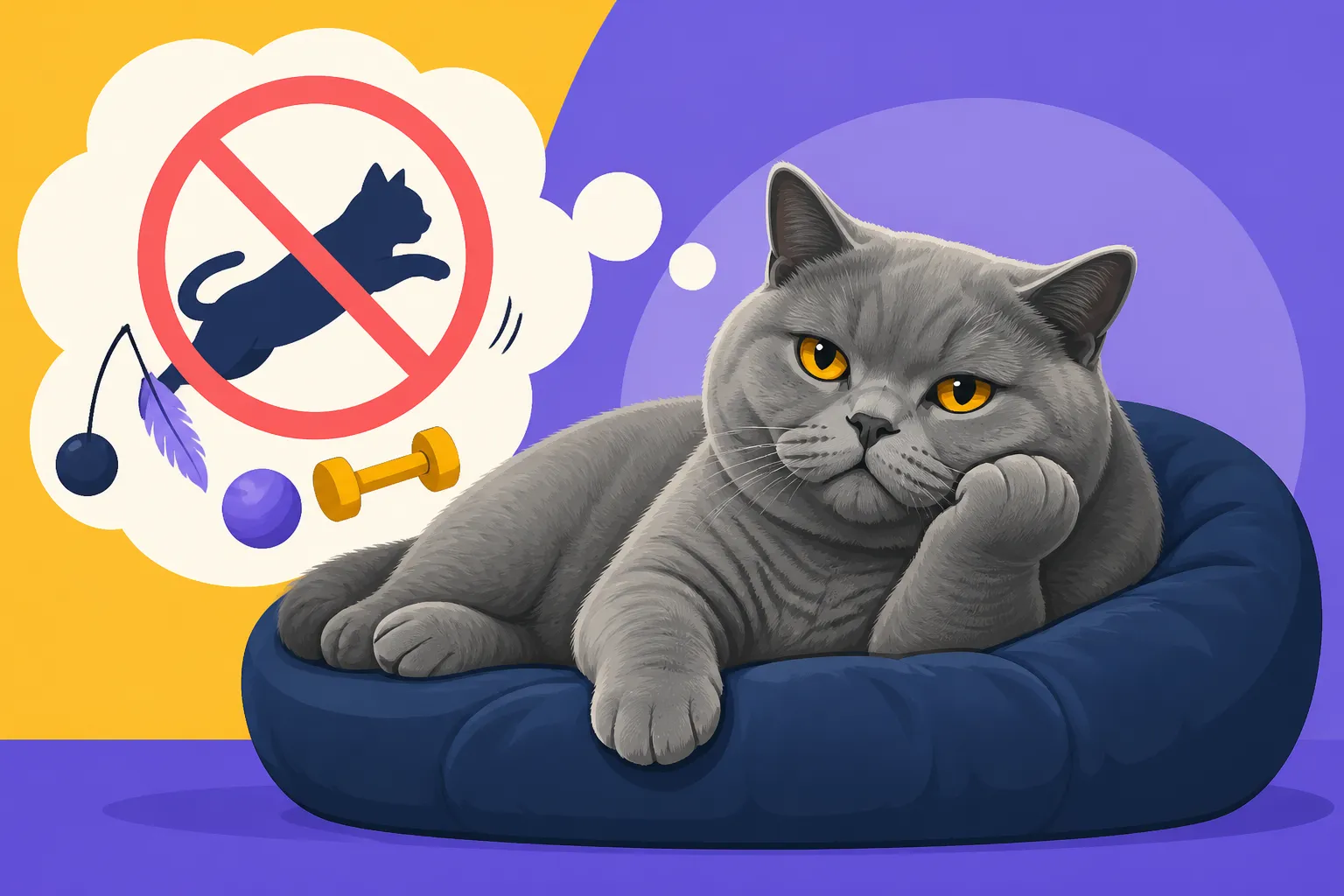
It’s a common scenario: you’ve got a gorgeous British Shorthair, a picture of calm and serenity, lounging on the sofa, seemingly glued to the spot. You try to entice them with toys, a laser pointer, or even just a wiggle of your fingers, and you get… a slow blink, maybe a tail twitch, but rarely an enthusiastic pounce. Many British Shorthair owners feel a bit frustrated, wondering why their cat seems utterly disinterested in anything resembling exercise. This guide delves deep into the reasons behind your British Shorthair's sedentary nature and offers practical, empathetic strategies to encourage a healthier, more active lifestyle for your beloved feline companion.
The British Shorthair's Natural Inclination Towards Sedentary Life
When you look at a British Shorthair, with their round face, dense coat, and cobby body, it’s hard not to feel a sense of tranquil contentment radiating from them. They are the epitome of a chill cat, but this laid-back demeanor isn't just a personality quirk; it's deeply ingrained in their history and physical build. It’s no wonder they won't exercise themselves – they're simply built differently.
Breed History and Purpose
To truly understand why your British Shorthair is such a couch potato, we need to glance back at their origins. The British Shorthair started as a British Street Cat, a robust and hardy feline that evolved in the United Kingdom. These weren't agile hunters leaping through trees; they were working cats, adept at pest control in barns and homes, but also known for their placid, stoic nature. When Harrison Weir put a British Shorthair on the bench in 1871 and began to formalize the breed, the emphasis was on preserving this calm, good-natured temperament alongside their distinctive physical traits.
Unlike breeds developed for high energy or extreme agility, the British Shorthair was cultivated for companionship and a dignified presence. Their role evolved from working cat to cherished household member, valued specifically for their quiet, easygoing disposition. This history meant that breeders selected for traits that made them excellent, low-maintenance pets, rather than those that would have them scaling curtains or running marathons around the house. They were bred to be amiable, independent, and, yes, perfectly content to recline for extended periods. This historical preference for a calm companion means their drive for self-directed exercise is often significantly lower than what you might see in more athletic breeds.
Physical Build and Energy Levels
Beyond their history, the very physique of a British Shorthair contributes to their reluctance to engage in spontaneous, vigorous exercise. They possess a distinctive "cobby" body type – that means they are sturdy, heavily muscled, and compact, with a broad chest and relatively short, strong legs. This is not the build of a sprinter or a high-jumper. Their dense bone structure and plush, thick coat add to their considerable weight, making them feel like a furry brick in the best possible way.
This robust build means that while they are strong, they are not designed for quick, agile movements or sustained bursts of energy that you might observe in, say, a Siamese or an Abyssinian. Their energy levels are typically low to moderate, and they much prefer short, intense bursts of play followed by long periods of rest. They simply don't have the same biological drive for constant activity. It's not laziness in a negative sense; it's just how they're wired. Expecting a British Shorthair to entertain itself with acrobatic displays or prolonged chasing sessions is often setting both you and your cat up for disappointment. They are masters of conservation of energy, and every movement is carefully considered, often only if there’s a worthy reward involved.
Understanding the Sedentary Lifestyle Risks
While their calm disposition is one of their most endearing qualities, it comes with a significant caveat: a British Shorthair's natural inclination to avoid exercise can quickly lead to health problems. It’s not just about them being a little plump; a sedentary lifestyle poses real, tangible risks to their well-being, which is a major concern for any loving cat parent.
The Link Between Inactivity and Obesity
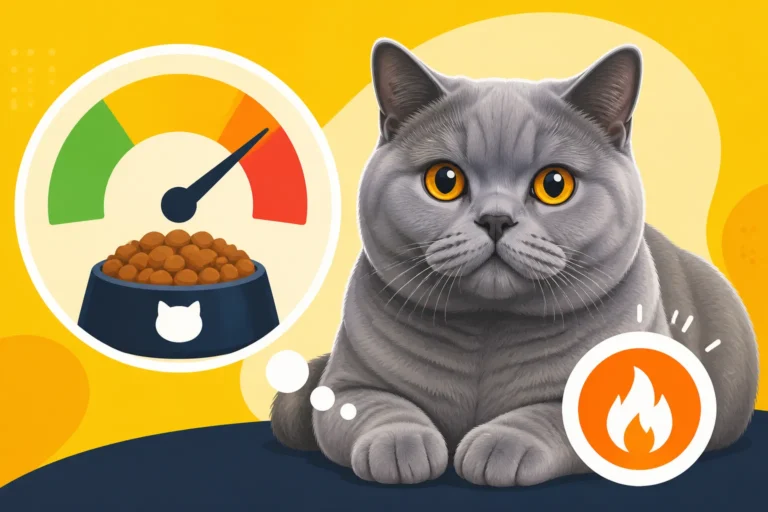
This is arguably the most critical health concern for British Shorthairs. Their combination of a laid-back attitude and a generally healthy appetite makes them incredibly prone to weight gain. It's a sad truth that Obesity Is the British Shorthair's Real Disease, often creeping up slowly until it becomes a significant burden on their health. Their plush, dense coat, which is so delightful to pet, can also be quite deceptive. It can easily mask extra pounds, making it challenging for owners to notice the problem until it's well-established. You might think your cat is just "chunky" or "big-boned," but it’s crucial to know How to Tell a Chunky British Shorthair From a Fat One.
When a British Shorthair is inactive, their metabolic rate slows down, meaning they burn fewer calories. If their food intake isn't strictly controlled to match this lower energy expenditure, weight gain is almost inevitable. This isn't just about aesthetics; obesity in cats is a serious medical condition. It can lead to a host of secondary issues, significantly reducing their quality of life and potentially shortening their lifespan. Being proactive about managing their weight is one of the most important things you can do for your British Shorthair, and it starts with acknowledging their tendency to avoid self-exercise and taking steps to counteract it. This often means diligently monitoring their food intake and providing consistent, though not necessarily strenuous, opportunities for activity. Pet insurance, like a plan from Healthy Paws, can be incredibly helpful here, as managing the health complications of obesity can become quite expensive over time.
Other Health Concerns from Lack of Exercise
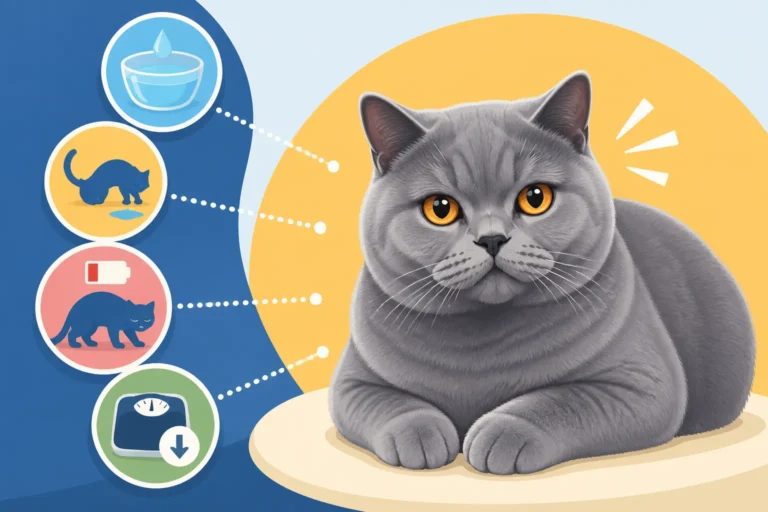
Beyond obesity itself, a sedentary lifestyle in British Shorthairs can precipitate or exacerbate a range of other serious health issues. The human-animal bond is strong, and seeing your cherished companion struggle with preventable illnesses is heartbreaking.
One significant area of concern is joint health. What Obesity Does to a British Shorthair's Joints is stark: the excess weight puts immense strain on their skeletal structure, particularly their hips and elbows. This can accelerate the onset and severity of conditions like arthritis, making movement painful and further reducing their willingness to play or even move around comfortably. Imagine being in constant discomfort; it’s no wonder they’d rather just lie still.
Another worrying consequence is the increased risk of metabolic diseases, notably Diabetes in a British Shorthair. Just like in humans, obesity is a primary risk factor for type 2 diabetes in cats. This condition requires lifelong management, including diet changes, regular blood glucose monitoring, and often insulin injections, which can be stressful for both the cat and owner, and can involve significant financial and emotional costs.
Furthermore, an inactive lifestyle can affect their digestive system, sometimes leading to constipation or other gastrointestinal issues. Their thick coat, a defining feature of the breed, can also suffer. An overweight British Shorthair often struggles to groom its back and hindquarters effectively, leading to mats, skin infections, and overall poor coat condition. Regular grooming, while important, can only do so much if they can't reach those difficult spots themselves. It’s a cascading effect where one problem leads to another, making early intervention and consistent effort to encourage movement absolutely vital for their long-term health.
Strategies to Encourage Movement and Play
It’s clear that relying on your British Shorthair to initiate exercise isn't a winning strategy. They need our help and encouragement to stay active and healthy. The good news is that with a bit of understanding and persistence, you can definitely coax your sweet, placid companion into more movement. It’s not about transforming them into an Olympic athlete, but about integrating manageable, enjoyable activity into their daily routine.
Making Playtime Enticing
The key to engaging a British Shorthair in play is to understand their natural instincts and play style. They are not typically endurance runners or high-flying acrobats. Instead, they excel at short bursts of predatory-style play. This means focusing on toys and interactions that mimic hunting behaviors: stalking, pouncing, and batting. Forget the idea of a cat that will bat a ball around independently for hours; your British Shorthair probably finds that utterly boring.
Wand toys are often the most effective tool. Think about feathered teasers, soft lures, or even just a simple shoelace tied to a stick. The movement should be erratic, mimicking a small bird or mouse. Drag it slowly across the floor, hide it behind furniture, and then let it "dart" out. The anticipation is often as exciting as the pounce itself. Allow your cat to "catch" the toy frequently; successful hunts reinforce the positive experience and encourage them to play again. Don't just wave it in their face; make them work for it a little, but not so much that they give up.
Another fantastic option is a puzzle feeder. These aren't just toys; they’re also a way to combine mental stimulation with physical activity, forcing your cat to 'hunt' for their food. Instead of putting their entire meal in a bowl, divide it into several small portions and hide them in different puzzle toys around the house. This encourages them to move, sniff, and think. You might be surprised at Which Toys a British Shorthair Will Actually Chase once you find what truly motivates them. Experiment with different textures and sounds. Some British Shorthairs love crinkly balls, while others might prefer soft kicker toys filled with catnip. Remember, short, frequent sessions (5-10 minutes, several times a day) are far more effective than one long, exhausting session for these gentle giants.
Environmental Enrichment
Beyond direct play, creating an environment that encourages passive movement and mental engagement is crucial for a British Shorthair. Their home environment needs to be set up in a way that subtly invites activity, even when you're not actively playing with them. This is part of understanding What a British Shorthair Does All Day, which often involves a lot of napping, but can also include periods of observation and slow exploration.
Consider sturdy, accessible cat trees and window perches. While British Shorthairs aren't known for being champion climbers, they do enjoy observing their surroundings from a vantage point. Invest in a heavy-duty, stable cat tree that can comfortably support their substantial weight. Look for ones with wide, easily accessible platforms rather than narrow, high perches. Placing these near a window can provide endless entertainment as they watch birds, squirrels, or passersby, engaging their minds even if their bodies are largely still.
You can also strategically place food and water bowls. Instead of having them in one central location, scatter them slightly. For instance, place their water fountain on one floor and their dry food on another, or put their wet food in a different room from their dry food. This simple change forces them to walk a little further throughout the day, adding up to more steps and caloric expenditure. Consider automated feeders that dispense small portions at various times, encouraging them to get up and move. Regular rotation of toys, introducing new scents (like catnip or silvervine), and even leaving out a cardboard box for exploration can pique their curiosity and encourage a bit of investigative movement. Remember, the goal isn't to make them hyper, but to gently nudge them towards a slightly more active and engaging existence.
Realistic Expectations and Long-Term Management
Encouraging a British Shorthair to exercise is less about a quick fix and more about a sustained, mindful approach. It's a journey that requires patience, consistency, and a deep understanding of their unique personality. Don’t expect overnight transformations; celebrate the small victories and remember that every little bit of movement counts.
Setting Achievable Goals
When it comes to exercising your British Shorthair, tempering your expectations is absolutely vital. You're not training a marathon runner; you're encouraging a contented lounger to stretch their legs a bit more. The goal isn't to turn them into a high-energy dynamo, but to incorporate enough activity to maintain a healthy weight and prevent related health issues. Focus on incremental progress rather than drastic changes.
Perhaps your first goal is simply to get them to play for five minutes, twice a day, with a wand toy. Once that's established, you might aim to introduce a puzzle feeder once a day, making them work for a portion of their meal. Or maybe it’s encouraging them to navigate a few steps to a favorite window perch instead of always choosing the closest nap spot. Remember, How Much Play a British Shorthair Needs is often less than other breeds, so don't overdo it. Look for subtle signs of engagement: pupils dilating, a slight wiggle of the hindquarters before a pounce, or even just following the toy with their eyes.
It’s also important to involve your veterinarian in setting these goals, especially if your British Shorthair is already overweight. They can help you determine a healthy target weight and a safe rate of weight loss, which is usually slow and steady. They can also advise on appropriate dietary adjustments. A British Shorthair diet should take into account their low activity level. A personalized plan ensures you’re making safe, effective choices for your cat’s health.
Consistency and Patience
The sedentary nature of a British Shorthair is a lifelong trait, which means your commitment to encouraging activity must also be a lifelong endeavor. Consistency is key. Short, daily play sessions are far more effective than sporadic, intense bursts of activity. Integrate playtime into your routine, perhaps before breakfast and dinner, to create a predictable rhythm that your cat can anticipate. Even on busy days, try to squeeze in a quick 5-minute wand play session.
Patience is equally crucial. Your British Shorthair might not respond enthusiastically to every toy or every attempt to play. They might need time to warm up, or they might prefer certain types of interaction. Don't get discouraged if they seem uninterested at first. Keep trying different approaches, different toys, and different times of day. Their trust and cooperation are earned over time. This long-term commitment is part of what it means to be Caring for a British Shorthair Past Ten, as their activity levels may decrease even further with age, making your encouragement even more vital.
Regular veterinary check-ups are also part of this long-term management. These visits allow your vet to monitor your cat's weight, body condition score, and overall health, catching any potential issues early. Discussing their activity levels and dietary habits with your vet during these visits can provide valuable insights and adjustments to your plan. Having a reliable pet insurance policy, such as one from Healthy Paws, can provide peace of mind and financial support for any health challenges that may arise, allowing you to prioritize your British Shorthair's well-being without undue stress about the cost of treatment. By being consistent and patient, you’ll help your British Shorthair live a healthier, happier life, proving that even the most laid-back felines can be persuaded to move a little more.
| Activity Type | Description | British Shorthair Engagement Level | Benefits |
|---|---|---|---|
| Wand/Teaser Toys | Interactive toys with feathers, ribbons, or soft lures on a stick. | High (when initiated by owner) | Mimics hunting, provides cardio, strengthens bond. |
| Laser Pointer | Red dot moved around walls/floor (must end with a physical catch!). | Moderate (can cause frustration) | High-speed chasing, quick bursts of energy. |
| Puzzle Feeders | Toys/dishes that dispense kibble/treats when manipulated. | Moderate to High (food motivated) | Mental stimulation, slow eating, gentle movement. |
| Scratching Posts | Vertical or horizontal surfaces for claw sharpening. | Low (primarily for grooming/marking) | Stretching, muscle engagement, territorial expression. |
| Cat Trees/Perches | Multi-level structures or window shelves. | Low to Moderate (for observation) | Vertical space, mental stimulation, safe retreat. |
| Interactive Play | Ball tracks, electronic mice, automatic laser toys. | Low to Moderate (can get bored) | Independent play, varied stimulation, short bursts of interest. |
| Hide & Seek (Food) | Hiding small portions of food/treats around the house. | High (food motivated) | Encourages exploration, movement, and problem-solving. |
Disclaimer
This article is intended for informational purposes only and does not constitute veterinary advice. Always consult with a qualified veterinarian for any health concerns or before making any changes to your pet's diet, exercise, or medical treatment plan.