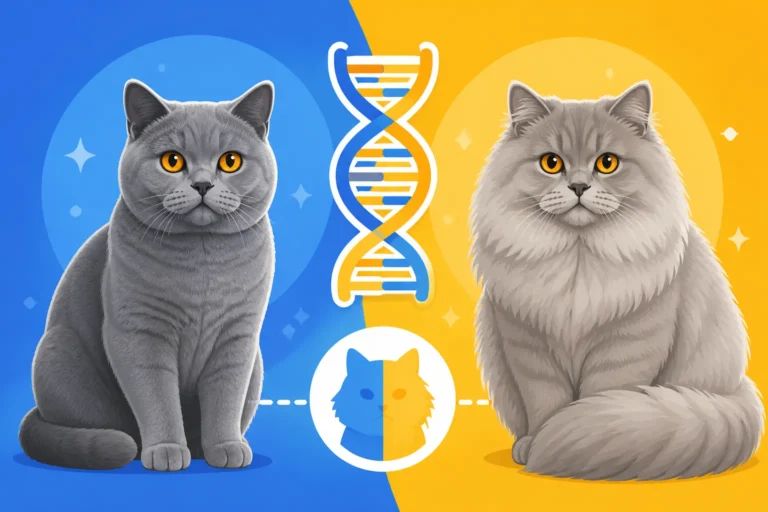
When the British Shorthair Reached America
The British Shorthair did not become an American household name overnight. Its path to the United States involved imported cats, changing breed standards, and decades of recognition by cat registries. This guide explains when the breed reached America, how it became established, and why it is still easy to confuse with other sturdy, shorthaired cats.
When British Shorthairs first arrived in America
Early imports brought the breed across the Atlantic
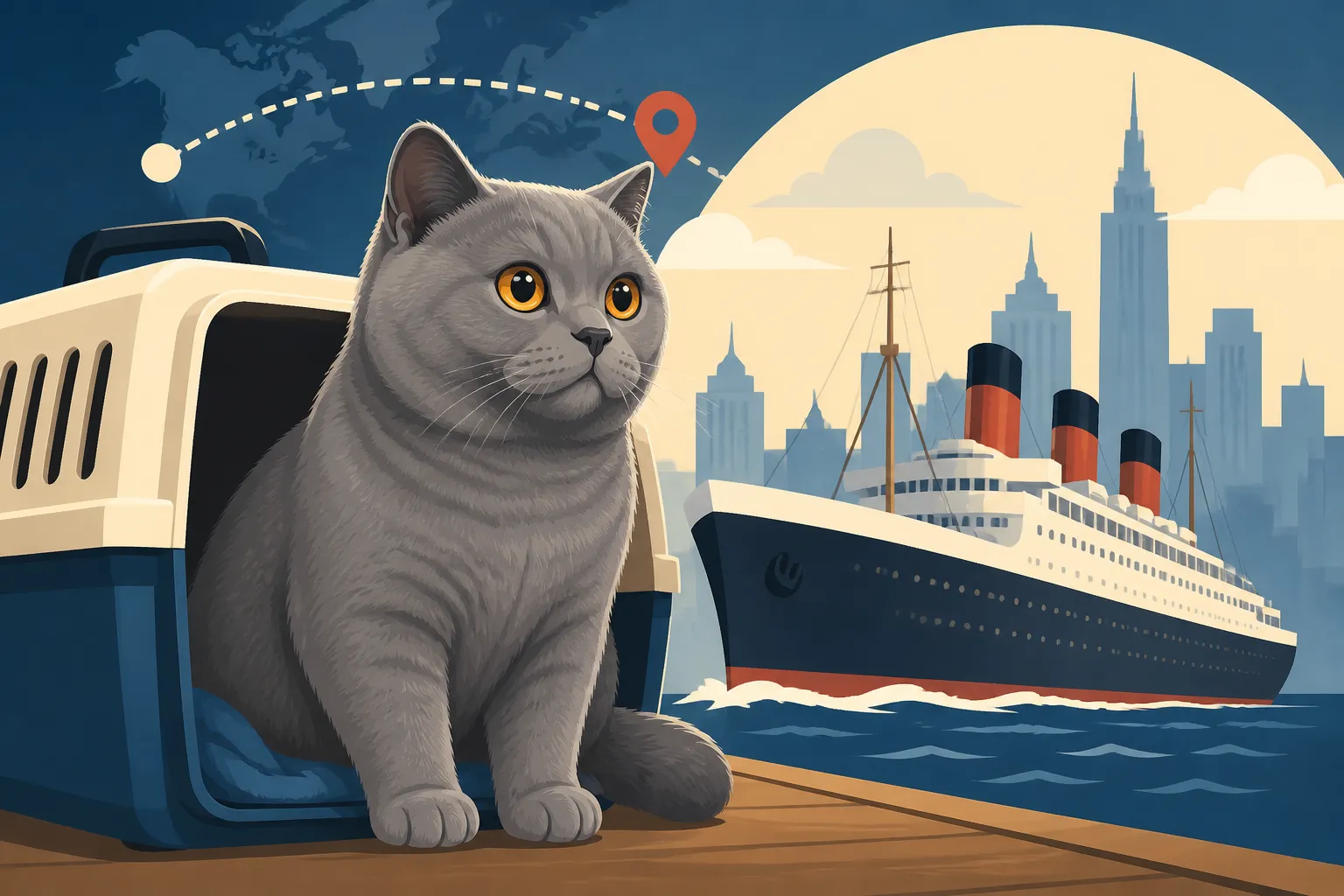
British Shorthairs began reaching the United States in the early twentieth century, when American cat fanciers started importing pedigreed cats from Britain and elsewhere in Europe. There was no single arrival that instantly created a well-known American breed. Instead, individual cats and small breeding groups helped introduce the British type to a country where organized cat shows and registries were developing.
These imports were valued for their solid build, dense coat, rounded head, and calm, substantial appearance. But early American breeders did not inherit a large, uniform population. They had to build interest and breeding programs gradually, while also distinguishing British cats from other shorthaired cats already familiar to American owners.
That is why accounts of the breed’s arrival can sound less precise than a story about one celebrated cat or one formal launch. The British Shorthair came to America through a gradual exchange of cats and breeding knowledge, not through a single landmark event. The broader history of the breed begins much earlier in Britain, as explored in Where the British Shorthair Comes From.
The breed arrived before its American identity was settled
A cat can be physically present in a country long before a registry recognizes its breed as a distinct category. That distinction matters here. British Shorthairs were imported before they had the widespread American profile they enjoy today, and early breeders and fanciers were still working out how to describe and preserve the breed consistently.
The name itself also reflects a period of changing terminology. British cats with short coats were sometimes described more broadly as English or British shorthairs, rather than under the exact breed identity now familiar to many U.S. cat enthusiasts. The shift toward a distinct British Shorthair label helped make the breed easier to identify in pedigrees, show schedules, and breeder records. For more on that naming history, see Whether the British Shorthair Was Once the English Shorthair.
It is helpful to separate three milestones when asking when the British Shorthair reached America:
| Milestone | What it means |
|---|---|
| First imports | British Shorthairs begin arriving through individual breeders and fanciers |
| Breeding activity | American breeders work to establish and maintain lines in the United States |
| Registry recognition | A cat organization formally accepts the breed under a defined name and standard |
The first milestone came before the third. So the answer depends on what “reached America” means: the breed was present through imports earlier, while formal recognition came later.
How the British Shorthair became established in the United States
American breeders developed local breeding programs
Importing a few cats can introduce a breed, but it cannot by itself create a stable population. Breeders need enough compatible cats, reliable records, and a shared understanding of the traits they are trying to preserve. American fanciers gradually built those foundations for the British Shorthair.
This process meant choosing cats for more than a pretty photograph. Breeders had to consider body shape, coat quality, head and eye characteristics, temperament, and the health of breeding lines. A cat may look broadly “British” while still differing from the written standard in important ways, so pedigrees and careful selection became part of establishing the breed’s identity.
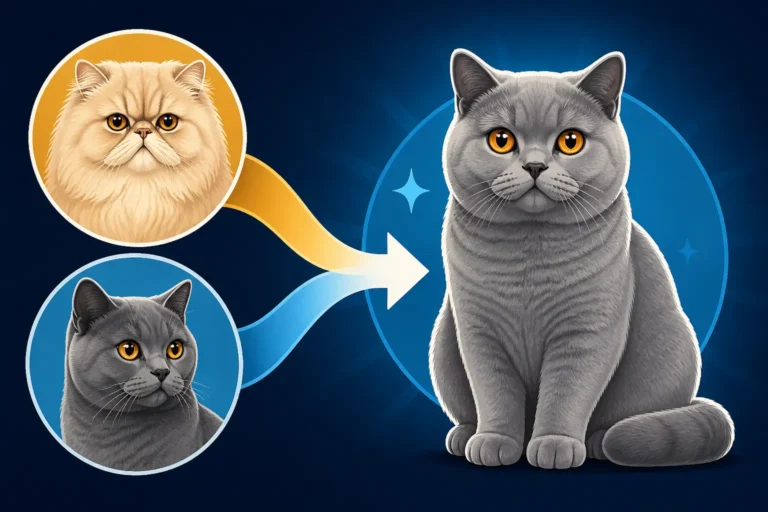
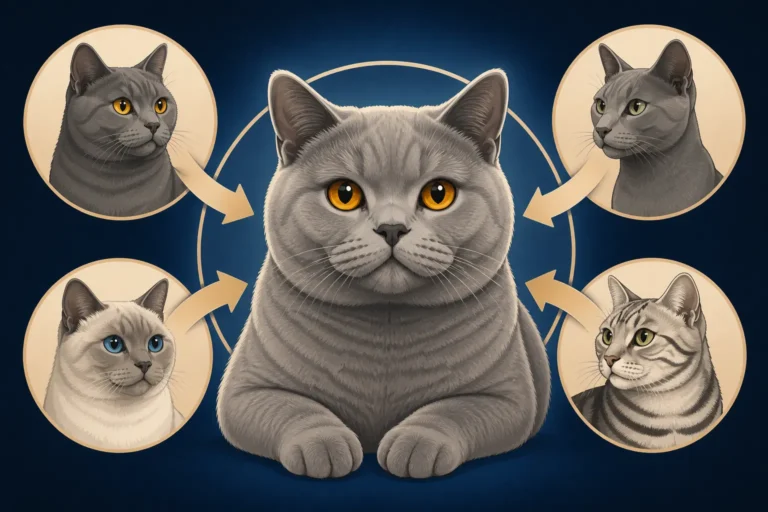
The history of the British Shorthair also includes periods when its population was rebuilt and refined in Britain, with other breeds used in the wider story of its development. That background shaped the cats later imported to the United States. Which Breeds Rebuilt the British Shorthair explains why the breed’s history is more complicated than a simple unbroken line from one early British cat.
For American owners, that development helps explain why a pedigree and breeder documentation matter. Appearance alone cannot establish that a cat is a registered British Shorthair. If you are looking beyond history and preparing for a cat at home, retailers such as Chewy may help with everyday supplies, but a retailer cannot confirm a cat’s pedigree or health testing.
Registry recognition gave the breed a formal place
The Cat Fanciers’ Association accepted the British Shorthair for championship competition in 1980. That recognition was an important step in giving the breed a formal place in American cat fancy circles. It meant that British Shorthairs could be judged under an established standard rather than treated simply as imported shorthaired cats.
Recognition does not mean the breed first appeared in the United States that year. It means the registry had formally accepted the breed for its purposes by then. This distinction is useful when you encounter different dates online: some histories refer to imports, while others focus on registry recognition. They may be describing different events rather than contradicting one another.
The CFA milestone is covered in more detail in When the CFA Accepted the British Shorthair. Registry recognition also helped make the breed easier for prospective owners to research. A person comparing pedigreed cats could look for consistent naming, registration details, and breeder records rather than relying only on a seller’s description.
When buying a kitten, it is sensible to ask which registry the breeder uses and what documents accompany the kitten. A food or supply retailer such as Chewy can be useful once you are planning routine care, but it is not a substitute for registration papers, veterinary records, or a transparent conversation with the breeder.
What the British Shorthair’s American arrival means today
British Shorthairs and American Shorthairs are not the same breed
The names sound as if one breed might simply be the American version of the other. They are separate breeds, with different histories and breed standards. Both can have a sturdy build and short coat, so casual photographs may not make the distinction obvious, especially when the cats are similar colors.
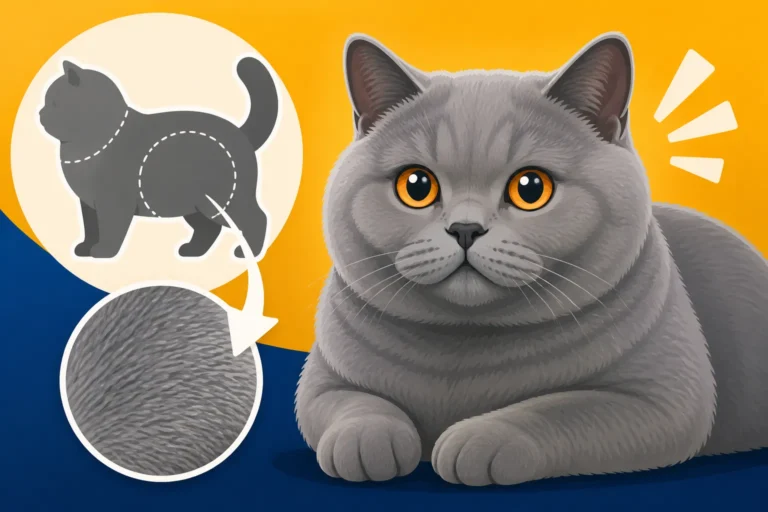
The British Shorthair is associated with a dense, plush coat that stands away from the body, a rounded head, and a compact, substantial appearance. American Shorthairs also have a sturdy look, but their development and accepted characteristics differ. A blue-gray coat alone, for example, does not prove that a cat is a British Shorthair.
A pedigree, registration information, and reliable breeder records are more useful than guessing from a photo. If you want a fuller comparison of their features and backgrounds, read How a British Shorthair Differs From an American Shorthair. It is especially helpful for anyone browsing shelter listings or online adverts where breed labels may be informal.
The breed’s American history also explains why “British Blue” is often used casually. Blue is a popular coat color, but British Shorthair refers to the breed, not just that color. The breed comes in multiple colors and patterns, and its familiar blue appearance is only one part of its identity. Why Blue Is the Only British Shorthair Color People Know looks at how that image became so closely tied to the breed.
The breed became familiar through more than show rings
After imports and registry recognition, the British Shorthair gradually became more visible to American cat lovers. Show participation helped people see the breed’s characteristic build and coat, while breeder networks made it easier for interested households to learn about pedigreed cats. Over time, the breed’s round face and plush appearance became recognizable well beyond the show world.
That visibility can also create confusion. A round-faced, blue-gray cat may be called a British Shorthair in a casual listing even when its ancestry is unknown. Shelters may use breed labels to describe appearance rather than verified pedigree. That does not make the cat any less deserving of a home, but it does mean the label should be understood carefully.
For prospective owners, the most useful questions are practical: what records are available, what is known about the cat’s health, and what care does the individual animal need? Chewy may be one option for finding everyday food or litter, but supplies do not tell you whether a cat is registered or what its ancestry is. Keep identity questions separate from shopping decisions.
If you are reading the breed’s history because you are considering bringing one home, look at the cat in front of you rather than relying on a breed’s reputation alone. British Shorthairs can vary in personality, activity, and comfort with handling. A breeder or rescue organization should be able to describe the individual cat’s habits and background as honestly as possible.
A simple timeline helps make the history clear
The easiest way to understand the British Shorthair’s American story is to keep its gradual arrival separate from its later recognition. Imports introduced the breed; American breeders helped establish it; registry acceptance gave it a formal status in organized showing. These stages unfolded over time rather than happening all at once.
That distinction also helps make sense of the breed’s broader history. The British Shorthair had already been developing in Britain for generations before American enthusiasts began importing cats. Its later popularity in the United States was not the starting point of the breed, but an important chapter in how it spread and became familiar internationally. How Old the British Shorthair Breed Is offers more context on its longer history.
For anyone trying to verify a particular cat, keep three kinds of information separate: appearance, pedigree, and health documentation. A cat may resemble the breed without having verifiable ancestry; a pedigree may document ancestry without guaranteeing perfect health; and routine care records answer different questions again. Keeping those distinctions clear makes the history more interesting—and helps prevent confusion when choosing or caring for a cat.
Chewy can be part of the practical side of caring for a cat, such as sourcing regular supplies, but breed history is best understood through records, registries, and the work of breeders and fanciers. The key takeaway is that British Shorthairs reached America through early imports and became formally recognized later, with CFA championship recognition in 1980. The breed’s arrival was a process, not a single date.
Disclaimer
This article is for general informational purposes only and does not constitute professional advice. Laws, prices and regulations vary by location and change over time. Consult a qualified professional for guidance on your specific situation.