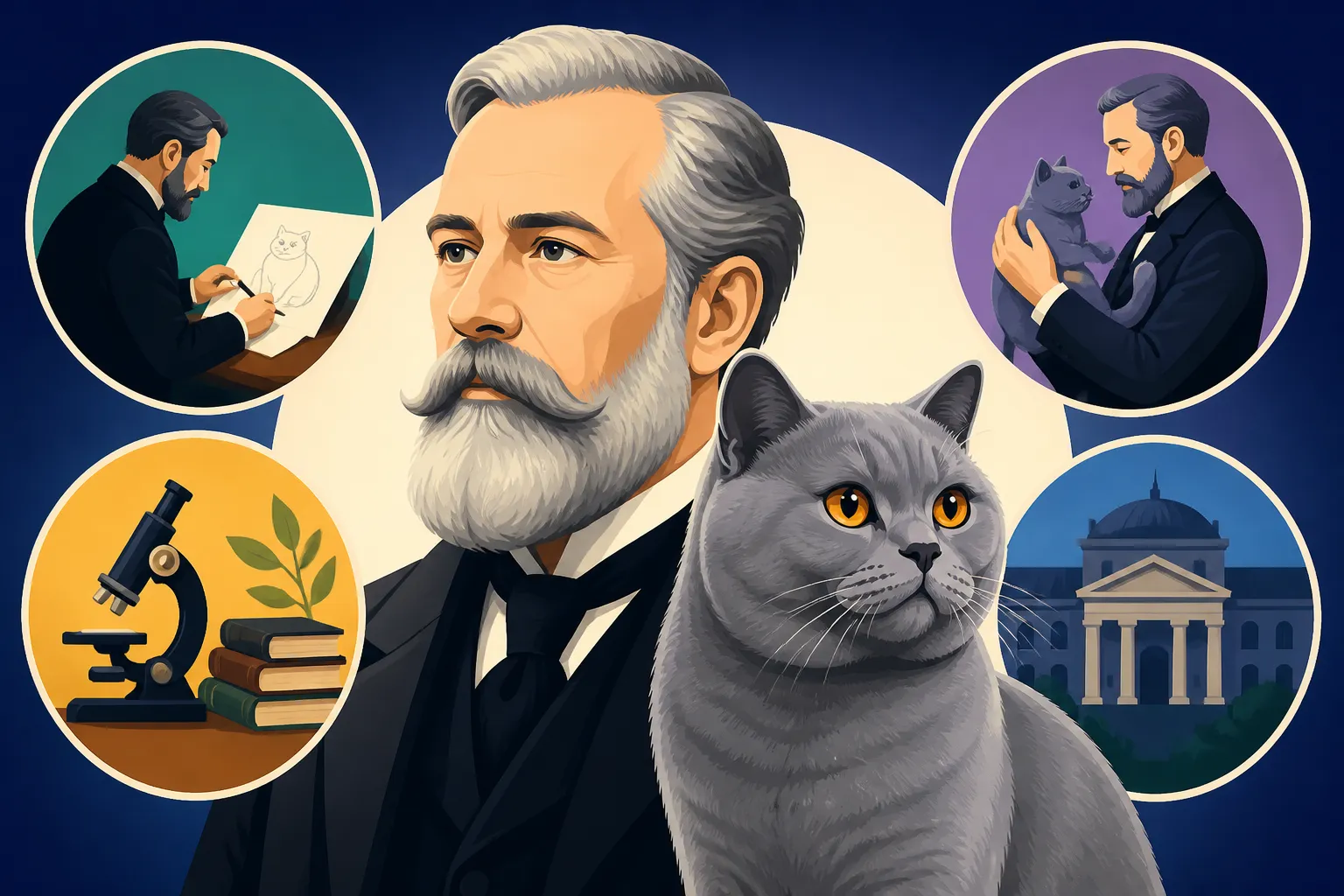
What Harrison Weir Did Besides Breed British Shorthairs
Many people know the name Harrison Weir in connection with the British Shorthair cat breed, often thinking of him solely as the father of the modern cat fancy and the man who put this iconic breed on the show bench. But to truly understand his immense contribution to the world we inhabit, especially regarding animals and art, we need to look far beyond just one breed of cat. This guide will explore the rich tapestry of Harrison Weir's life, shedding light on the countless other ways he shaped Victorian society and left a lasting legacy that extends into our present day.
Harrison Weir's Profound Impact on the Early Animal Fancy
Harrison Weir was not just a cat man; he was a passionate advocate for many species and a foundational figure in the development of organized animal showing. His influence touched everything from poultry to pigeons, transforming the way animals were bred, exhibited, and appreciated. He believed that all creatures, domestic or otherwise, deserved respect and a certain standard of care, which he championed through his various roles and writings.
Pioneering Poultry Standards and Shows
Before he ever turned his attention to cats, Harrison Weir was deeply involved in the poultry fancy. This might surprise those who only know him for his feline endeavors, but it was in the world of chickens, ducks, and geese that he first honed his organizational skills and developed his keen eye for animal conformation. He recognized that there was a lack of standardized judging criteria and a need for properly run shows to elevate the status of poultry breeding.
Weir was instrumental in establishing the first poultry show in England back in 1845, a landmark event that laid the groundwork for countless animal shows to follow. He wasn't just an organizer; he was an exhibitor, a judge, and a prolific writer on the subject. He devised detailed standards for various breeds, describing ideal feather patterns, body shapes, and temperaments. These standards provided a common language for breeders and judges, ensuring fairness and encouraging the development of distinct, healthy breeds. His monumental work, "Our Poultry and All About Them," published in 1902, remains a classic, filled with his own intricate illustrations and comprehensive advice. It showcased his deep understanding of genetics, husbandry, and the aesthetic qualities that made a bird truly exceptional. He truly believed in showcasing the beauty and utility of domestic fowl, just as he would later with cats.
Advocating for Animal Welfare and Exhibitions
Beyond poultry, Weir extended his passion for improvement and welfare to other animals, including rabbits, pigeons, and even canaries. He saw the same potential for structured breeding and exhibition to improve these species, both in terms of health and adherence to desirable traits. He helped to organize shows for these animals, often serving in multiple capacities to ensure their success.
His interest wasn't purely aesthetic; it was deeply rooted in welfare. He understood that proper breeding practices and well-managed environments were crucial for the health and happiness of animals. His writings often included advice on housing, feeding, and general care, urging owners to treat their animals with kindness and provide for their specific needs. This holistic approach to animal keeping was quite progressive for his era. He was pushing for responsible pet ownership long before the term became common, a sentiment that resonates even today when we consider what's best for our furry companions, from their diet to the toys they play with, much of which can be found through modern pet retailers.
Harrison Weir as a Renowned Naturalist and Illustrator
Harrison Weir's talents were not confined to the show hall; he was an accomplished artist, particularly celebrated for his natural history illustrations. His work graced the pages of numerous publications, capturing the essence of the animal kingdom with remarkable detail and empathy. His artistic skill played a crucial role in popularizing his vision for domestic animals and educating the public.
Capturing the Natural World Through Art
Weir was a self-taught artist whose passion for the natural world shone through in every stroke of his pen and brush. He had an uncanny ability to observe animals and render them with lifelike accuracy, making his illustrations not just beautiful, but scientifically valuable. His drawings of birds, mammals, and even insects were highly sought after, appearing in popular magazines, children's books, and scientific treatises.
His illustrations often depicted animals in their natural settings, giving them a sense of dignity and life that went beyond mere anatomical studies. He understood animal behavior and expression, imbuing his subjects with personality. This was particularly evident in his cat illustrations, which portrayed them as intelligent, curious, and often mischievous creatures, helping to elevate their status in the public eye. His work helped foster a greater appreciation for wildlife and domestic animals alike, encouraging readers to see them as sentient beings worthy of observation and care. Many people first encountered the British Shorthair Started as a British Street Cat through his depictions, long before they saw one in person.
Prolific Contributor to Periodicals and Books
Harrison Weir was a veritable workhorse when it came to illustration. He was a regular contributor to some of the most prominent Victorian periodicals, including "The Illustrated London News," "The Graphic," and "Cassell's Natural History." His art wasn't just decorative; it was integral to the storytelling and educational mission of these publications. Readers eagerly awaited his new works, which brought distant lands and diverse species into their homes.
Beyond periodicals, he illustrated countless books, ranging from fables and children's stories to comprehensive natural history encyclopedias. His illustrations for "Beautiful Birds," "Every Boy's Book," and various editions of Aesop's Fables are particularly well-known. His ability to adapt his style to different subjects and audiences ensured his enduring popularity. This prolific output meant that his artistic vision reached millions, shaping perceptions of animals and nature for generations. In fact, many people often connect the phrase The Cheshire Cat Was a British Shorthair to the kind of whimsical yet realistic artwork that Weir himself mastered, even if he wasn't directly illustrating Carroll's famous feline.
Shaping the Modern Cat Fancy Beyond a Single Breed
While his role in establishing the British Shorthair as a recognized breed is undeniable – he literally put a Harrison Weir Put a British Shorthair on the Bench in 1871 – Weir's contributions to the cat fancy were far more encompassing. He wasn't just about his breed; he was about setting up a framework for all purebred cats, creating a structure that still influences cat shows and breeding practices today.
Organizing the First Cat Show and Establishing Rules
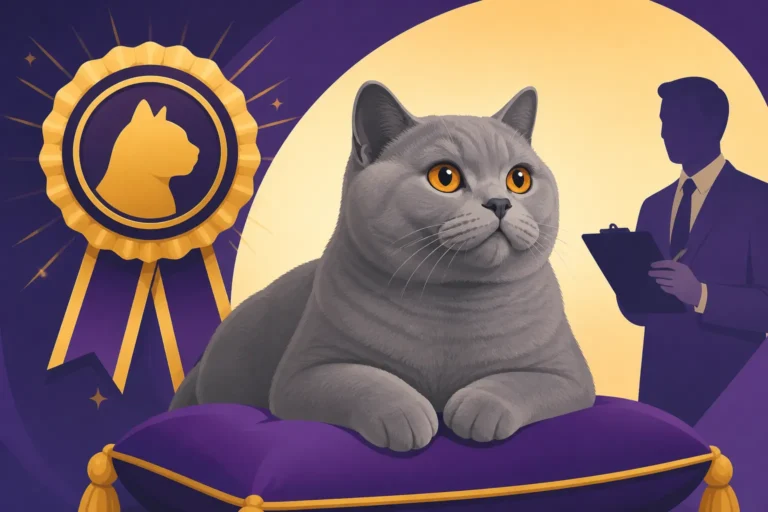
Harrison Weir's most monumental achievement for the cat fancy was organizing and judging the first modern cat show at the Crystal Palace in London in 1871. This wasn't just a gathering of cats; it was a meticulously planned event designed to elevate cats from mere utility animals to esteemed companions and objects of beauty. He established the foundational rules for how cats would be judged, taking inspiration from his extensive experience with poultry and other livestock.
He drafted the very first set of judging standards, detailing what characteristics constituted an ideal example of each emerging breed. These standards covered everything from coat type and color to eye shape and body conformation. This was revolutionary, as prior to this, there was no consistent way to compare cats, leading to subjective and often arbitrary evaluations. The Crystal Palace show, thanks to Weir's vision, created a platform where breeders could strive for excellence, and the public could marvel at the diversity and beauty of purebred cats. When the British Shorthair First Appeared at a Cat Show it was under his careful stewardship.
Developing Early Breed Standards for All Cats
Weir didn't stop at just organizing a show; he dedicated himself to writing comprehensive breed standards. His book, "Our Cats and All About Them," published in 1889, became the definitive guide for cat enthusiasts. In it, he laid out detailed descriptions for every recognized cat breed of the time, from Persians and Siamese to the various domestic shorthairs that were beginning to gain recognition. This work was critical in formalizing the concept of cat breeds and providing a roadmap for future breeders.
His standards emphasized not just physical appearance but also temperament and health, reflecting his overarching concern for animal welfare. He argued for humane treatment of cats, advocating against cruel practices and promoting the idea of cats as cherished household members rather than disposable mousers. His meticulous descriptions and beautiful illustrations helped define what makes each breed unique, setting a precedent for cat registries and associations that would follow. It's often debated, but it's clear Which British Shorthair Standard Harrison Weir Wrote became the blueprint for all others.
Harrison Weir's Legacy Beyond Animals: Gardening, Writing, and Innovation
It's easy to pigeonhole Harrison Weir as "the cat man," but his curiosity and talents were truly boundless. He was a polymath, an individual whose interests and contributions spanned an impressive array of fields, demonstrating a restless intellect and a desire to contribute positively to many aspects of life. His influence stretched into gardening, general literature, and even practical inventions, showing a truly Renaissance spirit.
A Passion for Horticulture and Gardening
Weir's love for the natural world extended far beyond animals into the realm of plants and gardening. He was an avid horticulturist, finding immense pleasure and intellectual stimulation in cultivating flowers, fruits, and vegetables. He was known for his beautiful gardens and often wrote about his experiences, sharing his knowledge and encouraging others to engage with the plant kingdom.
He applied the same meticulous approach to gardening as he did to animal breeding, experimenting with different varieties, noting growth patterns, and always striving for improvement. His observations on horticulture often found their way into his illustrations, where flowers and foliage served as vibrant backdrops to his animal subjects. This deep connection to nature made his work feel authentic and grounded, showcasing a truly holistic appreciation for the living world. Imagine the joy he must have felt cultivating his garden after a long day of working on intricate illustrations or drafting breed standards.
Prolific Author and Editor
Beyond his famous works on cats and poultry, Harrison Weir was a prolific author and editor across a wide range of subjects. He wrote numerous articles for magazines and newspapers, sharing his expertise on everything from rural life and farming techniques to the moral treatment of animals. His writing style was engaging and informative, making complex topics accessible to a broad audience.
He also edited several publications, including "The Journal of Horticulture and Cottage Gardener," further demonstrating his broad interests and his commitment to disseminating knowledge. His literary output reflected his belief in education and the importance of sharing practical advice. He understood the power of the written word to inspire, inform, and advocate for causes he held dear. If he were alive today, he'd likely be just as eager to share his wisdom through modern platforms, offering advice on everything from planting a thriving garden to selecting the perfect Which Toys a British Shorthair Will Actually Chase for your feline friend, perhaps even reviewing products found on sites like Chewy.
Inventor and Innovator
Lesser known, perhaps, is Harrison Weir's inventive side. He wasn't just observing and documenting; he was thinking about practical improvements to daily life and animal care. He held several patents for various inventions, though details on all of them are scarce. This aspect of his life underscores his pragmatic approach and his desire to find tangible solutions to problems.
One notable invention was an improved system for feeding poultry, designed to be more efficient and hygienic. This demonstrates his commitment to enhancing the well-being of the animals he so loved, even through mechanical means. His inventive spirit was another facet of his multifaceted genius, showing a mind constantly seeking to understand, improve, and innovate. This drive for efficiency and quality resonates even today, whether one is designing a new feeder for chickens or choosing the most effective litter for their British Shorthair, which can be easily sourced from retailers like Chewy.
A Multifaceted Legacy: Harrison Weir's Diverse Contributions
Harrison Weir was truly a man ahead of his time, whose interests spanned an incredible spectrum of fields. His work as an artist, author, naturalist, and pioneer of animal exhibitions left an indelible mark on Victorian society and continues to influence us today. From the careful delineation of a British Shorthair's perfect head to the intricacies of poultry breeding, he brought passion, intellect, and an unwavering commitment to excellence to everything he did.
His legacy is one of compassion for animals, a drive for standardization and improvement, and a deep appreciation for the beauty of the natural world. He didn't just breed British Shorthairs; he fundamentally shaped the organized world of pet ownership, encouraging responsible practices and celebrating the unique qualities of each creature.
| Aspect of Legacy | Description | Enduring Impact |
|---|---|---|
| Cat Fancy | Organized the first cat show (1871 Crystal Palace), authored "Our Cats," established breed standards for British Shorthairs and other breeds. | Foundation of modern cat showing and purebred cat registries worldwide. Standards for The Round Head and Copper Eye a British Shorthair Is Judged On still follow his initial principles. |
| Poultry & Animal Shows | Pioneered poultry exhibitions (1845), wrote "Our Poultry," developed judging standards for various birds, rabbits, and pigeons. | Blueprint for organized animal exhibitions across species, emphasis on breed standards and welfare. |
| Illustration | Prolific natural history illustrator for periodicals ("The Illustrated London News") and books (Aesop's Fables), renowned for lifelike and empathetic animal depictions. | Influenced public perception of animals, educating masses on wildlife and domestic pets. His style defined many popular images of animals. |
| Author & Editor | Wrote extensively on animal care, rural life, horticulture; edited "The Journal of Horticulture." | Contributed to public education and responsible animal care advocacy. |
| Animal Welfare | Consistently advocated for humane treatment, proper care, and healthy breeding practices for all animals under his purview. | Laid groundwork for ethical animal husbandry and ownership, a core principle in modern pet care, often reinforced by resources and products available from trusted sources like Chewy for your cats and other pets. |
| Horticulture | Passionate gardener, cultivated plants, and wrote about gardening techniques, connecting his love for animals with a broader appreciation for nature. | Showcased a holistic view of the natural world, linking animal life with plant life, encouraging a broader engagement with nature. |
So, the next time you admire a majestic British Shorthair, remember that the man behind its formal recognition was far more than just a cat enthusiast. Harrison Weir was a visionary whose touch improved the lives of countless animals and enriched the human understanding of the natural world in ways that still resonate today. His life serves as a powerful reminder of how one passionate individual can truly make a lasting difference across a diverse range of fields.
Disclaimer
This article is for general informational purposes only and does not constitute professional advice. Laws, prices and regulations vary by location and change over time. Consult a qualified professional for guidance on your specific situation.