Where the British Shorthair Comes From
Many prospective British Shorthair owners find themselves captivated by their calm demeanor and plush appearance, but often wonder about the true roots of this beloved breed. It's easy to assume such a distinctive cat must have a meticulously documented pedigree stretching back centuries, yet the reality is far more fascinating and humble. This guide will take you on a journey through time, exploring the remarkable origins of the British Shorthair, from its earliest ancestors arriving on ancient shores to its transformation into the distinguished feline companion we adore today.
The Ancient Roots of the British Shorthair
The story of the British Shorthair doesn't begin in a grand cattery or with a noble breeding program, but rather on the dusty roads and in the bustling ports of ancient Britain. Its heritage is deeply intertwined with human migration and the very fabric of British history, a tale far older than any formal cat fancy. These were not pampered pets, but hardy, essential workers whose traits would, over centuries, lay the foundation for the breed.
Roman Influence and Early British Cats
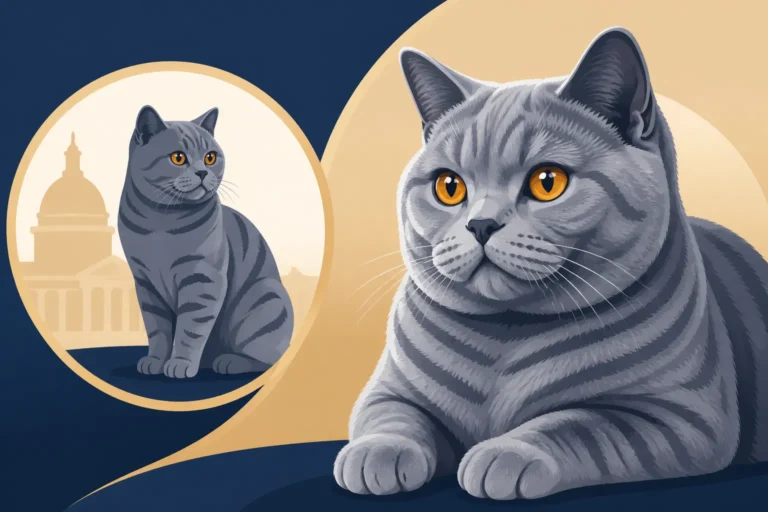
It's widely believed that the ancestors of the British Shorthair arrived with the Roman legions over two thousand years ago. As the Roman Empire expanded, so too did its need for pest control. Cats, prized for their hunting prowess, were brought along on ships to protect grain stores from rodents during long voyages and in new settlements. These early Roman cats, likely a mix of African wildcat and European wildcat derivatives, quickly adapted to the British climate, thriving on the island's abundant rodent population. Imagine these intrepid felines, disembarking from Roman galleys, setting paw on the shores of Britannia, and unknowingly beginning a lineage that would one day lead to the calm, teddy-bear-like cats of our homes. Whether Roman Cats Founded the British Shorthair is a question that truly sets the stage for their long journey.
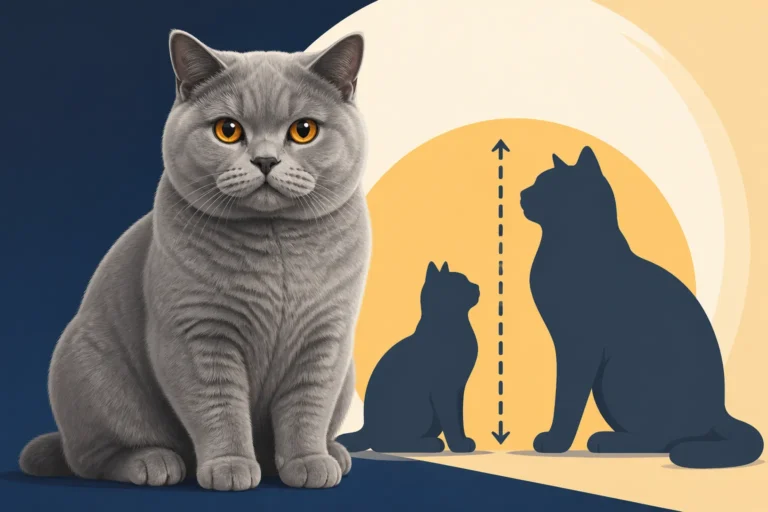
These Roman cats interbred with any native wild cat populations, but primarily they established themselves as the working cats of Britain. They were valued for their utility, not their looks. Their existence was rugged, demanding intelligence, resilience, and a sturdy build to survive the challenging environment. This natural selection process undoubtedly shaped the physical characteristics that would become hallmarks of the British Shorthair: a robust body, dense coat, and an independent spirit, albeit one that appreciated human company for food and shelter.
From Roman Settlers to Farm Cats
For centuries after the Roman withdrawal, these cats continued their essential role, becoming an integral part of British life. They spread across the countryside, adapting to various conditions and quietly evolving into the robust, unassuming mousers that populated farms, villages, and eventually, city streets. This period, largely undocumented in terms of cat breeding, was crucial for solidifying the genetic blueprint of what would eventually become a distinct breed.
Life as a Working Cat
The cats of pre-Victorian Britain were, first and foremost, working animals. They earned their keep by keeping vermin populations in check in barns, granaries, and homes. Life was tough, and only the strongest, most adaptable, and most effective hunters survived and reproduced. This natural selection meant that cats with a hearty constitution, good hunting instincts, and a dense, weather-resistant coat were favored. They lived alongside humans, often forming strong bonds, but their primary purpose was practical. It was during this long stretch of time that the deep-seated calmness and resourcefulness we see in modern British Shorthairs were likely honed, as these cats needed to be self-sufficient and unfazed by their surroundings.
They weren't just efficient pest controllers; they were companions, albeit unsentimental ones. Their presence provided a quiet comfort, a steady purr on a cold night, and a sense of order in a world where pests could quickly destroy livelihoods. The development of their physical traits — a sturdy frame, powerful jaws, and broad heads — were all practical adaptations to their role as successful predators. The British Shorthair Started as a British Street Cat is not just a saying; it’s a foundational truth of the breed’s heritage.
Adaptation to the British Climate
One of the most defining characteristics of the British Shorthair, its incredibly dense, plush coat, is a direct legacy of its long adaptation to the often damp and chilly British climate. Unlike many other breeds with sleeker coats, the British Shorthair developed a double coat that provided excellent insulation. This thick fur wasn't just for warmth; it offered protection against brambles and thorns in the fields and general rough-and-tumble of an outdoor life.
This coat is described as "crisp" to the touch because the individual hairs are not fine and silky, but rather firm and resilient, standing away from the body to create that iconic plush texture. This evolved entirely out of necessity, helping them withstand the elements while hunting. It also meant they were naturally hardy and less prone to feeling the cold, an enduring trait that still makes them comfortable indoor cats in cooler climates today, though they certainly appreciate a warm spot!
Harrison Weir and the Dawn of the Cat Fancy
Fast forward to the 19th century, and a pivotal moment arrived for the British Shorthair. Before this time, cats were largely just "cats" – appreciated for their utility but rarely recognized for distinct breed characteristics. This all changed with the rise of the organized cat fancy, and one man, Harrison Weir, played an instrumental role in elevating the common British cat to a recognized and celebrated breed.
The Crystal Palace Show of 1871
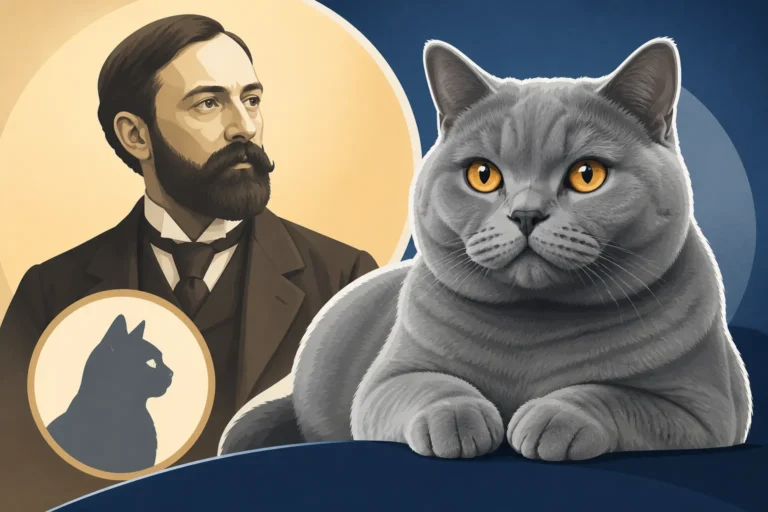
The year 1871 marks a turning point in the history of the British Shorthair, and indeed, the entire cat fancy. Harrison Weir, a passionate cat lover, artist, and agricultural writer, organized the first modern cat show at the Crystal Palace in London. His intention was to bring the same level of prestige and selective breeding to cats that was already common for dogs and livestock. He believed that the common domestic cat, particularly the robust, handsome cats of Britain, deserved to be recognized for its unique beauty and qualities.
At this groundbreaking show, Weir himself showcased his own "British Shorthair" cats. These were essentially the finest examples of the native British working cat, selected for their sturdy build, rounded heads, and dense coats. It was a revelation for many attendees, who suddenly saw the familiar mousers in a new light, as potential objects of beauty and specific breeding. Harrison Weir Put a British Shorthair on the Bench in 1871 – and in doing so, he solidified its place in the world of pedigreed cats. The success of this show sparked a burgeoning interest in cat breeding and standards, laying the groundwork for all future cat registries.
Defining the Breed Standard
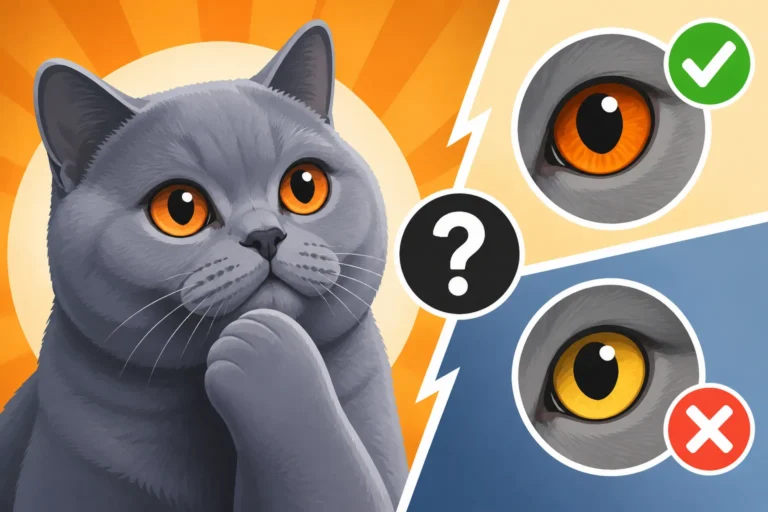
Harrison Weir wasn't just an organizer; he was the primary architect of the first British Shorthair breed standard. He meticulously described the ideal characteristics of these cats, emphasizing their solid, cobby bodies, broad chests, rounded heads, short, thick tails, and dense, plush coats. His vision was to celebrate the distinct qualities that had naturally developed in these cats over centuries of living in Britain. The standard also highlighted the importance of large, round eyes and a generally placid, good-natured temperament.
This initial standard, while evolving over time, set the blueprint for what the British Shorthair would become. It moved the breed from being a collection of disparate domestic cats to a recognized entity with specific, desirable traits. This meant that breeders could now work towards a common goal, selecting cats that best exemplified Weir's ideal. Even today, echoes of his original description can be seen in the breed standards set by major cat associations, underscoring his lasting influence. When you consider acquiring pet supplies for a British Shorthair through a retailer like Chewy, remember that the "breed" itself started with a clear vision of what made these cats uniquely British.
Survival Through Wartime and Outcrossing
The early success of the British Shorthair was not without its challenges. Like many aspects of life in Britain, cat breeding was severely impacted by the two World Wars. The sheer struggle for survival meant that breeding programs dwindled, and many pedigreed lines were lost. The breed faced extinction, requiring drastic measures and the dedicated efforts of breeders to bring it back from the brink.
The Impact of the World Wars
The First and Second World Wars were devastating for cat breeding in Britain. Resources were scarce, food rationing was common, and maintaining a breeding cattery became an impossible luxury for most. Many breeders dispersed their cats, some were lost, and others simply ceased to exist. Why British Shorthair Numbers Collapsed in the Wars is a somber chapter in the breed's history, highlighting how fragile even well-established breeds can be in times of global crisis. The focus shifted from preserving pedigrees to simply surviving.
After the wars, the genetic pool for the British Shorthair was alarmingly small. There were very few purebred British Shorthairs left to continue the lines. This critical situation demanded creative and controversial solutions to save the breed from vanishing entirely. Breeders faced the daunting task of rebuilding the foundation of the British Shorthair, practically from scratch, while trying to retain its distinctive characteristics.
The Persian Connection
To broaden the gene pool and prevent the British Shorthair from dying out, dedicated breeders made the difficult decision to outcross. The most significant outcross, and one that has left a lasting legacy, was with the Persian cat. The Persian, with its dense coat and round, cobby body type, was chosen for its complementary features, despite its longer hair. The goal was to reintroduce vigor and diversity without losing the essence of the British Shorthair.
This infusion of Persian blood brought benefits, particularly enhancing the density and plushness of the British Shorthair's coat, and contributing to the famously round head shape. However, it also introduced new challenges. The longhair gene from the Persian occasionally surfaces in British Shorthair litters, resulting in "British Longhairs." More significantly, this outcrossing is believed to have introduced certain health concerns, such as Polycystic Kidney Disease Came Into the British Shorthair With the Persians. Dedicated breeders have since worked tirelessly to screen for and eliminate such inherited conditions, ensuring the health and integrity of the breed.
Genetic Diversity Efforts
Following the extensive outcrossing required to save the British Shorthair, breeders have focused on meticulously re-establishing the original type while carefully managing genetic diversity. This has involved strategic breeding programs, careful selection of breeding pairs, and continuous health screening. The goal has been to reinforce the distinct British Shorthair characteristics – the broad, round face, the strong, cobby body, and the short, dense coat – while gradually breeding out any undesirable traits introduced by the outcrosses.
This dedicated effort has been crucial in preserving the unique identity of the British Shorthair. It speaks volumes about the passion and commitment of breeders to maintain this wonderful companion animal. Modern breeders understand the importance of a diverse gene pool to ensure the long-term health and vitality of the breed, a responsibility that continues to guide breeding practices today.
The Modern British Shorthair Legacy
Today, the British Shorthair stands as one of the most popular and recognizable cat breeds globally. Its journey from Roman pest control to international show cat is a testament to its enduring appeal and the dedication of its advocates. It is a breed defined by its history, its resilience, and its unwavering charm.
Recognition by Cat Fancies Worldwide
The meticulous efforts of post-war breeders paid off, and the British Shorthair slowly but surely regained its prominence. Major cat registries around the world began to officially recognize the breed, solidifying its place in the global cat fancy. Organizations like the Cat Fanciers' Association (CFA) and The International Cat Association (TICA) formally accepted the British Shorthair, establishing detailed breed standards and allowing the cats to compete in shows. This formal recognition marked a triumph for the breed, acknowledging its unique characteristics and the hard work that went into its preservation.
With global recognition came increased popularity. The British Shorthair’s distinct look and famously calm temperament made it a sought-after companion in homes across continents. This widespread acceptance also spurred further responsible breeding efforts, ensuring that the breed's health and type were maintained and improved upon.
The Icon We Know Today
The British Shorthair of today is a living legacy of its past. It retains the sturdy build and dense coat that allowed its ancestors to thrive in ancient Britain, combined with the gentle, affectionate nature cultivated through generations of companionship. Its signature "teddy bear" look, characterized by a rounded head, full cheeks (What Jowls Are on a British Shorthair), and large, expressive eyes, makes it instantly recognizable and endlessly endearing. While the blue coloration remains the most iconic, the breed now comes in a stunning array of colors and patterns, each one beautiful in its own right.
From its humble beginnings as a Roman companion to a beloved family pet, the British Shorthair’s journey is a rich tapestry of history, survival, and dedicated preservation. Owners today benefit from centuries of natural selection and human stewardship, resulting in a healthy, well-adjusted cat that brings immense joy. Whether you're researching pet supplies on Chewy or simply enjoying a quiet evening with your feline friend, remember the incredible story behind those beautiful, round eyes.
British Shorthair Historical Timeline
To truly appreciate the journey of the British Shorthair, it helps to visualize the key milestones in its long and fascinating history.
| Era/Event | Approximate Date/Period | Significance |
|---|---|---|
| Roman Arrival | 1st – 5th Century CE | Ancestors of the British Shorthair arrive in Britain with Roman legions, primarily as pest control. |
| Medieval & Early Modern Era | 5th – 18th Century CE | Cats become established throughout Britain as working mousers, adapting to the climate and local conditions. |
| Harrison Weir's Advocacy | Mid-19th Century | Harrison Weir champions the common British cat as a distinct breed deserving recognition. |
| First Cat Show | 1871 | Harrison Weir organizes the first modern cat show at Crystal Palace, featuring British Shorthairs. |
| Initial Breed Standard | Late 19th Century | Harrison Weir drafts the first official standard for the British Shorthair breed. |
| World War Challenges | Early to Mid-20th Century | Breeding programs severely impacted by two World Wars, leading to a drastic decline in numbers. |
| Post-War Outcrossing | Post-WWII (e.g., 1950s-1970s) | Breeders introduce Persian bloodlines to rebuild the breed's numbers and genetic diversity. |
| International Recognition | Mid to Late 20th Century | Major cat registries worldwide begin to formally recognize the British Shorthair. |
| Modern Popularity | 21st Century | British Shorthair becomes one of the most popular and beloved pedigreed cat breeds globally. |
This timeline illustrates the incredible endurance and transformation of a cat that started as a necessity and evolved into a cherished part of countless households.
Disclaimer
This article is for general informational purposes only and does not constitute professional advice. Laws, prices and regulations vary by location and change over time. Consult a qualified professional for guidance on your specific situation.